


Key Insights
The global Burn Cooling Gel market is poised for significant expansion, projected to reach an estimated $2.56 billion in 2025. This robust growth is fueled by a compound annual growth rate (CAGR) of 6.2% throughout the forecast period of 2025-2033. A primary driver for this upward trajectory is the increasing prevalence of burn injuries across various settings, including household accidents, industrial incidents, and medical emergencies. The growing awareness and adoption of effective first-aid solutions for burns, such as cooling gels, further contribute to market demand. Furthermore, advancements in product formulation, leading to gels with enhanced cooling properties, antimicrobial benefits, and improved patient comfort, are stimulating market penetration. The expanding healthcare infrastructure in emerging economies and the rising disposable incomes are also creating new avenues for market growth, as consumers and healthcare providers prioritize accessible and efficient burn care solutions.

Burn Cooling Gel Market Size (In Billion)

The market is segmented into Medical and Household applications, with the Medical segment likely dominating due to professional use in hospitals, clinics, and emergency services. The types of burn cooling gels, namely Alcoholic and Non-alcoholic, will see demand shifts influenced by product innovation and consumer preference for gentler, more skin-friendly formulations, particularly in the household segment. Key market players like Medline Industries, CoreTex Products, and Zuiko Medical Corporation are actively engaged in research and development to introduce novel products and expand their market reach. Geographically, North America and Europe are expected to maintain substantial market shares owing to well-established healthcare systems and high consumer spending on healthcare products. However, the Asia Pacific region is anticipated to witness the fastest growth, driven by a large population, increasing industrialization, and a rising incidence of burn injuries, coupled with improving healthcare accessibility.

Burn Cooling Gel Company Market Share
Here is the SEO-optimized, reader-centric report description for Burn Cooling Gel, designed for maximum visibility and engagement:
Burn Cooling Gel Market Structure & Innovation Trends
The global Burn Cooling Gel market exhibits a moderate concentration, with key players like Medline Industries and CoreTex Products holding significant market share, estimated to be in the billions of dollars. Innovation is a primary driver, fueled by advancements in wound care technology and a growing demand for advanced burn treatment solutions. Regulatory frameworks, particularly those governing medical devices and over-the-counter pharmaceuticals, play a crucial role in shaping market entry and product development. Substitutes, such as traditional burn dressings and cold water, exist, but the efficacy and convenience of burn cooling gels continue to drive their adoption. End-user demographics are broad, spanning household consumers seeking immediate relief and medical professionals requiring advanced treatment options. Mergers and acquisitions (M&A) activity is projected to increase, with deal values potentially reaching billions, as larger entities seek to expand their portfolios and market reach. The market is characterized by a dynamic interplay of established brands and innovative startups, fostering a competitive yet collaborative environment for advancements in burn care.
Burn Cooling Gel Market Dynamics & Trends
The Burn Cooling Gel market is poised for substantial growth, driven by several interconnected dynamics and emerging trends. The increasing incidence of burn injuries globally, attributed to a rise in household accidents, industrial mishaps, and sporting injuries, acts as a primary growth accelerator. This rising prevalence directly translates into heightened demand for effective and readily available burn treatment solutions like cooling gels. Technological disruptions are at the forefront of market evolution. Innovations in gel formulations, focusing on enhanced soothing properties, antimicrobial benefits, and improved wound healing acceleration, are captivating consumer and professional attention. For instance, the development of advanced hydrogel formulations that provide sustained cooling and optimal wound healing microenvironments is a significant technological advancement. Consumer preferences are shifting towards convenient, easy-to-use, and scientifically-backed burn care products. This trend is evidenced by the growing popularity of single-use sachets and spray-based cooling gels for immediate application. Furthermore, increased awareness campaigns by health organizations and manufacturers regarding proper burn first aid practices are contributing to higher market penetration. The competitive landscape is characterized by intense rivalry among established players and emerging brands, each vying for market share through product differentiation, strategic pricing, and extensive distribution networks. The global market penetration of burn cooling gels is expected to rise significantly, driven by increased accessibility and a growing understanding of their benefits. The Compound Annual Growth Rate (CAGR) for the burn cooling gel market is predicted to be robust, in the double digits, indicating a healthy expansion trajectory over the forecast period. Investment in research and development by leading companies is a constant to maintain a competitive edge and capture new market segments.
Dominant Regions & Segments in Burn Cooling Gel
North America currently dominates the global Burn Cooling Gel market, driven by a robust healthcare infrastructure, high disposable incomes, and a strong emphasis on consumer safety and first-aid preparedness. The United States, in particular, stands out as a leading country, with substantial market penetration across both medical and household applications. Economic policies in this region, such as favorable reimbursement policies for medical supplies and increasing government initiatives for public health awareness, significantly contribute to market growth. The well-established retail and pharmaceutical distribution networks ensure easy accessibility of burn cooling gels to a wide consumer base.
Within this dominant region and globally, the Medical application segment holds a significant market share. This dominance is fueled by the critical need for effective burn management in hospitals, clinics, and emergency care settings. The types of burn cooling gels most prevalent in this segment are often specialized formulations, with a strong preference for Non-alcohol types due to their gentler action on sensitive skin and reduced risk of stinging or drying out wounds. These medical-grade gels are engineered to provide immediate pain relief, reduce inflammation, and create an optimal environment for wound healing.
The Household application segment is also experiencing substantial growth, albeit with a slightly different preference profile. While Non-alcohol gels remain popular for their gentleness, Alkoholisch based cooling gels also find a niche for their rapid cooling effect and antiseptic properties in minor burns and abrasions, particularly in regions where readily available sterile water for immediate cooling might be less accessible. The economic policies that support consumer spending on health and wellness products, coupled with the increasing prevalence of do-it-yourself first-aid kits, are key drivers for the household segment's expansion.
Burn Cooling Gel Product Innovations
Burn cooling gel product innovations are focused on enhanced efficacy and user experience. Developments include advanced hydrogel formulations offering sustained cooling, antimicrobial properties, and accelerated wound healing. Innovations like biodegradable packaging and single-use sachets improve convenience and hygiene. Competitive advantages are gained through superior pain relief, reduced scarring, and ease of application, catering to both medical professionals and household users seeking advanced burn care solutions.
Report Scope & Segmentation Analysis
This report provides a comprehensive analysis of the Burn Cooling Gel market, segmented by application and type. The Medical application segment is projected to experience robust growth due to its critical role in emergency care and post-burn treatment, with an estimated market size in the billions. The Household application segment also shows strong expansion, driven by increasing consumer awareness and demand for at-home first-aid solutions, with a projected market size in the billions.
Within product types, the Non-alcohol segment is expected to maintain a dominant position, favored for its gentleness and suitability for sensitive skin and various burn severities, commanding a market size in the billions. The Alkoholisch segment, while smaller, caters to specific needs for rapid cooling and antiseptic properties, with its market size estimated to be in the hundreds of millions.
Key Drivers of Burn Cooling Gel Growth
The global Burn Cooling Gel market is propelled by several key drivers. The increasing incidence of burn injuries, both accidental and intentional, worldwide is a primary catalyst. Technological advancements in gel formulations, leading to improved pain relief, wound healing acceleration, and antimicrobial properties, are significant growth drivers. Growing consumer awareness regarding the benefits of immediate cooling and proper burn first aid practices further fuels demand. Additionally, supportive regulatory frameworks for over-the-counter medical products and the expanding e-commerce landscape for healthcare products contribute to market expansion, with projected market growth in the billions.
Challenges in the Burn Cooling Gel Sector
The Burn Cooling Gel sector faces several challenges that can impede growth. Stringent regulatory hurdles for new product approvals in certain regions can slow down market entry, especially for innovative formulations. Supply chain disruptions, exacerbated by global events, can impact the availability and cost of raw materials, affecting production volumes and pricing. Intense competition from established brands and the emergence of low-cost alternatives can also create pricing pressures and reduce profit margins. Furthermore, limited awareness of advanced burn cooling gel benefits in developing economies can hinder market penetration, with potential impacts on market share in the hundreds of millions.
Emerging Opportunities in Burn Cooling Gel
Emerging opportunities in the Burn Cooling Gel market are abundant. The growing demand for natural and organic burn care products presents a significant avenue for innovation and market capture. Expansion into emerging economies with increasing healthcare expenditure and rising awareness of first-aid practices offers substantial growth potential, with market expansion in the billions. The development of specialized burn cooling gels for specific types of burns (e.g., chemical burns, radiation burns) can cater to niche markets. Furthermore, the integration of smart packaging with application guidance and monitoring capabilities represents a future technological trend, with potential market impact in the hundreds of millions.
Leading Players in the Burn Cooling Gel Market
- Medline Industries
- CoreTex Products
- Zuiko Medical Corporation
- Weleda
- Safety First Aid Group
- Cool Blaze Products
- Water Jel
- Acriflex
- Meda Pharmaceuticals
Key Developments in Burn Cooling Gel Industry
- 2023: Medline Industries launched a new line of advanced burn hydrogels with enhanced healing properties.
- 2022: CoreTex Products expanded its distribution network to key emerging markets in Asia, aiming for billions in new revenue.
- 2021: Safety First Aid Group introduced innovative single-use burn cooling gel sachets for enhanced portability and hygiene.
- 2020: Water Jel developed a novel, biodegradable formulation for its burn cooling gel range.
- 2019: Zuiko Medical Corporation secured regulatory approval for a new alcohol-free burn cooling gel formulation in European markets.
Future Outlook for Burn Cooling Gel Market
The future outlook for the Burn Cooling Gel market is exceptionally bright, with sustained growth projected to reach billions. Key growth accelerators include ongoing advancements in gel technology, leading to more efficacious and patient-friendly products. The increasing global focus on emergency preparedness and first-aid solutions, coupled with expanding healthcare access in developing nations, will further drive market penetration. Strategic opportunities lie in leveraging digital platforms for consumer education and direct-to-consumer sales, as well as expanding product lines to cater to specialized burn types. The market is expected to witness continued innovation, with a strong emphasis on sustainability and user convenience, ensuring its long-term expansion and profitability.
Burn Cooling Gel Segmentation
-
1. Application
- 1.1. Medical
- 1.2. Household
-
2. Types
- 2.1. Alkoholisch
- 2.2. Non-alcohol
Burn Cooling Gel Segmentation By Geography
-
1. North America
- 1.1. United States
- 1.2. Canada
- 1.3. Mexico
-
2. South America
- 2.1. Brazil
- 2.2. Argentina
- 2.3. Rest of South America
-
3. Europe
- 3.1. United Kingdom
- 3.2. Germany
- 3.3. France
- 3.4. Italy
- 3.5. Spain
- 3.6. Russia
- 3.7. Benelux
- 3.8. Nordics
- 3.9. Rest of Europe
-
4. Middle East & Africa
- 4.1. Turkey
- 4.2. Israel
- 4.3. GCC
- 4.4. North Africa
- 4.5. South Africa
- 4.6. Rest of Middle East & Africa
-
5. Asia Pacific
- 5.1. China
- 5.2. India
- 5.3. Japan
- 5.4. South Korea
- 5.5. ASEAN
- 5.6. Oceania
- 5.7. Rest of Asia Pacific

Burn Cooling Gel Regional Market Share
Geographic Coverage of Burn Cooling Gel
Burn Cooling Gel REPORT HIGHLIGHTS
| Aspects | Details |
|---|---|
| Study Period | 2020-2034 |
| Base Year | 2025 |
| Estimated Year | 2026 |
| Forecast Period | 2026-2034 |
| Historical Period | 2020-2025 |
| Growth Rate | CAGR of 6.2% from 2020-2034 |
| Segmentation |
|
Table of Contents
- 1. Introduction
- 1.1. Research Scope
- 1.2. Market Segmentation
- 1.3. Research Methodology
- 1.4. Definitions and Assumptions
- 2. Executive Summary
- 2.1. Introduction
- 3. Market Dynamics
- 3.1. Introduction
- 3.2. Market Drivers
- 3.3. Market Restrains
- 3.4. Market Trends
- 4. Market Factor Analysis
- 4.1. Porters Five Forces
- 4.2. Supply/Value Chain
- 4.3. PESTEL analysis
- 4.4. Market Entropy
- 4.5. Patent/Trademark Analysis
- 5. Global Burn Cooling Gel Analysis, Insights and Forecast, 2020-2032
- 5.1. Market Analysis, Insights and Forecast - by Application
- 5.1.1. Medical
- 5.1.2. Household
- 5.2. Market Analysis, Insights and Forecast - by Types
- 5.2.1. Alkoholisch
- 5.2.2. Non-alcohol
- 5.3. Market Analysis, Insights and Forecast - by Region
- 5.3.1. North America
- 5.3.2. South America
- 5.3.3. Europe
- 5.3.4. Middle East & Africa
- 5.3.5. Asia Pacific
- 5.1. Market Analysis, Insights and Forecast - by Application
- 6. North America Burn Cooling Gel Analysis, Insights and Forecast, 2020-2032
- 6.1. Market Analysis, Insights and Forecast - by Application
- 6.1.1. Medical
- 6.1.2. Household
- 6.2. Market Analysis, Insights and Forecast - by Types
- 6.2.1. Alkoholisch
- 6.2.2. Non-alcohol
- 6.1. Market Analysis, Insights and Forecast - by Application
- 7. South America Burn Cooling Gel Analysis, Insights and Forecast, 2020-2032
- 7.1. Market Analysis, Insights and Forecast - by Application
- 7.1.1. Medical
- 7.1.2. Household
- 7.2. Market Analysis, Insights and Forecast - by Types
- 7.2.1. Alkoholisch
- 7.2.2. Non-alcohol
- 7.1. Market Analysis, Insights and Forecast - by Application
- 8. Europe Burn Cooling Gel Analysis, Insights and Forecast, 2020-2032
- 8.1. Market Analysis, Insights and Forecast - by Application
- 8.1.1. Medical
- 8.1.2. Household
- 8.2. Market Analysis, Insights and Forecast - by Types
- 8.2.1. Alkoholisch
- 8.2.2. Non-alcohol
- 8.1. Market Analysis, Insights and Forecast - by Application
- 9. Middle East & Africa Burn Cooling Gel Analysis, Insights and Forecast, 2020-2032
- 9.1. Market Analysis, Insights and Forecast - by Application
- 9.1.1. Medical
- 9.1.2. Household
- 9.2. Market Analysis, Insights and Forecast - by Types
- 9.2.1. Alkoholisch
- 9.2.2. Non-alcohol
- 9.1. Market Analysis, Insights and Forecast - by Application
- 10. Asia Pacific Burn Cooling Gel Analysis, Insights and Forecast, 2020-2032
- 10.1. Market Analysis, Insights and Forecast - by Application
- 10.1.1. Medical
- 10.1.2. Household
- 10.2. Market Analysis, Insights and Forecast - by Types
- 10.2.1. Alkoholisch
- 10.2.2. Non-alcohol
- 10.1. Market Analysis, Insights and Forecast - by Application
- 11. Competitive Analysis
- 11.1. Global Market Share Analysis 2025
- 11.2. Company Profiles
- 11.2.1 Medline Industries
- 11.2.1.1. Overview
- 11.2.1.2. Products
- 11.2.1.3. SWOT Analysis
- 11.2.1.4. Recent Developments
- 11.2.1.5. Financials (Based on Availability)
- 11.2.2 CoreTex Products
- 11.2.2.1. Overview
- 11.2.2.2. Products
- 11.2.2.3. SWOT Analysis
- 11.2.2.4. Recent Developments
- 11.2.2.5. Financials (Based on Availability)
- 11.2.3 Zuiko Medical Corporation
- 11.2.3.1. Overview
- 11.2.3.2. Products
- 11.2.3.3. SWOT Analysis
- 11.2.3.4. Recent Developments
- 11.2.3.5. Financials (Based on Availability)
- 11.2.4 Weleda
- 11.2.4.1. Overview
- 11.2.4.2. Products
- 11.2.4.3. SWOT Analysis
- 11.2.4.4. Recent Developments
- 11.2.4.5. Financials (Based on Availability)
- 11.2.5 Safety First Aid Group
- 11.2.5.1. Overview
- 11.2.5.2. Products
- 11.2.5.3. SWOT Analysis
- 11.2.5.4. Recent Developments
- 11.2.5.5. Financials (Based on Availability)
- 11.2.6 Cool Blaze Products
- 11.2.6.1. Overview
- 11.2.6.2. Products
- 11.2.6.3. SWOT Analysis
- 11.2.6.4. Recent Developments
- 11.2.6.5. Financials (Based on Availability)
- 11.2.7 Water Jel
- 11.2.7.1. Overview
- 11.2.7.2. Products
- 11.2.7.3. SWOT Analysis
- 11.2.7.4. Recent Developments
- 11.2.7.5. Financials (Based on Availability)
- 11.2.8 Acriflex
- 11.2.8.1. Overview
- 11.2.8.2. Products
- 11.2.8.3. SWOT Analysis
- 11.2.8.4. Recent Developments
- 11.2.8.5. Financials (Based on Availability)
- 11.2.9 Meda Pharmaceuticals
- 11.2.9.1. Overview
- 11.2.9.2. Products
- 11.2.9.3. SWOT Analysis
- 11.2.9.4. Recent Developments
- 11.2.9.5. Financials (Based on Availability)
- 11.2.1 Medline Industries
List of Figures
- Figure 1: Global Burn Cooling Gel Revenue Breakdown (billion, %) by Region 2025 & 2033
- Figure 2: North America Burn Cooling Gel Revenue (billion), by Application 2025 & 2033
- Figure 3: North America Burn Cooling Gel Revenue Share (%), by Application 2025 & 2033
- Figure 4: North America Burn Cooling Gel Revenue (billion), by Types 2025 & 2033
- Figure 5: North America Burn Cooling Gel Revenue Share (%), by Types 2025 & 2033
- Figure 6: North America Burn Cooling Gel Revenue (billion), by Country 2025 & 2033
- Figure 7: North America Burn Cooling Gel Revenue Share (%), by Country 2025 & 2033
- Figure 8: South America Burn Cooling Gel Revenue (billion), by Application 2025 & 2033
- Figure 9: South America Burn Cooling Gel Revenue Share (%), by Application 2025 & 2033
- Figure 10: South America Burn Cooling Gel Revenue (billion), by Types 2025 & 2033
- Figure 11: South America Burn Cooling Gel Revenue Share (%), by Types 2025 & 2033
- Figure 12: South America Burn Cooling Gel Revenue (billion), by Country 2025 & 2033
- Figure 13: South America Burn Cooling Gel Revenue Share (%), by Country 2025 & 2033
- Figure 14: Europe Burn Cooling Gel Revenue (billion), by Application 2025 & 2033
- Figure 15: Europe Burn Cooling Gel Revenue Share (%), by Application 2025 & 2033
- Figure 16: Europe Burn Cooling Gel Revenue (billion), by Types 2025 & 2033
- Figure 17: Europe Burn Cooling Gel Revenue Share (%), by Types 2025 & 2033
- Figure 18: Europe Burn Cooling Gel Revenue (billion), by Country 2025 & 2033
- Figure 19: Europe Burn Cooling Gel Revenue Share (%), by Country 2025 & 2033
- Figure 20: Middle East & Africa Burn Cooling Gel Revenue (billion), by Application 2025 & 2033
- Figure 21: Middle East & Africa Burn Cooling Gel Revenue Share (%), by Application 2025 & 2033
- Figure 22: Middle East & Africa Burn Cooling Gel Revenue (billion), by Types 2025 & 2033
- Figure 23: Middle East & Africa Burn Cooling Gel Revenue Share (%), by Types 2025 & 2033
- Figure 24: Middle East & Africa Burn Cooling Gel Revenue (billion), by Country 2025 & 2033
- Figure 25: Middle East & Africa Burn Cooling Gel Revenue Share (%), by Country 2025 & 2033
- Figure 26: Asia Pacific Burn Cooling Gel Revenue (billion), by Application 2025 & 2033
- Figure 27: Asia Pacific Burn Cooling Gel Revenue Share (%), by Application 2025 & 2033
- Figure 28: Asia Pacific Burn Cooling Gel Revenue (billion), by Types 2025 & 2033
- Figure 29: Asia Pacific Burn Cooling Gel Revenue Share (%), by Types 2025 & 2033
- Figure 30: Asia Pacific Burn Cooling Gel Revenue (billion), by Country 2025 & 2033
- Figure 31: Asia Pacific Burn Cooling Gel Revenue Share (%), by Country 2025 & 2033
List of Tables
- Table 1: Global Burn Cooling Gel Revenue billion Forecast, by Application 2020 & 2033
- Table 2: Global Burn Cooling Gel Revenue billion Forecast, by Types 2020 & 2033
- Table 3: Global Burn Cooling Gel Revenue billion Forecast, by Region 2020 & 2033
- Table 4: Global Burn Cooling Gel Revenue billion Forecast, by Application 2020 & 2033
- Table 5: Global Burn Cooling Gel Revenue billion Forecast, by Types 2020 & 2033
- Table 6: Global Burn Cooling Gel Revenue billion Forecast, by Country 2020 & 2033
- Table 7: United States Burn Cooling Gel Revenue (billion) Forecast, by Application 2020 & 2033
- Table 8: Canada Burn Cooling Gel Revenue (billion) Forecast, by Application 2020 & 2033
- Table 9: Mexico Burn Cooling Gel Revenue (billion) Forecast, by Application 2020 & 2033
- Table 10: Global Burn Cooling Gel Revenue billion Forecast, by Application 2020 & 2033
- Table 11: Global Burn Cooling Gel Revenue billion Forecast, by Types 2020 & 2033
- Table 12: Global Burn Cooling Gel Revenue billion Forecast, by Country 2020 & 2033
- Table 13: Brazil Burn Cooling Gel Revenue (billion) Forecast, by Application 2020 & 2033
- Table 14: Argentina Burn Cooling Gel Revenue (billion) Forecast, by Application 2020 & 2033
- Table 15: Rest of South America Burn Cooling Gel Revenue (billion) Forecast, by Application 2020 & 2033
- Table 16: Global Burn Cooling Gel Revenue billion Forecast, by Application 2020 & 2033
- Table 17: Global Burn Cooling Gel Revenue billion Forecast, by Types 2020 & 2033
- Table 18: Global Burn Cooling Gel Revenue billion Forecast, by Country 2020 & 2033
- Table 19: United Kingdom Burn Cooling Gel Revenue (billion) Forecast, by Application 2020 & 2033
- Table 20: Germany Burn Cooling Gel Revenue (billion) Forecast, by Application 2020 & 2033
- Table 21: France Burn Cooling Gel Revenue (billion) Forecast, by Application 2020 & 2033
- Table 22: Italy Burn Cooling Gel Revenue (billion) Forecast, by Application 2020 & 2033
- Table 23: Spain Burn Cooling Gel Revenue (billion) Forecast, by Application 2020 & 2033
- Table 24: Russia Burn Cooling Gel Revenue (billion) Forecast, by Application 2020 & 2033
- Table 25: Benelux Burn Cooling Gel Revenue (billion) Forecast, by Application 2020 & 2033
- Table 26: Nordics Burn Cooling Gel Revenue (billion) Forecast, by Application 2020 & 2033
- Table 27: Rest of Europe Burn Cooling Gel Revenue (billion) Forecast, by Application 2020 & 2033
- Table 28: Global Burn Cooling Gel Revenue billion Forecast, by Application 2020 & 2033
- Table 29: Global Burn Cooling Gel Revenue billion Forecast, by Types 2020 & 2033
- Table 30: Global Burn Cooling Gel Revenue billion Forecast, by Country 2020 & 2033
- Table 31: Turkey Burn Cooling Gel Revenue (billion) Forecast, by Application 2020 & 2033
- Table 32: Israel Burn Cooling Gel Revenue (billion) Forecast, by Application 2020 & 2033
- Table 33: GCC Burn Cooling Gel Revenue (billion) Forecast, by Application 2020 & 2033
- Table 34: North Africa Burn Cooling Gel Revenue (billion) Forecast, by Application 2020 & 2033
- Table 35: South Africa Burn Cooling Gel Revenue (billion) Forecast, by Application 2020 & 2033
- Table 36: Rest of Middle East & Africa Burn Cooling Gel Revenue (billion) Forecast, by Application 2020 & 2033
- Table 37: Global Burn Cooling Gel Revenue billion Forecast, by Application 2020 & 2033
- Table 38: Global Burn Cooling Gel Revenue billion Forecast, by Types 2020 & 2033
- Table 39: Global Burn Cooling Gel Revenue billion Forecast, by Country 2020 & 2033
- Table 40: China Burn Cooling Gel Revenue (billion) Forecast, by Application 2020 & 2033
- Table 41: India Burn Cooling Gel Revenue (billion) Forecast, by Application 2020 & 2033
- Table 42: Japan Burn Cooling Gel Revenue (billion) Forecast, by Application 2020 & 2033
- Table 43: South Korea Burn Cooling Gel Revenue (billion) Forecast, by Application 2020 & 2033
- Table 44: ASEAN Burn Cooling Gel Revenue (billion) Forecast, by Application 2020 & 2033
- Table 45: Oceania Burn Cooling Gel Revenue (billion) Forecast, by Application 2020 & 2033
- Table 46: Rest of Asia Pacific Burn Cooling Gel Revenue (billion) Forecast, by Application 2020 & 2033
Frequently Asked Questions
1. What is the projected Compound Annual Growth Rate (CAGR) of the Burn Cooling Gel?
The projected CAGR is approximately 6.2%.
2. Which companies are prominent players in the Burn Cooling Gel?
Key companies in the market include Medline Industries, CoreTex Products, Zuiko Medical Corporation, Weleda, Safety First Aid Group, Cool Blaze Products, Water Jel, Acriflex, Meda Pharmaceuticals.
3. What are the main segments of the Burn Cooling Gel?
The market segments include Application, Types.
4. Can you provide details about the market size?
The market size is estimated to be USD 2.56 billion as of 2022.
5. What are some drivers contributing to market growth?
N/A
6. What are the notable trends driving market growth?
N/A
7. Are there any restraints impacting market growth?
N/A
8. Can you provide examples of recent developments in the market?
N/A
9. What pricing options are available for accessing the report?
Pricing options include single-user, multi-user, and enterprise licenses priced at USD 2900.00, USD 4350.00, and USD 5800.00 respectively.
10. Is the market size provided in terms of value or volume?
The market size is provided in terms of value, measured in billion.
11. Are there any specific market keywords associated with the report?
Yes, the market keyword associated with the report is "Burn Cooling Gel," which aids in identifying and referencing the specific market segment covered.
12. How do I determine which pricing option suits my needs best?
The pricing options vary based on user requirements and access needs. Individual users may opt for single-user licenses, while businesses requiring broader access may choose multi-user or enterprise licenses for cost-effective access to the report.
13. Are there any additional resources or data provided in the Burn Cooling Gel report?
While the report offers comprehensive insights, it's advisable to review the specific contents or supplementary materials provided to ascertain if additional resources or data are available.
14. How can I stay updated on further developments or reports in the Burn Cooling Gel?
To stay informed about further developments, trends, and reports in the Burn Cooling Gel, consider subscribing to industry newsletters, following relevant companies and organizations, or regularly checking reputable industry news sources and publications.
Methodology
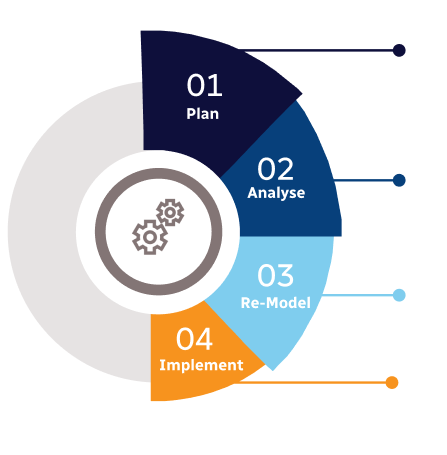
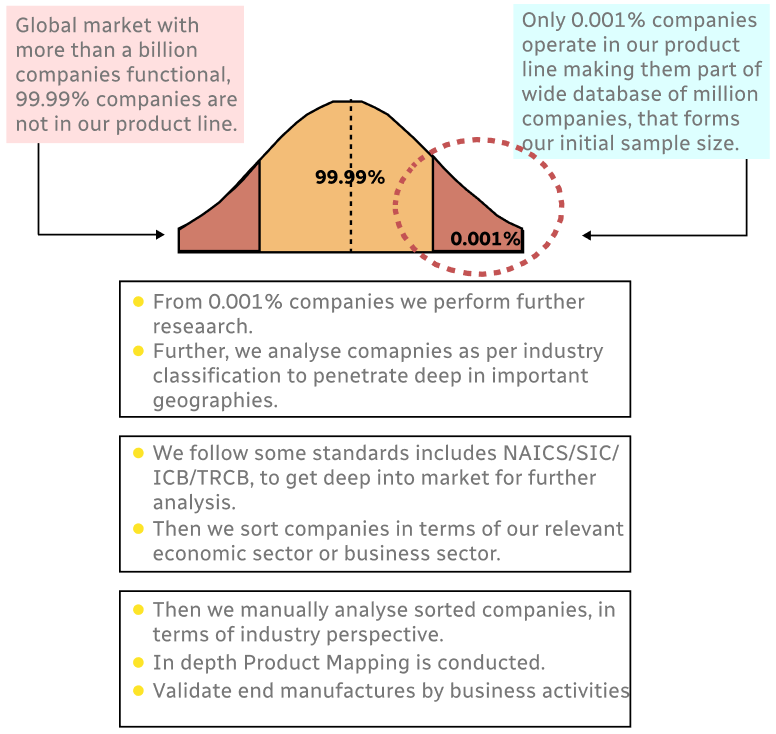
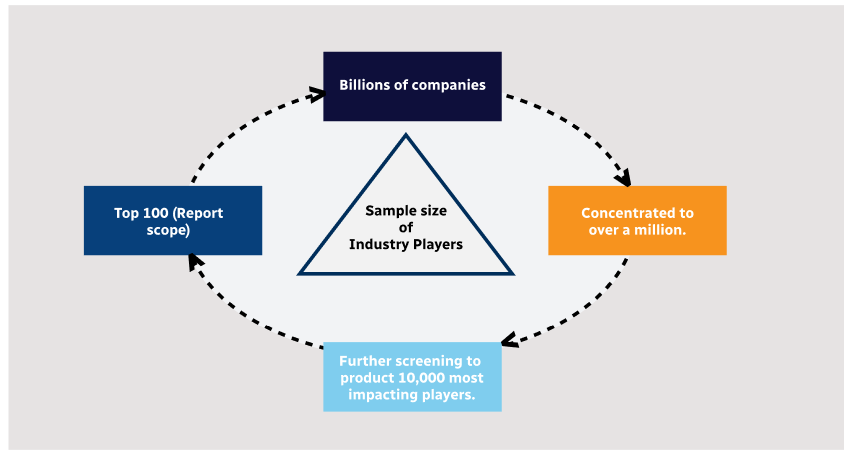
Step 1 - Identification of Relevant Samples Size from Population Database
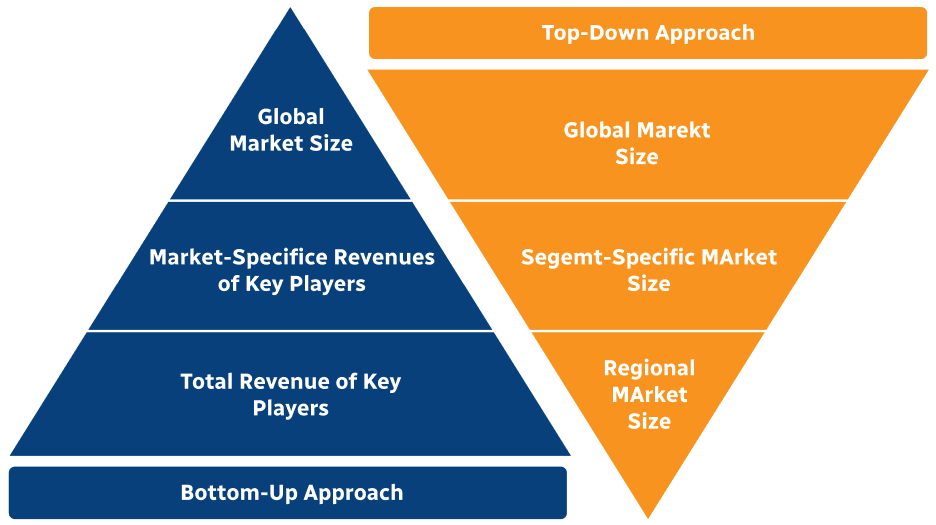
Step 2 - Approaches for Defining Global Market Size (Value, Volume* & Price*)
Note*: In applicable scenarios
Step 3 - Data Sources
Primary Research
- Web Analytics
- Survey Reports
- Research Institute
- Latest Research Reports
- Opinion Leaders
Secondary Research
- Annual Reports
- White Paper
- Latest Press Release
- Industry Association
- Paid Database
- Investor Presentations
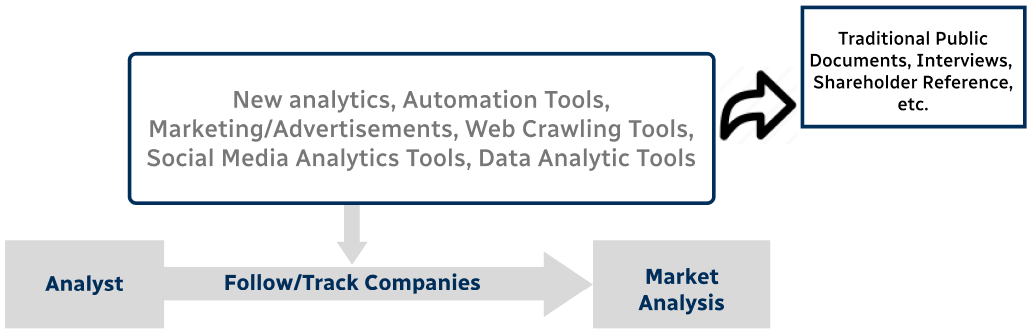
Step 4 - Data Triangulation
Involves using different sources of information in order to increase the validity of a study
These sources are likely to be stakeholders in a program - participants, other researchers, program staff, other community members, and so on.
Then we put all data in single framework & apply various statistical tools to find out the dynamic on the market.
During the analysis stage, feedback from the stakeholder groups would be compared to determine areas of agreement as well as areas of divergence