


Key Insights
The global Feed Additives for Poultry market is poised for substantial growth, projected to reach $25.9 billion in 2025 with a robust Compound Annual Growth Rate (CAGR) of 4.4% through 2033. This expansion is driven by a confluence of factors, including the escalating global demand for poultry meat, an increasing focus on animal health and welfare, and the imperative to enhance feed conversion efficiency and profitability within the poultry industry. Furthermore, evolving regulatory landscapes and a growing consumer preference for antibiotic-free poultry products are actively stimulating the adoption of antibiotic alternatives and natural feed additives. The market is witnessing a significant shift towards innovative solutions such as feeding enzymes, probiotics, and prebiotics, which contribute to improved nutrient digestibility, gut health, and overall immune function in poultry. The rising prevalence of diseases and the economic impact of feed spoilage are also propelling the demand for effective mold inhibitors and mycotoxin binders, underscoring the critical role of feed additives in ensuring food safety and optimizing production.
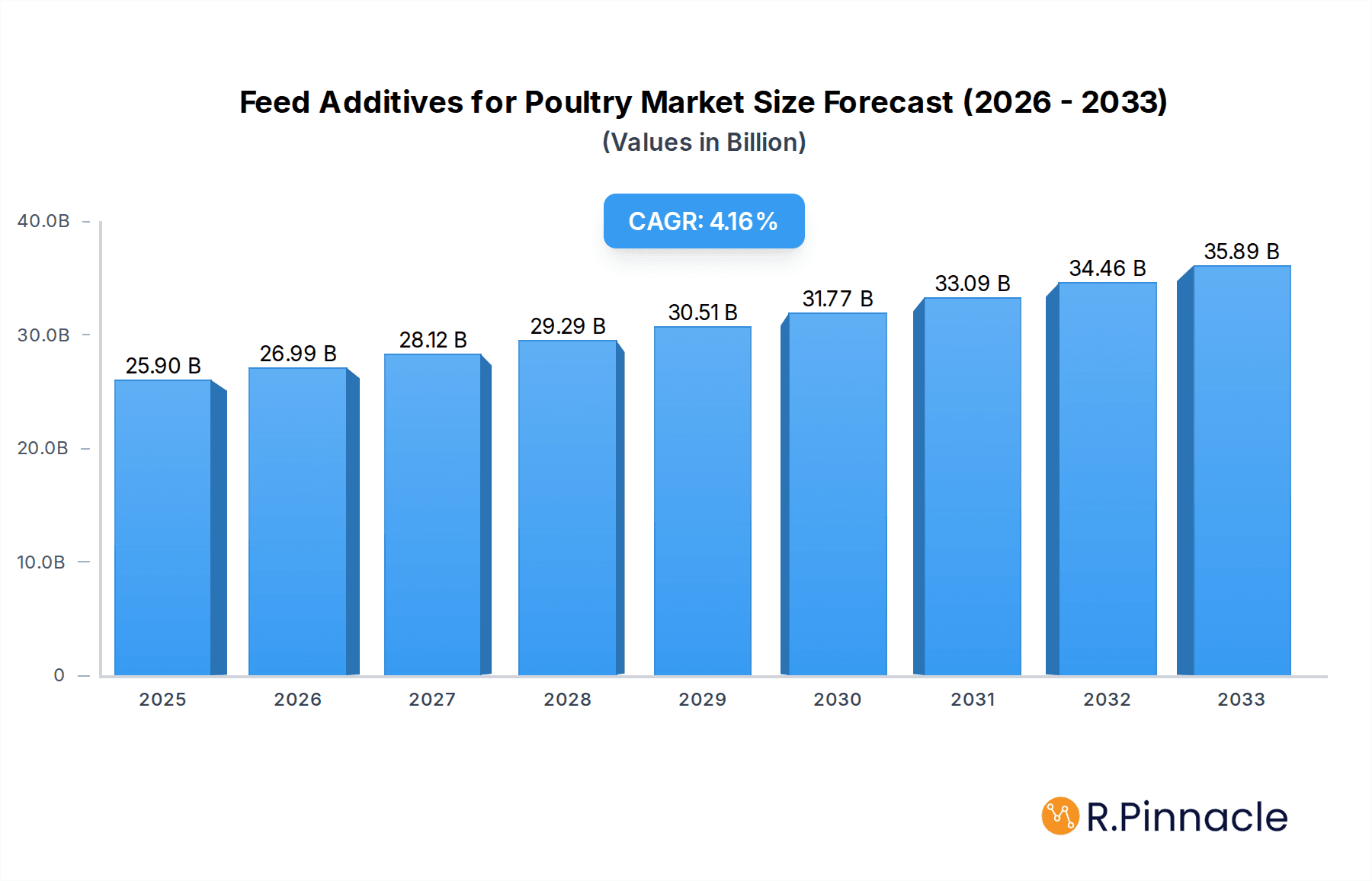
Feed Additives for Poultry Market Size (In Billion)

Key application segments, including Chicken, Turkey, and Ducks, are experiencing heightened demand due to their significant contribution to the global protein supply. Within the types of feed additives, a strong emphasis is observed on Antidioxidants, Free-flowing Agents, Pelleting Additives, Feeding Enzymes, Mold Inhibitors or Mycotoxin Binders, Coccidiostats, and Antibiotic Alternatives. The growing awareness regarding the detrimental effects of mycotoxins and the need for sustainable poultry farming practices are particularly fueling the growth of mycotoxin binders and antibiotic alternatives. Geographically, Asia Pacific is emerging as a significant growth hub, propelled by rapidly expanding poultry production in countries like China and India, coupled with increasing investments in advanced feed technologies. North America and Europe remain mature yet dynamic markets, characterized by a strong focus on premium feed additives and stringent quality standards.
Feed Additives for Poultry Company Market Share
Feed Additives for Poultry Market: Comprehensive Industry Analysis & Future Projections (2019-2033)
Unlock critical insights into the global Feed Additives for Poultry market with this in-depth report. Spanning the historical period of 2019–2024, the base year of 2025, and a robust forecast period from 2025–2033, this analysis provides a billion-dollar perspective on market structure, dynamics, innovations, and future opportunities. Designed for industry professionals, researchers, and investors, this report offers actionable intelligence to navigate the evolving landscape of poultry nutrition. The market is projected to reach $XXX billion by 2033, with a Compound Annual Growth Rate (CAGR) of XX.XX% from 2025 to 2033.
Feed Additives for Poultry Market Structure & Innovation Trends
The Feed Additives for Poultry market exhibits a moderately concentrated structure, with key players like Cargill, Evonik Industries, Chr. Hansen, Novus, DSM, BASF Nutrition, Alltech, Archer Daniels Midland, Charoen Popkhand Foods, ABF, Bentoli, and Centafarm SRL holding significant market shares. Innovation is a primary driver, fueled by the demand for enhanced animal health, improved feed efficiency, and the growing imperative for antibiotic alternatives. Regulatory frameworks, such as those governing food safety and animal welfare, significantly influence product development and market entry. Product substitutes, including various natural alternatives and optimized feed formulations, are increasingly impacting market dynamics. End-user demographics are diverse, ranging from large-scale integrated poultry producers to smaller independent farms, each with unique demands for feed additive solutions. Mergers and acquisitions (M&A) are crucial for consolidating market share and accessing new technologies. For instance, M&A deal values in the sector have reached an estimated $XX billion over the historical period, underscoring strategic consolidation efforts.
Feed Additives for Poultry Market Dynamics & Trends
The global Feed Additives for Poultry market is experiencing robust growth, propelled by several key dynamics and evolving trends. The increasing global demand for protein, particularly poultry meat, is a fundamental growth driver, necessitating higher production volumes and consequently, greater reliance on effective feed additives to optimize animal growth, health, and feed conversion ratios. Technological disruptions, such as advancements in biotechnology and precision nutrition, are revolutionizing the efficacy and application of feed additives. The development of novel enzymes that enhance nutrient digestibility, probiotics and prebiotics that improve gut health, and phytogenics offering antimicrobial and antioxidant benefits are at the forefront of these innovations. Consumer preferences are also playing an increasingly vital role, with a growing demand for antibiotic-free poultry products, driving the adoption of antibiotic alternatives like organic acids, essential oils, and bacteriophages. This shift is directly impacting the market penetration of various additive categories. Competitive dynamics are intensifying, with companies investing heavily in research and development to create differentiated products and secure market share. The market penetration of specialty feed additives, particularly those addressing gut health and immunity, has seen a significant rise, reaching an estimated XX% in the base year of 2025. The overall market CAGR is projected to be XX.XX% during the forecast period, reflecting sustained expansion.
Dominant Regions & Segments in Feed Additives for Poultry
The Chicken segment stands as the dominant application within the Feed Additives for Poultry market, driven by its status as the most widely consumed poultry species globally. This dominance is further amplified by the high volume of feed consumed by broiler and layer chickens. Key drivers for this segment's supremacy include established global production chains, consistent consumer demand for chicken products, and ongoing efforts by producers to improve efficiency and reduce production costs. Economic policies in major poultry-producing nations, such as subsidies and trade agreements, also play a critical role in bolstering chicken production and, consequently, the demand for feed additives. Infrastructure development supporting large-scale poultry farming further solidifies the chicken segment's leading position.
In terms of additive types, Feeding Enzymes are experiencing exceptional growth and significant market share. This is due to their proven ability to break down complex feed components, making nutrients more bioavailable, thereby improving feed conversion ratios and reducing environmental impact. The growing emphasis on sustainable and efficient animal agriculture directly fuels the demand for enzyme technologies.
Regionally, Asia-Pacific is emerging as the leading market for feed additives for poultry. This is attributed to the region's rapidly growing population, increasing disposable incomes, and a corresponding surge in demand for animal protein, especially poultry. Government initiatives promoting food security and modernizing agricultural practices also contribute significantly to the region's dominance. Countries like China, India, and Southeast Asian nations are major consumers, driving substantial market growth. Economic policies supporting livestock development and investments in advanced animal husbandry practices are key factors behind this regional leadership.
Feed Additives for Poultry Product Innovations
Product innovations in the Feed Additives for Poultry market are sharply focused on enhancing animal health, improving feed utilization, and meeting the escalating demand for antibiotic-free production. The development of novel probiotics and prebiotics targeting specific gut microbiota, advanced phytogenic compounds with potent antioxidant and anti-inflammatory properties, and next-generation enzymes capable of unlocking previously inaccessible nutrients are key trends. These innovations offer competitive advantages by improving bird performance, reducing mortality rates, and minimizing the environmental footprint of poultry farming, aligning with evolving consumer and regulatory expectations.
Report Scope & Segmentation Analysis
This report provides a granular segmentation of the Feed Additives for Poultry market across key applications, including Chicken, Turkey, Ducks, and Geese. The Chicken segment is expected to exhibit a CAGR of XX.XX% during the forecast period, driven by its widespread consumption and large-scale production. The Turkey segment, while smaller, is projected to grow at XX.XX% due to niche market demands and expanding culinary applications.
The market is also segmented by additive types: Antioxidants, Free-flowing Agents, Pelleting Additives, Feeding Enzymes, Mold Inhibitors or Mycotoxin Binders, Coccidiostats, Antibiotics, and Antibiotic Alternatives. The Feeding Enzymes segment is anticipated to lead growth with a CAGR of XX.XX%, propelled by efficiency gains. Antibiotic Alternatives are also expected to witness substantial expansion at XX.XX% CAGR, reflecting the global move towards reduced antibiotic usage.
Key Drivers of Feed Additives for Poultry Growth
Several key factors are driving the growth of the Feed Additives for Poultry market. Technological advancements in nutritional science and biotechnology are leading to the development of more effective and targeted additives, such as specialized enzymes, probiotics, and prebiotics, which improve feed conversion ratios and bird health. The escalating global demand for animal protein, particularly poultry meat, as a cost-effective and lean protein source, directly boosts the need for feed additives to optimize production. Furthermore, the growing consumer concern over antibiotic resistance and a subsequent shift towards antibiotic-free poultry production are compelling the adoption of antibiotic alternatives, thereby fueling market expansion. Regulatory mandates and government initiatives promoting food safety and sustainable agriculture also contribute to market growth by encouraging the use of specific additive types.
Challenges in the Feed Additives for Poultry Sector
Despite strong growth prospects, the Feed Additives for Poultry sector faces several challenges. Stringent and varying regulatory hurdles across different countries can impede market entry and product approvals, increasing compliance costs and timelines. Supply chain disruptions, exacerbated by geopolitical events and logistical complexities, can lead to price volatility and availability issues for raw materials and finished products. Intense competitive pressures from established players and emerging entrants can lead to price wars and necessitate continuous innovation to maintain market share. The high cost of research and development for novel feed additives can also be a significant barrier to entry for smaller companies, impacting the overall innovation landscape.
Emerging Opportunities in Feed Additives for Poultry
Emerging opportunities in the Feed Additives for Poultry market are largely driven by sustainability trends and advancements in animal health. The increasing global focus on reducing the environmental impact of livestock farming presents opportunities for feed additives that enhance nutrient digestibility, thereby reducing waste and greenhouse gas emissions. The growing consumer preference for clean-label and natural products is fueling demand for phytogenics, essential oils, and other naturally derived feed additives as alternatives to synthetic compounds. Technological advancements in gut health management, including personalized probiotic and prebiotic formulations, offer significant potential for improving disease prevention and reducing the need for antibiotics. Furthermore, the expansion of poultry production in emerging economies provides substantial untapped market potential for innovative feed additive solutions.
Leading Players in the Feed Additives for Poultry Market
- Cargill
- Evonik Industries
- Chr. Hansen
- Novus
- DSM
- BASF Nutrition
- Alltech
- Archer Daniels Midland
- Charoen Popkhand Foods
- ABF
- Bentoli
- Centafarm SRL
Key Developments in Feed Additives for Poultry Industry
- 2023 Q4: Launch of novel enzyme cocktail designed to enhance nutrient absorption in broiler chickens.
- 2023 Q3: Acquisition of a leading probiotic manufacturer by a major feed additive company to expand its gut health portfolio.
- 2022: Introduction of a new line of organic acid-based products as effective antibiotic alternatives for poultry.
- 2021: Significant investment in R&D for phytogenic feed additives, focusing on their immune-boosting properties.
- 2020: Expansion of production capacity for mycotoxin binders to meet rising demand in key Asian markets.
Future Outlook for Feed Additives for Poultry Market
The future outlook for the Feed Additives for Poultry market is exceptionally bright, driven by sustained global demand for poultry protein and a paradigm shift towards sustainable and antibiotic-free production. Innovations in areas such as gut microbiome modulation, precision nutrition, and the development of novel functional ingredients will continue to shape the market. Strategic partnerships, technological advancements in biotechnology, and increasing regulatory support for sustainable feed practices will further accelerate growth. The market is poised for substantial expansion, offering significant opportunities for companies that can deliver scientifically validated, cost-effective, and environmentally responsible feed additive solutions to meet the evolving needs of the global poultry industry.
Feed Additives for Poultry Segmentation
-
1. Application
- 1.1. Chicken
- 1.2. Turkey
- 1.3. Ducks
- 1.4. Geese
-
2. Types
- 2.1. Antioxidants
- 2.2. Free-flowing Agents
- 2.3. Pelleting Additives
- 2.4. Feeding Enzymes
- 2.5. Mold Inhibitors or Mycotoxin Binders
- 2.6. Coccidiostats
- 2.7. Antibiotics
- 2.8. Antibiotic Alternatives
Feed Additives for Poultry Segmentation By Geography
-
1. North America
- 1.1. United States
- 1.2. Canada
- 1.3. Mexico
-
2. South America
- 2.1. Brazil
- 2.2. Argentina
- 2.3. Rest of South America
-
3. Europe
- 3.1. United Kingdom
- 3.2. Germany
- 3.3. France
- 3.4. Italy
- 3.5. Spain
- 3.6. Russia
- 3.7. Benelux
- 3.8. Nordics
- 3.9. Rest of Europe
-
4. Middle East & Africa
- 4.1. Turkey
- 4.2. Israel
- 4.3. GCC
- 4.4. North Africa
- 4.5. South Africa
- 4.6. Rest of Middle East & Africa
-
5. Asia Pacific
- 5.1. China
- 5.2. India
- 5.3. Japan
- 5.4. South Korea
- 5.5. ASEAN
- 5.6. Oceania
- 5.7. Rest of Asia Pacific
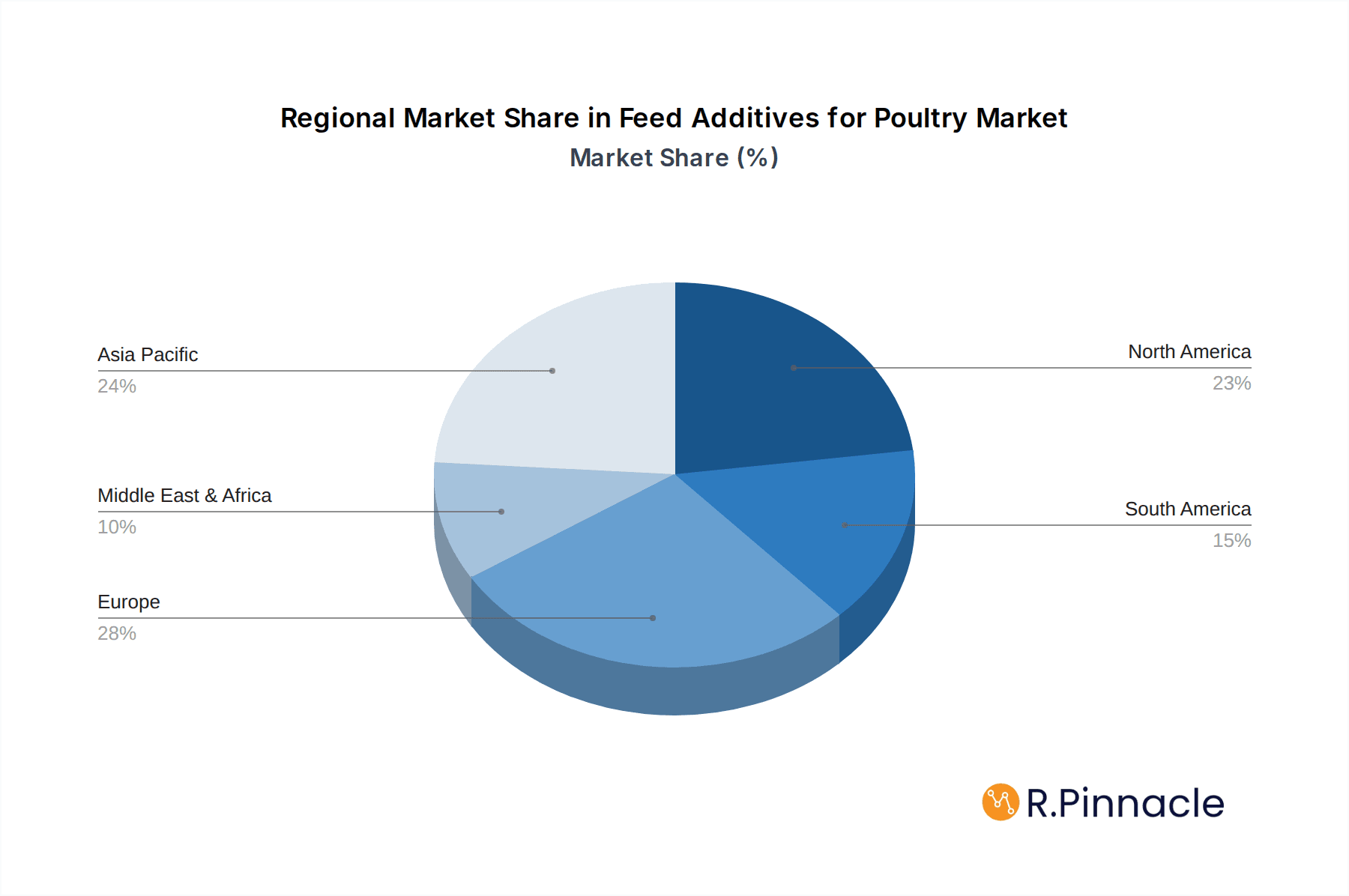
Feed Additives for Poultry Regional Market Share
Geographic Coverage of Feed Additives for Poultry
Feed Additives for Poultry REPORT HIGHLIGHTS
| Aspects | Details |
|---|---|
| Study Period | 2020-2034 |
| Base Year | 2025 |
| Estimated Year | 2026 |
| Forecast Period | 2026-2034 |
| Historical Period | 2020-2025 |
| Growth Rate | CAGR of 4.4% from 2020-2034 |
| Segmentation |
|
Table of Contents
- 1. Introduction
- 1.1. Research Scope
- 1.2. Market Segmentation
- 1.3. Research Methodology
- 1.4. Definitions and Assumptions
- 2. Executive Summary
- 2.1. Introduction
- 3. Market Dynamics
- 3.1. Introduction
- 3.2. Market Drivers
- 3.3. Market Restrains
- 3.4. Market Trends
- 4. Market Factor Analysis
- 4.1. Porters Five Forces
- 4.2. Supply/Value Chain
- 4.3. PESTEL analysis
- 4.4. Market Entropy
- 4.5. Patent/Trademark Analysis
- 5. Global Feed Additives for Poultry Analysis, Insights and Forecast, 2020-2032
- 5.1. Market Analysis, Insights and Forecast - by Application
- 5.1.1. Chicken
- 5.1.2. Turkey
- 5.1.3. Ducks
- 5.1.4. Geese
- 5.2. Market Analysis, Insights and Forecast - by Types
- 5.2.1. Antioxidants
- 5.2.2. Free-flowing Agents
- 5.2.3. Pelleting Additives
- 5.2.4. Feeding Enzymes
- 5.2.5. Mold Inhibitors or Mycotoxin Binders
- 5.2.6. Coccidiostats
- 5.2.7. Antibiotics
- 5.2.8. Antibiotic Alternatives
- 5.3. Market Analysis, Insights and Forecast - by Region
- 5.3.1. North America
- 5.3.2. South America
- 5.3.3. Europe
- 5.3.4. Middle East & Africa
- 5.3.5. Asia Pacific
- 5.1. Market Analysis, Insights and Forecast - by Application
- 6. North America Feed Additives for Poultry Analysis, Insights and Forecast, 2020-2032
- 6.1. Market Analysis, Insights and Forecast - by Application
- 6.1.1. Chicken
- 6.1.2. Turkey
- 6.1.3. Ducks
- 6.1.4. Geese
- 6.2. Market Analysis, Insights and Forecast - by Types
- 6.2.1. Antioxidants
- 6.2.2. Free-flowing Agents
- 6.2.3. Pelleting Additives
- 6.2.4. Feeding Enzymes
- 6.2.5. Mold Inhibitors or Mycotoxin Binders
- 6.2.6. Coccidiostats
- 6.2.7. Antibiotics
- 6.2.8. Antibiotic Alternatives
- 6.1. Market Analysis, Insights and Forecast - by Application
- 7. South America Feed Additives for Poultry Analysis, Insights and Forecast, 2020-2032
- 7.1. Market Analysis, Insights and Forecast - by Application
- 7.1.1. Chicken
- 7.1.2. Turkey
- 7.1.3. Ducks
- 7.1.4. Geese
- 7.2. Market Analysis, Insights and Forecast - by Types
- 7.2.1. Antioxidants
- 7.2.2. Free-flowing Agents
- 7.2.3. Pelleting Additives
- 7.2.4. Feeding Enzymes
- 7.2.5. Mold Inhibitors or Mycotoxin Binders
- 7.2.6. Coccidiostats
- 7.2.7. Antibiotics
- 7.2.8. Antibiotic Alternatives
- 7.1. Market Analysis, Insights and Forecast - by Application
- 8. Europe Feed Additives for Poultry Analysis, Insights and Forecast, 2020-2032
- 8.1. Market Analysis, Insights and Forecast - by Application
- 8.1.1. Chicken
- 8.1.2. Turkey
- 8.1.3. Ducks
- 8.1.4. Geese
- 8.2. Market Analysis, Insights and Forecast - by Types
- 8.2.1. Antioxidants
- 8.2.2. Free-flowing Agents
- 8.2.3. Pelleting Additives
- 8.2.4. Feeding Enzymes
- 8.2.5. Mold Inhibitors or Mycotoxin Binders
- 8.2.6. Coccidiostats
- 8.2.7. Antibiotics
- 8.2.8. Antibiotic Alternatives
- 8.1. Market Analysis, Insights and Forecast - by Application
- 9. Middle East & Africa Feed Additives for Poultry Analysis, Insights and Forecast, 2020-2032
- 9.1. Market Analysis, Insights and Forecast - by Application
- 9.1.1. Chicken
- 9.1.2. Turkey
- 9.1.3. Ducks
- 9.1.4. Geese
- 9.2. Market Analysis, Insights and Forecast - by Types
- 9.2.1. Antioxidants
- 9.2.2. Free-flowing Agents
- 9.2.3. Pelleting Additives
- 9.2.4. Feeding Enzymes
- 9.2.5. Mold Inhibitors or Mycotoxin Binders
- 9.2.6. Coccidiostats
- 9.2.7. Antibiotics
- 9.2.8. Antibiotic Alternatives
- 9.1. Market Analysis, Insights and Forecast - by Application
- 10. Asia Pacific Feed Additives for Poultry Analysis, Insights and Forecast, 2020-2032
- 10.1. Market Analysis, Insights and Forecast - by Application
- 10.1.1. Chicken
- 10.1.2. Turkey
- 10.1.3. Ducks
- 10.1.4. Geese
- 10.2. Market Analysis, Insights and Forecast - by Types
- 10.2.1. Antioxidants
- 10.2.2. Free-flowing Agents
- 10.2.3. Pelleting Additives
- 10.2.4. Feeding Enzymes
- 10.2.5. Mold Inhibitors or Mycotoxin Binders
- 10.2.6. Coccidiostats
- 10.2.7. Antibiotics
- 10.2.8. Antibiotic Alternatives
- 10.1. Market Analysis, Insights and Forecast - by Application
- 11. Competitive Analysis
- 11.1. Global Market Share Analysis 2025
- 11.2. Company Profiles
- 11.2.1 Cargill
- 11.2.1.1. Overview
- 11.2.1.2. Products
- 11.2.1.3. SWOT Analysis
- 11.2.1.4. Recent Developments
- 11.2.1.5. Financials (Based on Availability)
- 11.2.2 Evonik Industries
- 11.2.2.1. Overview
- 11.2.2.2. Products
- 11.2.2.3. SWOT Analysis
- 11.2.2.4. Recent Developments
- 11.2.2.5. Financials (Based on Availability)
- 11.2.3 Chr. Hansen
- 11.2.3.1. Overview
- 11.2.3.2. Products
- 11.2.3.3. SWOT Analysis
- 11.2.3.4. Recent Developments
- 11.2.3.5. Financials (Based on Availability)
- 11.2.4 Novus
- 11.2.4.1. Overview
- 11.2.4.2. Products
- 11.2.4.3. SWOT Analysis
- 11.2.4.4. Recent Developments
- 11.2.4.5. Financials (Based on Availability)
- 11.2.5 DSM
- 11.2.5.1. Overview
- 11.2.5.2. Products
- 11.2.5.3. SWOT Analysis
- 11.2.5.4. Recent Developments
- 11.2.5.5. Financials (Based on Availability)
- 11.2.6 BASF Nutrition
- 11.2.6.1. Overview
- 11.2.6.2. Products
- 11.2.6.3. SWOT Analysis
- 11.2.6.4. Recent Developments
- 11.2.6.5. Financials (Based on Availability)
- 11.2.7 Alltech
- 11.2.7.1. Overview
- 11.2.7.2. Products
- 11.2.7.3. SWOT Analysis
- 11.2.7.4. Recent Developments
- 11.2.7.5. Financials (Based on Availability)
- 11.2.8 Archer Daniels Midland
- 11.2.8.1. Overview
- 11.2.8.2. Products
- 11.2.8.3. SWOT Analysis
- 11.2.8.4. Recent Developments
- 11.2.8.5. Financials (Based on Availability)
- 11.2.9 Charoen Popkhand Foods
- 11.2.9.1. Overview
- 11.2.9.2. Products
- 11.2.9.3. SWOT Analysis
- 11.2.9.4. Recent Developments
- 11.2.9.5. Financials (Based on Availability)
- 11.2.10 ABF
- 11.2.10.1. Overview
- 11.2.10.2. Products
- 11.2.10.3. SWOT Analysis
- 11.2.10.4. Recent Developments
- 11.2.10.5. Financials (Based on Availability)
- 11.2.11 Bentoli
- 11.2.11.1. Overview
- 11.2.11.2. Products
- 11.2.11.3. SWOT Analysis
- 11.2.11.4. Recent Developments
- 11.2.11.5. Financials (Based on Availability)
- 11.2.12 Centafarm SRL
- 11.2.12.1. Overview
- 11.2.12.2. Products
- 11.2.12.3. SWOT Analysis
- 11.2.12.4. Recent Developments
- 11.2.12.5. Financials (Based on Availability)
- 11.2.1 Cargill
List of Figures
- Figure 1: Global Feed Additives for Poultry Revenue Breakdown (billion, %) by Region 2025 & 2033
- Figure 2: Global Feed Additives for Poultry Volume Breakdown (K, %) by Region 2025 & 2033
- Figure 3: North America Feed Additives for Poultry Revenue (billion), by Application 2025 & 2033
- Figure 4: North America Feed Additives for Poultry Volume (K), by Application 2025 & 2033
- Figure 5: North America Feed Additives for Poultry Revenue Share (%), by Application 2025 & 2033
- Figure 6: North America Feed Additives for Poultry Volume Share (%), by Application 2025 & 2033
- Figure 7: North America Feed Additives for Poultry Revenue (billion), by Types 2025 & 2033
- Figure 8: North America Feed Additives for Poultry Volume (K), by Types 2025 & 2033
- Figure 9: North America Feed Additives for Poultry Revenue Share (%), by Types 2025 & 2033
- Figure 10: North America Feed Additives for Poultry Volume Share (%), by Types 2025 & 2033
- Figure 11: North America Feed Additives for Poultry Revenue (billion), by Country 2025 & 2033
- Figure 12: North America Feed Additives for Poultry Volume (K), by Country 2025 & 2033
- Figure 13: North America Feed Additives for Poultry Revenue Share (%), by Country 2025 & 2033
- Figure 14: North America Feed Additives for Poultry Volume Share (%), by Country 2025 & 2033
- Figure 15: South America Feed Additives for Poultry Revenue (billion), by Application 2025 & 2033
- Figure 16: South America Feed Additives for Poultry Volume (K), by Application 2025 & 2033
- Figure 17: South America Feed Additives for Poultry Revenue Share (%), by Application 2025 & 2033
- Figure 18: South America Feed Additives for Poultry Volume Share (%), by Application 2025 & 2033
- Figure 19: South America Feed Additives for Poultry Revenue (billion), by Types 2025 & 2033
- Figure 20: South America Feed Additives for Poultry Volume (K), by Types 2025 & 2033
- Figure 21: South America Feed Additives for Poultry Revenue Share (%), by Types 2025 & 2033
- Figure 22: South America Feed Additives for Poultry Volume Share (%), by Types 2025 & 2033
- Figure 23: South America Feed Additives for Poultry Revenue (billion), by Country 2025 & 2033
- Figure 24: South America Feed Additives for Poultry Volume (K), by Country 2025 & 2033
- Figure 25: South America Feed Additives for Poultry Revenue Share (%), by Country 2025 & 2033
- Figure 26: South America Feed Additives for Poultry Volume Share (%), by Country 2025 & 2033
- Figure 27: Europe Feed Additives for Poultry Revenue (billion), by Application 2025 & 2033
- Figure 28: Europe Feed Additives for Poultry Volume (K), by Application 2025 & 2033
- Figure 29: Europe Feed Additives for Poultry Revenue Share (%), by Application 2025 & 2033
- Figure 30: Europe Feed Additives for Poultry Volume Share (%), by Application 2025 & 2033
- Figure 31: Europe Feed Additives for Poultry Revenue (billion), by Types 2025 & 2033
- Figure 32: Europe Feed Additives for Poultry Volume (K), by Types 2025 & 2033
- Figure 33: Europe Feed Additives for Poultry Revenue Share (%), by Types 2025 & 2033
- Figure 34: Europe Feed Additives for Poultry Volume Share (%), by Types 2025 & 2033
- Figure 35: Europe Feed Additives for Poultry Revenue (billion), by Country 2025 & 2033
- Figure 36: Europe Feed Additives for Poultry Volume (K), by Country 2025 & 2033
- Figure 37: Europe Feed Additives for Poultry Revenue Share (%), by Country 2025 & 2033
- Figure 38: Europe Feed Additives for Poultry Volume Share (%), by Country 2025 & 2033
- Figure 39: Middle East & Africa Feed Additives for Poultry Revenue (billion), by Application 2025 & 2033
- Figure 40: Middle East & Africa Feed Additives for Poultry Volume (K), by Application 2025 & 2033
- Figure 41: Middle East & Africa Feed Additives for Poultry Revenue Share (%), by Application 2025 & 2033
- Figure 42: Middle East & Africa Feed Additives for Poultry Volume Share (%), by Application 2025 & 2033
- Figure 43: Middle East & Africa Feed Additives for Poultry Revenue (billion), by Types 2025 & 2033
- Figure 44: Middle East & Africa Feed Additives for Poultry Volume (K), by Types 2025 & 2033
- Figure 45: Middle East & Africa Feed Additives for Poultry Revenue Share (%), by Types 2025 & 2033
- Figure 46: Middle East & Africa Feed Additives for Poultry Volume Share (%), by Types 2025 & 2033
- Figure 47: Middle East & Africa Feed Additives for Poultry Revenue (billion), by Country 2025 & 2033
- Figure 48: Middle East & Africa Feed Additives for Poultry Volume (K), by Country 2025 & 2033
- Figure 49: Middle East & Africa Feed Additives for Poultry Revenue Share (%), by Country 2025 & 2033
- Figure 50: Middle East & Africa Feed Additives for Poultry Volume Share (%), by Country 2025 & 2033
- Figure 51: Asia Pacific Feed Additives for Poultry Revenue (billion), by Application 2025 & 2033
- Figure 52: Asia Pacific Feed Additives for Poultry Volume (K), by Application 2025 & 2033
- Figure 53: Asia Pacific Feed Additives for Poultry Revenue Share (%), by Application 2025 & 2033
- Figure 54: Asia Pacific Feed Additives for Poultry Volume Share (%), by Application 2025 & 2033
- Figure 55: Asia Pacific Feed Additives for Poultry Revenue (billion), by Types 2025 & 2033
- Figure 56: Asia Pacific Feed Additives for Poultry Volume (K), by Types 2025 & 2033
- Figure 57: Asia Pacific Feed Additives for Poultry Revenue Share (%), by Types 2025 & 2033
- Figure 58: Asia Pacific Feed Additives for Poultry Volume Share (%), by Types 2025 & 2033
- Figure 59: Asia Pacific Feed Additives for Poultry Revenue (billion), by Country 2025 & 2033
- Figure 60: Asia Pacific Feed Additives for Poultry Volume (K), by Country 2025 & 2033
- Figure 61: Asia Pacific Feed Additives for Poultry Revenue Share (%), by Country 2025 & 2033
- Figure 62: Asia Pacific Feed Additives for Poultry Volume Share (%), by Country 2025 & 2033
List of Tables
- Table 1: Global Feed Additives for Poultry Revenue billion Forecast, by Application 2020 & 2033
- Table 2: Global Feed Additives for Poultry Volume K Forecast, by Application 2020 & 2033
- Table 3: Global Feed Additives for Poultry Revenue billion Forecast, by Types 2020 & 2033
- Table 4: Global Feed Additives for Poultry Volume K Forecast, by Types 2020 & 2033
- Table 5: Global Feed Additives for Poultry Revenue billion Forecast, by Region 2020 & 2033
- Table 6: Global Feed Additives for Poultry Volume K Forecast, by Region 2020 & 2033
- Table 7: Global Feed Additives for Poultry Revenue billion Forecast, by Application 2020 & 2033
- Table 8: Global Feed Additives for Poultry Volume K Forecast, by Application 2020 & 2033
- Table 9: Global Feed Additives for Poultry Revenue billion Forecast, by Types 2020 & 2033
- Table 10: Global Feed Additives for Poultry Volume K Forecast, by Types 2020 & 2033
- Table 11: Global Feed Additives for Poultry Revenue billion Forecast, by Country 2020 & 2033
- Table 12: Global Feed Additives for Poultry Volume K Forecast, by Country 2020 & 2033
- Table 13: United States Feed Additives for Poultry Revenue (billion) Forecast, by Application 2020 & 2033
- Table 14: United States Feed Additives for Poultry Volume (K) Forecast, by Application 2020 & 2033
- Table 15: Canada Feed Additives for Poultry Revenue (billion) Forecast, by Application 2020 & 2033
- Table 16: Canada Feed Additives for Poultry Volume (K) Forecast, by Application 2020 & 2033
- Table 17: Mexico Feed Additives for Poultry Revenue (billion) Forecast, by Application 2020 & 2033
- Table 18: Mexico Feed Additives for Poultry Volume (K) Forecast, by Application 2020 & 2033
- Table 19: Global Feed Additives for Poultry Revenue billion Forecast, by Application 2020 & 2033
- Table 20: Global Feed Additives for Poultry Volume K Forecast, by Application 2020 & 2033
- Table 21: Global Feed Additives for Poultry Revenue billion Forecast, by Types 2020 & 2033
- Table 22: Global Feed Additives for Poultry Volume K Forecast, by Types 2020 & 2033
- Table 23: Global Feed Additives for Poultry Revenue billion Forecast, by Country 2020 & 2033
- Table 24: Global Feed Additives for Poultry Volume K Forecast, by Country 2020 & 2033
- Table 25: Brazil Feed Additives for Poultry Revenue (billion) Forecast, by Application 2020 & 2033
- Table 26: Brazil Feed Additives for Poultry Volume (K) Forecast, by Application 2020 & 2033
- Table 27: Argentina Feed Additives for Poultry Revenue (billion) Forecast, by Application 2020 & 2033
- Table 28: Argentina Feed Additives for Poultry Volume (K) Forecast, by Application 2020 & 2033
- Table 29: Rest of South America Feed Additives for Poultry Revenue (billion) Forecast, by Application 2020 & 2033
- Table 30: Rest of South America Feed Additives for Poultry Volume (K) Forecast, by Application 2020 & 2033
- Table 31: Global Feed Additives for Poultry Revenue billion Forecast, by Application 2020 & 2033
- Table 32: Global Feed Additives for Poultry Volume K Forecast, by Application 2020 & 2033
- Table 33: Global Feed Additives for Poultry Revenue billion Forecast, by Types 2020 & 2033
- Table 34: Global Feed Additives for Poultry Volume K Forecast, by Types 2020 & 2033
- Table 35: Global Feed Additives for Poultry Revenue billion Forecast, by Country 2020 & 2033
- Table 36: Global Feed Additives for Poultry Volume K Forecast, by Country 2020 & 2033
- Table 37: United Kingdom Feed Additives for Poultry Revenue (billion) Forecast, by Application 2020 & 2033
- Table 38: United Kingdom Feed Additives for Poultry Volume (K) Forecast, by Application 2020 & 2033
- Table 39: Germany Feed Additives for Poultry Revenue (billion) Forecast, by Application 2020 & 2033
- Table 40: Germany Feed Additives for Poultry Volume (K) Forecast, by Application 2020 & 2033
- Table 41: France Feed Additives for Poultry Revenue (billion) Forecast, by Application 2020 & 2033
- Table 42: France Feed Additives for Poultry Volume (K) Forecast, by Application 2020 & 2033
- Table 43: Italy Feed Additives for Poultry Revenue (billion) Forecast, by Application 2020 & 2033
- Table 44: Italy Feed Additives for Poultry Volume (K) Forecast, by Application 2020 & 2033
- Table 45: Spain Feed Additives for Poultry Revenue (billion) Forecast, by Application 2020 & 2033
- Table 46: Spain Feed Additives for Poultry Volume (K) Forecast, by Application 2020 & 2033
- Table 47: Russia Feed Additives for Poultry Revenue (billion) Forecast, by Application 2020 & 2033
- Table 48: Russia Feed Additives for Poultry Volume (K) Forecast, by Application 2020 & 2033
- Table 49: Benelux Feed Additives for Poultry Revenue (billion) Forecast, by Application 2020 & 2033
- Table 50: Benelux Feed Additives for Poultry Volume (K) Forecast, by Application 2020 & 2033
- Table 51: Nordics Feed Additives for Poultry Revenue (billion) Forecast, by Application 2020 & 2033
- Table 52: Nordics Feed Additives for Poultry Volume (K) Forecast, by Application 2020 & 2033
- Table 53: Rest of Europe Feed Additives for Poultry Revenue (billion) Forecast, by Application 2020 & 2033
- Table 54: Rest of Europe Feed Additives for Poultry Volume (K) Forecast, by Application 2020 & 2033
- Table 55: Global Feed Additives for Poultry Revenue billion Forecast, by Application 2020 & 2033
- Table 56: Global Feed Additives for Poultry Volume K Forecast, by Application 2020 & 2033
- Table 57: Global Feed Additives for Poultry Revenue billion Forecast, by Types 2020 & 2033
- Table 58: Global Feed Additives for Poultry Volume K Forecast, by Types 2020 & 2033
- Table 59: Global Feed Additives for Poultry Revenue billion Forecast, by Country 2020 & 2033
- Table 60: Global Feed Additives for Poultry Volume K Forecast, by Country 2020 & 2033
- Table 61: Turkey Feed Additives for Poultry Revenue (billion) Forecast, by Application 2020 & 2033
- Table 62: Turkey Feed Additives for Poultry Volume (K) Forecast, by Application 2020 & 2033
- Table 63: Israel Feed Additives for Poultry Revenue (billion) Forecast, by Application 2020 & 2033
- Table 64: Israel Feed Additives for Poultry Volume (K) Forecast, by Application 2020 & 2033
- Table 65: GCC Feed Additives for Poultry Revenue (billion) Forecast, by Application 2020 & 2033
- Table 66: GCC Feed Additives for Poultry Volume (K) Forecast, by Application 2020 & 2033
- Table 67: North Africa Feed Additives for Poultry Revenue (billion) Forecast, by Application 2020 & 2033
- Table 68: North Africa Feed Additives for Poultry Volume (K) Forecast, by Application 2020 & 2033
- Table 69: South Africa Feed Additives for Poultry Revenue (billion) Forecast, by Application 2020 & 2033
- Table 70: South Africa Feed Additives for Poultry Volume (K) Forecast, by Application 2020 & 2033
- Table 71: Rest of Middle East & Africa Feed Additives for Poultry Revenue (billion) Forecast, by Application 2020 & 2033
- Table 72: Rest of Middle East & Africa Feed Additives for Poultry Volume (K) Forecast, by Application 2020 & 2033
- Table 73: Global Feed Additives for Poultry Revenue billion Forecast, by Application 2020 & 2033
- Table 74: Global Feed Additives for Poultry Volume K Forecast, by Application 2020 & 2033
- Table 75: Global Feed Additives for Poultry Revenue billion Forecast, by Types 2020 & 2033
- Table 76: Global Feed Additives for Poultry Volume K Forecast, by Types 2020 & 2033
- Table 77: Global Feed Additives for Poultry Revenue billion Forecast, by Country 2020 & 2033
- Table 78: Global Feed Additives for Poultry Volume K Forecast, by Country 2020 & 2033
- Table 79: China Feed Additives for Poultry Revenue (billion) Forecast, by Application 2020 & 2033
- Table 80: China Feed Additives for Poultry Volume (K) Forecast, by Application 2020 & 2033
- Table 81: India Feed Additives for Poultry Revenue (billion) Forecast, by Application 2020 & 2033
- Table 82: India Feed Additives for Poultry Volume (K) Forecast, by Application 2020 & 2033
- Table 83: Japan Feed Additives for Poultry Revenue (billion) Forecast, by Application 2020 & 2033
- Table 84: Japan Feed Additives for Poultry Volume (K) Forecast, by Application 2020 & 2033
- Table 85: South Korea Feed Additives for Poultry Revenue (billion) Forecast, by Application 2020 & 2033
- Table 86: South Korea Feed Additives for Poultry Volume (K) Forecast, by Application 2020 & 2033
- Table 87: ASEAN Feed Additives for Poultry Revenue (billion) Forecast, by Application 2020 & 2033
- Table 88: ASEAN Feed Additives for Poultry Volume (K) Forecast, by Application 2020 & 2033
- Table 89: Oceania Feed Additives for Poultry Revenue (billion) Forecast, by Application 2020 & 2033
- Table 90: Oceania Feed Additives for Poultry Volume (K) Forecast, by Application 2020 & 2033
- Table 91: Rest of Asia Pacific Feed Additives for Poultry Revenue (billion) Forecast, by Application 2020 & 2033
- Table 92: Rest of Asia Pacific Feed Additives for Poultry Volume (K) Forecast, by Application 2020 & 2033
Frequently Asked Questions
1. What is the projected Compound Annual Growth Rate (CAGR) of the Feed Additives for Poultry?
The projected CAGR is approximately 4.4%.
2. Which companies are prominent players in the Feed Additives for Poultry?
Key companies in the market include Cargill, Evonik Industries, Chr. Hansen, Novus, DSM, BASF Nutrition, Alltech, Archer Daniels Midland, Charoen Popkhand Foods, ABF, Bentoli, Centafarm SRL.
3. What are the main segments of the Feed Additives for Poultry?
The market segments include Application, Types.
4. Can you provide details about the market size?
The market size is estimated to be USD 25.9 billion as of 2022.
5. What are some drivers contributing to market growth?
N/A
6. What are the notable trends driving market growth?
N/A
7. Are there any restraints impacting market growth?
N/A
8. Can you provide examples of recent developments in the market?
N/A
9. What pricing options are available for accessing the report?
Pricing options include single-user, multi-user, and enterprise licenses priced at USD 3350.00, USD 5025.00, and USD 6700.00 respectively.
10. Is the market size provided in terms of value or volume?
The market size is provided in terms of value, measured in billion and volume, measured in K.
11. Are there any specific market keywords associated with the report?
Yes, the market keyword associated with the report is "Feed Additives for Poultry," which aids in identifying and referencing the specific market segment covered.
12. How do I determine which pricing option suits my needs best?
The pricing options vary based on user requirements and access needs. Individual users may opt for single-user licenses, while businesses requiring broader access may choose multi-user or enterprise licenses for cost-effective access to the report.
13. Are there any additional resources or data provided in the Feed Additives for Poultry report?
While the report offers comprehensive insights, it's advisable to review the specific contents or supplementary materials provided to ascertain if additional resources or data are available.
14. How can I stay updated on further developments or reports in the Feed Additives for Poultry?
To stay informed about further developments, trends, and reports in the Feed Additives for Poultry, consider subscribing to industry newsletters, following relevant companies and organizations, or regularly checking reputable industry news sources and publications.
Methodology
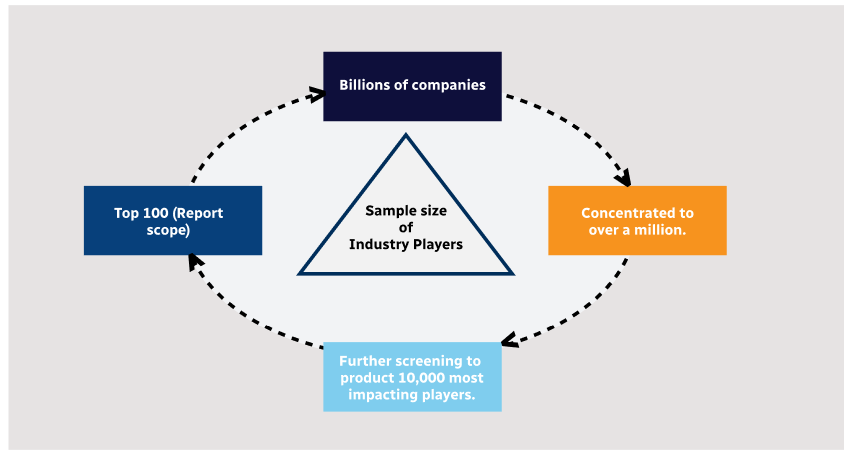
Step 1 - Identification of Relevant Samples Size from Population Database

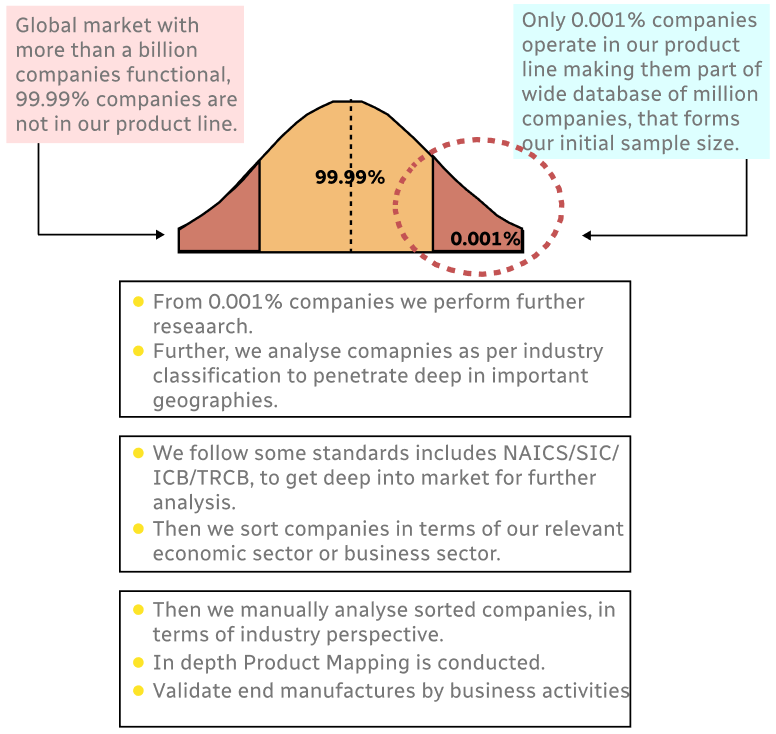
Step 2 - Approaches for Defining Global Market Size (Value, Volume* & Price*)
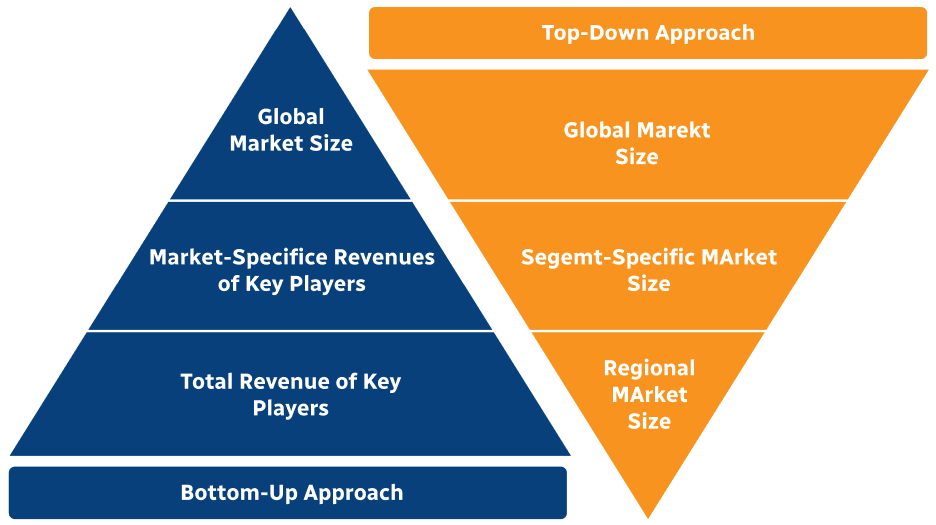
Note*: In applicable scenarios
Step 3 - Data Sources
Primary Research
- Web Analytics
- Survey Reports
- Research Institute
- Latest Research Reports
- Opinion Leaders
Secondary Research
- Annual Reports
- White Paper
- Latest Press Release
- Industry Association
- Paid Database
- Investor Presentations
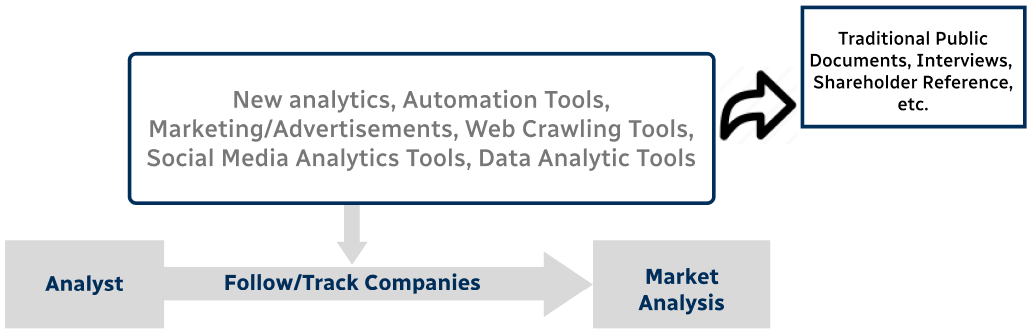
Step 4 - Data Triangulation
Involves using different sources of information in order to increase the validity of a study
These sources are likely to be stakeholders in a program - participants, other researchers, program staff, other community members, and so on.
Then we put all data in single framework & apply various statistical tools to find out the dynamic on the market.
During the analysis stage, feedback from the stakeholder groups would be compared to determine areas of agreement as well as areas of divergence