


Key Insights
The global market for transforming thermoplastics into fuel is poised for remarkable expansion, driven by an increasing imperative to manage plastic waste and secure sustainable energy sources. The market is projected to reach an estimated $516 million by 2025, showcasing a robust compound annual growth rate (CAGR) of 22.3% during the forecast period. This significant growth is fueled by a confluence of factors, including stringent environmental regulations aimed at reducing landfill waste, rising consumer demand for eco-friendly solutions, and advancements in pyrolysis and depolymerization technologies that enhance conversion efficiency. The urgent need to address the escalating plastic pollution crisis, coupled with the economic viability of converting waste plastics into valuable fuels like diesel and hydrogen, positions this market as a critical component of the circular economy. Key applications such as crude oil, sulfur, and hydrogen are witnessing substantial uptake, reflecting the versatility of these innovative conversion processes.
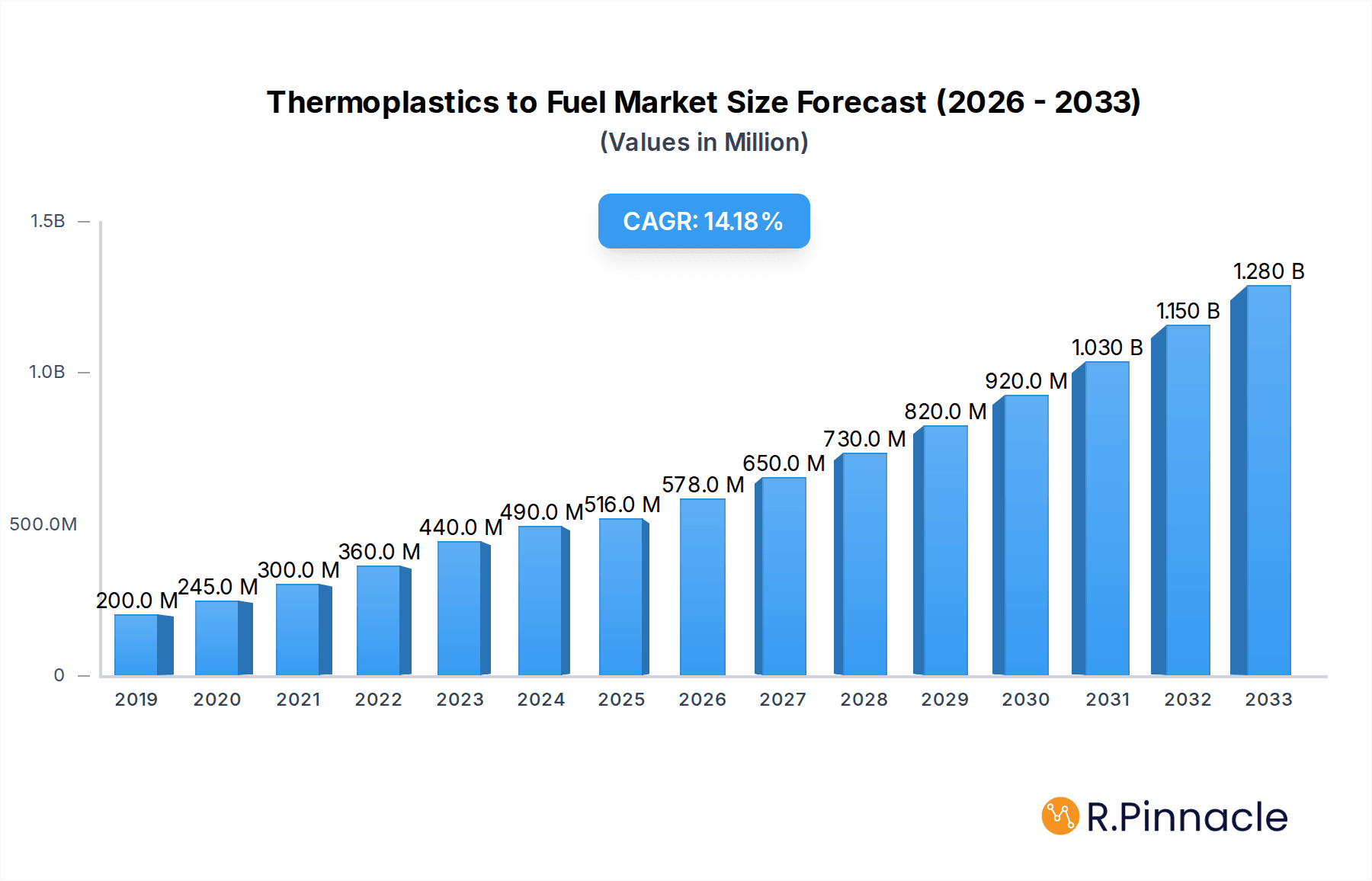
Thermoplastics to Fuel Market Size (In Million)

Geographically, North America and Europe are leading the charge in adopting these advanced recycling technologies, owing to supportive government policies and a strong focus on sustainability. The Asia Pacific region is also emerging as a significant growth engine, driven by rapid industrialization and a burgeoning population that contributes to substantial plastic waste generation. While the market is predominantly characterized by a few key players, the growing number of emerging companies and increasing investment in research and development signal a dynamic and competitive landscape. Challenges such as the high initial investment costs for advanced pyrolysis and depolymerization facilities, along with the need for standardized collection and sorting infrastructure for diverse plastic types, are being actively addressed through technological innovation and strategic partnerships. The future trajectory of this market is intrinsically linked to global efforts in waste management and the transition towards a low-carbon economy, making it a critical area for investment and innovation in the coming years.

Thermoplastics to Fuel Company Market Share
Unlock the immense potential of plastic waste transformation! This in-depth report, "Thermoplastics to Fuel: A Transformative Energy Market," provides unparalleled insights into the burgeoning market for converting thermoplastic waste into valuable fuels and chemical feedstocks. Designed for industry leaders, investors, and innovators, this report offers a data-driven analysis of market dynamics, technological advancements, and strategic opportunities across the global Thermoplastics to Fuel landscape. Dive deep into the market structure, understand dominant players, and gain actionable intelligence to navigate this rapidly evolving sector.
Thermoplastics to Fuel Market Structure & Innovation Trends
The Thermoplastics to Fuel market exhibits a dynamic and evolving structure, characterized by increasing innovation driven by environmental regulations and the demand for sustainable energy solutions. Market concentration is moderately fragmented, with key players like Vadaxx Energy, Plastic2Oil, RES Polyflow, Green Envirotech Holdings LLC, Agilyx Corporation, Quantafuel AS, JBI Inc., Envion, Shangqiu Sihai Machinery Equipment Manufacturing Co.,Ltd., Beston (Henan) Machinery Co,Ltd., and Zhangzhou Qiyu Renewable Energy Technology Co.,Ltd. actively shaping the competitive landscape. Innovation drivers are primarily focused on improving conversion efficiencies, enhancing the quality of derived fuels, and reducing the environmental footprint of the processes. Regulatory frameworks worldwide are increasingly favorable, incentivizing plastic recycling and waste-to-energy initiatives, thereby bolstering market growth. Product substitutes, such as virgin fossil fuels, face increasing competition from these sustainable alternatives. End-user demographics are diverse, encompassing energy companies, chemical manufacturers, and waste management organizations seeking to diversify their energy portfolios and achieve circular economy objectives. Mergers and acquisitions (M&A) activity is on the rise, with estimated deal values in the hundreds of millions, signaling significant consolidation and strategic partnerships aimed at scaling up operations and technological integration.
Thermoplastics to Fuel Market Dynamics & Trends
The global Thermoplastics to Fuel market is experiencing robust expansion, propelled by a confluence of powerful growth drivers, technological disruptions, evolving consumer preferences, and intensified competitive dynamics. The Compound Annual Growth Rate (CAGR) is projected to be in the double digits over the forecast period. A primary catalyst for this growth is the escalating global plastic waste crisis, coupled with a growing societal and governmental imperative for sustainable waste management and energy generation. Technological advancements, particularly in pyrolysis, depolymerization, gasification, and liquefaction processes, are continuously enhancing conversion efficiencies and the quality of output fuels, making these solutions increasingly economically viable and environmentally attractive. Consumer preferences are shifting towards environmentally conscious products and energy sources, creating a strong pull for fuels derived from recycled plastics. This demand is further amplified by corporate sustainability goals and the pursuit of a circular economy. Competitive dynamics are intensifying as established energy players and innovative startups vie for market share. Companies are investing heavily in research and development to optimize processes, reduce operational costs, and expand capacity. The market penetration of Thermoplastics to Fuel technologies is steadily increasing as pilot projects scale into commercial operations, demonstrating the feasibility and profitability of these innovative solutions. The growing awareness of the environmental and economic benefits of transforming plastic waste into valuable resources is a significant trend that will continue to shape the market's trajectory.
Dominant Regions & Segments in Thermoplastics to Fuel
Application Dominance:
- Crude Oil: The demand for crude oil as a primary output from Thermoplastics to Fuel processes is substantial. Regions with significant refining infrastructure and a strong reliance on fossil fuels, such as North America and Europe, are leading in the adoption of technologies that produce crude oil. Economic policies promoting domestic energy production and reducing reliance on imported crude oil further fuel this dominance.
- Diesel: As a widely used fuel in transportation and industry, diesel derived from Thermoplastics to Fuel holds significant market sway. Countries with substantial diesel consumption and a focus on cleaner fuel alternatives, like Germany and the United States, are pivotal. Favorable regulations on low-sulfur diesel and mandates for renewable fuel content provide strong growth impetus.
- Hydrogen: Emerging as a critical clean energy carrier, hydrogen produced from plastic waste is gaining traction. While still in its nascent stages of large-scale application, regions with aggressive decarbonization targets and investments in hydrogen infrastructure, such as Japan and parts of Europe, are expected to witness rapid growth. Government initiatives supporting green hydrogen production are key drivers.
- Others (e.g., Syngas, Chemicals): The versatility of Thermoplastics to Fuel technologies extends to producing valuable syngas and chemical feedstocks. Regions with strong industrial manufacturing bases and chemical industries, like China and South Korea, are showing significant interest. Government support for developing domestic chemical supply chains and reducing import dependency contributes to the growth of this segment.
Type Dominance:
- Pyrolysis: Pyrolysis currently dominates the Thermoplastics to Fuel market due to its maturity and scalability. Regions with established waste management infrastructure and a high volume of plastic waste, including North America and Europe, are at the forefront. Technological advancements have significantly improved the efficiency and output quality of pyrolysis systems, making them economically attractive for large-scale operations.
- Depolymerization: Depolymerization technologies are rapidly gaining prominence, especially for specific types of plastics, offering higher-value chemical outputs. Countries with advanced chemical industries and a focus on feedstock recycling, such as Germany and France, are leading in the adoption and development of these processes. Growing demand for recycled plastic precursors in the chemical sector is a major driver.
- Gasification: Gasification is emerging as a viable technology for producing syngas, which can then be converted into fuels or chemicals. Regions with existing syngas infrastructure and a need for diverse energy sources, like China, are investing in gasification projects. Government support for waste-to-energy initiatives and industrial decarbonization is a significant factor.
- Liquefaction: While less prevalent than pyrolysis, liquefaction offers direct conversion into liquid fuels. Regions with a strong demand for liquid fuels and a drive for energy independence, such as parts of Southeast Asia and South America, are exploring these technologies. Ongoing research and development are focused on improving the cost-effectiveness and energy yields of liquefaction processes.
Thermoplastics to Fuel Product Innovations
Recent product innovations in the Thermoplastics to Fuel sector are significantly enhancing efficiency and expanding application possibilities. Companies are developing advanced catalysts for pyrolysis and depolymerization, leading to higher yields of valuable fuels like diesel and naphtha, as well as chemical feedstocks. Novel reactor designs are improving energy recovery and reducing emissions. The development of integrated systems that can process mixed plastic waste with greater efficacy represents a significant competitive advantage. These innovations cater to the growing demand for sustainable energy solutions and contribute to a more circular economy by transforming low-value plastic waste into high-value products.
Report Scope & Segmentation Analysis
This report meticulously segments the Thermoplastics to Fuel market across key applications and technology types. The Application segments analyzed include Crude Oil, Sulfur, Diesel, Hydrogen, and Others, each offering distinct market opportunities and growth trajectories. The Type segments encompass Pyrolysis, Depolymerization, Gasification, and Liquefaction technologies, providing a granular view of their individual market sizes, growth projections, and competitive dynamics. Projections indicate strong growth across all segments, with significant investment expected in technologies producing Diesel and Hydrogen. The competitive landscape within each segment is characterized by a mix of established players and emerging innovators, all vying to capture market share through technological superiority and operational efficiency.
Key Drivers of Thermoplastics to Fuel Growth
The Thermoplastics to Fuel sector is propelled by several critical growth drivers. Technological advancements in pyrolysis, depolymerization, gasification, and liquefaction are continuously improving conversion efficiencies and reducing operational costs, making these processes more economically attractive. Stringent environmental regulations and increasing awareness of the plastic waste crisis are creating a strong push for sustainable waste management and alternative fuel production. Government incentives and supportive policies, including tax credits and renewable energy mandates, are further accelerating market adoption. The growing demand for circular economy solutions and the desire to reduce reliance on virgin fossil fuels are also significant economic drivers, fostering investment and innovation in this burgeoning industry.
Challenges in the Thermoplastics to Fuel Sector
Despite its promising outlook, the Thermoplastics to Fuel sector faces several hurdles. Regulatory complexities and inconsistencies across different regions can create operational challenges and hinder large-scale deployment. Supply chain management for consistent and clean plastic feedstock remains a significant concern, impacting operational efficiency and output quality. The high initial capital investment required for establishing conversion facilities can be a barrier to entry for smaller players. Furthermore, public perception and concerns regarding the environmental impact of waste-to-energy processes, although often based on outdated information, require ongoing education and transparent communication. Competitive pressures from established fossil fuel industries also present a challenge.
Emerging Opportunities in Thermoplastics to Fuel
The Thermoplastics to Fuel market is ripe with emerging opportunities. The development of advanced chemical recycling technologies that can produce higher-value monomers and chemical intermediates presents a significant opportunity for the chemical industry. Expansion into developing economies with rapidly growing plastic waste generation and increasing energy demands offers substantial untapped market potential. The integration of these conversion technologies with existing refining and chemical infrastructure can create synergistic efficiencies and reduce integration costs. Furthermore, the increasing focus on carbon capture and utilization (CCU) within these processes presents an avenue for further environmental benefits and potential revenue streams.
Leading Players in the Thermoplastics to Fuel Market
- Vadaxx Energy
- Plastic2Oil
- RES Polyflow
- Green Envirotech Holdings LLC
- Agilyx Corporation
- Quantafuel AS
- JBI Inc.
- Envion
- Shangqiu Sihai Machinery Equipment Manufacturing Co.,Ltd.
- Beston (Henan) Machinery Co,Ltd.
- Zhangzhou Qiyu Renewable Energy Technology Co.,Ltd.
Key Developments in Thermoplastics to Fuel Industry
- 2023 Q4: Agilyx Corporation announced a partnership to expand its advanced chemical recycling capabilities, targeting increased diesel production.
- 2023 Q3: Quantafuel AS commenced operations at a new depolymerization plant, significantly boosting its output of chemical feedstocks.
- 2023 Q2: Vadaxx Energy secured substantial funding for the development of new pyrolysis facilities, aiming to scale up crude oil production from plastic waste.
- 2023 Q1: RES Polyflow unveiled a new catalyst technology that enhances the efficiency of their depolymerization process, yielding higher-quality fuels.
- 2022 Q4: JBI Inc. demonstrated its upgraded gasification technology, achieving higher syngas yields for potential fuel synthesis.
- 2022 Q3: Beston (Henan) Machinery Co,Ltd. launched a new series of pyrolysis machines optimized for processing a wider range of plastic waste types.
Future Outlook for Thermoplastics to Fuel Market
The future outlook for the Thermoplastics to Fuel market is exceptionally positive, driven by a powerful combination of global sustainability imperatives and technological innovation. As governments worldwide strengthen regulations on plastic waste and emissions, the demand for viable conversion solutions will surge. Continued investment in research and development will lead to even more efficient and cost-effective conversion processes, unlocking new applications and markets. Strategic collaborations between waste management companies, energy providers, and chemical manufacturers will accelerate the scaling of these technologies. The growing awareness and acceptance of circular economy principles will further solidify the position of Thermoplastics to Fuel as a critical component of a sustainable energy future, offering significant growth potential for investors and stakeholders.
Thermoplastics to Fuel Segmentation
-
1. Application
- 1.1. Crude Oil
- 1.2. Sulfur
- 1.3. Diesel
- 1.4. Hydrogen
- 1.5. Others
-
2. Types
- 2.1. Pyrolysis
- 2.2. Depolymerization
- 2.3. Gasification
- 2.4. Liquefaction
Thermoplastics to Fuel Segmentation By Geography
-
1. North America
- 1.1. United States
- 1.2. Canada
- 1.3. Mexico
-
2. South America
- 2.1. Brazil
- 2.2. Argentina
- 2.3. Rest of South America
-
3. Europe
- 3.1. United Kingdom
- 3.2. Germany
- 3.3. France
- 3.4. Italy
- 3.5. Spain
- 3.6. Russia
- 3.7. Benelux
- 3.8. Nordics
- 3.9. Rest of Europe
-
4. Middle East & Africa
- 4.1. Turkey
- 4.2. Israel
- 4.3. GCC
- 4.4. North Africa
- 4.5. South Africa
- 4.6. Rest of Middle East & Africa
-
5. Asia Pacific
- 5.1. China
- 5.2. India
- 5.3. Japan
- 5.4. South Korea
- 5.5. ASEAN
- 5.6. Oceania
- 5.7. Rest of Asia Pacific
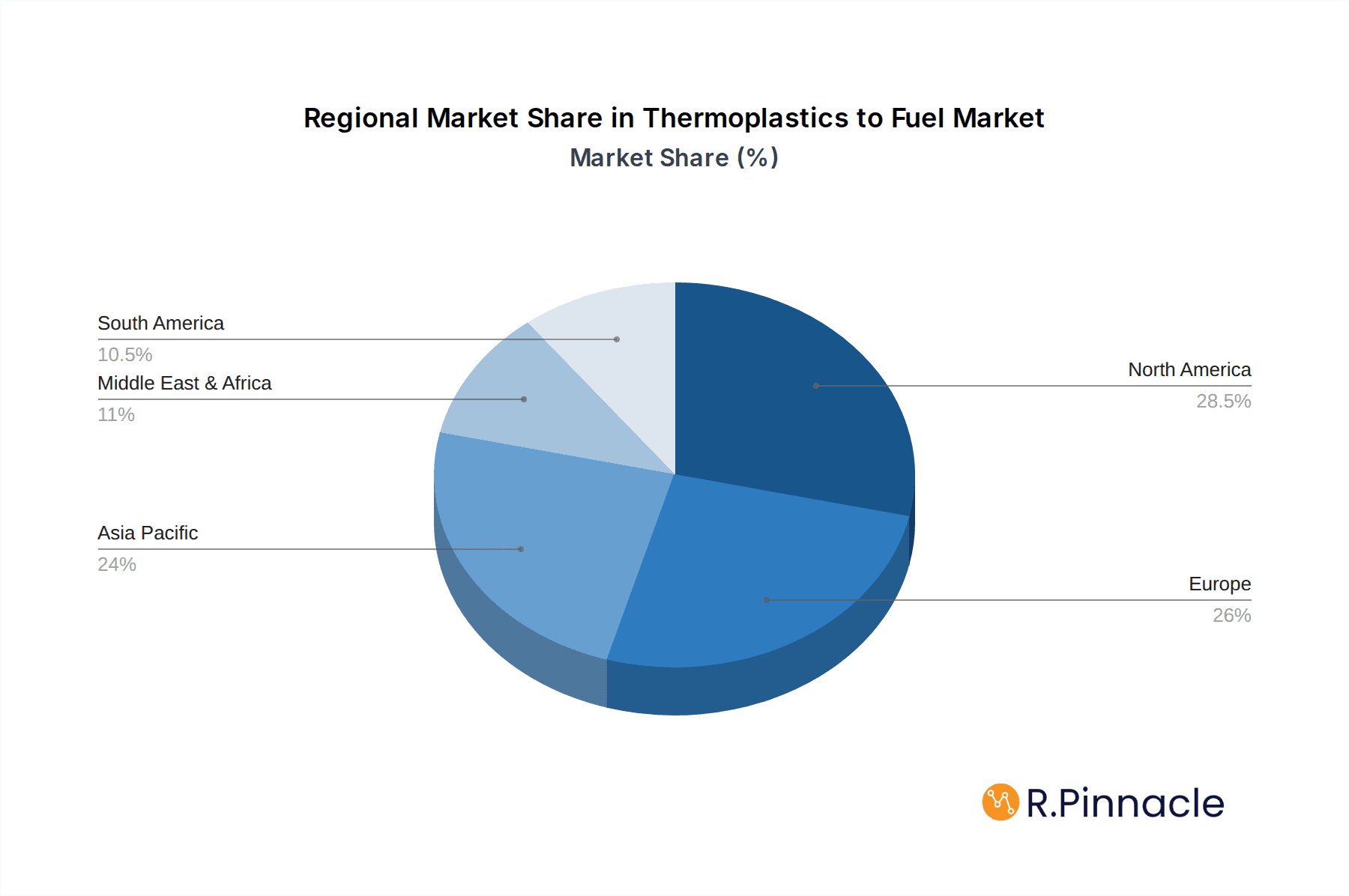
Thermoplastics to Fuel Regional Market Share
Geographic Coverage of Thermoplastics to Fuel
Thermoplastics to Fuel REPORT HIGHLIGHTS
| Aspects | Details |
|---|---|
| Study Period | 2020-2034 |
| Base Year | 2025 |
| Estimated Year | 2026 |
| Forecast Period | 2026-2034 |
| Historical Period | 2020-2025 |
| Growth Rate | CAGR of 22.3% from 2020-2034 |
| Segmentation |
|
Table of Contents
- 1. Introduction
- 1.1. Research Scope
- 1.2. Market Segmentation
- 1.3. Research Methodology
- 1.4. Definitions and Assumptions
- 2. Executive Summary
- 2.1. Introduction
- 3. Market Dynamics
- 3.1. Introduction
- 3.2. Market Drivers
- 3.3. Market Restrains
- 3.4. Market Trends
- 4. Market Factor Analysis
- 4.1. Porters Five Forces
- 4.2. Supply/Value Chain
- 4.3. PESTEL analysis
- 4.4. Market Entropy
- 4.5. Patent/Trademark Analysis
- 5. Global Thermoplastics to Fuel Analysis, Insights and Forecast, 2020-2032
- 5.1. Market Analysis, Insights and Forecast - by Application
- 5.1.1. Crude Oil
- 5.1.2. Sulfur
- 5.1.3. Diesel
- 5.1.4. Hydrogen
- 5.1.5. Others
- 5.2. Market Analysis, Insights and Forecast - by Types
- 5.2.1. Pyrolysis
- 5.2.2. Depolymerization
- 5.2.3. Gasification
- 5.2.4. Liquefaction
- 5.3. Market Analysis, Insights and Forecast - by Region
- 5.3.1. North America
- 5.3.2. South America
- 5.3.3. Europe
- 5.3.4. Middle East & Africa
- 5.3.5. Asia Pacific
- 5.1. Market Analysis, Insights and Forecast - by Application
- 6. North America Thermoplastics to Fuel Analysis, Insights and Forecast, 2020-2032
- 6.1. Market Analysis, Insights and Forecast - by Application
- 6.1.1. Crude Oil
- 6.1.2. Sulfur
- 6.1.3. Diesel
- 6.1.4. Hydrogen
- 6.1.5. Others
- 6.2. Market Analysis, Insights and Forecast - by Types
- 6.2.1. Pyrolysis
- 6.2.2. Depolymerization
- 6.2.3. Gasification
- 6.2.4. Liquefaction
- 6.1. Market Analysis, Insights and Forecast - by Application
- 7. South America Thermoplastics to Fuel Analysis, Insights and Forecast, 2020-2032
- 7.1. Market Analysis, Insights and Forecast - by Application
- 7.1.1. Crude Oil
- 7.1.2. Sulfur
- 7.1.3. Diesel
- 7.1.4. Hydrogen
- 7.1.5. Others
- 7.2. Market Analysis, Insights and Forecast - by Types
- 7.2.1. Pyrolysis
- 7.2.2. Depolymerization
- 7.2.3. Gasification
- 7.2.4. Liquefaction
- 7.1. Market Analysis, Insights and Forecast - by Application
- 8. Europe Thermoplastics to Fuel Analysis, Insights and Forecast, 2020-2032
- 8.1. Market Analysis, Insights and Forecast - by Application
- 8.1.1. Crude Oil
- 8.1.2. Sulfur
- 8.1.3. Diesel
- 8.1.4. Hydrogen
- 8.1.5. Others
- 8.2. Market Analysis, Insights and Forecast - by Types
- 8.2.1. Pyrolysis
- 8.2.2. Depolymerization
- 8.2.3. Gasification
- 8.2.4. Liquefaction
- 8.1. Market Analysis, Insights and Forecast - by Application
- 9. Middle East & Africa Thermoplastics to Fuel Analysis, Insights and Forecast, 2020-2032
- 9.1. Market Analysis, Insights and Forecast - by Application
- 9.1.1. Crude Oil
- 9.1.2. Sulfur
- 9.1.3. Diesel
- 9.1.4. Hydrogen
- 9.1.5. Others
- 9.2. Market Analysis, Insights and Forecast - by Types
- 9.2.1. Pyrolysis
- 9.2.2. Depolymerization
- 9.2.3. Gasification
- 9.2.4. Liquefaction
- 9.1. Market Analysis, Insights and Forecast - by Application
- 10. Asia Pacific Thermoplastics to Fuel Analysis, Insights and Forecast, 2020-2032
- 10.1. Market Analysis, Insights and Forecast - by Application
- 10.1.1. Crude Oil
- 10.1.2. Sulfur
- 10.1.3. Diesel
- 10.1.4. Hydrogen
- 10.1.5. Others
- 10.2. Market Analysis, Insights and Forecast - by Types
- 10.2.1. Pyrolysis
- 10.2.2. Depolymerization
- 10.2.3. Gasification
- 10.2.4. Liquefaction
- 10.1. Market Analysis, Insights and Forecast - by Application
- 11. Competitive Analysis
- 11.1. Global Market Share Analysis 2025
- 11.2. Company Profiles
- 11.2.1 Vadaxx Energy
- 11.2.1.1. Overview
- 11.2.1.2. Products
- 11.2.1.3. SWOT Analysis
- 11.2.1.4. Recent Developments
- 11.2.1.5. Financials (Based on Availability)
- 11.2.2 Plastic2Oil
- 11.2.2.1. Overview
- 11.2.2.2. Products
- 11.2.2.3. SWOT Analysis
- 11.2.2.4. Recent Developments
- 11.2.2.5. Financials (Based on Availability)
- 11.2.3 RES Polyflow
- 11.2.3.1. Overview
- 11.2.3.2. Products
- 11.2.3.3. SWOT Analysis
- 11.2.3.4. Recent Developments
- 11.2.3.5. Financials (Based on Availability)
- 11.2.4 Green Envirotech Holdings LLC
- 11.2.4.1. Overview
- 11.2.4.2. Products
- 11.2.4.3. SWOT Analysis
- 11.2.4.4. Recent Developments
- 11.2.4.5. Financials (Based on Availability)
- 11.2.5 Agilyx Corporation
- 11.2.5.1. Overview
- 11.2.5.2. Products
- 11.2.5.3. SWOT Analysis
- 11.2.5.4. Recent Developments
- 11.2.5.5. Financials (Based on Availability)
- 11.2.6 Quantafuel AS
- 11.2.6.1. Overview
- 11.2.6.2. Products
- 11.2.6.3. SWOT Analysis
- 11.2.6.4. Recent Developments
- 11.2.6.5. Financials (Based on Availability)
- 11.2.7 JBI Inc.
- 11.2.7.1. Overview
- 11.2.7.2. Products
- 11.2.7.3. SWOT Analysis
- 11.2.7.4. Recent Developments
- 11.2.7.5. Financials (Based on Availability)
- 11.2.8 Envion
- 11.2.8.1. Overview
- 11.2.8.2. Products
- 11.2.8.3. SWOT Analysis
- 11.2.8.4. Recent Developments
- 11.2.8.5. Financials (Based on Availability)
- 11.2.9 Shangqiu Sihai Machinery Equipment Manufacturing Co.
- 11.2.9.1. Overview
- 11.2.9.2. Products
- 11.2.9.3. SWOT Analysis
- 11.2.9.4. Recent Developments
- 11.2.9.5. Financials (Based on Availability)
- 11.2.10 Ltd.
- 11.2.10.1. Overview
- 11.2.10.2. Products
- 11.2.10.3. SWOT Analysis
- 11.2.10.4. Recent Developments
- 11.2.10.5. Financials (Based on Availability)
- 11.2.11 Beston (Henan) Machinery Co
- 11.2.11.1. Overview
- 11.2.11.2. Products
- 11.2.11.3. SWOT Analysis
- 11.2.11.4. Recent Developments
- 11.2.11.5. Financials (Based on Availability)
- 11.2.12 Ltd.
- 11.2.12.1. Overview
- 11.2.12.2. Products
- 11.2.12.3. SWOT Analysis
- 11.2.12.4. Recent Developments
- 11.2.12.5. Financials (Based on Availability)
- 11.2.13 Zhangzhou Qiyu Renewable Energy Technology Co.
- 11.2.13.1. Overview
- 11.2.13.2. Products
- 11.2.13.3. SWOT Analysis
- 11.2.13.4. Recent Developments
- 11.2.13.5. Financials (Based on Availability)
- 11.2.14 Ltd.
- 11.2.14.1. Overview
- 11.2.14.2. Products
- 11.2.14.3. SWOT Analysis
- 11.2.14.4. Recent Developments
- 11.2.14.5. Financials (Based on Availability)
- 11.2.1 Vadaxx Energy
List of Figures
- Figure 1: Global Thermoplastics to Fuel Revenue Breakdown (undefined, %) by Region 2025 & 2033
- Figure 2: North America Thermoplastics to Fuel Revenue (undefined), by Application 2025 & 2033
- Figure 3: North America Thermoplastics to Fuel Revenue Share (%), by Application 2025 & 2033
- Figure 4: North America Thermoplastics to Fuel Revenue (undefined), by Types 2025 & 2033
- Figure 5: North America Thermoplastics to Fuel Revenue Share (%), by Types 2025 & 2033
- Figure 6: North America Thermoplastics to Fuel Revenue (undefined), by Country 2025 & 2033
- Figure 7: North America Thermoplastics to Fuel Revenue Share (%), by Country 2025 & 2033
- Figure 8: South America Thermoplastics to Fuel Revenue (undefined), by Application 2025 & 2033
- Figure 9: South America Thermoplastics to Fuel Revenue Share (%), by Application 2025 & 2033
- Figure 10: South America Thermoplastics to Fuel Revenue (undefined), by Types 2025 & 2033
- Figure 11: South America Thermoplastics to Fuel Revenue Share (%), by Types 2025 & 2033
- Figure 12: South America Thermoplastics to Fuel Revenue (undefined), by Country 2025 & 2033
- Figure 13: South America Thermoplastics to Fuel Revenue Share (%), by Country 2025 & 2033
- Figure 14: Europe Thermoplastics to Fuel Revenue (undefined), by Application 2025 & 2033
- Figure 15: Europe Thermoplastics to Fuel Revenue Share (%), by Application 2025 & 2033
- Figure 16: Europe Thermoplastics to Fuel Revenue (undefined), by Types 2025 & 2033
- Figure 17: Europe Thermoplastics to Fuel Revenue Share (%), by Types 2025 & 2033
- Figure 18: Europe Thermoplastics to Fuel Revenue (undefined), by Country 2025 & 2033
- Figure 19: Europe Thermoplastics to Fuel Revenue Share (%), by Country 2025 & 2033
- Figure 20: Middle East & Africa Thermoplastics to Fuel Revenue (undefined), by Application 2025 & 2033
- Figure 21: Middle East & Africa Thermoplastics to Fuel Revenue Share (%), by Application 2025 & 2033
- Figure 22: Middle East & Africa Thermoplastics to Fuel Revenue (undefined), by Types 2025 & 2033
- Figure 23: Middle East & Africa Thermoplastics to Fuel Revenue Share (%), by Types 2025 & 2033
- Figure 24: Middle East & Africa Thermoplastics to Fuel Revenue (undefined), by Country 2025 & 2033
- Figure 25: Middle East & Africa Thermoplastics to Fuel Revenue Share (%), by Country 2025 & 2033
- Figure 26: Asia Pacific Thermoplastics to Fuel Revenue (undefined), by Application 2025 & 2033
- Figure 27: Asia Pacific Thermoplastics to Fuel Revenue Share (%), by Application 2025 & 2033
- Figure 28: Asia Pacific Thermoplastics to Fuel Revenue (undefined), by Types 2025 & 2033
- Figure 29: Asia Pacific Thermoplastics to Fuel Revenue Share (%), by Types 2025 & 2033
- Figure 30: Asia Pacific Thermoplastics to Fuel Revenue (undefined), by Country 2025 & 2033
- Figure 31: Asia Pacific Thermoplastics to Fuel Revenue Share (%), by Country 2025 & 2033
List of Tables
- Table 1: Global Thermoplastics to Fuel Revenue undefined Forecast, by Application 2020 & 2033
- Table 2: Global Thermoplastics to Fuel Revenue undefined Forecast, by Types 2020 & 2033
- Table 3: Global Thermoplastics to Fuel Revenue undefined Forecast, by Region 2020 & 2033
- Table 4: Global Thermoplastics to Fuel Revenue undefined Forecast, by Application 2020 & 2033
- Table 5: Global Thermoplastics to Fuel Revenue undefined Forecast, by Types 2020 & 2033
- Table 6: Global Thermoplastics to Fuel Revenue undefined Forecast, by Country 2020 & 2033
- Table 7: United States Thermoplastics to Fuel Revenue (undefined) Forecast, by Application 2020 & 2033
- Table 8: Canada Thermoplastics to Fuel Revenue (undefined) Forecast, by Application 2020 & 2033
- Table 9: Mexico Thermoplastics to Fuel Revenue (undefined) Forecast, by Application 2020 & 2033
- Table 10: Global Thermoplastics to Fuel Revenue undefined Forecast, by Application 2020 & 2033
- Table 11: Global Thermoplastics to Fuel Revenue undefined Forecast, by Types 2020 & 2033
- Table 12: Global Thermoplastics to Fuel Revenue undefined Forecast, by Country 2020 & 2033
- Table 13: Brazil Thermoplastics to Fuel Revenue (undefined) Forecast, by Application 2020 & 2033
- Table 14: Argentina Thermoplastics to Fuel Revenue (undefined) Forecast, by Application 2020 & 2033
- Table 15: Rest of South America Thermoplastics to Fuel Revenue (undefined) Forecast, by Application 2020 & 2033
- Table 16: Global Thermoplastics to Fuel Revenue undefined Forecast, by Application 2020 & 2033
- Table 17: Global Thermoplastics to Fuel Revenue undefined Forecast, by Types 2020 & 2033
- Table 18: Global Thermoplastics to Fuel Revenue undefined Forecast, by Country 2020 & 2033
- Table 19: United Kingdom Thermoplastics to Fuel Revenue (undefined) Forecast, by Application 2020 & 2033
- Table 20: Germany Thermoplastics to Fuel Revenue (undefined) Forecast, by Application 2020 & 2033
- Table 21: France Thermoplastics to Fuel Revenue (undefined) Forecast, by Application 2020 & 2033
- Table 22: Italy Thermoplastics to Fuel Revenue (undefined) Forecast, by Application 2020 & 2033
- Table 23: Spain Thermoplastics to Fuel Revenue (undefined) Forecast, by Application 2020 & 2033
- Table 24: Russia Thermoplastics to Fuel Revenue (undefined) Forecast, by Application 2020 & 2033
- Table 25: Benelux Thermoplastics to Fuel Revenue (undefined) Forecast, by Application 2020 & 2033
- Table 26: Nordics Thermoplastics to Fuel Revenue (undefined) Forecast, by Application 2020 & 2033
- Table 27: Rest of Europe Thermoplastics to Fuel Revenue (undefined) Forecast, by Application 2020 & 2033
- Table 28: Global Thermoplastics to Fuel Revenue undefined Forecast, by Application 2020 & 2033
- Table 29: Global Thermoplastics to Fuel Revenue undefined Forecast, by Types 2020 & 2033
- Table 30: Global Thermoplastics to Fuel Revenue undefined Forecast, by Country 2020 & 2033
- Table 31: Turkey Thermoplastics to Fuel Revenue (undefined) Forecast, by Application 2020 & 2033
- Table 32: Israel Thermoplastics to Fuel Revenue (undefined) Forecast, by Application 2020 & 2033
- Table 33: GCC Thermoplastics to Fuel Revenue (undefined) Forecast, by Application 2020 & 2033
- Table 34: North Africa Thermoplastics to Fuel Revenue (undefined) Forecast, by Application 2020 & 2033
- Table 35: South Africa Thermoplastics to Fuel Revenue (undefined) Forecast, by Application 2020 & 2033
- Table 36: Rest of Middle East & Africa Thermoplastics to Fuel Revenue (undefined) Forecast, by Application 2020 & 2033
- Table 37: Global Thermoplastics to Fuel Revenue undefined Forecast, by Application 2020 & 2033
- Table 38: Global Thermoplastics to Fuel Revenue undefined Forecast, by Types 2020 & 2033
- Table 39: Global Thermoplastics to Fuel Revenue undefined Forecast, by Country 2020 & 2033
- Table 40: China Thermoplastics to Fuel Revenue (undefined) Forecast, by Application 2020 & 2033
- Table 41: India Thermoplastics to Fuel Revenue (undefined) Forecast, by Application 2020 & 2033
- Table 42: Japan Thermoplastics to Fuel Revenue (undefined) Forecast, by Application 2020 & 2033
- Table 43: South Korea Thermoplastics to Fuel Revenue (undefined) Forecast, by Application 2020 & 2033
- Table 44: ASEAN Thermoplastics to Fuel Revenue (undefined) Forecast, by Application 2020 & 2033
- Table 45: Oceania Thermoplastics to Fuel Revenue (undefined) Forecast, by Application 2020 & 2033
- Table 46: Rest of Asia Pacific Thermoplastics to Fuel Revenue (undefined) Forecast, by Application 2020 & 2033
Frequently Asked Questions
1. What is the projected Compound Annual Growth Rate (CAGR) of the Thermoplastics to Fuel?
The projected CAGR is approximately 22.3%.
2. Which companies are prominent players in the Thermoplastics to Fuel?
Key companies in the market include Vadaxx Energy, Plastic2Oil, RES Polyflow, Green Envirotech Holdings LLC, Agilyx Corporation, Quantafuel AS, JBI Inc., Envion, Shangqiu Sihai Machinery Equipment Manufacturing Co., Ltd., Beston (Henan) Machinery Co, Ltd., Zhangzhou Qiyu Renewable Energy Technology Co., Ltd..
3. What are the main segments of the Thermoplastics to Fuel?
The market segments include Application, Types.
4. Can you provide details about the market size?
The market size is estimated to be USD XXX N/A as of 2022.
5. What are some drivers contributing to market growth?
N/A
6. What are the notable trends driving market growth?
N/A
7. Are there any restraints impacting market growth?
N/A
8. Can you provide examples of recent developments in the market?
N/A
9. What pricing options are available for accessing the report?
Pricing options include single-user, multi-user, and enterprise licenses priced at USD 4900.00, USD 7350.00, and USD 9800.00 respectively.
10. Is the market size provided in terms of value or volume?
The market size is provided in terms of value, measured in N/A.
11. Are there any specific market keywords associated with the report?
Yes, the market keyword associated with the report is "Thermoplastics to Fuel," which aids in identifying and referencing the specific market segment covered.
12. How do I determine which pricing option suits my needs best?
The pricing options vary based on user requirements and access needs. Individual users may opt for single-user licenses, while businesses requiring broader access may choose multi-user or enterprise licenses for cost-effective access to the report.
13. Are there any additional resources or data provided in the Thermoplastics to Fuel report?
While the report offers comprehensive insights, it's advisable to review the specific contents or supplementary materials provided to ascertain if additional resources or data are available.
14. How can I stay updated on further developments or reports in the Thermoplastics to Fuel?
To stay informed about further developments, trends, and reports in the Thermoplastics to Fuel, consider subscribing to industry newsletters, following relevant companies and organizations, or regularly checking reputable industry news sources and publications.
Methodology
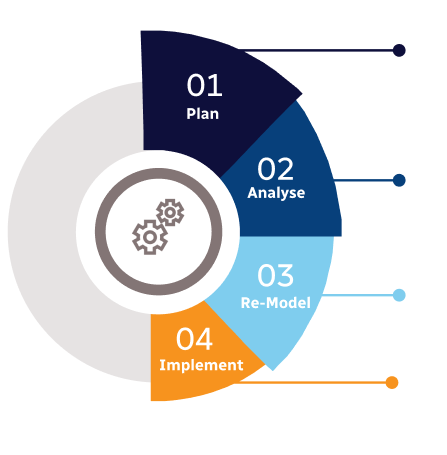
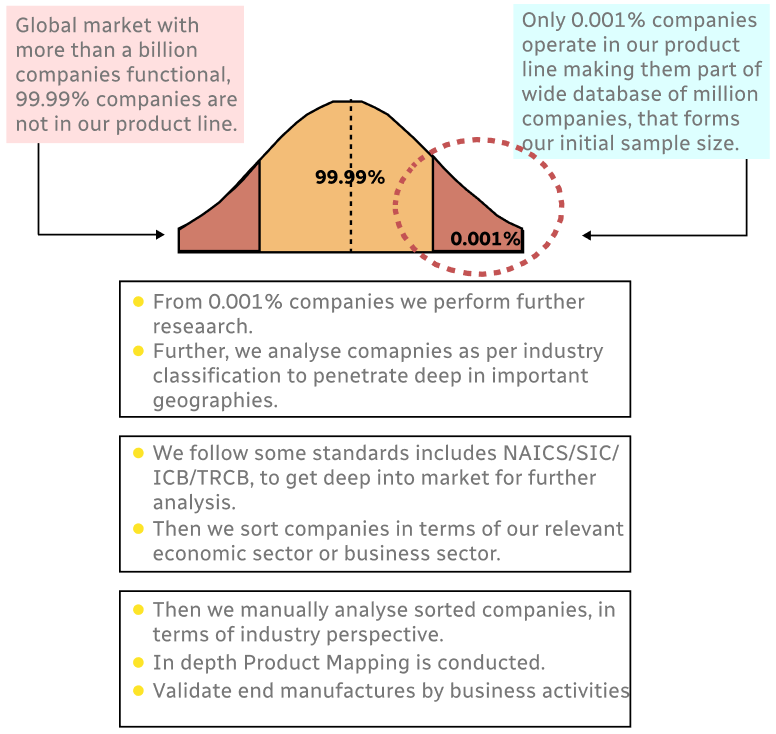
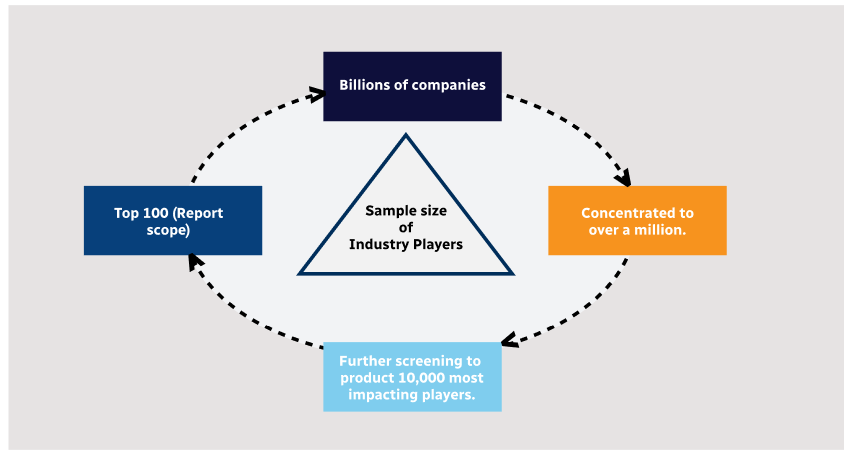
Step 1 - Identification of Relevant Samples Size from Population Database
Step 2 - Approaches for Defining Global Market Size (Value, Volume* & Price*)
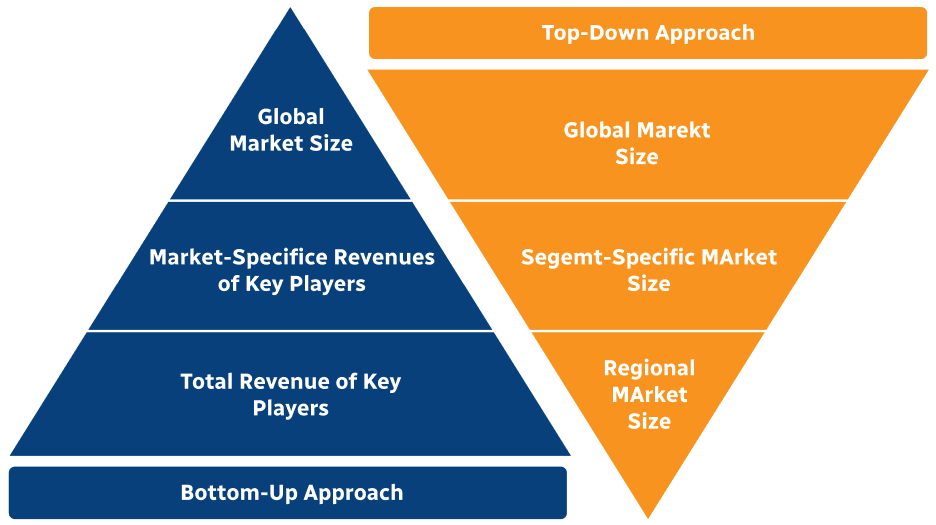
Note*: In applicable scenarios
Step 3 - Data Sources
Primary Research
- Web Analytics
- Survey Reports
- Research Institute
- Latest Research Reports
- Opinion Leaders
Secondary Research
- Annual Reports
- White Paper
- Latest Press Release
- Industry Association
- Paid Database
- Investor Presentations
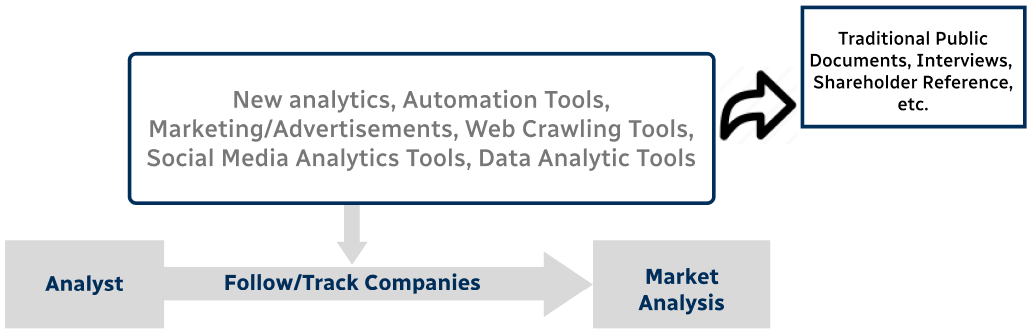
Step 4 - Data Triangulation
Involves using different sources of information in order to increase the validity of a study
These sources are likely to be stakeholders in a program - participants, other researchers, program staff, other community members, and so on.
Then we put all data in single framework & apply various statistical tools to find out the dynamic on the market.
During the analysis stage, feedback from the stakeholder groups would be compared to determine areas of agreement as well as areas of divergence