


Key Insights
The global Data Classification Market is poised for remarkable expansion, projected to reach approximately $11,500 million by 2025, with a robust Compound Annual Growth Rate (CAGR) of 24.00% throughout the forecast period. This significant market growth is primarily propelled by the escalating volume of data being generated across all industries and the increasing sophistication of cyber threats. Organizations are compelled to implement effective data classification strategies to comply with stringent data privacy regulations such as GDPR and CCPA, mitigate the risks associated with data breaches, and optimize data management processes. The increasing adoption of cloud computing and the rise of big data analytics further underscore the need for precise data categorization to ensure sensitive information is adequately protected and can be leveraged for business intelligence. The market is characterized by a strong demand for advanced software solutions and specialized services that offer automated data identification, labeling, and policy enforcement capabilities.
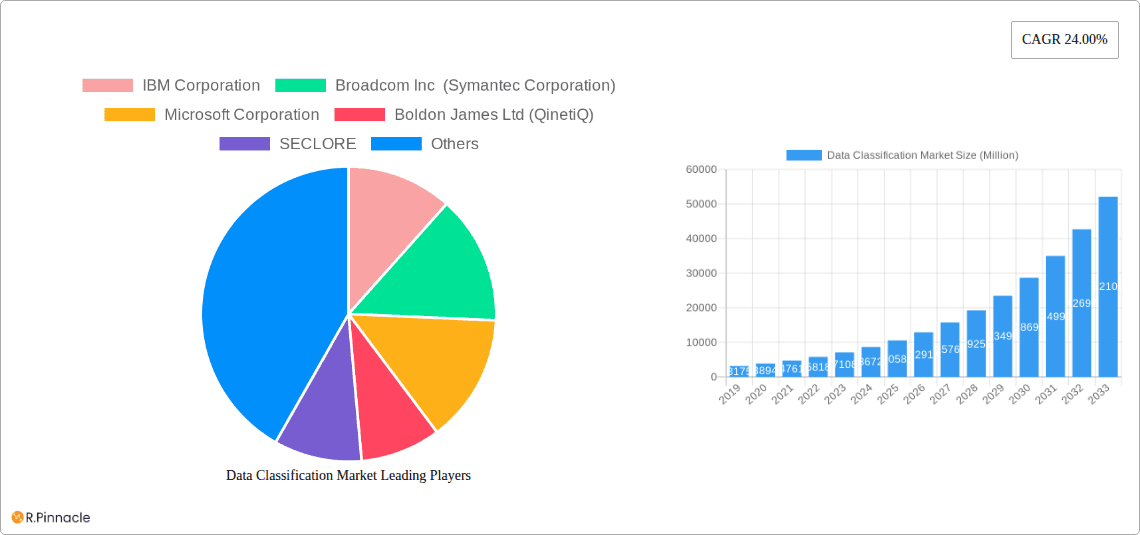
Data Classification Market Market Size (In Billion)

Key market drivers include the growing emphasis on data governance, the need for enhanced security in an increasingly interconnected digital landscape, and the strategic importance of identifying and protecting intellectual property. While the market benefits from these strong tailwinds, certain restraints, such as the initial cost of implementation and the complexity of integrating data classification solutions with existing IT infrastructures, could pose challenges. However, the continuous innovation in cloud-based solutions and the development of user-friendly interfaces are expected to mitigate these barriers. The market segments are diverse, with software solutions forming a significant portion, complemented by professional and managed services. On-premise deployments are still relevant, but cloud-based deployments are gaining significant traction due to their scalability and cost-effectiveness. The application segment is dominated by access management and governance & compliance management, reflecting the core needs driving data classification adoption. Geographically, North America and Europe are leading the market due to established regulatory frameworks and high data security awareness, with the Asia Pacific region showing immense growth potential driven by rapid digital transformation and increasing cybersecurity concerns.

Data Classification Market Company Market Share
This in-depth report offers an unparalleled analysis of the global Data Classification Market, a critical sector for safeguarding sensitive information in today's digital landscape. We delve into market dynamics, technological advancements, and strategic imperatives shaping the future of data security. This report is essential for cybersecurity professionals, IT decision-makers, compliance officers, and business strategists seeking to understand and leverage data classification solutions.
Data Classification Market Market Structure & Innovation Trends
The Data Classification Market exhibits a moderately consolidated structure with key players like IBM Corporation, Broadcom Inc (Symantec Corporation), and Microsoft Corporation holding significant market share. Innovation is primarily driven by the escalating need for robust data privacy regulations, the proliferation of unstructured data, and the increasing sophistication of cyber threats. Key innovation trends include the development of AI-powered automated classification, real-time data monitoring, and integrated data loss prevention (DLP) capabilities. Regulatory frameworks such as GDPR, CCPA, and HIPAA continue to be primary catalysts for market adoption, compelling organizations to implement stringent data governance policies. Product substitutes, while evolving, are largely focused on broader data security solutions rather than direct data classification alternatives. End-user demographics are expanding beyond traditional BFSI and Government sectors to encompass all industries grappling with data sprawl. Mergers and Acquisitions (M&A) activity is moderately high, with recent deals valued in the tens of millions of dollars, indicating a strategic push towards consolidating market offerings and expanding technological portfolios. For instance, the acquisition of Boldon James Ltd (QinetiQ) by an undisclosed entity highlights the strategic importance of specialized data classification expertise.
- Market Concentration: Moderate, with top players holding substantial market share.
- Innovation Drivers: Regulatory compliance, data volume growth, advanced cyber threats.
- Key Innovation Trends: AI/ML for automation, real-time analytics, DLP integration.
- Regulatory Impact: GDPR, CCPA, HIPAA drive significant adoption.
- M&A Activity: Ongoing, with recent deal values in the tens of millions of dollars.
Data Classification Market Market Dynamics & Trends
The Data Classification Market is experiencing robust growth, projected to reach approximately $5,500 Million by 2033, with a Compound Annual Growth Rate (CAGR) of 14.5% from 2025 to 2033. This expansion is fueled by a confluence of factors. Firstly, the exponential increase in data generation across all industries, coupled with the increasing complexity of data storage and management, necessitates sophisticated classification tools to identify, categorize, and protect sensitive information. The rise of remote work and the widespread adoption of cloud computing have further amplified these challenges, creating a decentralized data environment that requires comprehensive oversight. Secondly, stringent data privacy regulations globally are compelling organizations to invest heavily in data classification solutions to avoid hefty fines and reputational damage. Compliance mandates are no longer optional but are integral to business operations. Technologically, advancements in Artificial Intelligence (AI) and Machine Learning (ML) are revolutionizing the market. These technologies enable automated data classification, reducing manual effort and improving accuracy, which is a significant disruptor compared to older, rule-based systems. AI-powered solutions can identify patterns and anomalies in data that human analysts might miss, leading to more proactive threat detection. Consumer preferences are shifting towards solutions that offer ease of use, seamless integration with existing IT infrastructure, and comprehensive reporting capabilities. Organizations are looking for platforms that can provide granular control over data access and usage, along with auditable trails. The competitive landscape is dynamic, with established players continuously innovating and new entrants offering specialized solutions. Strategic partnerships and acquisitions are common as companies aim to broaden their product portfolios and expand their global reach. The market penetration of advanced data classification solutions is steadily increasing, driven by greater awareness of data security risks and the tangible benefits of effective data governance.
Dominant Regions & Segments in Data Classification Market
The Data Classification Market is characterized by distinct regional dominance and segment leadership, driven by varying economic policies, regulatory landscapes, and technological adoption rates. North America currently leads the market, driven by a mature IT infrastructure, a strong emphasis on regulatory compliance (e.g., CCPA), and a high concentration of enterprises in the BFSI and Healthcare sectors, which are primary adopters of data classification solutions. The United States, in particular, spearheads this dominance due to significant investments in cybersecurity and a proactive approach to data privacy.
- Dominant Region: North America, with the United States as the leading country.
Solution Segment Dominance:
The Software segment holds the largest share within the Data Classification Market. This is attributed to the increasing demand for automated classification tools, advanced analytics capabilities, and integrated data security platforms that can be deployed across various environments. While services are crucial for implementation and support, the core value proposition often lies within the sophisticated software solutions.
- Leading Solution: Software, offering advanced automation and analytical capabilities.
Deployment Dominance:
The Cloud deployment model is rapidly gaining traction and is projected to overtake on-premise solutions in the near future. This shift is driven by the flexibility, scalability, and cost-effectiveness of cloud-based data classification platforms, aligning with the broader trend of cloud migration across industries.
- Dominant Deployment: Cloud, offering agility and scalability.
Application Dominance:
Within applications, Governance & Compliance Management is the most significant segment. The stringent and evolving regulatory landscape worldwide mandates robust governance frameworks to ensure data privacy and security. This drives the demand for classification solutions that can demonstrably meet these compliance requirements.
- Leading Application: Governance & Compliance Management, driven by regulatory mandates.
Industry Vertical Dominance:
The BFSI (Banking, Financial Services, and Insurance) sector remains a dominant industry vertical. Financial institutions handle vast amounts of sensitive customer data and are subject to rigorous regulations, making data classification an imperative for fraud prevention, regulatory adherence, and maintaining customer trust. The Government & Defence sector also represents a substantial market due to the critical nature of national security and citizen data.
- Leading Industry Verticals: BFSI and Government & Defence, due to regulatory pressure and data sensitivity.
These dominant segments and regions highlight the key areas of investment and focus within the Data Classification Market, indicating where market growth is most pronounced and where strategic opportunities lie for vendors and adopters alike.
Data Classification Market Product Innovations
Product innovations in the Data Classification Market are primarily focused on enhancing automation, accuracy, and integration. AI and Machine Learning (ML) are at the forefront, enabling intelligent classification of unstructured data with minimal human intervention. Solutions are increasingly offering real-time data discovery and classification, allowing for immediate identification of sensitive information as it is created or modified. Integration with existing security ecosystems, such as Security Information and Event Management (SIEM) and Data Loss Prevention (DLP) tools, is a key competitive advantage, providing a unified view of data security posture. These advancements offer organizations greater operational efficiency, improved compliance, and a more proactive approach to data protection, effectively minimizing risks associated with data breaches and regulatory non-compliance.
Report Scope & Segmentation Analysis
This report provides a comprehensive analysis of the Data Classification Market, segmented across key areas to offer granular insights into market dynamics and future potential. The segmentation includes:
- Solution: The Software segment is expected to lead, driven by advanced automation and AI capabilities, while Services will cater to implementation, consulting, and managed solutions, both showing strong growth.
- Deployment: The Cloud segment is poised for significant expansion, offering scalability and cost-effectiveness, with On-Premise solutions remaining relevant for highly regulated environments.
- Application: Governance & Compliance Management is a major driver, with Access Management, Auditing & Reporting, and Email & Mobile Protection also demonstrating robust demand due to increasing security concerns.
- Industry Verticals: BFSI and Healthcare are projected to exhibit strong growth due to stringent data privacy regulations and the sensitive nature of their data. Government & Defence, IT & Telecom, and Energy & Utilities also represent significant markets.
Each segment is analyzed for its current market size, projected growth rates, and competitive landscape, offering a detailed roadmap for understanding the multifaceted Data Classification Market.
Key Drivers of Data Classification Market Growth
The Data Classification Market is experiencing significant growth driven by several key factors.
- Regulatory Compliance: Increasing global data privacy regulations (e.g., GDPR, CCPA) mandate organizations to understand and protect sensitive data, directly fueling the demand for classification solutions.
- Data Volume and Complexity: The exponential growth of data, particularly unstructured data, necessitates efficient tools to identify, categorize, and manage sensitive information.
- Cybersecurity Threats: The rising sophistication and frequency of cyberattacks, including data breaches and ransomware, highlight the critical need for robust data security measures.
- Cloud Adoption: The widespread adoption of cloud computing creates new challenges for data governance and security, driving the need for cloud-native classification tools.
- AI and ML Advancements: The integration of Artificial Intelligence and Machine Learning is enabling more accurate, automated, and efficient data classification processes.
Challenges in the Data Classification Market Sector
Despite robust growth, the Data Classification Market faces several challenges.
- Complexity of Data: The sheer volume and variety of data, especially unstructured data, can make accurate and comprehensive classification a complex and resource-intensive task.
- Integration Issues: Integrating new data classification solutions with existing legacy IT infrastructure and security systems can be challenging and costly.
- Skills Gap: A shortage of skilled cybersecurity professionals with expertise in data classification and governance can hinder effective implementation and management.
- Cost of Implementation: For some organizations, particularly small and medium-sized businesses, the initial investment in advanced data classification software and services can be a significant barrier.
- Evolving Threat Landscape: The continuous evolution of cyber threats requires constant updates and adaptations of classification strategies, adding to ongoing operational costs and complexity.
Emerging Opportunities in Data Classification Market
The Data Classification Market is ripe with emerging opportunities. The increasing focus on data sovereignty and cross-border data transfer regulations presents a significant opportunity for solutions that can manage data location and compliance across different jurisdictions. The rise of IoT devices and the subsequent explosion of data generated by them will create a demand for specialized classification tools. Furthermore, the growing emphasis on AI ethics and responsible AI development will drive the need for data classification to identify and mitigate biases within datasets. The expansion of data classification into emerging verticals like agriculture technology and smart cities also offers substantial untapped potential.
Leading Players in the Data Classification Market Market
- IBM Corporation
- Broadcom Inc (Symantec Corporation)
- Microsoft Corporation
- Boldon James Ltd (QinetiQ)
- SECLORE
- Amazon Web Services Inc
- Digital Guardian
- Open Text Corporation
- HANDD Business Solutions
- Covata Limited
Key Developments in Data Classification Market Industry
- 2023 Q4: IBM Corporation launched enhanced AI-driven data classification capabilities within its Cloud Pak for Data platform, improving automated data discovery and risk assessment.
- 2024 Q1: Broadcom Inc (Symantec Corporation) expanded its data loss prevention (DLP) suite with advanced classification features, integrating seamlessly with Symantec's broader cybersecurity portfolio.
- 2024 Q2: Microsoft Corporation introduced new data governance features in Microsoft Purview, emphasizing simplified classification and compliance management for cloud data.
- 2024 Q3: SECLORE announced strategic partnerships with leading cloud providers to offer enhanced data-centric security and classification for multi-cloud environments.
- 2024 Q4: Digital Guardian released a new version of its DataLossPrevention platform, incorporating advanced machine learning algorithms for more accurate identification of sensitive data across endpoints and cloud applications.
Future Outlook for Data Classification Market Market
The future outlook for the Data Classification Market is exceptionally bright, fueled by an ever-increasing reliance on data and the continuous evolution of regulatory and threat landscapes. The integration of advanced AI and ML will further automate and refine classification processes, making them more accessible and effective for organizations of all sizes. The market is expected to witness a significant surge in demand for cloud-native and hybrid solutions that offer seamless scalability and integration. Furthermore, the growing emphasis on data privacy and ethical data usage will drive innovation in areas like data anonymization and pseudonymization, intrinsically linked to robust classification. Strategic collaborations and a focus on user-friendly interfaces will be crucial for vendors to capture market share and address the diverse needs of industries navigating complex data environments.
Data Classification Market Segmentation
-
1. Solution
- 1.1. Software
- 1.2. Services
-
2. Deployment
- 2.1. On-Premise
- 2.2. Cloud
-
3. Application
- 3.1. Access Management
- 3.2. Governanace & Compliance Management
- 3.3. Email & Mobile Protection
- 3.4. Auditing & Reporting
- 3.5. Other Applications
-
4. Industry Verticals
- 4.1. BFSI
- 4.2. Healthcare
- 4.3. Government & Defence
- 4.4. IT & Telecom
- 4.5. Energy & Utilities
- 4.6. Other Industry Verticals
Data Classification Market Segmentation By Geography
-
1. North America
- 1.1. United States
- 1.2. Canada
-
2. Europe
- 2.1. United Kingdom
- 2.2. Germany
- 2.3. France
- 2.4. Rest of Europe
-
3. Asia Pacific
- 3.1. China
- 3.2. Japan
- 3.3. India
- 3.4. Rest of Asia Pacific
-
4. Rest of the World
- 4.1. Latin America
- 4.2. Middle East
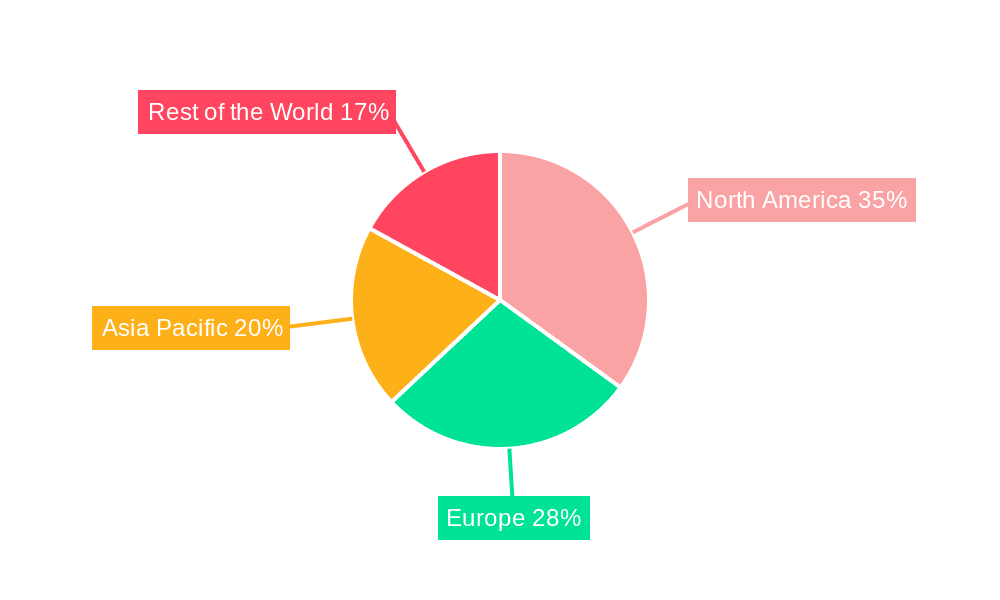
Data Classification Market Regional Market Share
Geographic Coverage of Data Classification Market
Data Classification Market REPORT HIGHLIGHTS
| Aspects | Details |
|---|---|
| Study Period | 2020-2034 |
| Base Year | 2025 |
| Estimated Year | 2026 |
| Forecast Period | 2026-2034 |
| Historical Period | 2020-2025 |
| Growth Rate | CAGR of 21.94% from 2020-2034 |
| Segmentation |
|
Table of Contents
- 1. Introduction
- 1.1. Research Scope
- 1.2. Market Segmentation
- 1.3. Research Methodology
- 1.4. Definitions and Assumptions
- 2. Executive Summary
- 2.1. Introduction
- 3. Market Dynamics
- 3.1. Introduction
- 3.2. Market Drivers
- 3.2.1. ; Government Regulations and Compliance for Privacy & Data Security; Concern for Data Theft due to Mismanagement; Surge in Analytics Applications with Stored Data
- 3.3. Market Restrains
- 3.3.1 Limited Efficiency Compared to Shared Hosting
- 3.3.2 Dedicated Hosting
- 3.3.3 and Cloud Servers
- 3.4. Market Trends
- 3.4.1. Surge in Data Security Solutions for Increased Malware Infection Rates in Computers
- 4. Market Factor Analysis
- 4.1. Porters Five Forces
- 4.2. Supply/Value Chain
- 4.3. PESTEL analysis
- 4.4. Market Entropy
- 4.5. Patent/Trademark Analysis
- 5. Global Data Classification Market Analysis, Insights and Forecast, 2020-2032
- 5.1. Market Analysis, Insights and Forecast - by Solution
- 5.1.1. Software
- 5.1.2. Services
- 5.2. Market Analysis, Insights and Forecast - by Deployment
- 5.2.1. On-Premise
- 5.2.2. Cloud
- 5.3. Market Analysis, Insights and Forecast - by Application
- 5.3.1. Access Management
- 5.3.2. Governanace & Compliance Management
- 5.3.3. Email & Mobile Protection
- 5.3.4. Auditing & Reporting
- 5.3.5. Other Applications
- 5.4. Market Analysis, Insights and Forecast - by Industry Verticals
- 5.4.1. BFSI
- 5.4.2. Healthcare
- 5.4.3. Government & Defence
- 5.4.4. IT & Telecom
- 5.4.5. Energy & Utilities
- 5.4.6. Other Industry Verticals
- 5.5. Market Analysis, Insights and Forecast - by Region
- 5.5.1. North America
- 5.5.2. Europe
- 5.5.3. Asia Pacific
- 5.5.4. Rest of the World
- 5.1. Market Analysis, Insights and Forecast - by Solution
- 6. North America Data Classification Market Analysis, Insights and Forecast, 2020-2032
- 6.1. Market Analysis, Insights and Forecast - by Solution
- 6.1.1. Software
- 6.1.2. Services
- 6.2. Market Analysis, Insights and Forecast - by Deployment
- 6.2.1. On-Premise
- 6.2.2. Cloud
- 6.3. Market Analysis, Insights and Forecast - by Application
- 6.3.1. Access Management
- 6.3.2. Governanace & Compliance Management
- 6.3.3. Email & Mobile Protection
- 6.3.4. Auditing & Reporting
- 6.3.5. Other Applications
- 6.4. Market Analysis, Insights and Forecast - by Industry Verticals
- 6.4.1. BFSI
- 6.4.2. Healthcare
- 6.4.3. Government & Defence
- 6.4.4. IT & Telecom
- 6.4.5. Energy & Utilities
- 6.4.6. Other Industry Verticals
- 6.1. Market Analysis, Insights and Forecast - by Solution
- 7. Europe Data Classification Market Analysis, Insights and Forecast, 2020-2032
- 7.1. Market Analysis, Insights and Forecast - by Solution
- 7.1.1. Software
- 7.1.2. Services
- 7.2. Market Analysis, Insights and Forecast - by Deployment
- 7.2.1. On-Premise
- 7.2.2. Cloud
- 7.3. Market Analysis, Insights and Forecast - by Application
- 7.3.1. Access Management
- 7.3.2. Governanace & Compliance Management
- 7.3.3. Email & Mobile Protection
- 7.3.4. Auditing & Reporting
- 7.3.5. Other Applications
- 7.4. Market Analysis, Insights and Forecast - by Industry Verticals
- 7.4.1. BFSI
- 7.4.2. Healthcare
- 7.4.3. Government & Defence
- 7.4.4. IT & Telecom
- 7.4.5. Energy & Utilities
- 7.4.6. Other Industry Verticals
- 7.1. Market Analysis, Insights and Forecast - by Solution
- 8. Asia Pacific Data Classification Market Analysis, Insights and Forecast, 2020-2032
- 8.1. Market Analysis, Insights and Forecast - by Solution
- 8.1.1. Software
- 8.1.2. Services
- 8.2. Market Analysis, Insights and Forecast - by Deployment
- 8.2.1. On-Premise
- 8.2.2. Cloud
- 8.3. Market Analysis, Insights and Forecast - by Application
- 8.3.1. Access Management
- 8.3.2. Governanace & Compliance Management
- 8.3.3. Email & Mobile Protection
- 8.3.4. Auditing & Reporting
- 8.3.5. Other Applications
- 8.4. Market Analysis, Insights and Forecast - by Industry Verticals
- 8.4.1. BFSI
- 8.4.2. Healthcare
- 8.4.3. Government & Defence
- 8.4.4. IT & Telecom
- 8.4.5. Energy & Utilities
- 8.4.6. Other Industry Verticals
- 8.1. Market Analysis, Insights and Forecast - by Solution
- 9. Rest of the World Data Classification Market Analysis, Insights and Forecast, 2020-2032
- 9.1. Market Analysis, Insights and Forecast - by Solution
- 9.1.1. Software
- 9.1.2. Services
- 9.2. Market Analysis, Insights and Forecast - by Deployment
- 9.2.1. On-Premise
- 9.2.2. Cloud
- 9.3. Market Analysis, Insights and Forecast - by Application
- 9.3.1. Access Management
- 9.3.2. Governanace & Compliance Management
- 9.3.3. Email & Mobile Protection
- 9.3.4. Auditing & Reporting
- 9.3.5. Other Applications
- 9.4. Market Analysis, Insights and Forecast - by Industry Verticals
- 9.4.1. BFSI
- 9.4.2. Healthcare
- 9.4.3. Government & Defence
- 9.4.4. IT & Telecom
- 9.4.5. Energy & Utilities
- 9.4.6. Other Industry Verticals
- 9.1. Market Analysis, Insights and Forecast - by Solution
- 10. Competitive Analysis
- 10.1. Global Market Share Analysis 2025
- 10.2. Company Profiles
- 10.2.1 IBM Corporation
- 10.2.1.1. Overview
- 10.2.1.2. Products
- 10.2.1.3. SWOT Analysis
- 10.2.1.4. Recent Developments
- 10.2.1.5. Financials (Based on Availability)
- 10.2.2 Broadcom Inc (Symantec Corporation)
- 10.2.2.1. Overview
- 10.2.2.2. Products
- 10.2.2.3. SWOT Analysis
- 10.2.2.4. Recent Developments
- 10.2.2.5. Financials (Based on Availability)
- 10.2.3 Microsoft Corporation
- 10.2.3.1. Overview
- 10.2.3.2. Products
- 10.2.3.3. SWOT Analysis
- 10.2.3.4. Recent Developments
- 10.2.3.5. Financials (Based on Availability)
- 10.2.4 Boldon James Ltd (QinetiQ)
- 10.2.4.1. Overview
- 10.2.4.2. Products
- 10.2.4.3. SWOT Analysis
- 10.2.4.4. Recent Developments
- 10.2.4.5. Financials (Based on Availability)
- 10.2.5 SECLORE
- 10.2.5.1. Overview
- 10.2.5.2. Products
- 10.2.5.3. SWOT Analysis
- 10.2.5.4. Recent Developments
- 10.2.5.5. Financials (Based on Availability)
- 10.2.6 Amazon Web Services Inc
- 10.2.6.1. Overview
- 10.2.6.2. Products
- 10.2.6.3. SWOT Analysis
- 10.2.6.4. Recent Developments
- 10.2.6.5. Financials (Based on Availability)
- 10.2.7 Digital Guardian
- 10.2.7.1. Overview
- 10.2.7.2. Products
- 10.2.7.3. SWOT Analysis
- 10.2.7.4. Recent Developments
- 10.2.7.5. Financials (Based on Availability)
- 10.2.8 Open Text Corporation
- 10.2.8.1. Overview
- 10.2.8.2. Products
- 10.2.8.3. SWOT Analysis
- 10.2.8.4. Recent Developments
- 10.2.8.5. Financials (Based on Availability)
- 10.2.9 HANDD Business Solutions
- 10.2.9.1. Overview
- 10.2.9.2. Products
- 10.2.9.3. SWOT Analysis
- 10.2.9.4. Recent Developments
- 10.2.9.5. Financials (Based on Availability)
- 10.2.10 Covata Limited
- 10.2.10.1. Overview
- 10.2.10.2. Products
- 10.2.10.3. SWOT Analysis
- 10.2.10.4. Recent Developments
- 10.2.10.5. Financials (Based on Availability)
- 10.2.1 IBM Corporation
List of Figures
- Figure 1: Global Data Classification Market Revenue Breakdown (undefined, %) by Region 2025 & 2033
- Figure 2: Global Data Classification Market Volume Breakdown (K Unit, %) by Region 2025 & 2033
- Figure 3: North America Data Classification Market Revenue (undefined), by Solution 2025 & 2033
- Figure 4: North America Data Classification Market Volume (K Unit), by Solution 2025 & 2033
- Figure 5: North America Data Classification Market Revenue Share (%), by Solution 2025 & 2033
- Figure 6: North America Data Classification Market Volume Share (%), by Solution 2025 & 2033
- Figure 7: North America Data Classification Market Revenue (undefined), by Deployment 2025 & 2033
- Figure 8: North America Data Classification Market Volume (K Unit), by Deployment 2025 & 2033
- Figure 9: North America Data Classification Market Revenue Share (%), by Deployment 2025 & 2033
- Figure 10: North America Data Classification Market Volume Share (%), by Deployment 2025 & 2033
- Figure 11: North America Data Classification Market Revenue (undefined), by Application 2025 & 2033
- Figure 12: North America Data Classification Market Volume (K Unit), by Application 2025 & 2033
- Figure 13: North America Data Classification Market Revenue Share (%), by Application 2025 & 2033
- Figure 14: North America Data Classification Market Volume Share (%), by Application 2025 & 2033
- Figure 15: North America Data Classification Market Revenue (undefined), by Industry Verticals 2025 & 2033
- Figure 16: North America Data Classification Market Volume (K Unit), by Industry Verticals 2025 & 2033
- Figure 17: North America Data Classification Market Revenue Share (%), by Industry Verticals 2025 & 2033
- Figure 18: North America Data Classification Market Volume Share (%), by Industry Verticals 2025 & 2033
- Figure 19: North America Data Classification Market Revenue (undefined), by Country 2025 & 2033
- Figure 20: North America Data Classification Market Volume (K Unit), by Country 2025 & 2033
- Figure 21: North America Data Classification Market Revenue Share (%), by Country 2025 & 2033
- Figure 22: North America Data Classification Market Volume Share (%), by Country 2025 & 2033
- Figure 23: Europe Data Classification Market Revenue (undefined), by Solution 2025 & 2033
- Figure 24: Europe Data Classification Market Volume (K Unit), by Solution 2025 & 2033
- Figure 25: Europe Data Classification Market Revenue Share (%), by Solution 2025 & 2033
- Figure 26: Europe Data Classification Market Volume Share (%), by Solution 2025 & 2033
- Figure 27: Europe Data Classification Market Revenue (undefined), by Deployment 2025 & 2033
- Figure 28: Europe Data Classification Market Volume (K Unit), by Deployment 2025 & 2033
- Figure 29: Europe Data Classification Market Revenue Share (%), by Deployment 2025 & 2033
- Figure 30: Europe Data Classification Market Volume Share (%), by Deployment 2025 & 2033
- Figure 31: Europe Data Classification Market Revenue (undefined), by Application 2025 & 2033
- Figure 32: Europe Data Classification Market Volume (K Unit), by Application 2025 & 2033
- Figure 33: Europe Data Classification Market Revenue Share (%), by Application 2025 & 2033
- Figure 34: Europe Data Classification Market Volume Share (%), by Application 2025 & 2033
- Figure 35: Europe Data Classification Market Revenue (undefined), by Industry Verticals 2025 & 2033
- Figure 36: Europe Data Classification Market Volume (K Unit), by Industry Verticals 2025 & 2033
- Figure 37: Europe Data Classification Market Revenue Share (%), by Industry Verticals 2025 & 2033
- Figure 38: Europe Data Classification Market Volume Share (%), by Industry Verticals 2025 & 2033
- Figure 39: Europe Data Classification Market Revenue (undefined), by Country 2025 & 2033
- Figure 40: Europe Data Classification Market Volume (K Unit), by Country 2025 & 2033
- Figure 41: Europe Data Classification Market Revenue Share (%), by Country 2025 & 2033
- Figure 42: Europe Data Classification Market Volume Share (%), by Country 2025 & 2033
- Figure 43: Asia Pacific Data Classification Market Revenue (undefined), by Solution 2025 & 2033
- Figure 44: Asia Pacific Data Classification Market Volume (K Unit), by Solution 2025 & 2033
- Figure 45: Asia Pacific Data Classification Market Revenue Share (%), by Solution 2025 & 2033
- Figure 46: Asia Pacific Data Classification Market Volume Share (%), by Solution 2025 & 2033
- Figure 47: Asia Pacific Data Classification Market Revenue (undefined), by Deployment 2025 & 2033
- Figure 48: Asia Pacific Data Classification Market Volume (K Unit), by Deployment 2025 & 2033
- Figure 49: Asia Pacific Data Classification Market Revenue Share (%), by Deployment 2025 & 2033
- Figure 50: Asia Pacific Data Classification Market Volume Share (%), by Deployment 2025 & 2033
- Figure 51: Asia Pacific Data Classification Market Revenue (undefined), by Application 2025 & 2033
- Figure 52: Asia Pacific Data Classification Market Volume (K Unit), by Application 2025 & 2033
- Figure 53: Asia Pacific Data Classification Market Revenue Share (%), by Application 2025 & 2033
- Figure 54: Asia Pacific Data Classification Market Volume Share (%), by Application 2025 & 2033
- Figure 55: Asia Pacific Data Classification Market Revenue (undefined), by Industry Verticals 2025 & 2033
- Figure 56: Asia Pacific Data Classification Market Volume (K Unit), by Industry Verticals 2025 & 2033
- Figure 57: Asia Pacific Data Classification Market Revenue Share (%), by Industry Verticals 2025 & 2033
- Figure 58: Asia Pacific Data Classification Market Volume Share (%), by Industry Verticals 2025 & 2033
- Figure 59: Asia Pacific Data Classification Market Revenue (undefined), by Country 2025 & 2033
- Figure 60: Asia Pacific Data Classification Market Volume (K Unit), by Country 2025 & 2033
- Figure 61: Asia Pacific Data Classification Market Revenue Share (%), by Country 2025 & 2033
- Figure 62: Asia Pacific Data Classification Market Volume Share (%), by Country 2025 & 2033
- Figure 63: Rest of the World Data Classification Market Revenue (undefined), by Solution 2025 & 2033
- Figure 64: Rest of the World Data Classification Market Volume (K Unit), by Solution 2025 & 2033
- Figure 65: Rest of the World Data Classification Market Revenue Share (%), by Solution 2025 & 2033
- Figure 66: Rest of the World Data Classification Market Volume Share (%), by Solution 2025 & 2033
- Figure 67: Rest of the World Data Classification Market Revenue (undefined), by Deployment 2025 & 2033
- Figure 68: Rest of the World Data Classification Market Volume (K Unit), by Deployment 2025 & 2033
- Figure 69: Rest of the World Data Classification Market Revenue Share (%), by Deployment 2025 & 2033
- Figure 70: Rest of the World Data Classification Market Volume Share (%), by Deployment 2025 & 2033
- Figure 71: Rest of the World Data Classification Market Revenue (undefined), by Application 2025 & 2033
- Figure 72: Rest of the World Data Classification Market Volume (K Unit), by Application 2025 & 2033
- Figure 73: Rest of the World Data Classification Market Revenue Share (%), by Application 2025 & 2033
- Figure 74: Rest of the World Data Classification Market Volume Share (%), by Application 2025 & 2033
- Figure 75: Rest of the World Data Classification Market Revenue (undefined), by Industry Verticals 2025 & 2033
- Figure 76: Rest of the World Data Classification Market Volume (K Unit), by Industry Verticals 2025 & 2033
- Figure 77: Rest of the World Data Classification Market Revenue Share (%), by Industry Verticals 2025 & 2033
- Figure 78: Rest of the World Data Classification Market Volume Share (%), by Industry Verticals 2025 & 2033
- Figure 79: Rest of the World Data Classification Market Revenue (undefined), by Country 2025 & 2033
- Figure 80: Rest of the World Data Classification Market Volume (K Unit), by Country 2025 & 2033
- Figure 81: Rest of the World Data Classification Market Revenue Share (%), by Country 2025 & 2033
- Figure 82: Rest of the World Data Classification Market Volume Share (%), by Country 2025 & 2033
List of Tables
- Table 1: Global Data Classification Market Revenue undefined Forecast, by Solution 2020 & 2033
- Table 2: Global Data Classification Market Volume K Unit Forecast, by Solution 2020 & 2033
- Table 3: Global Data Classification Market Revenue undefined Forecast, by Deployment 2020 & 2033
- Table 4: Global Data Classification Market Volume K Unit Forecast, by Deployment 2020 & 2033
- Table 5: Global Data Classification Market Revenue undefined Forecast, by Application 2020 & 2033
- Table 6: Global Data Classification Market Volume K Unit Forecast, by Application 2020 & 2033
- Table 7: Global Data Classification Market Revenue undefined Forecast, by Industry Verticals 2020 & 2033
- Table 8: Global Data Classification Market Volume K Unit Forecast, by Industry Verticals 2020 & 2033
- Table 9: Global Data Classification Market Revenue undefined Forecast, by Region 2020 & 2033
- Table 10: Global Data Classification Market Volume K Unit Forecast, by Region 2020 & 2033
- Table 11: Global Data Classification Market Revenue undefined Forecast, by Solution 2020 & 2033
- Table 12: Global Data Classification Market Volume K Unit Forecast, by Solution 2020 & 2033
- Table 13: Global Data Classification Market Revenue undefined Forecast, by Deployment 2020 & 2033
- Table 14: Global Data Classification Market Volume K Unit Forecast, by Deployment 2020 & 2033
- Table 15: Global Data Classification Market Revenue undefined Forecast, by Application 2020 & 2033
- Table 16: Global Data Classification Market Volume K Unit Forecast, by Application 2020 & 2033
- Table 17: Global Data Classification Market Revenue undefined Forecast, by Industry Verticals 2020 & 2033
- Table 18: Global Data Classification Market Volume K Unit Forecast, by Industry Verticals 2020 & 2033
- Table 19: Global Data Classification Market Revenue undefined Forecast, by Country 2020 & 2033
- Table 20: Global Data Classification Market Volume K Unit Forecast, by Country 2020 & 2033
- Table 21: United States Data Classification Market Revenue (undefined) Forecast, by Application 2020 & 2033
- Table 22: United States Data Classification Market Volume (K Unit) Forecast, by Application 2020 & 2033
- Table 23: Canada Data Classification Market Revenue (undefined) Forecast, by Application 2020 & 2033
- Table 24: Canada Data Classification Market Volume (K Unit) Forecast, by Application 2020 & 2033
- Table 25: Global Data Classification Market Revenue undefined Forecast, by Solution 2020 & 2033
- Table 26: Global Data Classification Market Volume K Unit Forecast, by Solution 2020 & 2033
- Table 27: Global Data Classification Market Revenue undefined Forecast, by Deployment 2020 & 2033
- Table 28: Global Data Classification Market Volume K Unit Forecast, by Deployment 2020 & 2033
- Table 29: Global Data Classification Market Revenue undefined Forecast, by Application 2020 & 2033
- Table 30: Global Data Classification Market Volume K Unit Forecast, by Application 2020 & 2033
- Table 31: Global Data Classification Market Revenue undefined Forecast, by Industry Verticals 2020 & 2033
- Table 32: Global Data Classification Market Volume K Unit Forecast, by Industry Verticals 2020 & 2033
- Table 33: Global Data Classification Market Revenue undefined Forecast, by Country 2020 & 2033
- Table 34: Global Data Classification Market Volume K Unit Forecast, by Country 2020 & 2033
- Table 35: United Kingdom Data Classification Market Revenue (undefined) Forecast, by Application 2020 & 2033
- Table 36: United Kingdom Data Classification Market Volume (K Unit) Forecast, by Application 2020 & 2033
- Table 37: Germany Data Classification Market Revenue (undefined) Forecast, by Application 2020 & 2033
- Table 38: Germany Data Classification Market Volume (K Unit) Forecast, by Application 2020 & 2033
- Table 39: France Data Classification Market Revenue (undefined) Forecast, by Application 2020 & 2033
- Table 40: France Data Classification Market Volume (K Unit) Forecast, by Application 2020 & 2033
- Table 41: Rest of Europe Data Classification Market Revenue (undefined) Forecast, by Application 2020 & 2033
- Table 42: Rest of Europe Data Classification Market Volume (K Unit) Forecast, by Application 2020 & 2033
- Table 43: Global Data Classification Market Revenue undefined Forecast, by Solution 2020 & 2033
- Table 44: Global Data Classification Market Volume K Unit Forecast, by Solution 2020 & 2033
- Table 45: Global Data Classification Market Revenue undefined Forecast, by Deployment 2020 & 2033
- Table 46: Global Data Classification Market Volume K Unit Forecast, by Deployment 2020 & 2033
- Table 47: Global Data Classification Market Revenue undefined Forecast, by Application 2020 & 2033
- Table 48: Global Data Classification Market Volume K Unit Forecast, by Application 2020 & 2033
- Table 49: Global Data Classification Market Revenue undefined Forecast, by Industry Verticals 2020 & 2033
- Table 50: Global Data Classification Market Volume K Unit Forecast, by Industry Verticals 2020 & 2033
- Table 51: Global Data Classification Market Revenue undefined Forecast, by Country 2020 & 2033
- Table 52: Global Data Classification Market Volume K Unit Forecast, by Country 2020 & 2033
- Table 53: China Data Classification Market Revenue (undefined) Forecast, by Application 2020 & 2033
- Table 54: China Data Classification Market Volume (K Unit) Forecast, by Application 2020 & 2033
- Table 55: Japan Data Classification Market Revenue (undefined) Forecast, by Application 2020 & 2033
- Table 56: Japan Data Classification Market Volume (K Unit) Forecast, by Application 2020 & 2033
- Table 57: India Data Classification Market Revenue (undefined) Forecast, by Application 2020 & 2033
- Table 58: India Data Classification Market Volume (K Unit) Forecast, by Application 2020 & 2033
- Table 59: Rest of Asia Pacific Data Classification Market Revenue (undefined) Forecast, by Application 2020 & 2033
- Table 60: Rest of Asia Pacific Data Classification Market Volume (K Unit) Forecast, by Application 2020 & 2033
- Table 61: Global Data Classification Market Revenue undefined Forecast, by Solution 2020 & 2033
- Table 62: Global Data Classification Market Volume K Unit Forecast, by Solution 2020 & 2033
- Table 63: Global Data Classification Market Revenue undefined Forecast, by Deployment 2020 & 2033
- Table 64: Global Data Classification Market Volume K Unit Forecast, by Deployment 2020 & 2033
- Table 65: Global Data Classification Market Revenue undefined Forecast, by Application 2020 & 2033
- Table 66: Global Data Classification Market Volume K Unit Forecast, by Application 2020 & 2033
- Table 67: Global Data Classification Market Revenue undefined Forecast, by Industry Verticals 2020 & 2033
- Table 68: Global Data Classification Market Volume K Unit Forecast, by Industry Verticals 2020 & 2033
- Table 69: Global Data Classification Market Revenue undefined Forecast, by Country 2020 & 2033
- Table 70: Global Data Classification Market Volume K Unit Forecast, by Country 2020 & 2033
- Table 71: Latin America Data Classification Market Revenue (undefined) Forecast, by Application 2020 & 2033
- Table 72: Latin America Data Classification Market Volume (K Unit) Forecast, by Application 2020 & 2033
- Table 73: Middle East Data Classification Market Revenue (undefined) Forecast, by Application 2020 & 2033
- Table 74: Middle East Data Classification Market Volume (K Unit) Forecast, by Application 2020 & 2033
Frequently Asked Questions
1. What is the projected Compound Annual Growth Rate (CAGR) of the Data Classification Market?
The projected CAGR is approximately 21.94%.
2. Which companies are prominent players in the Data Classification Market?
Key companies in the market include IBM Corporation, Broadcom Inc (Symantec Corporation), Microsoft Corporation, Boldon James Ltd (QinetiQ), SECLORE, Amazon Web Services Inc, Digital Guardian, Open Text Corporation, HANDD Business Solutions, Covata Limited.
3. What are the main segments of the Data Classification Market?
The market segments include Solution, Deployment, Application, Industry Verticals.
4. Can you provide details about the market size?
The market size is estimated to be USD XXX N/A as of 2022.
5. What are some drivers contributing to market growth?
; Government Regulations and Compliance for Privacy & Data Security; Concern for Data Theft due to Mismanagement; Surge in Analytics Applications with Stored Data.
6. What are the notable trends driving market growth?
Surge in Data Security Solutions for Increased Malware Infection Rates in Computers.
7. Are there any restraints impacting market growth?
Limited Efficiency Compared to Shared Hosting. Dedicated Hosting. and Cloud Servers.
8. Can you provide examples of recent developments in the market?
N/A
9. What pricing options are available for accessing the report?
Pricing options include single-user, multi-user, and enterprise licenses priced at USD 4750, USD 5250, and USD 8750 respectively.
10. Is the market size provided in terms of value or volume?
The market size is provided in terms of value, measured in N/A and volume, measured in K Unit.
11. Are there any specific market keywords associated with the report?
Yes, the market keyword associated with the report is "Data Classification Market," which aids in identifying and referencing the specific market segment covered.
12. How do I determine which pricing option suits my needs best?
The pricing options vary based on user requirements and access needs. Individual users may opt for single-user licenses, while businesses requiring broader access may choose multi-user or enterprise licenses for cost-effective access to the report.
13. Are there any additional resources or data provided in the Data Classification Market report?
While the report offers comprehensive insights, it's advisable to review the specific contents or supplementary materials provided to ascertain if additional resources or data are available.
14. How can I stay updated on further developments or reports in the Data Classification Market?
To stay informed about further developments, trends, and reports in the Data Classification Market, consider subscribing to industry newsletters, following relevant companies and organizations, or regularly checking reputable industry news sources and publications.
Methodology
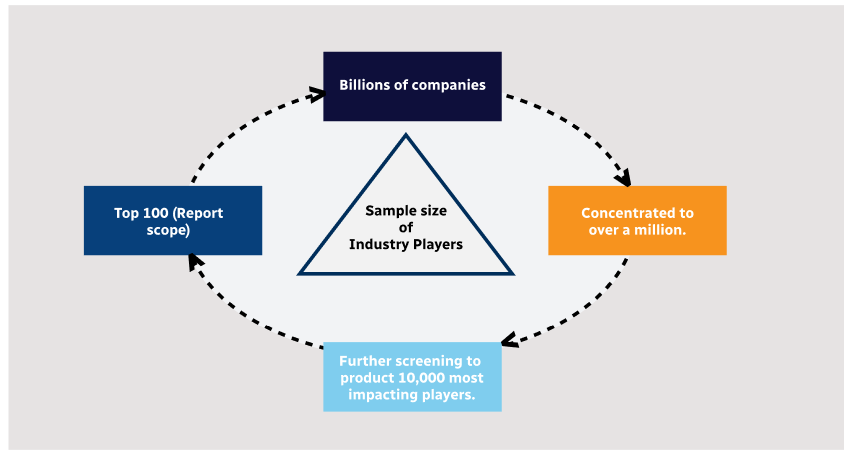
Step 1 - Identification of Relevant Samples Size from Population Database
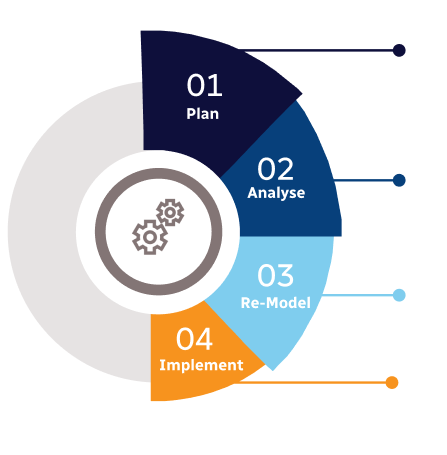
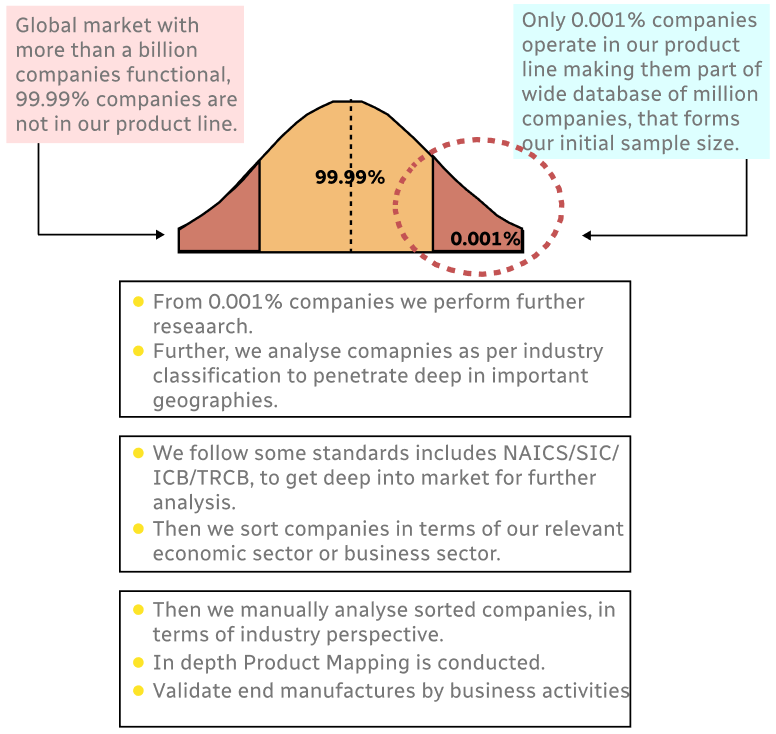
Step 2 - Approaches for Defining Global Market Size (Value, Volume* & Price*)
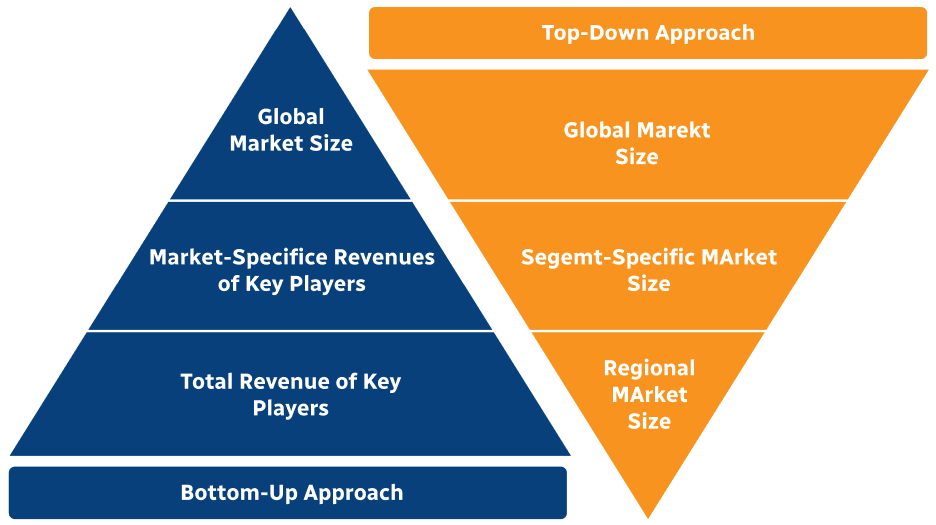
Note*: In applicable scenarios
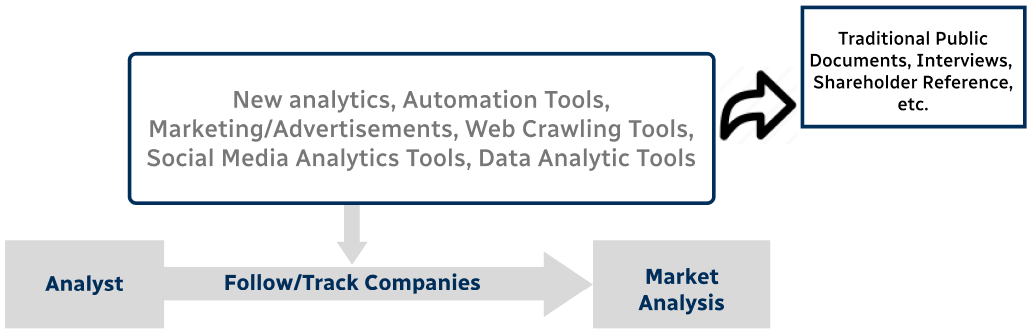
Step 3 - Data Sources
Primary Research
- Web Analytics
- Survey Reports
- Research Institute
- Latest Research Reports
- Opinion Leaders
Secondary Research
- Annual Reports
- White Paper
- Latest Press Release
- Industry Association
- Paid Database
- Investor Presentations
Step 4 - Data Triangulation
Involves using different sources of information in order to increase the validity of a study
These sources are likely to be stakeholders in a program - participants, other researchers, program staff, other community members, and so on.
Then we put all data in single framework & apply various statistical tools to find out the dynamic on the market.
During the analysis stage, feedback from the stakeholder groups would be compared to determine areas of agreement as well as areas of divergence