


Key Insights
The DDI Solutions market is projected for significant expansion, expected to reach $972.98 million by 2025, demonstrating a Compound Annual Growth Rate (CAGR) of 16% through 2033. This growth is driven by increasing IT infrastructure complexity, the widespread adoption of cloud services, and the essential requirement for robust network management and security. Organizations are increasingly reliant on efficient DDI solutions to manage a growing number of IP addresses, DNS, and DHCP services. The proliferation of IoT devices, the rise of hybrid and multi-cloud environments, and stringent regulatory compliance further accelerate market adoption. Key growth factors include the demand for enhanced network visibility, automation of DDI processes to reduce operational costs, and the imperative to prevent network downtime and security breaches.
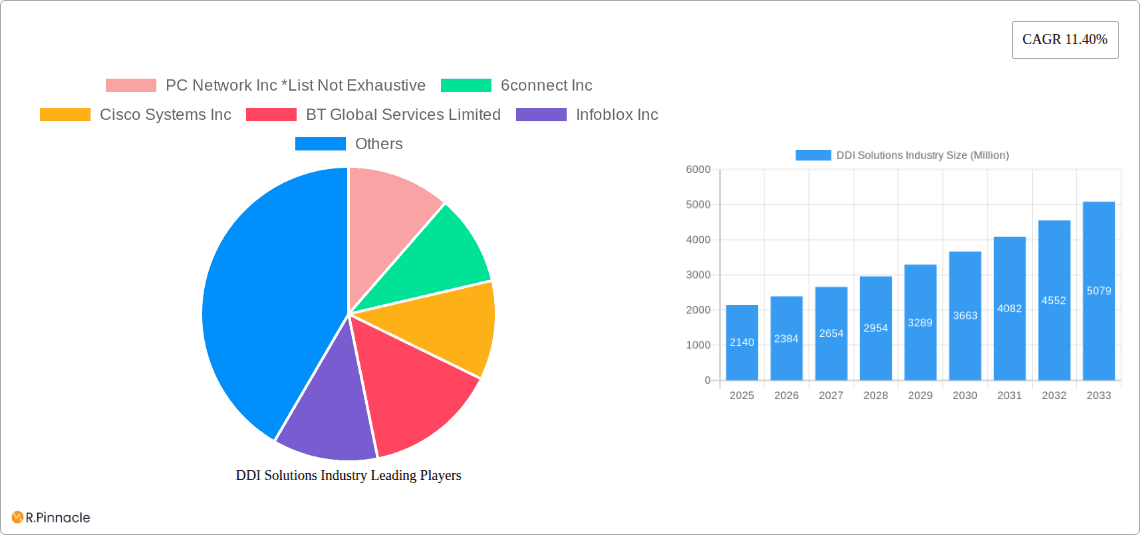
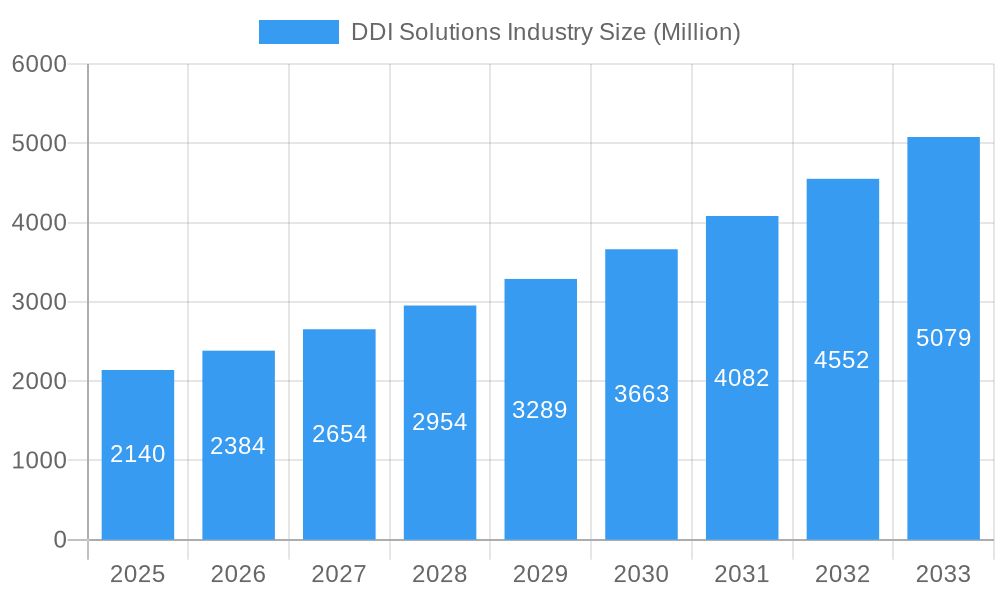
DDI Solutions Industry Market Size (In Million)

The market encompasses Hardware and Software solutions, with Software anticipated to lead due to its scalability, flexibility, and advanced intelligent network management features. Cloud-based deployment models are gaining traction, offering cost-effectiveness and rapid scalability, while on-premise solutions will remain relevant for organizations with strict data sovereignty needs. Key end-user industries include Manufacturing, Retail, Healthcare & Life Sciences, BFSI, and IT & Telecom, all of which depend heavily on network uptime and data integrity. The Asia Pacific region is poised for the fastest growth, fueled by digitalization and advanced technology adoption. Leading market players include Cisco Systems Inc., Infoblox Inc., and Nokia Corporation, who are actively innovating to deliver secure, scalable, and automated DDI solutions.
DDI Solutions Industry Company Market Share
DDI Solutions Industry Market Analysis: Forecast to 2033 – Unlocking Network Agility and Security
This comprehensive report offers an in-depth analysis of the Distributed Denial of Service (DDI) solutions industry, providing critical insights into market structure, dynamics, and future projections through 2033. Leveraging advanced analytics and extensive research, this report empowers industry professionals to navigate the evolving landscape of DDI services, encompassing DNS, DHCP, and IP Address Management (IPAM). Discover key market trends, technological advancements, and strategic opportunities that will shape the DDI solutions market in the coming decade.
DDI Solutions Industry Market Structure & Innovation Trends
The DDI solutions industry exhibits a moderately concentrated market structure, with a blend of established global players and specialized niche providers driving innovation. Key innovation drivers include the escalating demand for enhanced network security, the proliferation of IoT devices, and the increasing complexity of IP address management in dynamic cloud environments. Regulatory frameworks, particularly those concerning data privacy and cybersecurity, are increasingly influencing DDI solution development and adoption. Product substitutes, such as rudimentary manual IP management or basic network monitoring tools, are becoming less viable as organizations prioritize robust, automated DDI platforms. End-user demographics reveal a growing reliance on DDI solutions across all sectors, with IT & Telecom, BFSI, and Government & Defense sectors leading adoption. Mergers and acquisitions (M&A) activity is moderate, with strategic acquisitions aimed at expanding product portfolios, geographic reach, and technological capabilities. M&A deal values are projected to reach XX Million within the forecast period as companies seek to consolidate market share and enhance their competitive positioning.
- Market Concentration: Moderate, with key players focusing on integrated DDI platforms.
- Innovation Drivers: Cybersecurity needs, IoT expansion, cloud complexity, automation.
- Regulatory Impact: Data privacy, compliance mandates influencing solution design.
- End-User Demographics: Widespread adoption across all sectors, with specific high-growth areas.
- M&A Activity: Strategic acquisitions to broaden offerings and market access.
DDI Solutions Industry Market Dynamics & Trends
The DDI solutions industry is experiencing robust growth, fueled by a confluence of technological advancements and evolving business needs. A primary market growth driver is the increasing sophistication of cyber threats, necessitating advanced DDI solutions for network visibility, security, and resilience. The ongoing digital transformation across industries, including the widespread adoption of cloud computing and the Internet of Things (IoT), amplifies the complexity of network management, making integrated DDI platforms indispensable. Consumer preferences are shifting towards automated, intelligent DDI solutions that reduce manual errors, improve operational efficiency, and provide real-time threat intelligence. Technological disruptions, such as the integration of AI and machine learning into DDI platforms for predictive analytics and automated remediation, are redefining the competitive landscape. Competitive dynamics are characterized by a focus on feature-rich offerings, scalability, and seamless integration with existing IT infrastructure. The market penetration of DDI solutions is projected to reach XX% by 2033, driven by increasing awareness of the critical role DDI plays in maintaining network integrity and security. The Compound Annual Growth Rate (CAGR) for the DDI solutions market is estimated at XX% during the forecast period (2025–2033), indicating a strong upward trajectory.
- Growth Drivers: Cybersecurity imperative, digital transformation, cloud adoption, IoT proliferation.
- Technological Disruptions: AI/ML integration, enhanced automation, cloud-native DDI.
- Consumer Preferences: Demand for automated, intelligent, and secure DDI solutions.
- Competitive Dynamics: Emphasis on integrated platforms, scalability, and interoperability.
- Market Penetration: Increasing adoption rates across diverse industries.
- CAGR: Sustained double-digit growth projected through 2033.
Dominant Regions & Segments in DDI Solutions Industry
North America, particularly the United States, currently dominates the DDI solutions industry, driven by its mature IT infrastructure, significant investment in cybersecurity, and a high concentration of enterprises across key end-user industries. The region benefits from strong government initiatives promoting digital security and a proactive approach to adopting advanced technological solutions. Asia Pacific is emerging as a high-growth region, fueled by rapid digital transformation, increasing internet penetration, and a growing focus on cybersecurity in developing economies.
- Component Segmentation:
- Software: The software segment is projected to witness the highest growth, driven by the increasing demand for feature-rich, intelligent DDI platforms offering advanced automation, analytics, and security capabilities. Cloud-based DDI software solutions are particularly gaining traction due to their scalability, flexibility, and cost-effectiveness.
- Hardware: While hardware components remain essential for certain on-premise deployments, their market share is expected to be gradually overtaken by software-centric solutions as organizations move towards virtualized and cloud-based DDI architectures.
- Deployment Segmentation:
- Cloud: The cloud deployment model is anticipated to experience the most significant expansion, aligning with the broader industry trend towards cloud migration. Cloud-based DDI offers enhanced agility, remote accessibility, and simplified management, making it attractive for businesses of all sizes.
- On-premise: While on-premise deployments will continue to be relevant for organizations with strict data sovereignty requirements or legacy infrastructure, their market share is expected to stabilize or see a marginal decline in favor of cloud and hybrid solutions.
- End-User Industry Segmentation:
- IT & Telecom: This sector remains a dominant force in DDI adoption due to its complex network infrastructure and critical reliance on seamless IP management for service delivery. The constant evolution of telecommunications technologies and the expansion of 5G networks further bolster DDI demand.
- BFSI: The Banking, Financial Services, and Insurance (BFSI) sector demonstrates high adoption rates due to stringent regulatory compliance requirements, the need for robust security to protect sensitive financial data, and the operational criticality of uninterrupted network services.
- Government & Defense: This sector prioritizes highly secure and resilient DDI solutions to safeguard national infrastructure and sensitive government data. The increasing adoption of digital government initiatives further drives demand.
- Manufacturing: The increasing integration of IoT devices and smart factory technologies in manufacturing is driving the need for comprehensive DDI solutions to manage the growing number of connected endpoints and ensure operational continuity.
- Healthcare and Life Sciences: With the proliferation of connected medical devices and electronic health records, DDI solutions are becoming crucial for ensuring data integrity, patient privacy, and the reliable operation of healthcare IT systems.
- Retail: The retail sector is adopting DDI solutions to manage the complex networks of point-of-sale systems, inventory management, and e-commerce platforms, thereby enhancing customer experience and operational efficiency.
- Education: Educational institutions are leveraging DDI solutions to manage their expanding campus networks, support remote learning initiatives, and secure student and faculty data.
- Other End-user Industries: Emerging applications of DDI are being witnessed in sectors like energy, transportation, and logistics, as these industries increasingly rely on networked systems for their operations.
DDI Solutions Industry Product Innovations
Product innovation in the DDI solutions industry is characterized by the development of advanced automation features, enhanced security protocols, and seamless integration capabilities. Companies are focusing on AI-driven analytics for predictive issue resolution and intelligent IP address allocation. The emphasis is on creating unified platforms that offer comprehensive DNS, DHCP, and IPAM functionalities, reducing complexity and improving operational efficiency. Competitive advantages are being forged through superior threat detection and mitigation features, user-friendly interfaces, and robust scalability to accommodate growing network demands.
Report Scope & Segmentation Analysis
This report provides a comprehensive segmentation analysis of the DDI solutions market, covering key aspects of Component (Hardware, Software), Deployment (On-premise, Cloud), and End-user Industry (Manufacturing, Retail, Healthcare and Life Sciences, Education, BFSI, IT & Telecom, Government & Defense, Other End-user Industries). The software segment is poised for significant growth, driven by advanced automation and security features, with market sizes projected to exceed XX Million. Cloud deployments are expected to dominate, offering flexibility and scalability, with an estimated market share of XX% by 2033. The IT & Telecom and BFSI sectors are anticipated to continue leading adoption, with projected market values of XX Million and XX Million respectively.
- Component: Software segment expected to witness strong growth due to advanced features and cloud integration.
- Deployment: Cloud deployment to dominate, driven by scalability and flexibility needs.
- End-user Industry: IT & Telecom and BFSI sectors to remain key contributors, with significant growth in Healthcare and Manufacturing.
Key Drivers of DDI Solutions Industry Growth
Several key factors are propelling the growth of the DDI solutions industry. The ever-increasing complexity of modern IT networks, driven by the proliferation of devices, cloud adoption, and remote workforces, necessitates robust and automated IP address management. Escalating cybersecurity threats and the need for granular network visibility and control are major catalysts. Furthermore, the growing demand for operational efficiency and the reduction of human error in network management are pushing organizations towards integrated DDI solutions. Compliance with increasingly stringent data privacy regulations also plays a significant role, as effective DDI is crucial for maintaining an audit trail and ensuring network security.
- Network Complexity: Increased device density, cloud services, and remote work.
- Cybersecurity Imperative: Demand for advanced threat detection and mitigation.
- Operational Efficiency: Automation and error reduction in network management.
- Regulatory Compliance: Adherence to data privacy and security mandates.
Challenges in the DDI Solutions Industry Sector
Despite its strong growth trajectory, the DDI solutions industry faces several challenges. The perceived high initial cost of implementing comprehensive DDI solutions can be a barrier for small and medium-sized enterprises (SMEs). Interoperability issues with existing legacy systems can also pose integration challenges. The evolving threat landscape requires continuous updates and adaptation of DDI solutions, demanding significant R&D investment from vendors. Furthermore, a shortage of skilled IT professionals with expertise in DDI technologies can hinder adoption and effective utilization. Competition from fragmented point solutions offering specific DDI functionalities can also fragment the market.
- Initial Cost: High upfront investment for comprehensive DDI platforms.
- Integration Complexity: Challenges with legacy systems and diverse IT environments.
- Evolving Threat Landscape: Need for constant adaptation and updates.
- Skills Gap: Shortage of DDI-proficient IT professionals.
- Market Fragmentation: Competition from specialized point solutions.
Emerging Opportunities in DDI Solutions Industry
The DDI solutions industry is rife with emerging opportunities. The rapid expansion of IoT devices across various sectors, from smart homes to industrial automation, presents a vast market for scalable and secure DDI management. The increasing adoption of hybrid and multi-cloud environments creates a demand for DDI solutions that can provide seamless management across disparate cloud infrastructures. Furthermore, the growing focus on edge computing necessitates DDI solutions that can effectively manage distributed network resources. The integration of advanced analytics, AI, and machine learning into DDI platforms offers opportunities for predictive maintenance, automated threat response, and enhanced network intelligence.
- IoT Expansion: Managing a massive influx of connected devices.
- Hybrid & Multi-Cloud: Unified DDI management across diverse cloud environments.
- Edge Computing: DDI for distributed and decentralized network infrastructures.
- AI/ML Integration: Predictive analytics and automated threat remediation.
Leading Players in the DDI Solutions Industry Market
- PC Network Inc
- 6connect Inc
- Cisco Systems Inc
- BT Global Services Limited
- Infoblox Inc
- BlueCat Networks Inc
- Men & Mice
- FusionLayer Inc
- Nokia Corporation
- TCPWave Inc
- Efficient IP SAS
Key Developments in DDI Solutions Industry Industry
- January 2023: EfficientIP, a DDI security and automation specialist (DNS, DHCP, IPAM), has declared the launch of its new DNS-based Data Exfiltration Application. The application is primarily designed as a hands-on web tool to allow organizations to securely conduct their own "ethical hack" on their DNS system and related security defenses to identify various crucial potential vulnerabilities in their network that could lead to a data breach. This development significantly enhances DDI security offerings and provides proactive vulnerability assessment tools for organizations.
- March 2022: EfficientIP, the French specialist in DDI automation (DNS, DHCP, IPAM) and security, has announced a pan-European partnership with the Nomios Group. The collaboration allows the firms to deliver EfficientIP's DDI offering autonomously in Germany, Belgium, France, Poland, the Netherlands, and the United Kingdom. This strategic partnership expands EfficientIP's market reach and strengthens its service delivery capabilities across key European markets, indicating a focus on regional expansion and enhanced customer support.
Future Outlook for DDI Solutions Industry Market
The future outlook for the DDI solutions industry is exceptionally bright, driven by the indispensable role DDI plays in modern, complex, and security-conscious IT environments. The continued digital transformation, the relentless growth of IoT, and the expanding adoption of cloud and edge computing will serve as perpetual growth accelerators. Organizations will increasingly rely on intelligent, automated DDI solutions to ensure network stability, security, and agility. Strategic opportunities lie in developing more sophisticated AI-powered analytics for predictive network management and advanced threat intelligence. The market is poised for sustained innovation, with vendors focusing on integrated platforms, enhanced security features, and seamless integration capabilities to meet the evolving demands of a digitally interconnected world. The projected market size is expected to reach XX Billion by 2033.
DDI Solutions Industry Segmentation
-
1. Component
- 1.1. Hardware
- 1.2. Software
-
2. Deployment
- 2.1. On-premise
- 2.2. Cloud
-
3. End-user Industry
- 3.1. Manufacturing
- 3.2. Retail
- 3.3. Healthcare and Life Sciences
- 3.4. Education
- 3.5. BFSI
- 3.6. IT & Telecom
- 3.7. Government & Defense
- 3.8. Other End-user Industries
DDI Solutions Industry Segmentation By Geography
- 1. North America
- 2. Europe
- 3. Asia Pacific
- 4. Latin America
- 5. Middle East
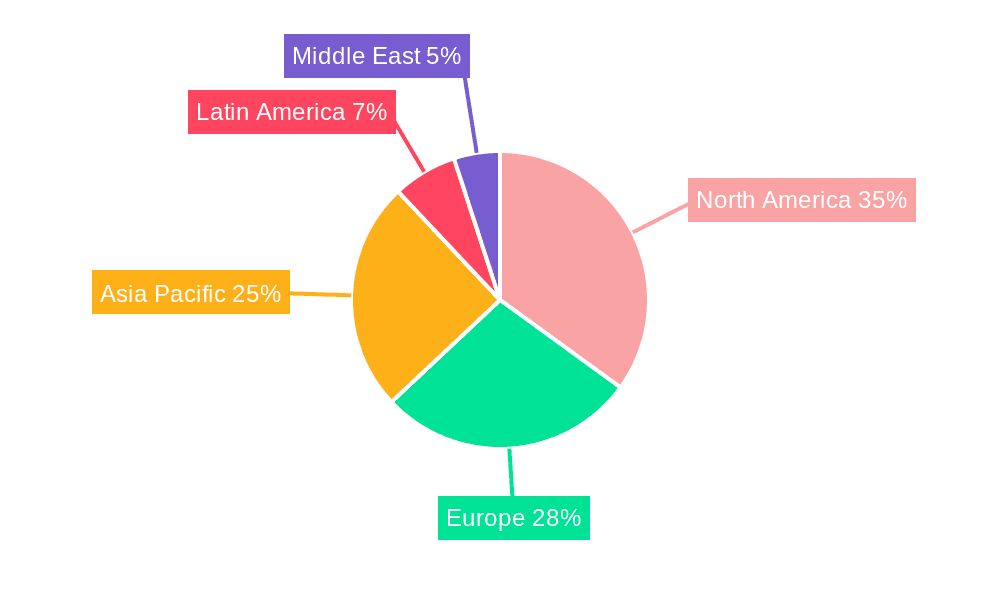
DDI Solutions Industry Regional Market Share
Geographic Coverage of DDI Solutions Industry
DDI Solutions Industry REPORT HIGHLIGHTS
| Aspects | Details |
|---|---|
| Study Period | 2020-2034 |
| Base Year | 2025 |
| Estimated Year | 2026 |
| Forecast Period | 2026-2034 |
| Historical Period | 2020-2025 |
| Growth Rate | CAGR of 16% from 2020-2034 |
| Segmentation |
|
Table of Contents
- 1. Introduction
- 1.1. Research Scope
- 1.2. Market Segmentation
- 1.3. Research Methodology
- 1.4. Definitions and Assumptions
- 2. Executive Summary
- 2.1. Introduction
- 3. Market Dynamics
- 3.1. Introduction
- 3.2. Market Drivers
- 3.2.1. Increasing Adoption of Cloud Computing and IoT; Increasing Concern About Security and Privacy of Data
- 3.3. Market Restrains
- 3.3.1. Limited Budgets and Low Investments owing to Complexities and Associated Risks.
- 3.4. Market Trends
- 3.4.1. IPv6 Devices to Drive the Market Growth
- 4. Market Factor Analysis
- 4.1. Porters Five Forces
- 4.2. Supply/Value Chain
- 4.3. PESTEL analysis
- 4.4. Market Entropy
- 4.5. Patent/Trademark Analysis
- 5. Global DDI Solutions Industry Analysis, Insights and Forecast, 2020-2032
- 5.1. Market Analysis, Insights and Forecast - by Component
- 5.1.1. Hardware
- 5.1.2. Software
- 5.2. Market Analysis, Insights and Forecast - by Deployment
- 5.2.1. On-premise
- 5.2.2. Cloud
- 5.3. Market Analysis, Insights and Forecast - by End-user Industry
- 5.3.1. Manufacturing
- 5.3.2. Retail
- 5.3.3. Healthcare and Life Sciences
- 5.3.4. Education
- 5.3.5. BFSI
- 5.3.6. IT & Telecom
- 5.3.7. Government & Defense
- 5.3.8. Other End-user Industries
- 5.4. Market Analysis, Insights and Forecast - by Region
- 5.4.1. North America
- 5.4.2. Europe
- 5.4.3. Asia Pacific
- 5.4.4. Latin America
- 5.4.5. Middle East
- 5.1. Market Analysis, Insights and Forecast - by Component
- 6. North America DDI Solutions Industry Analysis, Insights and Forecast, 2020-2032
- 6.1. Market Analysis, Insights and Forecast - by Component
- 6.1.1. Hardware
- 6.1.2. Software
- 6.2. Market Analysis, Insights and Forecast - by Deployment
- 6.2.1. On-premise
- 6.2.2. Cloud
- 6.3. Market Analysis, Insights and Forecast - by End-user Industry
- 6.3.1. Manufacturing
- 6.3.2. Retail
- 6.3.3. Healthcare and Life Sciences
- 6.3.4. Education
- 6.3.5. BFSI
- 6.3.6. IT & Telecom
- 6.3.7. Government & Defense
- 6.3.8. Other End-user Industries
- 6.1. Market Analysis, Insights and Forecast - by Component
- 7. Europe DDI Solutions Industry Analysis, Insights and Forecast, 2020-2032
- 7.1. Market Analysis, Insights and Forecast - by Component
- 7.1.1. Hardware
- 7.1.2. Software
- 7.2. Market Analysis, Insights and Forecast - by Deployment
- 7.2.1. On-premise
- 7.2.2. Cloud
- 7.3. Market Analysis, Insights and Forecast - by End-user Industry
- 7.3.1. Manufacturing
- 7.3.2. Retail
- 7.3.3. Healthcare and Life Sciences
- 7.3.4. Education
- 7.3.5. BFSI
- 7.3.6. IT & Telecom
- 7.3.7. Government & Defense
- 7.3.8. Other End-user Industries
- 7.1. Market Analysis, Insights and Forecast - by Component
- 8. Asia Pacific DDI Solutions Industry Analysis, Insights and Forecast, 2020-2032
- 8.1. Market Analysis, Insights and Forecast - by Component
- 8.1.1. Hardware
- 8.1.2. Software
- 8.2. Market Analysis, Insights and Forecast - by Deployment
- 8.2.1. On-premise
- 8.2.2. Cloud
- 8.3. Market Analysis, Insights and Forecast - by End-user Industry
- 8.3.1. Manufacturing
- 8.3.2. Retail
- 8.3.3. Healthcare and Life Sciences
- 8.3.4. Education
- 8.3.5. BFSI
- 8.3.6. IT & Telecom
- 8.3.7. Government & Defense
- 8.3.8. Other End-user Industries
- 8.1. Market Analysis, Insights and Forecast - by Component
- 9. Latin America DDI Solutions Industry Analysis, Insights and Forecast, 2020-2032
- 9.1. Market Analysis, Insights and Forecast - by Component
- 9.1.1. Hardware
- 9.1.2. Software
- 9.2. Market Analysis, Insights and Forecast - by Deployment
- 9.2.1. On-premise
- 9.2.2. Cloud
- 9.3. Market Analysis, Insights and Forecast - by End-user Industry
- 9.3.1. Manufacturing
- 9.3.2. Retail
- 9.3.3. Healthcare and Life Sciences
- 9.3.4. Education
- 9.3.5. BFSI
- 9.3.6. IT & Telecom
- 9.3.7. Government & Defense
- 9.3.8. Other End-user Industries
- 9.1. Market Analysis, Insights and Forecast - by Component
- 10. Middle East DDI Solutions Industry Analysis, Insights and Forecast, 2020-2032
- 10.1. Market Analysis, Insights and Forecast - by Component
- 10.1.1. Hardware
- 10.1.2. Software
- 10.2. Market Analysis, Insights and Forecast - by Deployment
- 10.2.1. On-premise
- 10.2.2. Cloud
- 10.3. Market Analysis, Insights and Forecast - by End-user Industry
- 10.3.1. Manufacturing
- 10.3.2. Retail
- 10.3.3. Healthcare and Life Sciences
- 10.3.4. Education
- 10.3.5. BFSI
- 10.3.6. IT & Telecom
- 10.3.7. Government & Defense
- 10.3.8. Other End-user Industries
- 10.1. Market Analysis, Insights and Forecast - by Component
- 11. Competitive Analysis
- 11.1. Global Market Share Analysis 2025
- 11.2. Company Profiles
- 11.2.1 PC Network Inc *List Not Exhaustive
- 11.2.1.1. Overview
- 11.2.1.2. Products
- 11.2.1.3. SWOT Analysis
- 11.2.1.4. Recent Developments
- 11.2.1.5. Financials (Based on Availability)
- 11.2.2 6connect Inc
- 11.2.2.1. Overview
- 11.2.2.2. Products
- 11.2.2.3. SWOT Analysis
- 11.2.2.4. Recent Developments
- 11.2.2.5. Financials (Based on Availability)
- 11.2.3 Cisco Systems Inc
- 11.2.3.1. Overview
- 11.2.3.2. Products
- 11.2.3.3. SWOT Analysis
- 11.2.3.4. Recent Developments
- 11.2.3.5. Financials (Based on Availability)
- 11.2.4 BT Global Services Limited
- 11.2.4.1. Overview
- 11.2.4.2. Products
- 11.2.4.3. SWOT Analysis
- 11.2.4.4. Recent Developments
- 11.2.4.5. Financials (Based on Availability)
- 11.2.5 Infoblox Inc
- 11.2.5.1. Overview
- 11.2.5.2. Products
- 11.2.5.3. SWOT Analysis
- 11.2.5.4. Recent Developments
- 11.2.5.5. Financials (Based on Availability)
- 11.2.6 BlueCat Networks Inc
- 11.2.6.1. Overview
- 11.2.6.2. Products
- 11.2.6.3. SWOT Analysis
- 11.2.6.4. Recent Developments
- 11.2.6.5. Financials (Based on Availability)
- 11.2.7 Men & Mice
- 11.2.7.1. Overview
- 11.2.7.2. Products
- 11.2.7.3. SWOT Analysis
- 11.2.7.4. Recent Developments
- 11.2.7.5. Financials (Based on Availability)
- 11.2.8 FusionLayer Inc
- 11.2.8.1. Overview
- 11.2.8.2. Products
- 11.2.8.3. SWOT Analysis
- 11.2.8.4. Recent Developments
- 11.2.8.5. Financials (Based on Availability)
- 11.2.9 Nokia Corporation
- 11.2.9.1. Overview
- 11.2.9.2. Products
- 11.2.9.3. SWOT Analysis
- 11.2.9.4. Recent Developments
- 11.2.9.5. Financials (Based on Availability)
- 11.2.10 TCPWave Inc
- 11.2.10.1. Overview
- 11.2.10.2. Products
- 11.2.10.3. SWOT Analysis
- 11.2.10.4. Recent Developments
- 11.2.10.5. Financials (Based on Availability)
- 11.2.11 Efficient IP SAS
- 11.2.11.1. Overview
- 11.2.11.2. Products
- 11.2.11.3. SWOT Analysis
- 11.2.11.4. Recent Developments
- 11.2.11.5. Financials (Based on Availability)
- 11.2.1 PC Network Inc *List Not Exhaustive
List of Figures
- Figure 1: Global DDI Solutions Industry Revenue Breakdown (million, %) by Region 2025 & 2033
- Figure 2: North America DDI Solutions Industry Revenue (million), by Component 2025 & 2033
- Figure 3: North America DDI Solutions Industry Revenue Share (%), by Component 2025 & 2033
- Figure 4: North America DDI Solutions Industry Revenue (million), by Deployment 2025 & 2033
- Figure 5: North America DDI Solutions Industry Revenue Share (%), by Deployment 2025 & 2033
- Figure 6: North America DDI Solutions Industry Revenue (million), by End-user Industry 2025 & 2033
- Figure 7: North America DDI Solutions Industry Revenue Share (%), by End-user Industry 2025 & 2033
- Figure 8: North America DDI Solutions Industry Revenue (million), by Country 2025 & 2033
- Figure 9: North America DDI Solutions Industry Revenue Share (%), by Country 2025 & 2033
- Figure 10: Europe DDI Solutions Industry Revenue (million), by Component 2025 & 2033
- Figure 11: Europe DDI Solutions Industry Revenue Share (%), by Component 2025 & 2033
- Figure 12: Europe DDI Solutions Industry Revenue (million), by Deployment 2025 & 2033
- Figure 13: Europe DDI Solutions Industry Revenue Share (%), by Deployment 2025 & 2033
- Figure 14: Europe DDI Solutions Industry Revenue (million), by End-user Industry 2025 & 2033
- Figure 15: Europe DDI Solutions Industry Revenue Share (%), by End-user Industry 2025 & 2033
- Figure 16: Europe DDI Solutions Industry Revenue (million), by Country 2025 & 2033
- Figure 17: Europe DDI Solutions Industry Revenue Share (%), by Country 2025 & 2033
- Figure 18: Asia Pacific DDI Solutions Industry Revenue (million), by Component 2025 & 2033
- Figure 19: Asia Pacific DDI Solutions Industry Revenue Share (%), by Component 2025 & 2033
- Figure 20: Asia Pacific DDI Solutions Industry Revenue (million), by Deployment 2025 & 2033
- Figure 21: Asia Pacific DDI Solutions Industry Revenue Share (%), by Deployment 2025 & 2033
- Figure 22: Asia Pacific DDI Solutions Industry Revenue (million), by End-user Industry 2025 & 2033
- Figure 23: Asia Pacific DDI Solutions Industry Revenue Share (%), by End-user Industry 2025 & 2033
- Figure 24: Asia Pacific DDI Solutions Industry Revenue (million), by Country 2025 & 2033
- Figure 25: Asia Pacific DDI Solutions Industry Revenue Share (%), by Country 2025 & 2033
- Figure 26: Latin America DDI Solutions Industry Revenue (million), by Component 2025 & 2033
- Figure 27: Latin America DDI Solutions Industry Revenue Share (%), by Component 2025 & 2033
- Figure 28: Latin America DDI Solutions Industry Revenue (million), by Deployment 2025 & 2033
- Figure 29: Latin America DDI Solutions Industry Revenue Share (%), by Deployment 2025 & 2033
- Figure 30: Latin America DDI Solutions Industry Revenue (million), by End-user Industry 2025 & 2033
- Figure 31: Latin America DDI Solutions Industry Revenue Share (%), by End-user Industry 2025 & 2033
- Figure 32: Latin America DDI Solutions Industry Revenue (million), by Country 2025 & 2033
- Figure 33: Latin America DDI Solutions Industry Revenue Share (%), by Country 2025 & 2033
- Figure 34: Middle East DDI Solutions Industry Revenue (million), by Component 2025 & 2033
- Figure 35: Middle East DDI Solutions Industry Revenue Share (%), by Component 2025 & 2033
- Figure 36: Middle East DDI Solutions Industry Revenue (million), by Deployment 2025 & 2033
- Figure 37: Middle East DDI Solutions Industry Revenue Share (%), by Deployment 2025 & 2033
- Figure 38: Middle East DDI Solutions Industry Revenue (million), by End-user Industry 2025 & 2033
- Figure 39: Middle East DDI Solutions Industry Revenue Share (%), by End-user Industry 2025 & 2033
- Figure 40: Middle East DDI Solutions Industry Revenue (million), by Country 2025 & 2033
- Figure 41: Middle East DDI Solutions Industry Revenue Share (%), by Country 2025 & 2033
List of Tables
- Table 1: Global DDI Solutions Industry Revenue million Forecast, by Component 2020 & 2033
- Table 2: Global DDI Solutions Industry Revenue million Forecast, by Deployment 2020 & 2033
- Table 3: Global DDI Solutions Industry Revenue million Forecast, by End-user Industry 2020 & 2033
- Table 4: Global DDI Solutions Industry Revenue million Forecast, by Region 2020 & 2033
- Table 5: Global DDI Solutions Industry Revenue million Forecast, by Component 2020 & 2033
- Table 6: Global DDI Solutions Industry Revenue million Forecast, by Deployment 2020 & 2033
- Table 7: Global DDI Solutions Industry Revenue million Forecast, by End-user Industry 2020 & 2033
- Table 8: Global DDI Solutions Industry Revenue million Forecast, by Country 2020 & 2033
- Table 9: Global DDI Solutions Industry Revenue million Forecast, by Component 2020 & 2033
- Table 10: Global DDI Solutions Industry Revenue million Forecast, by Deployment 2020 & 2033
- Table 11: Global DDI Solutions Industry Revenue million Forecast, by End-user Industry 2020 & 2033
- Table 12: Global DDI Solutions Industry Revenue million Forecast, by Country 2020 & 2033
- Table 13: Global DDI Solutions Industry Revenue million Forecast, by Component 2020 & 2033
- Table 14: Global DDI Solutions Industry Revenue million Forecast, by Deployment 2020 & 2033
- Table 15: Global DDI Solutions Industry Revenue million Forecast, by End-user Industry 2020 & 2033
- Table 16: Global DDI Solutions Industry Revenue million Forecast, by Country 2020 & 2033
- Table 17: Global DDI Solutions Industry Revenue million Forecast, by Component 2020 & 2033
- Table 18: Global DDI Solutions Industry Revenue million Forecast, by Deployment 2020 & 2033
- Table 19: Global DDI Solutions Industry Revenue million Forecast, by End-user Industry 2020 & 2033
- Table 20: Global DDI Solutions Industry Revenue million Forecast, by Country 2020 & 2033
- Table 21: Global DDI Solutions Industry Revenue million Forecast, by Component 2020 & 2033
- Table 22: Global DDI Solutions Industry Revenue million Forecast, by Deployment 2020 & 2033
- Table 23: Global DDI Solutions Industry Revenue million Forecast, by End-user Industry 2020 & 2033
- Table 24: Global DDI Solutions Industry Revenue million Forecast, by Country 2020 & 2033
Frequently Asked Questions
1. What is the projected Compound Annual Growth Rate (CAGR) of the DDI Solutions Industry?
The projected CAGR is approximately 16%.
2. Which companies are prominent players in the DDI Solutions Industry?
Key companies in the market include PC Network Inc *List Not Exhaustive, 6connect Inc, Cisco Systems Inc, BT Global Services Limited, Infoblox Inc, BlueCat Networks Inc, Men & Mice, FusionLayer Inc, Nokia Corporation, TCPWave Inc, Efficient IP SAS.
3. What are the main segments of the DDI Solutions Industry?
The market segments include Component, Deployment, End-user Industry.
4. Can you provide details about the market size?
The market size is estimated to be USD 972.98 million as of 2022.
5. What are some drivers contributing to market growth?
Increasing Adoption of Cloud Computing and IoT; Increasing Concern About Security and Privacy of Data.
6. What are the notable trends driving market growth?
IPv6 Devices to Drive the Market Growth.
7. Are there any restraints impacting market growth?
Limited Budgets and Low Investments owing to Complexities and Associated Risks..
8. Can you provide examples of recent developments in the market?
January 2023: EfficientIP, a DDI security and automation specialist (DNS, DHCP, IPAM), has declared the launch of its new DNS-based Data Exfiltration Application. The application is primarily designed as a hands-on web tool to allow organizations to securely conduct their own "ethical hack" on their DNS system and related security defenses to identify various crucial potential vulnerabilities in their network that could lead to a data breach.
9. What pricing options are available for accessing the report?
Pricing options include single-user, multi-user, and enterprise licenses priced at USD 4750, USD 5250, and USD 8750 respectively.
10. Is the market size provided in terms of value or volume?
The market size is provided in terms of value, measured in million.
11. Are there any specific market keywords associated with the report?
Yes, the market keyword associated with the report is "DDI Solutions Industry," which aids in identifying and referencing the specific market segment covered.
12. How do I determine which pricing option suits my needs best?
The pricing options vary based on user requirements and access needs. Individual users may opt for single-user licenses, while businesses requiring broader access may choose multi-user or enterprise licenses for cost-effective access to the report.
13. Are there any additional resources or data provided in the DDI Solutions Industry report?
While the report offers comprehensive insights, it's advisable to review the specific contents or supplementary materials provided to ascertain if additional resources or data are available.
14. How can I stay updated on further developments or reports in the DDI Solutions Industry?
To stay informed about further developments, trends, and reports in the DDI Solutions Industry, consider subscribing to industry newsletters, following relevant companies and organizations, or regularly checking reputable industry news sources and publications.
Methodology
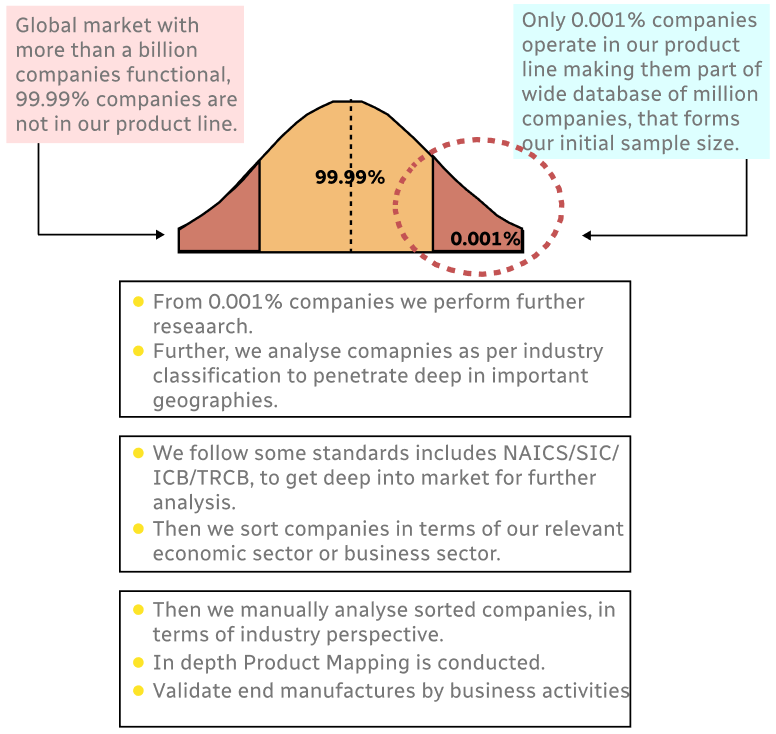
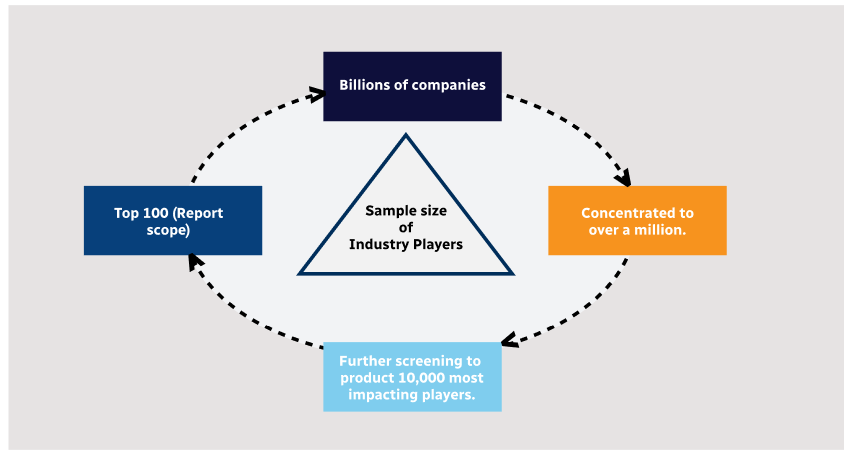
Step 1 - Identification of Relevant Samples Size from Population Database
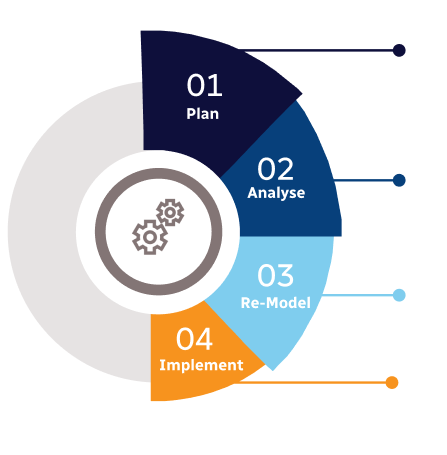
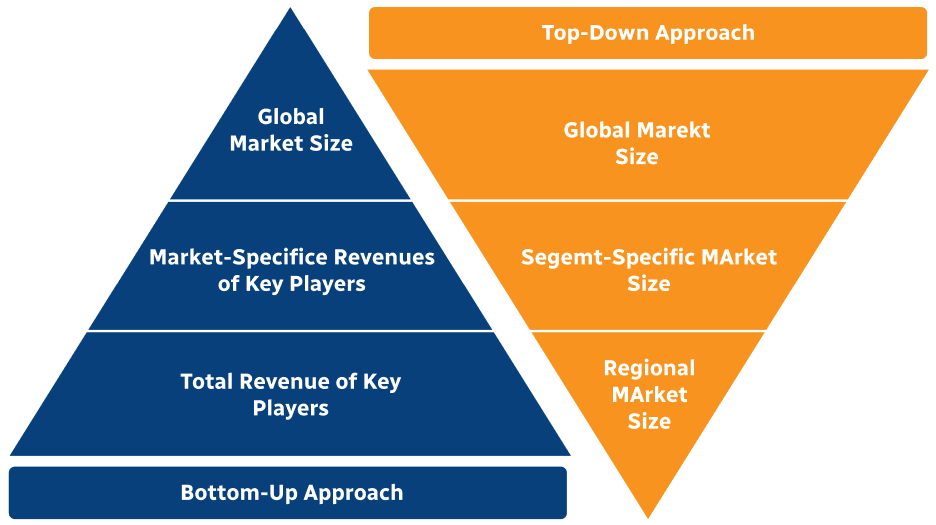
Step 2 - Approaches for Defining Global Market Size (Value, Volume* & Price*)
Note*: In applicable scenarios
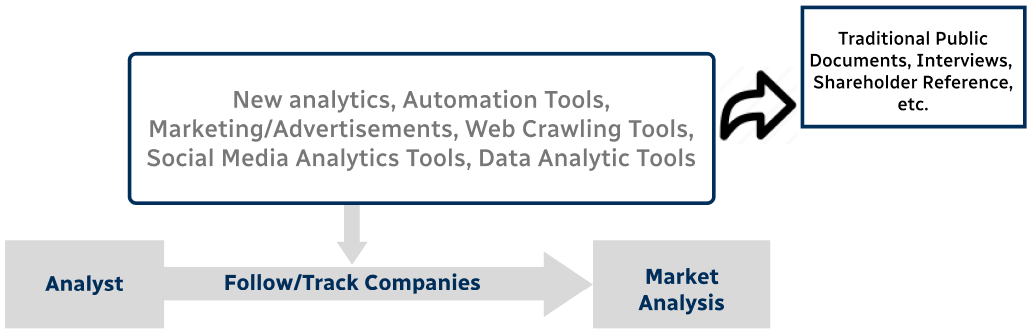
Step 3 - Data Sources
Primary Research
- Web Analytics
- Survey Reports
- Research Institute
- Latest Research Reports
- Opinion Leaders
Secondary Research
- Annual Reports
- White Paper
- Latest Press Release
- Industry Association
- Paid Database
- Investor Presentations
Step 4 - Data Triangulation
Involves using different sources of information in order to increase the validity of a study
These sources are likely to be stakeholders in a program - participants, other researchers, program staff, other community members, and so on.
Then we put all data in single framework & apply various statistical tools to find out the dynamic on the market.
During the analysis stage, feedback from the stakeholder groups would be compared to determine areas of agreement as well as areas of divergence