


Key Insights
The Functional Near-Infrared Optical Brain Imaging Market is experiencing robust growth, projected to reach an estimated $330 million in 2024. This expansion is fueled by a CAGR of 13.4%, indicating a dynamic and rapidly evolving landscape. The market is primarily driven by the increasing prevalence of neurological disorders, a growing awareness of neurodegenerative diseases, and significant advancements in optical imaging technologies. These technological leaps are enabling more precise and non-invasive brain monitoring, thereby expanding the diagnostic and research capabilities of fNIRS systems. Furthermore, the rising demand for personalized medicine and the growing focus on early diagnosis of conditions like Parkinson's disease, epilepsy, and dementia are key accelerators. The market is also benefiting from increased investment in neuroscience research and the development of advanced neurofeedback systems.
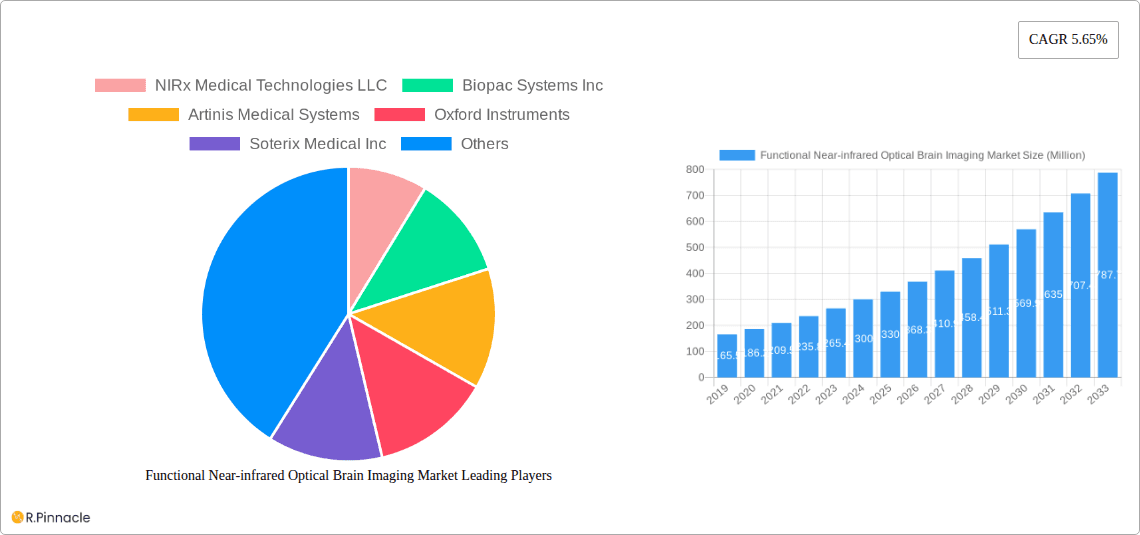
Functional Near-infrared Optical Brain Imaging Market Market Size (In Million)

The competitive landscape of the Functional Near-Infrared Optical Brain Imaging Market is characterized by the presence of established global players and emerging innovators. Key segments include applications for Parkinson's Disease, Epilepsy, Dementia, Traumatic Brain Injury, and Sleep Disorders, with Hospitals and Diagnostic Centers being the primary end-users. Geographically, North America and Europe currently dominate the market due to high healthcare expenditure, advanced research infrastructure, and strong regulatory frameworks. However, the Asia Pacific region is expected to witness substantial growth driven by increasing healthcare investments, a rising burden of neurological diseases, and the expanding adoption of advanced medical technologies. The market's future trajectory will likely be shaped by continued innovation in fNIRS technology, the development of more portable and cost-effective devices, and the successful integration of fNIRS data with other neuroimaging modalities for comprehensive brain analysis.
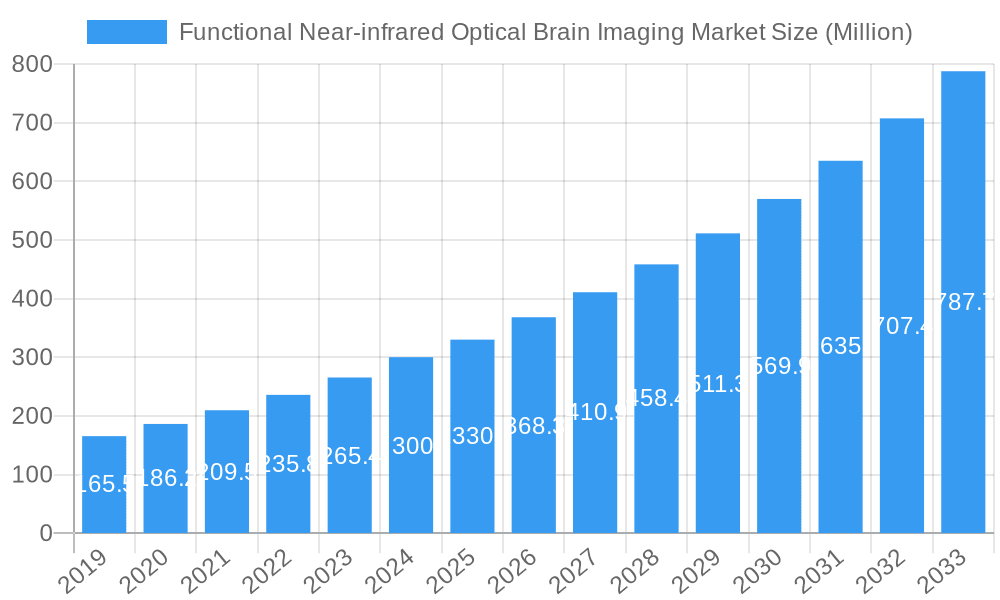
Functional Near-infrared Optical Brain Imaging Market Company Market Share
This comprehensive report offers an in-depth analysis of the global Functional Near-Infrared Optical Brain Imaging (fNIRS) market, exploring its current landscape, future trajectory, and the innovative technologies driving its expansion. Dive into actionable insights for stakeholders seeking to capitalize on the growing demand for advanced brain monitoring solutions. Our analysis covers the study period from 2019 to 2033, with a base year of 2025, providing a robust forecast for the period 2025–2033.
Functional Near-infrared Optical Brain Imaging Market Market Structure & Innovation Trends
The Functional Near-Infrared Optical Brain Imaging market is characterized by a moderate level of concentration, with several key players vying for market dominance. Innovation is a primary driver, fueled by continuous advancements in hardware miniaturization, signal processing algorithms, and the development of novel applications. Regulatory frameworks are evolving to accommodate the increasing adoption of fNIRS in clinical settings, with a growing emphasis on standardization and validation. While direct product substitutes are limited, advancements in other neuroimaging modalities like fMRI and EEG present indirect competition. End-user demographics are expanding beyond traditional research institutions to include a broader range of hospitals and diagnostic centers, particularly those specializing in neurological disorders. Mergers and acquisitions (M&A) are expected to play a role in consolidating market share and fostering technological integration, with estimated M&A deal values projected to reach $150 million by 2025. The market share of leading companies is estimated to be distributed, with the top three players holding approximately 45% of the market in the base year.
- Innovation Drivers: Miniaturization of devices, enhanced signal-to-noise ratio, multi-modal integration, wearable technology development.
- Regulatory Landscape: Increasing FDA approvals for clinical applications, ongoing efforts for standardization by international bodies.
- Product Substitutes: Functional Magnetic Resonance Imaging (fMRI), Electroencephalography (EEG), Magnetoencephalography (MEG).
- End-User Demographics: Research institutions, hospitals (neurology, rehabilitation), diagnostic centers, sports science, and cognitive neuroscience.
- M&A Activities: Strategic acquisitions to expand product portfolios and market reach, expected to see increased activity in the forecast period.
Functional Near-infrared Optical Brain Imaging Market Market Dynamics & Trends
The Functional Near-Infrared Optical Brain Imaging market is poised for substantial growth, driven by a confluence of factors including the escalating prevalence of neurological disorders, a burgeoning demand for non-invasive diagnostic tools, and significant technological advancements. The market is projected to grow at a Compound Annual Growth Rate (CAGR) of approximately 14.5% during the forecast period (2025–2033). Market penetration is expected to increase as fNIRS systems become more affordable, user-friendly, and clinically validated. Technological disruptions, such as the development of wearable and portable fNIRS devices, are democratizing brain imaging, making it accessible outside of traditional laboratory settings. Consumer preferences are leaning towards less invasive and more comfortable neuroimaging solutions, positioning fNIRS favorably against more cumbersome technologies. Competitive dynamics are intensifying, with both established players and emerging startups innovating rapidly to capture market share. The increasing integration of AI and machine learning algorithms for data analysis further enhances the utility and appeal of fNIRS. The market's expansion is also bolstered by a growing understanding of brain function and the need for real-time physiological monitoring in various fields, from clinical diagnosis to cognitive research and even in the development of advanced brain-computer interfaces.
Dominant Regions & Segments in Functional Near-infrared Optical Brain Imaging Market
North America currently leads the Functional Near-Infrared Optical Brain Imaging market, driven by substantial investments in neuroscience research, a high prevalence of neurological conditions, and the presence of leading technology developers and research institutions. The United States, in particular, contributes significantly to market dominance due to robust healthcare infrastructure and favorable government funding for R&D. Europe follows closely, with countries like Germany and the United Kingdom showing strong adoption rates, fueled by advancements in medical technology and a growing aging population susceptible to neurological disorders.
Application Type Dominance:
- Parkinson's Disease: This segment is a significant growth driver due to the increasing incidence of neurodegenerative diseases and the need for early and objective diagnostic tools. fNIRS offers a promising non-invasive method for monitoring disease progression and response to treatment.
- Epilepsy: fNIRS systems are gaining traction in epilepsy monitoring for their ability to detect changes in cerebral hemodynamics associated with seizure activity. Their portability and real-time monitoring capabilities are key advantages.
- Dementia: As the global population ages, the demand for effective diagnostic and monitoring tools for conditions like Alzheimer's and other forms of dementia is soaring. fNIRS provides a valuable adjunct to existing diagnostic methods.
- Traumatic Brain Injury (TBI): The increasing number of TBI cases, particularly in athletes and military personnel, has spurred the development and adoption of fNIRS for rapid assessment and monitoring of brain function post-injury.
- Sleep Disorders: fNIRS is being explored for its potential in monitoring brain activity during sleep, offering insights into various sleep disorders without the need for extensive wiring associated with traditional polysomnography.
End-User Dominance:
- Hospitals: Hospitals represent the largest end-user segment, driven by the integration of fNIRS into clinical diagnostic pathways, rehabilitation programs, and research departments. The need for advanced neurological assessment tools in inpatient and outpatient settings is a major factor.
- Diagnostic Centers: As fNIRS technology matures and becomes more cost-effective, dedicated diagnostic centers are increasingly incorporating these systems to offer specialized brain imaging services.
Functional Near-infrared Optical Brain Imaging Market Product Innovations
Recent product innovations in the Functional Near-Infrared Optical Brain Imaging market have focused on enhancing portability, resolution, and ease of use. The development of wearable headsets and advanced signal processing techniques allows for more precise and high-resolution brain function measurements. These innovations are expanding the applicability of fNIRS beyond controlled laboratory environments into real-world scenarios, offering significant competitive advantages.
Report Scope & Segmentation Analysis
This report provides a granular analysis of the Functional Near-Infrared Optical Brain Imaging market, segmented by Application Type and End-User.
Application Type Segments:
- Parkinson's Disease: Projected market size of $400 million by 2033, with a CAGR of 15%. Driven by increasing diagnosis rates and the search for objective biomarkers.
- Epilepsy: Estimated market size of $350 million by 2033, with a CAGR of 14%. Fueled by the need for continuous, non-invasive seizure monitoring.
- Dementia: Forecasted market size of $500 million by 2033, with a CAGR of 16%. Driven by aging demographics and the demand for early detection solutions.
- Traumatic Brain Injury: Projected market size of $300 million by 2033, with a CAGR of 13%. Supported by increased awareness and prevention efforts.
- Sleep Disorders: Expected market size of $150 million by 2033, with a CAGR of 12%. Emerging applications in sleep research and diagnostics.
- Other Application Types: Encompassing areas like stroke recovery, ADHD, and cognitive training, projected to reach $200 million by 2033.
End-User Segments:
- Hospitals: Dominant segment, expected to reach $1.5 billion by 2033, with a CAGR of 15%. Driven by widespread clinical adoption.
- Diagnostic Centers: Projected to grow to $600 million by 2033, with a CAGR of 14%. Increasing reliance on specialized imaging services.
Key Drivers of Functional Near-Infrared Optical Brain Imaging Market Growth
The Functional Near-Infrared Optical Brain Imaging market is experiencing robust growth driven by several key factors. The escalating prevalence of neurological disorders like Parkinson's disease, epilepsy, and dementia necessitates advanced and accessible diagnostic tools, which fNIRS provides. Technological innovations, including miniaturization, improved signal-to-noise ratios, and the development of wearable devices, are making fNIRS systems more practical and cost-effective. Furthermore, the non-invasive nature of fNIRS, compared to techniques like fMRI, is a significant advantage for patient comfort and widespread adoption. Increased government funding for neuroscience research and healthcare infrastructure development in emerging economies is also contributing to market expansion.
Challenges in the Functional Near-Infrared Optical Brain Imaging Market Sector
Despite its promising growth, the Functional Near-Infrared Optical Brain Imaging market faces several challenges. Regulatory hurdles, particularly the stringent approval processes for new medical devices in clinical settings, can slow down market penetration. The need for further clinical validation and standardization of fNIRS protocols across different applications and research groups remains a significant barrier. Supply chain complexities and the cost of advanced components can impact manufacturing and affordability, especially for smaller market players. Intense competition from established neuroimaging modalities like fMRI and EEG, which have longer clinical histories and wider recognition, also presents a challenge.
Emerging Opportunities in Functional Near-Infrared Optical Brain Imaging Market
The Functional Near-Infrared Optical Brain Imaging market is ripe with emerging opportunities. The development of portable, user-friendly, and more affordable fNIRS systems opens up new markets in home-based monitoring and point-of-care diagnostics. Integration with artificial intelligence (AI) and machine learning for advanced data analysis presents a significant opportunity to enhance diagnostic accuracy and predictive capabilities. The growing interest in brain-computer interfaces (BCIs) and neurofeedback applications also provides a burgeoning avenue for fNIRS technology. Furthermore, expanding applications in sports science, cognitive training, and mental wellness monitoring offer substantial untapped potential.
Leading Players in the Functional Near-infrared Optical Brain Imaging Market Market
- NIRx Medical Technologies LLC
- Biopac Systems Inc
- Artinis Medical Systems
- Oxford Instruments
- Soterix Medical Inc
- Gowerlabs Ltd
- Fujifilm Holdings Corporation (Hitachi Ltd )
- PerkinElmer Inc
- Shimadzu Corporation
Key Developments in Functional Near-Infrared Optical Brain Imaging Market Industry
- March 2022: Kernel, a neurotechnology company, developed a wearable headset device, Kernel Flow, for brain measurement which was based on time-domain functional near-infrared spectroscopy (TD-fNIRS), which enables accurate, high-resolution measurement of the brain and its functions by emitting picosecond pulses of light into tissue and measuring the arrival times of single photons. The device weighs 2.05 kg and contains 52 modules arranged in four plates that fit on either side of the head.
- March 2022: MYndspan launched an imaging service that used brain connectivity to measure and assess brain health at Aston University's Institute of Health and Neurodevelopment. The brain imaging service measured the electrical signals between neurons to form a highly detailed brain activity and function map.
Future Outlook for Functional Near-infrared Optical Brain Imaging Market Market
The future outlook for the Functional Near-Infrared Optical Brain Imaging market is exceptionally bright, driven by continued technological innovation and an expanding understanding of brain function. The trend towards miniaturization and wearable devices will democratize brain imaging, making it more accessible for a wider range of applications, from clinical diagnosis to personal wellness. Increased integration with AI and machine learning algorithms will unlock deeper insights from fNIRS data, improving diagnostic accuracy and enabling personalized treatment strategies. The growing demand for non-invasive, real-time neuromonitoring solutions across healthcare, research, and emerging fields like brain-computer interfaces will fuel significant market growth. Strategic collaborations and potential consolidation through M&A activities are expected to further shape the competitive landscape and accelerate the adoption of fNIRS technology globally, projecting sustained growth in the coming years.
Functional Near-infrared Optical Brain Imaging Market Segmentation
-
1. Application Type
- 1.1. Parkinson's Disease
- 1.2. Epilepsy
- 1.3. Dementia
- 1.4. Traumatic Brain Injury
- 1.5. Sleep Disorders
- 1.6. Other Application Types
-
2. End-User
- 2.1. Hospitals
- 2.2. Diagnostic Centers
Functional Near-infrared Optical Brain Imaging Market Segmentation By Geography
-
1. North America
- 1.1. United States
- 1.2. Canada
- 1.3. Mexico
-
2. Europe
- 2.1. Germany
- 2.2. United Kingdom
- 2.3. France
- 2.4. Italy
- 2.5. Spain
- 2.6. Rest of Europe
-
3. Asia Pacific
- 3.1. China
- 3.2. Japan
- 3.3. India
- 3.4. Australia
- 3.5. South Korea
- 3.6. Rest of Asia Pacific
-
4. Middle East and Africa
- 4.1. GCC
- 4.2. South Africa
- 4.3. Rest of Middle East and Africa
-
5. South America
- 5.1. Brazil
- 5.2. Argentina
- 5.3. Rest of South America
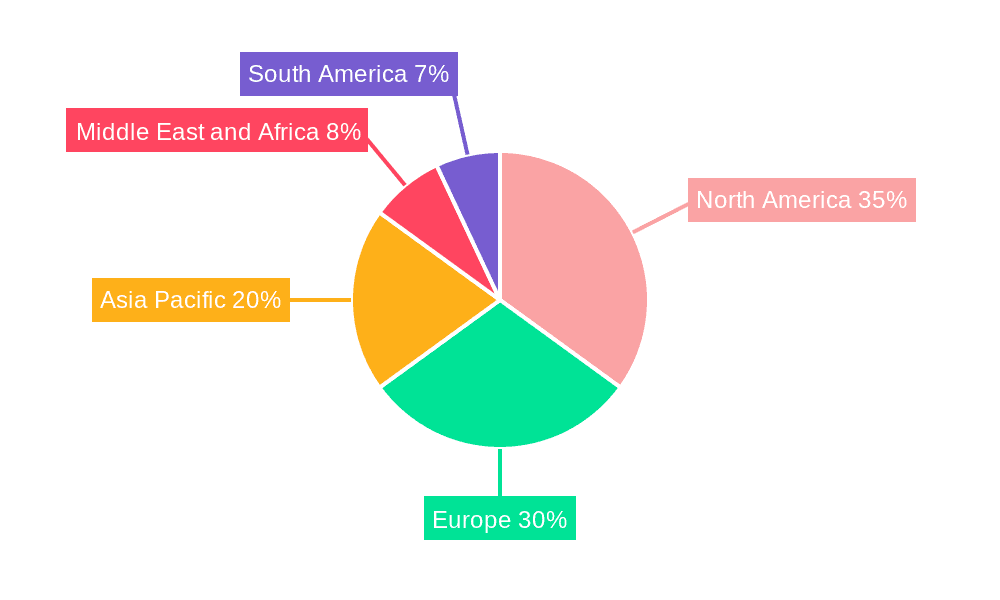
Functional Near-infrared Optical Brain Imaging Market Regional Market Share
Geographic Coverage of Functional Near-infrared Optical Brain Imaging Market
Functional Near-infrared Optical Brain Imaging Market REPORT HIGHLIGHTS
| Aspects | Details |
|---|---|
| Study Period | 2020-2034 |
| Base Year | 2025 |
| Estimated Year | 2026 |
| Forecast Period | 2026-2034 |
| Historical Period | 2020-2025 |
| Growth Rate | CAGR of 13.4% from 2020-2034 |
| Segmentation |
|
Table of Contents
- 1. Introduction
- 1.1. Research Scope
- 1.2. Market Segmentation
- 1.3. Research Methodology
- 1.4. Definitions and Assumptions
- 2. Executive Summary
- 2.1. Introduction
- 3. Market Dynamics
- 3.1. Introduction
- 3.2. Market Drivers
- 3.2.1. Rising Prevalence of Neurological Disorders; Emerging Trends in Products
- 3.3. Market Restrains
- 3.3.1. Lack of Skilled Professionals
- 3.4. Market Trends
- 3.4.1. Traumatic Brain Injury Segment Expects to Register a Strong Growth in the Forecast Period
- 4. Market Factor Analysis
- 4.1. Porters Five Forces
- 4.2. Supply/Value Chain
- 4.3. PESTEL analysis
- 4.4. Market Entropy
- 4.5. Patent/Trademark Analysis
- 5. Global Functional Near-infrared Optical Brain Imaging Market Analysis, Insights and Forecast, 2020-2032
- 5.1. Market Analysis, Insights and Forecast - by Application Type
- 5.1.1. Parkinson's Disease
- 5.1.2. Epilepsy
- 5.1.3. Dementia
- 5.1.4. Traumatic Brain Injury
- 5.1.5. Sleep Disorders
- 5.1.6. Other Application Types
- 5.2. Market Analysis, Insights and Forecast - by End-User
- 5.2.1. Hospitals
- 5.2.2. Diagnostic Centers
- 5.3. Market Analysis, Insights and Forecast - by Region
- 5.3.1. North America
- 5.3.2. Europe
- 5.3.3. Asia Pacific
- 5.3.4. Middle East and Africa
- 5.3.5. South America
- 5.1. Market Analysis, Insights and Forecast - by Application Type
- 6. North America Functional Near-infrared Optical Brain Imaging Market Analysis, Insights and Forecast, 2020-2032
- 6.1. Market Analysis, Insights and Forecast - by Application Type
- 6.1.1. Parkinson's Disease
- 6.1.2. Epilepsy
- 6.1.3. Dementia
- 6.1.4. Traumatic Brain Injury
- 6.1.5. Sleep Disorders
- 6.1.6. Other Application Types
- 6.2. Market Analysis, Insights and Forecast - by End-User
- 6.2.1. Hospitals
- 6.2.2. Diagnostic Centers
- 6.1. Market Analysis, Insights and Forecast - by Application Type
- 7. Europe Functional Near-infrared Optical Brain Imaging Market Analysis, Insights and Forecast, 2020-2032
- 7.1. Market Analysis, Insights and Forecast - by Application Type
- 7.1.1. Parkinson's Disease
- 7.1.2. Epilepsy
- 7.1.3. Dementia
- 7.1.4. Traumatic Brain Injury
- 7.1.5. Sleep Disorders
- 7.1.6. Other Application Types
- 7.2. Market Analysis, Insights and Forecast - by End-User
- 7.2.1. Hospitals
- 7.2.2. Diagnostic Centers
- 7.1. Market Analysis, Insights and Forecast - by Application Type
- 8. Asia Pacific Functional Near-infrared Optical Brain Imaging Market Analysis, Insights and Forecast, 2020-2032
- 8.1. Market Analysis, Insights and Forecast - by Application Type
- 8.1.1. Parkinson's Disease
- 8.1.2. Epilepsy
- 8.1.3. Dementia
- 8.1.4. Traumatic Brain Injury
- 8.1.5. Sleep Disorders
- 8.1.6. Other Application Types
- 8.2. Market Analysis, Insights and Forecast - by End-User
- 8.2.1. Hospitals
- 8.2.2. Diagnostic Centers
- 8.1. Market Analysis, Insights and Forecast - by Application Type
- 9. Middle East and Africa Functional Near-infrared Optical Brain Imaging Market Analysis, Insights and Forecast, 2020-2032
- 9.1. Market Analysis, Insights and Forecast - by Application Type
- 9.1.1. Parkinson's Disease
- 9.1.2. Epilepsy
- 9.1.3. Dementia
- 9.1.4. Traumatic Brain Injury
- 9.1.5. Sleep Disorders
- 9.1.6. Other Application Types
- 9.2. Market Analysis, Insights and Forecast - by End-User
- 9.2.1. Hospitals
- 9.2.2. Diagnostic Centers
- 9.1. Market Analysis, Insights and Forecast - by Application Type
- 10. South America Functional Near-infrared Optical Brain Imaging Market Analysis, Insights and Forecast, 2020-2032
- 10.1. Market Analysis, Insights and Forecast - by Application Type
- 10.1.1. Parkinson's Disease
- 10.1.2. Epilepsy
- 10.1.3. Dementia
- 10.1.4. Traumatic Brain Injury
- 10.1.5. Sleep Disorders
- 10.1.6. Other Application Types
- 10.2. Market Analysis, Insights and Forecast - by End-User
- 10.2.1. Hospitals
- 10.2.2. Diagnostic Centers
- 10.1. Market Analysis, Insights and Forecast - by Application Type
- 11. Competitive Analysis
- 11.1. Global Market Share Analysis 2025
- 11.2. Company Profiles
- 11.2.1 NIRx Medical Technologies LLC
- 11.2.1.1. Overview
- 11.2.1.2. Products
- 11.2.1.3. SWOT Analysis
- 11.2.1.4. Recent Developments
- 11.2.1.5. Financials (Based on Availability)
- 11.2.2 Biopac Systems Inc
- 11.2.2.1. Overview
- 11.2.2.2. Products
- 11.2.2.3. SWOT Analysis
- 11.2.2.4. Recent Developments
- 11.2.2.5. Financials (Based on Availability)
- 11.2.3 Artinis Medical Systems
- 11.2.3.1. Overview
- 11.2.3.2. Products
- 11.2.3.3. SWOT Analysis
- 11.2.3.4. Recent Developments
- 11.2.3.5. Financials (Based on Availability)
- 11.2.4 Oxford Instruments
- 11.2.4.1. Overview
- 11.2.4.2. Products
- 11.2.4.3. SWOT Analysis
- 11.2.4.4. Recent Developments
- 11.2.4.5. Financials (Based on Availability)
- 11.2.5 Soterix Medical Inc
- 11.2.5.1. Overview
- 11.2.5.2. Products
- 11.2.5.3. SWOT Analysis
- 11.2.5.4. Recent Developments
- 11.2.5.5. Financials (Based on Availability)
- 11.2.6 Gowerlabs Ltd
- 11.2.6.1. Overview
- 11.2.6.2. Products
- 11.2.6.3. SWOT Analysis
- 11.2.6.4. Recent Developments
- 11.2.6.5. Financials (Based on Availability)
- 11.2.7 Fujifilm Holdings Corporation (Hitachi Ltd )
- 11.2.7.1. Overview
- 11.2.7.2. Products
- 11.2.7.3. SWOT Analysis
- 11.2.7.4. Recent Developments
- 11.2.7.5. Financials (Based on Availability)
- 11.2.8 PerkinElmer Inc
- 11.2.8.1. Overview
- 11.2.8.2. Products
- 11.2.8.3. SWOT Analysis
- 11.2.8.4. Recent Developments
- 11.2.8.5. Financials (Based on Availability)
- 11.2.9 Shimadzu Corporation
- 11.2.9.1. Overview
- 11.2.9.2. Products
- 11.2.9.3. SWOT Analysis
- 11.2.9.4. Recent Developments
- 11.2.9.5. Financials (Based on Availability)
- 11.2.1 NIRx Medical Technologies LLC
List of Figures
- Figure 1: Global Functional Near-infrared Optical Brain Imaging Market Revenue Breakdown (undefined, %) by Region 2025 & 2033
- Figure 2: Global Functional Near-infrared Optical Brain Imaging Market Volume Breakdown (K Unit, %) by Region 2025 & 2033
- Figure 3: North America Functional Near-infrared Optical Brain Imaging Market Revenue (undefined), by Application Type 2025 & 2033
- Figure 4: North America Functional Near-infrared Optical Brain Imaging Market Volume (K Unit), by Application Type 2025 & 2033
- Figure 5: North America Functional Near-infrared Optical Brain Imaging Market Revenue Share (%), by Application Type 2025 & 2033
- Figure 6: North America Functional Near-infrared Optical Brain Imaging Market Volume Share (%), by Application Type 2025 & 2033
- Figure 7: North America Functional Near-infrared Optical Brain Imaging Market Revenue (undefined), by End-User 2025 & 2033
- Figure 8: North America Functional Near-infrared Optical Brain Imaging Market Volume (K Unit), by End-User 2025 & 2033
- Figure 9: North America Functional Near-infrared Optical Brain Imaging Market Revenue Share (%), by End-User 2025 & 2033
- Figure 10: North America Functional Near-infrared Optical Brain Imaging Market Volume Share (%), by End-User 2025 & 2033
- Figure 11: North America Functional Near-infrared Optical Brain Imaging Market Revenue (undefined), by Country 2025 & 2033
- Figure 12: North America Functional Near-infrared Optical Brain Imaging Market Volume (K Unit), by Country 2025 & 2033
- Figure 13: North America Functional Near-infrared Optical Brain Imaging Market Revenue Share (%), by Country 2025 & 2033
- Figure 14: North America Functional Near-infrared Optical Brain Imaging Market Volume Share (%), by Country 2025 & 2033
- Figure 15: Europe Functional Near-infrared Optical Brain Imaging Market Revenue (undefined), by Application Type 2025 & 2033
- Figure 16: Europe Functional Near-infrared Optical Brain Imaging Market Volume (K Unit), by Application Type 2025 & 2033
- Figure 17: Europe Functional Near-infrared Optical Brain Imaging Market Revenue Share (%), by Application Type 2025 & 2033
- Figure 18: Europe Functional Near-infrared Optical Brain Imaging Market Volume Share (%), by Application Type 2025 & 2033
- Figure 19: Europe Functional Near-infrared Optical Brain Imaging Market Revenue (undefined), by End-User 2025 & 2033
- Figure 20: Europe Functional Near-infrared Optical Brain Imaging Market Volume (K Unit), by End-User 2025 & 2033
- Figure 21: Europe Functional Near-infrared Optical Brain Imaging Market Revenue Share (%), by End-User 2025 & 2033
- Figure 22: Europe Functional Near-infrared Optical Brain Imaging Market Volume Share (%), by End-User 2025 & 2033
- Figure 23: Europe Functional Near-infrared Optical Brain Imaging Market Revenue (undefined), by Country 2025 & 2033
- Figure 24: Europe Functional Near-infrared Optical Brain Imaging Market Volume (K Unit), by Country 2025 & 2033
- Figure 25: Europe Functional Near-infrared Optical Brain Imaging Market Revenue Share (%), by Country 2025 & 2033
- Figure 26: Europe Functional Near-infrared Optical Brain Imaging Market Volume Share (%), by Country 2025 & 2033
- Figure 27: Asia Pacific Functional Near-infrared Optical Brain Imaging Market Revenue (undefined), by Application Type 2025 & 2033
- Figure 28: Asia Pacific Functional Near-infrared Optical Brain Imaging Market Volume (K Unit), by Application Type 2025 & 2033
- Figure 29: Asia Pacific Functional Near-infrared Optical Brain Imaging Market Revenue Share (%), by Application Type 2025 & 2033
- Figure 30: Asia Pacific Functional Near-infrared Optical Brain Imaging Market Volume Share (%), by Application Type 2025 & 2033
- Figure 31: Asia Pacific Functional Near-infrared Optical Brain Imaging Market Revenue (undefined), by End-User 2025 & 2033
- Figure 32: Asia Pacific Functional Near-infrared Optical Brain Imaging Market Volume (K Unit), by End-User 2025 & 2033
- Figure 33: Asia Pacific Functional Near-infrared Optical Brain Imaging Market Revenue Share (%), by End-User 2025 & 2033
- Figure 34: Asia Pacific Functional Near-infrared Optical Brain Imaging Market Volume Share (%), by End-User 2025 & 2033
- Figure 35: Asia Pacific Functional Near-infrared Optical Brain Imaging Market Revenue (undefined), by Country 2025 & 2033
- Figure 36: Asia Pacific Functional Near-infrared Optical Brain Imaging Market Volume (K Unit), by Country 2025 & 2033
- Figure 37: Asia Pacific Functional Near-infrared Optical Brain Imaging Market Revenue Share (%), by Country 2025 & 2033
- Figure 38: Asia Pacific Functional Near-infrared Optical Brain Imaging Market Volume Share (%), by Country 2025 & 2033
- Figure 39: Middle East and Africa Functional Near-infrared Optical Brain Imaging Market Revenue (undefined), by Application Type 2025 & 2033
- Figure 40: Middle East and Africa Functional Near-infrared Optical Brain Imaging Market Volume (K Unit), by Application Type 2025 & 2033
- Figure 41: Middle East and Africa Functional Near-infrared Optical Brain Imaging Market Revenue Share (%), by Application Type 2025 & 2033
- Figure 42: Middle East and Africa Functional Near-infrared Optical Brain Imaging Market Volume Share (%), by Application Type 2025 & 2033
- Figure 43: Middle East and Africa Functional Near-infrared Optical Brain Imaging Market Revenue (undefined), by End-User 2025 & 2033
- Figure 44: Middle East and Africa Functional Near-infrared Optical Brain Imaging Market Volume (K Unit), by End-User 2025 & 2033
- Figure 45: Middle East and Africa Functional Near-infrared Optical Brain Imaging Market Revenue Share (%), by End-User 2025 & 2033
- Figure 46: Middle East and Africa Functional Near-infrared Optical Brain Imaging Market Volume Share (%), by End-User 2025 & 2033
- Figure 47: Middle East and Africa Functional Near-infrared Optical Brain Imaging Market Revenue (undefined), by Country 2025 & 2033
- Figure 48: Middle East and Africa Functional Near-infrared Optical Brain Imaging Market Volume (K Unit), by Country 2025 & 2033
- Figure 49: Middle East and Africa Functional Near-infrared Optical Brain Imaging Market Revenue Share (%), by Country 2025 & 2033
- Figure 50: Middle East and Africa Functional Near-infrared Optical Brain Imaging Market Volume Share (%), by Country 2025 & 2033
- Figure 51: South America Functional Near-infrared Optical Brain Imaging Market Revenue (undefined), by Application Type 2025 & 2033
- Figure 52: South America Functional Near-infrared Optical Brain Imaging Market Volume (K Unit), by Application Type 2025 & 2033
- Figure 53: South America Functional Near-infrared Optical Brain Imaging Market Revenue Share (%), by Application Type 2025 & 2033
- Figure 54: South America Functional Near-infrared Optical Brain Imaging Market Volume Share (%), by Application Type 2025 & 2033
- Figure 55: South America Functional Near-infrared Optical Brain Imaging Market Revenue (undefined), by End-User 2025 & 2033
- Figure 56: South America Functional Near-infrared Optical Brain Imaging Market Volume (K Unit), by End-User 2025 & 2033
- Figure 57: South America Functional Near-infrared Optical Brain Imaging Market Revenue Share (%), by End-User 2025 & 2033
- Figure 58: South America Functional Near-infrared Optical Brain Imaging Market Volume Share (%), by End-User 2025 & 2033
- Figure 59: South America Functional Near-infrared Optical Brain Imaging Market Revenue (undefined), by Country 2025 & 2033
- Figure 60: South America Functional Near-infrared Optical Brain Imaging Market Volume (K Unit), by Country 2025 & 2033
- Figure 61: South America Functional Near-infrared Optical Brain Imaging Market Revenue Share (%), by Country 2025 & 2033
- Figure 62: South America Functional Near-infrared Optical Brain Imaging Market Volume Share (%), by Country 2025 & 2033
List of Tables
- Table 1: Global Functional Near-infrared Optical Brain Imaging Market Revenue undefined Forecast, by Application Type 2020 & 2033
- Table 2: Global Functional Near-infrared Optical Brain Imaging Market Volume K Unit Forecast, by Application Type 2020 & 2033
- Table 3: Global Functional Near-infrared Optical Brain Imaging Market Revenue undefined Forecast, by End-User 2020 & 2033
- Table 4: Global Functional Near-infrared Optical Brain Imaging Market Volume K Unit Forecast, by End-User 2020 & 2033
- Table 5: Global Functional Near-infrared Optical Brain Imaging Market Revenue undefined Forecast, by Region 2020 & 2033
- Table 6: Global Functional Near-infrared Optical Brain Imaging Market Volume K Unit Forecast, by Region 2020 & 2033
- Table 7: Global Functional Near-infrared Optical Brain Imaging Market Revenue undefined Forecast, by Application Type 2020 & 2033
- Table 8: Global Functional Near-infrared Optical Brain Imaging Market Volume K Unit Forecast, by Application Type 2020 & 2033
- Table 9: Global Functional Near-infrared Optical Brain Imaging Market Revenue undefined Forecast, by End-User 2020 & 2033
- Table 10: Global Functional Near-infrared Optical Brain Imaging Market Volume K Unit Forecast, by End-User 2020 & 2033
- Table 11: Global Functional Near-infrared Optical Brain Imaging Market Revenue undefined Forecast, by Country 2020 & 2033
- Table 12: Global Functional Near-infrared Optical Brain Imaging Market Volume K Unit Forecast, by Country 2020 & 2033
- Table 13: United States Functional Near-infrared Optical Brain Imaging Market Revenue (undefined) Forecast, by Application 2020 & 2033
- Table 14: United States Functional Near-infrared Optical Brain Imaging Market Volume (K Unit) Forecast, by Application 2020 & 2033
- Table 15: Canada Functional Near-infrared Optical Brain Imaging Market Revenue (undefined) Forecast, by Application 2020 & 2033
- Table 16: Canada Functional Near-infrared Optical Brain Imaging Market Volume (K Unit) Forecast, by Application 2020 & 2033
- Table 17: Mexico Functional Near-infrared Optical Brain Imaging Market Revenue (undefined) Forecast, by Application 2020 & 2033
- Table 18: Mexico Functional Near-infrared Optical Brain Imaging Market Volume (K Unit) Forecast, by Application 2020 & 2033
- Table 19: Global Functional Near-infrared Optical Brain Imaging Market Revenue undefined Forecast, by Application Type 2020 & 2033
- Table 20: Global Functional Near-infrared Optical Brain Imaging Market Volume K Unit Forecast, by Application Type 2020 & 2033
- Table 21: Global Functional Near-infrared Optical Brain Imaging Market Revenue undefined Forecast, by End-User 2020 & 2033
- Table 22: Global Functional Near-infrared Optical Brain Imaging Market Volume K Unit Forecast, by End-User 2020 & 2033
- Table 23: Global Functional Near-infrared Optical Brain Imaging Market Revenue undefined Forecast, by Country 2020 & 2033
- Table 24: Global Functional Near-infrared Optical Brain Imaging Market Volume K Unit Forecast, by Country 2020 & 2033
- Table 25: Germany Functional Near-infrared Optical Brain Imaging Market Revenue (undefined) Forecast, by Application 2020 & 2033
- Table 26: Germany Functional Near-infrared Optical Brain Imaging Market Volume (K Unit) Forecast, by Application 2020 & 2033
- Table 27: United Kingdom Functional Near-infrared Optical Brain Imaging Market Revenue (undefined) Forecast, by Application 2020 & 2033
- Table 28: United Kingdom Functional Near-infrared Optical Brain Imaging Market Volume (K Unit) Forecast, by Application 2020 & 2033
- Table 29: France Functional Near-infrared Optical Brain Imaging Market Revenue (undefined) Forecast, by Application 2020 & 2033
- Table 30: France Functional Near-infrared Optical Brain Imaging Market Volume (K Unit) Forecast, by Application 2020 & 2033
- Table 31: Italy Functional Near-infrared Optical Brain Imaging Market Revenue (undefined) Forecast, by Application 2020 & 2033
- Table 32: Italy Functional Near-infrared Optical Brain Imaging Market Volume (K Unit) Forecast, by Application 2020 & 2033
- Table 33: Spain Functional Near-infrared Optical Brain Imaging Market Revenue (undefined) Forecast, by Application 2020 & 2033
- Table 34: Spain Functional Near-infrared Optical Brain Imaging Market Volume (K Unit) Forecast, by Application 2020 & 2033
- Table 35: Rest of Europe Functional Near-infrared Optical Brain Imaging Market Revenue (undefined) Forecast, by Application 2020 & 2033
- Table 36: Rest of Europe Functional Near-infrared Optical Brain Imaging Market Volume (K Unit) Forecast, by Application 2020 & 2033
- Table 37: Global Functional Near-infrared Optical Brain Imaging Market Revenue undefined Forecast, by Application Type 2020 & 2033
- Table 38: Global Functional Near-infrared Optical Brain Imaging Market Volume K Unit Forecast, by Application Type 2020 & 2033
- Table 39: Global Functional Near-infrared Optical Brain Imaging Market Revenue undefined Forecast, by End-User 2020 & 2033
- Table 40: Global Functional Near-infrared Optical Brain Imaging Market Volume K Unit Forecast, by End-User 2020 & 2033
- Table 41: Global Functional Near-infrared Optical Brain Imaging Market Revenue undefined Forecast, by Country 2020 & 2033
- Table 42: Global Functional Near-infrared Optical Brain Imaging Market Volume K Unit Forecast, by Country 2020 & 2033
- Table 43: China Functional Near-infrared Optical Brain Imaging Market Revenue (undefined) Forecast, by Application 2020 & 2033
- Table 44: China Functional Near-infrared Optical Brain Imaging Market Volume (K Unit) Forecast, by Application 2020 & 2033
- Table 45: Japan Functional Near-infrared Optical Brain Imaging Market Revenue (undefined) Forecast, by Application 2020 & 2033
- Table 46: Japan Functional Near-infrared Optical Brain Imaging Market Volume (K Unit) Forecast, by Application 2020 & 2033
- Table 47: India Functional Near-infrared Optical Brain Imaging Market Revenue (undefined) Forecast, by Application 2020 & 2033
- Table 48: India Functional Near-infrared Optical Brain Imaging Market Volume (K Unit) Forecast, by Application 2020 & 2033
- Table 49: Australia Functional Near-infrared Optical Brain Imaging Market Revenue (undefined) Forecast, by Application 2020 & 2033
- Table 50: Australia Functional Near-infrared Optical Brain Imaging Market Volume (K Unit) Forecast, by Application 2020 & 2033
- Table 51: South Korea Functional Near-infrared Optical Brain Imaging Market Revenue (undefined) Forecast, by Application 2020 & 2033
- Table 52: South Korea Functional Near-infrared Optical Brain Imaging Market Volume (K Unit) Forecast, by Application 2020 & 2033
- Table 53: Rest of Asia Pacific Functional Near-infrared Optical Brain Imaging Market Revenue (undefined) Forecast, by Application 2020 & 2033
- Table 54: Rest of Asia Pacific Functional Near-infrared Optical Brain Imaging Market Volume (K Unit) Forecast, by Application 2020 & 2033
- Table 55: Global Functional Near-infrared Optical Brain Imaging Market Revenue undefined Forecast, by Application Type 2020 & 2033
- Table 56: Global Functional Near-infrared Optical Brain Imaging Market Volume K Unit Forecast, by Application Type 2020 & 2033
- Table 57: Global Functional Near-infrared Optical Brain Imaging Market Revenue undefined Forecast, by End-User 2020 & 2033
- Table 58: Global Functional Near-infrared Optical Brain Imaging Market Volume K Unit Forecast, by End-User 2020 & 2033
- Table 59: Global Functional Near-infrared Optical Brain Imaging Market Revenue undefined Forecast, by Country 2020 & 2033
- Table 60: Global Functional Near-infrared Optical Brain Imaging Market Volume K Unit Forecast, by Country 2020 & 2033
- Table 61: GCC Functional Near-infrared Optical Brain Imaging Market Revenue (undefined) Forecast, by Application 2020 & 2033
- Table 62: GCC Functional Near-infrared Optical Brain Imaging Market Volume (K Unit) Forecast, by Application 2020 & 2033
- Table 63: South Africa Functional Near-infrared Optical Brain Imaging Market Revenue (undefined) Forecast, by Application 2020 & 2033
- Table 64: South Africa Functional Near-infrared Optical Brain Imaging Market Volume (K Unit) Forecast, by Application 2020 & 2033
- Table 65: Rest of Middle East and Africa Functional Near-infrared Optical Brain Imaging Market Revenue (undefined) Forecast, by Application 2020 & 2033
- Table 66: Rest of Middle East and Africa Functional Near-infrared Optical Brain Imaging Market Volume (K Unit) Forecast, by Application 2020 & 2033
- Table 67: Global Functional Near-infrared Optical Brain Imaging Market Revenue undefined Forecast, by Application Type 2020 & 2033
- Table 68: Global Functional Near-infrared Optical Brain Imaging Market Volume K Unit Forecast, by Application Type 2020 & 2033
- Table 69: Global Functional Near-infrared Optical Brain Imaging Market Revenue undefined Forecast, by End-User 2020 & 2033
- Table 70: Global Functional Near-infrared Optical Brain Imaging Market Volume K Unit Forecast, by End-User 2020 & 2033
- Table 71: Global Functional Near-infrared Optical Brain Imaging Market Revenue undefined Forecast, by Country 2020 & 2033
- Table 72: Global Functional Near-infrared Optical Brain Imaging Market Volume K Unit Forecast, by Country 2020 & 2033
- Table 73: Brazil Functional Near-infrared Optical Brain Imaging Market Revenue (undefined) Forecast, by Application 2020 & 2033
- Table 74: Brazil Functional Near-infrared Optical Brain Imaging Market Volume (K Unit) Forecast, by Application 2020 & 2033
- Table 75: Argentina Functional Near-infrared Optical Brain Imaging Market Revenue (undefined) Forecast, by Application 2020 & 2033
- Table 76: Argentina Functional Near-infrared Optical Brain Imaging Market Volume (K Unit) Forecast, by Application 2020 & 2033
- Table 77: Rest of South America Functional Near-infrared Optical Brain Imaging Market Revenue (undefined) Forecast, by Application 2020 & 2033
- Table 78: Rest of South America Functional Near-infrared Optical Brain Imaging Market Volume (K Unit) Forecast, by Application 2020 & 2033
Frequently Asked Questions
1. What is the projected Compound Annual Growth Rate (CAGR) of the Functional Near-infrared Optical Brain Imaging Market?
The projected CAGR is approximately 13.4%.
2. Which companies are prominent players in the Functional Near-infrared Optical Brain Imaging Market?
Key companies in the market include NIRx Medical Technologies LLC, Biopac Systems Inc, Artinis Medical Systems, Oxford Instruments, Soterix Medical Inc, Gowerlabs Ltd, Fujifilm Holdings Corporation (Hitachi Ltd ), PerkinElmer Inc, Shimadzu Corporation.
3. What are the main segments of the Functional Near-infrared Optical Brain Imaging Market?
The market segments include Application Type, End-User.
4. Can you provide details about the market size?
The market size is estimated to be USD XXX N/A as of 2022.
5. What are some drivers contributing to market growth?
Rising Prevalence of Neurological Disorders; Emerging Trends in Products.
6. What are the notable trends driving market growth?
Traumatic Brain Injury Segment Expects to Register a Strong Growth in the Forecast Period.
7. Are there any restraints impacting market growth?
Lack of Skilled Professionals.
8. Can you provide examples of recent developments in the market?
March 2022: Kernel, a neurotechnology company, developed a wearable headset device, Kernel Flow, for brain measurement which was based on time-domain functional near-infrared spectroscopy (TD-fNIRS), which enables accurate, high-resolution measurement of the brain and its functions by emitting picosecond pulses of light into tissue and measuring the arrival times of single photons. The device weighs 2.05 kg and contains 52 modules arranged in four plates that fit on either side of the head.
9. What pricing options are available for accessing the report?
Pricing options include single-user, multi-user, and enterprise licenses priced at USD 4750, USD 5250, and USD 8750 respectively.
10. Is the market size provided in terms of value or volume?
The market size is provided in terms of value, measured in N/A and volume, measured in K Unit.
11. Are there any specific market keywords associated with the report?
Yes, the market keyword associated with the report is "Functional Near-infrared Optical Brain Imaging Market," which aids in identifying and referencing the specific market segment covered.
12. How do I determine which pricing option suits my needs best?
The pricing options vary based on user requirements and access needs. Individual users may opt for single-user licenses, while businesses requiring broader access may choose multi-user or enterprise licenses for cost-effective access to the report.
13. Are there any additional resources or data provided in the Functional Near-infrared Optical Brain Imaging Market report?
While the report offers comprehensive insights, it's advisable to review the specific contents or supplementary materials provided to ascertain if additional resources or data are available.
14. How can I stay updated on further developments or reports in the Functional Near-infrared Optical Brain Imaging Market?
To stay informed about further developments, trends, and reports in the Functional Near-infrared Optical Brain Imaging Market, consider subscribing to industry newsletters, following relevant companies and organizations, or regularly checking reputable industry news sources and publications.
Methodology
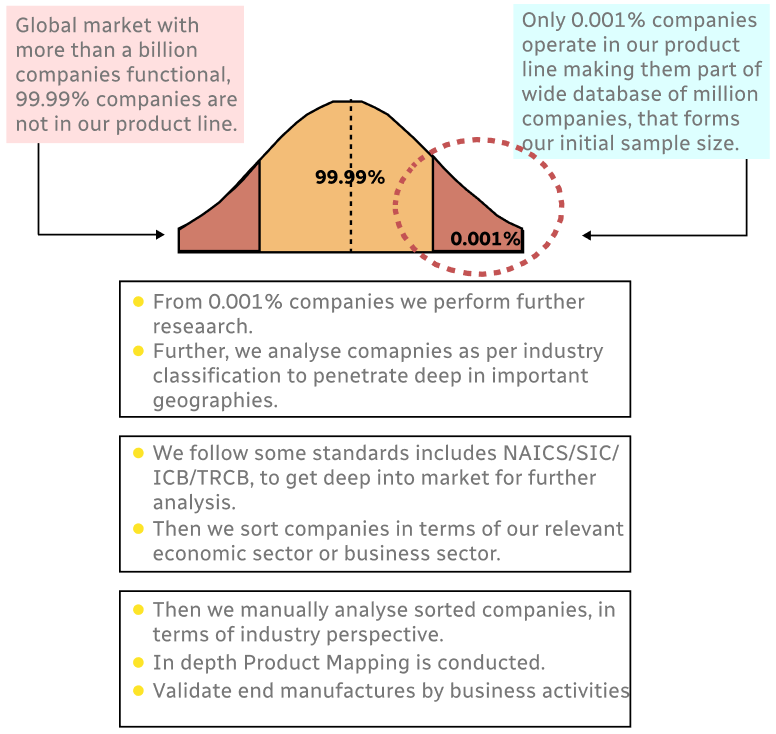
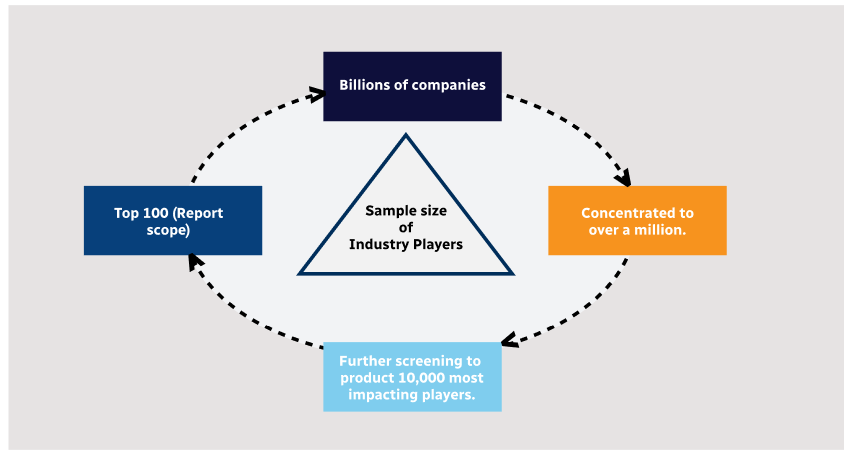
Step 1 - Identification of Relevant Samples Size from Population Database
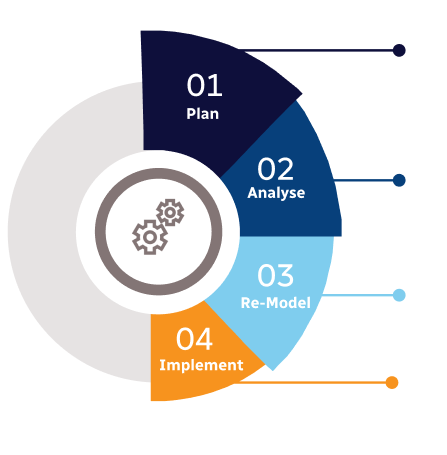
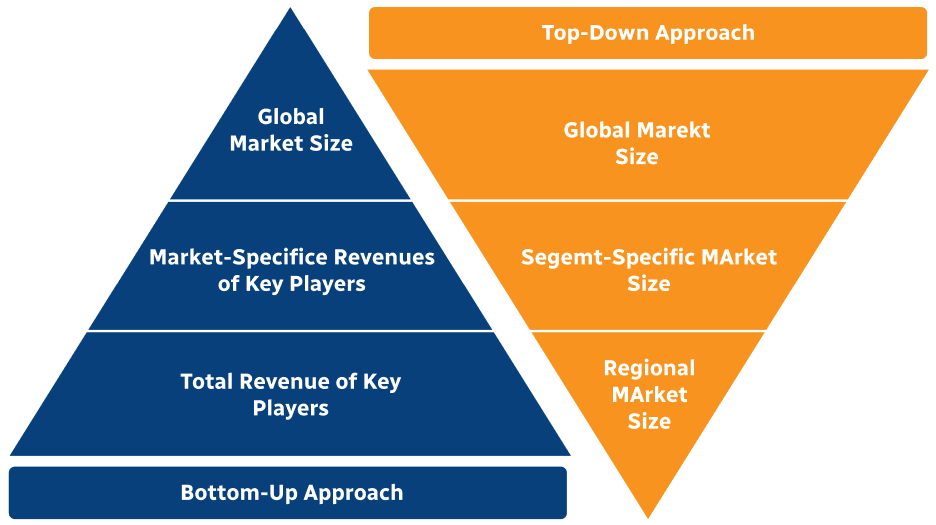
Step 2 - Approaches for Defining Global Market Size (Value, Volume* & Price*)
Note*: In applicable scenarios
Step 3 - Data Sources
Primary Research
- Web Analytics
- Survey Reports
- Research Institute
- Latest Research Reports
- Opinion Leaders
Secondary Research
- Annual Reports
- White Paper
- Latest Press Release
- Industry Association
- Paid Database
- Investor Presentations
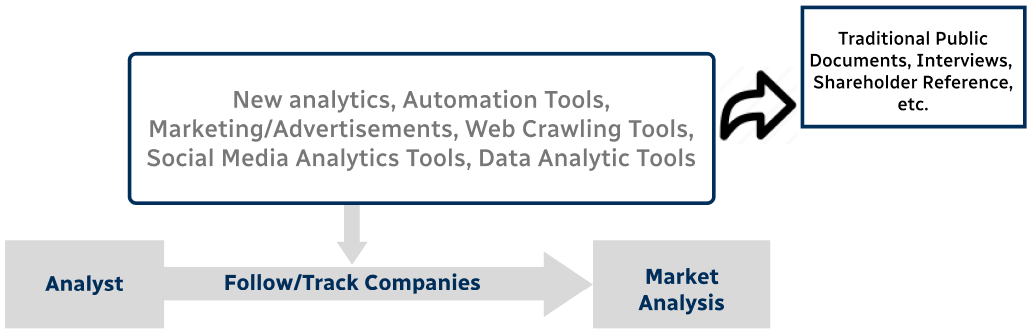
Step 4 - Data Triangulation
Involves using different sources of information in order to increase the validity of a study
These sources are likely to be stakeholders in a program - participants, other researchers, program staff, other community members, and so on.
Then we put all data in single framework & apply various statistical tools to find out the dynamic on the market.
During the analysis stage, feedback from the stakeholder groups would be compared to determine areas of agreement as well as areas of divergence