


Key Insights
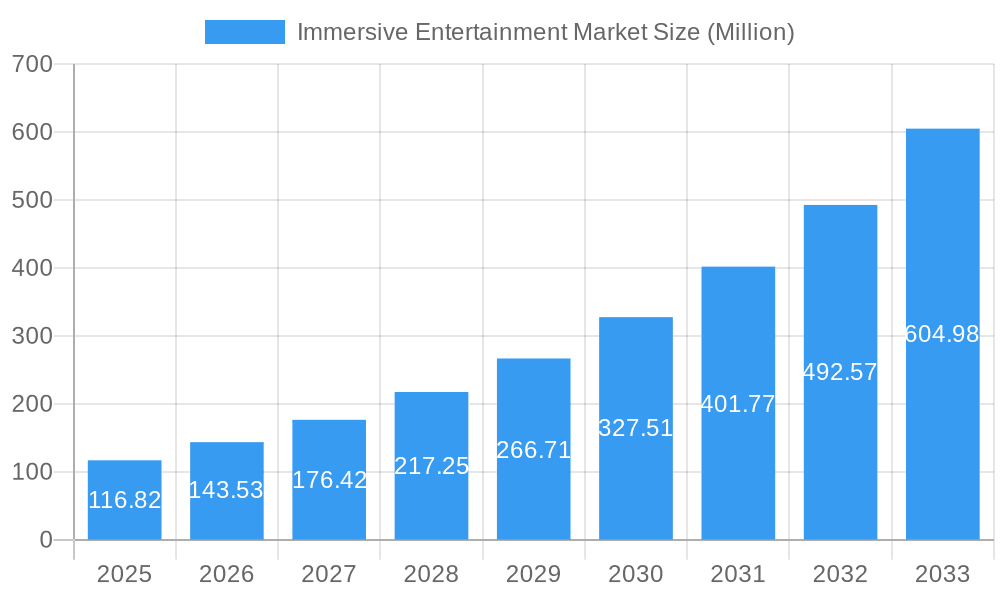
The Immersive Entertainment Market is poised for explosive growth, with a current market size of 116.82 Million in 2025, projected to expand at a remarkable CAGR of 23.41% through 2033. This surge is fueled by a confluence of powerful drivers, most notably the increasing consumer demand for unique, interactive, and emotionally resonant experiences that transcend passive consumption. The rapid evolution of technology, including augmented reality (AR), virtual reality (VR), projection mapping, and sophisticated sensory effects, is a primary enabler, allowing for the creation of increasingly believable and captivating worlds. Furthermore, a growing willingness among consumers to allocate disposable income towards memorable experiences over material possessions significantly bolsters market expansion. This trend is particularly evident in demographics seeking novelty and social sharing opportunities. The market is also benefiting from substantial investments from major players, both established entertainment giants and innovative startups, who recognize the immense potential of immersive experiences to redefine how audiences engage with content and brands.
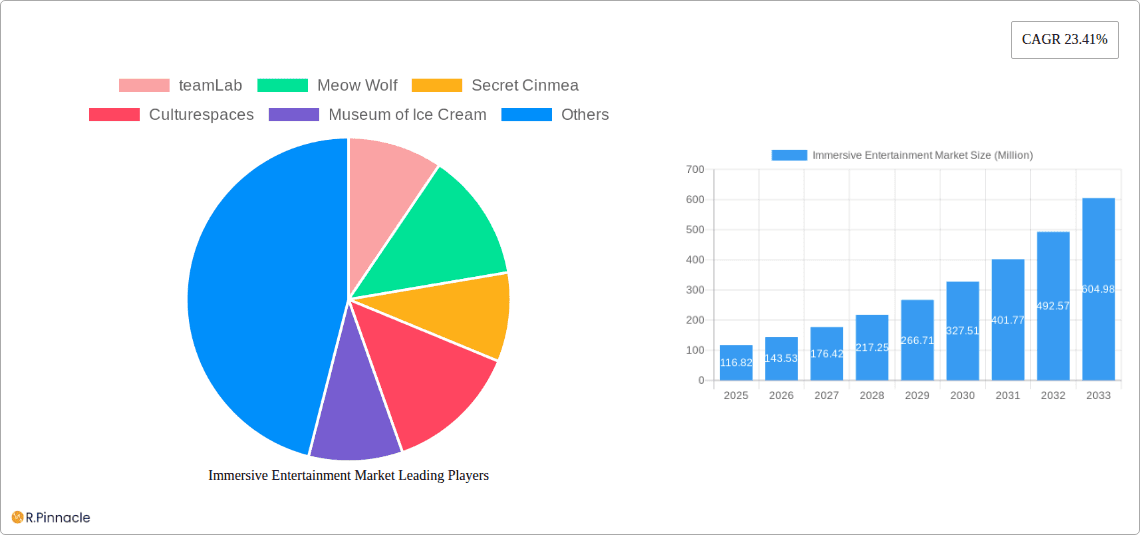
Immersive Entertainment Market Market Size (In Million)

The Immersive Entertainment Market encompasses a diverse range of applications, with Themed Entertainment, Haunted Attractions, and Escape Rooms leading the charge in current adoption and future growth. Immersive Theatres and Experiential Art Museums are also witnessing significant expansion as audiences seek deeper narrative engagement and artistic interaction. While the market benefits from robust demand, certain restraints, such as the high initial investment costs for developing and deploying cutting-edge immersive installations and the potential for technological obsolescence, need to be carefully managed by market participants. However, the overarching trend towards experientialism, coupled with the continuous innovation in digital and physical storytelling, ensures a dynamic and rapidly evolving landscape. Geographic penetration is expected to be strong across North America and Europe, with Asia demonstrating particularly high growth potential due to its large, tech-savvy population and increasing disposable incomes.
Immersive Entertainment Market Company Market Share
Dive deep into the dynamic Immersive Entertainment Market with this authoritative report, meticulously crafted for industry leaders, investors, and strategists. Spanning 2019 to 2033, with a base and estimated year of 2025 and a forecast period of 2025–2033, this report provides an unparalleled analysis of market structure, growth drivers, technological innovations, and emerging opportunities. Discover how advancements in VR, AR, mixed reality, and experiential design are revolutionizing how audiences engage with entertainment, art, and themed attractions. This report offers actionable insights and predictive analytics to navigate the evolving landscape of experiential entertainment, themed attractions, and interactive installations. Market size is projected to reach $100 Million by 2033, exhibiting a CAGR of 15%.
Immersive Entertainment Market Market Structure & Innovation Trends
The Immersive Entertainment Market exhibits a moderate to high degree of market concentration, driven by a mix of large established entertainment conglomerates and innovative, specialized experiential art museums and themed entertainment providers. Innovation is a primary driver, fueled by rapid advancements in virtual reality (VR), augmented reality (AR), and mixed reality (MR) technologies. Key innovation trends include photogrammetry for realistic 3D model creation, AI-powered interactive narratives, and the integration of haptic feedback for enhanced sensory engagement. Regulatory frameworks are still evolving, with a focus on data privacy, content moderation, and accessibility standards. Product substitutes are limited in their ability to replicate the unique, multi-sensory engagement offered by immersive experiences, though traditional media and passive entertainment remain competitive. End-user demographics are broad, encompassing millennials and Gen Z who actively seek novel, shareable experiences, as well as families and older demographics drawn to nostalgic or educational immersive content. Mergers and Acquisitions (M&A) activities are significant, with M&A deal values estimated to exceed $500 Million in the forecast period as larger players acquire niche innovators to expand their immersive capabilities. Market share in key segments like Themed Entertainment is dominated by entities like The Walt Disney Company and Universal Parks & Resorts, while specialized players like teamLab and Meow Wolf hold significant sway in the Experiential Art Museums segment.
Immersive Entertainment Market Market Dynamics & Trends
The Immersive Entertainment Market is experiencing robust growth, propelled by a confluence of powerful market dynamics and evolving trends. The primary growth driver is the escalating consumer demand for unique, engaging, and shareable experiences that transcend passive consumption. This has led to a significant increase in market penetration for immersive attractions across various verticals. Technological disruptions are at the forefront, with continuous advancements in VR headsets, AR glasses, spatial computing, and projection mapping technologies making these experiences more accessible and realistic. The integration of AI is further enhancing interactivity, allowing for personalized narratives and responsive environments. Consumer preferences are shifting towards experiences that offer emotional connection, social interaction, and a sense of wonder, directly benefiting the immersive entertainment sector. The Compound Annual Growth Rate (CAGR) for the Immersive Entertainment Market is projected to be 15% over the forecast period, reaching an estimated market size of $100 Million by 2033. Competitive dynamics are characterized by intense innovation, strategic partnerships between tech providers and content creators, and the expansion of existing players into new immersive formats. The market is witnessing a rise in location-based entertainment (LBE) ventures, from elaborate themed attractions and immersive theatres to interactive art installations and escape rooms, all capitalizing on the desire for memorable and engaging entertainment. The increasing affordability and accessibility of immersive technologies are further democratizing the market, opening avenues for smaller, independent creators and developers to carve out niches. Furthermore, the growing adoption of immersive technologies in education, training, and therapeutic applications hints at a broader market evolution beyond pure entertainment.
Dominant Regions & Segments in Immersive Entertainment Market
The North America region currently dominates the Immersive Entertainment Market, driven by a mature entertainment infrastructure, significant disposable income, and a strong appetite for novel leisure activities. The United States, in particular, is a powerhouse, with a high concentration of leading theme parks, museums, and entertainment venues investing heavily in immersive technologies.
- Key Drivers of Dominance in North America:
- Economic Policies: Favorable consumer spending habits and significant private sector investment in entertainment infrastructure.
- Infrastructure: Well-developed tourism and hospitality sectors, supporting the growth of large-scale immersive attractions.
- Technological Adoption: Early and widespread adoption of VR, AR, and other experiential technologies by both consumers and businesses.
- Major Entertainment Hubs: Presence of Hollywood, Orlando's theme park corridor, and major metropolitan areas fostering demand for cutting-edge entertainment.
Within the Application segmentation, Themed Entertainment stands out as the largest and most influential segment, encompassing major theme parks, immersive dining experiences, and large-scale interactive installations. This segment benefits from substantial capital investment and brand recognition.
- Themed Entertainment: This segment is characterized by elaborate storytelling, high-fidelity visual and auditory experiences, and the integration of physical and digital elements. Companies like The Walt Disney Company and Universal Parks & Resorts are pioneers, continuously pushing the boundaries of what's possible in creating magical and transportive environments. The demand for unique, character-driven, and IP-based immersive experiences fuels consistent growth.
- Experiential Art Museums: This rapidly growing segment, exemplified by entities like teamLab and Museum of Ice Cream, focuses on creating highly interactive and visually stunning art installations that encourage audience participation and social sharing. These venues are attracting younger demographics and are often located in urban centers, capitalizing on cultural tourism.
- Immersive Theatres: This segment involves performances and storytelling within highly adaptable spaces that surround the audience, blurring the lines between stage and spectator. Secret Cinema is a prominent example, offering unique, participatory cinematic events. The focus here is on narrative depth and emotional engagement.
- Haunted Attractions and Escape Rooms: These segments cater to niche thrill-seeking audiences and problem-solvers, offering intense, short-form immersive experiences that often involve puzzle-solving, suspense, and fright. The growth of escape rooms, in particular, has been substantial, offering accessible and relatively low-cost immersive entertainment.
- Other Applications (Includes Exhibitions, etc.): This broad category encompasses pop-up exhibitions, corporate events, educational experiences, and retail activations that leverage immersive techniques to engage audiences. The flexibility and adaptability of immersive technology make it suitable for a wide range of specialized applications.
Immersive Entertainment Market Product Innovations
Product innovations in the Immersive Entertainment Market are centered on enhancing user engagement and sensory realism. Key developments include the integration of AI for dynamic storytelling and personalized interactions within VR/AR environments, advanced haptic feedback systems for tactile immersion, and the use of photogrammetry and gigapixel panoramas for creating ultra-realistic digital twins of real-world locations. These innovations offer significant competitive advantages by providing deeper levels of immersion, increased replayability, and unique emotional connections for audiences. The market is witnessing a trend towards hybrid experiences that seamlessly blend physical and digital elements, offering more flexible and accessible forms of immersive entertainment.
Report Scope & Segmentation Analysis
This report segmentations are meticulously analyzed across various applications, providing a comprehensive understanding of the Immersive Entertainment Market.
- Themed Entertainment: This segment is projected to dominate market share, driven by large-scale investments in theme parks and attractions, with an estimated market size of $50 Million by 2033. Competitive dynamics are shaped by major IP holders and their ability to create captivating, story-driven worlds.
- Haunted Attractions and Escape Rooms: This segment, while smaller, exhibits strong growth potential due to its accessibility and the increasing popularity of interactive, puzzle-based experiences. Growth projections are around 18% CAGR, with an estimated market size of $15 Million by 2033.
- Immersive Theatres: This segment is poised for significant expansion as storytelling techniques evolve and audiences seek more intimate and participatory performance art. Market size is estimated at $20 Million by 2033, with a projected 16% CAGR.
- Experiential Art Museums: Characterized by rapid innovation and appeal to younger demographics, this segment is a key growth area. Market size is estimated at $10 Million by 2033, with a high CAGR of 20%.
- Other Applications (Includes Exhibitions, etc.): This diverse segment is expected to grow steadily as immersive technologies find applications in retail, education, and marketing. Estimated market size of $5 Million by 2033, with a 12% CAGR.
Key Drivers of Immersive Entertainment Market Growth
The Immersive Entertainment Market is propelled by a multifaceted array of growth drivers. Technologically, the continuous evolution and decreasing cost of VR and AR hardware, alongside advancements in AI and haptic feedback, are making immersive experiences more sophisticated and accessible. Economically, rising disposable incomes, particularly among millennials and Gen Z who prioritize experiences over material possessions, are fueling demand. Furthermore, the growing trend of location-based entertainment (LBE) and the desire for unique, "Instagrammable" moments are significant catalysts. Regulatory advancements that promote innovation while ensuring user safety and data privacy can also accelerate market adoption.
Challenges in the Immersive Entertainment Market Sector
Despite its promising growth, the Immersive Entertainment Market faces several significant challenges. High upfront investment costs for developing and deploying cutting-edge immersive experiences can be a substantial barrier for smaller players. Supply chain issues for specialized hardware components and the need for skilled labor in AR/VR development and content creation pose ongoing hurdles. Competitive pressures from both established entertainment giants and emerging innovators require constant adaptation and differentiation. Furthermore, ensuring accessibility for individuals with disabilities and addressing concerns around motion sickness and potential psychological impacts of prolonged immersive use are critical considerations that require ongoing research and development. Regulatory uncertainty in areas like data privacy and content governance can also create hesitations for investment.
Emerging Opportunities in Immersive Entertainment Market
Emerging opportunities in the Immersive Entertainment Market are vast and diverse. The expansion of metaverse platforms presents new avenues for virtual immersive entertainment. Increased adoption of AR in everyday life, from gaming and retail to education, opens up possibilities for augmented immersive experiences. The growing interest in transformative travel and cultural tourism creates demand for immersive heritage sites and destination experiences. Furthermore, the application of immersive technologies in wellness and therapeutic settings offers a significant untapped market. Strategic partnerships between technology providers, content creators, and diverse industry players will unlock new revenue streams and broaden market reach.
Leading Players in the Immersive Entertainment Market Market
- teamLab
- Meow Wolf
- Secret Cinema
- Culturespaces
- Museum of Ice Cream
- Grande Experiences
- The Walt Disney Company
- Universal Parks & Resorts
- Six Flags Entertainment Corporation
- Cedar Fair Entertainment Company
Key Developments in Immersive Entertainment Market Industry
- August 2024: Disney+ introduced a new immersive experience from National Geographic on its Apple Vision Pro app, allowing subscribers to visually explore Iceland’s Thingvellir National Park. This project, developed with Disney Studio Technology, utilized high-resolution 3D models captured through photogrammetry and gigapixel panoramas.
- May 2024: Technicolor Group accelerated its expansion in experiential entertainment, bolstering its dedicated team to meet surging demand beyond traditional theme parks, encompassing museums, retail, marketing, travel, sports, and recreation.
Future Outlook for Immersive Entertainment Market Market
The future outlook for the Immersive Entertainment Market is exceptionally bright, characterized by sustained growth and pervasive innovation. The continued refinement and wider adoption of VR, AR, and MR technologies will lead to increasingly sophisticated and accessible immersive experiences. We anticipate a significant rise in hybrid physical-digital attractions and the deeper integration of AI to personalize and enhance user journeys. The market will see greater penetration into educational, therapeutic, and corporate sectors, diversifying revenue streams. Strategic collaborations and the ongoing evolution of the metaverse will unlock new frontiers for virtual and augmented immersion, solidifying its position as a cornerstone of future entertainment and engagement. The projected market size of $100 Million by 2033 underscores the immense potential for growth and return on investment.
Immersive Entertainment Market Segmentation
-
1. Application
- 1.1. Themed Entertainment
- 1.2. Haunted Attractions and Escape Rroms
- 1.3. Immersive Theatres
- 1.4. Experiential Art Museums
- 1.5. Other Applications (Includes Exhibitions, etc.)
Immersive Entertainment Market Segmentation By Geography
- 1. North America
- 2. Europe
- 3. Asia
- 4. Australia and New Zealand
- 5. Latin America
- 6. Middle East and Africa
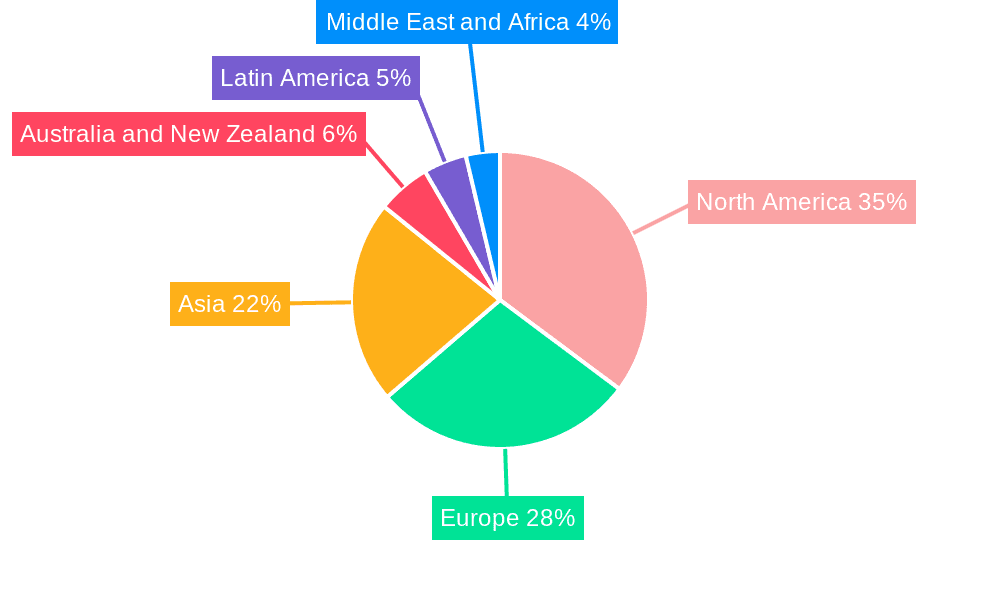
Immersive Entertainment Market Regional Market Share
Geographic Coverage of Immersive Entertainment Market
Immersive Entertainment Market REPORT HIGHLIGHTS
| Aspects | Details |
|---|---|
| Study Period | 2020-2034 |
| Base Year | 2025 |
| Estimated Year | 2026 |
| Forecast Period | 2026-2034 |
| Historical Period | 2020-2025 |
| Growth Rate | CAGR of 23.41% from 2020-2034 |
| Segmentation |
|
Table of Contents
- 1. Introduction
- 1.1. Research Scope
- 1.2. Market Segmentation
- 1.3. Research Methodology
- 1.4. Definitions and Assumptions
- 2. Executive Summary
- 2.1. Introduction
- 3. Market Dynamics
- 3.1. Introduction
- 3.2. Market Drivers
- 3.2.1. Creative success in the Entertainment industry is driving the revenue growth in the sector
- 3.3. Market Restrains
- 3.3.1. Creative success in the Entertainment industry is driving the revenue growth in the sector
- 3.4. Market Trends
- 3.4.1. Increasing Consumer Demand in Gaming Entertainment is Driving the Market Growth Opportunities
- 4. Market Factor Analysis
- 4.1. Porters Five Forces
- 4.2. Supply/Value Chain
- 4.3. PESTEL analysis
- 4.4. Market Entropy
- 4.5. Patent/Trademark Analysis
- 5. Global Immersive Entertainment Market Analysis, Insights and Forecast, 2020-2032
- 5.1. Market Analysis, Insights and Forecast - by Application
- 5.1.1. Themed Entertainment
- 5.1.2. Haunted Attractions and Escape Rroms
- 5.1.3. Immersive Theatres
- 5.1.4. Experiential Art Museums
- 5.1.5. Other Applications (Includes Exhibitions, etc.)
- 5.2. Market Analysis, Insights and Forecast - by Region
- 5.2.1. North America
- 5.2.2. Europe
- 5.2.3. Asia
- 5.2.4. Australia and New Zealand
- 5.2.5. Latin America
- 5.2.6. Middle East and Africa
- 5.1. Market Analysis, Insights and Forecast - by Application
- 6. North America Immersive Entertainment Market Analysis, Insights and Forecast, 2020-2032
- 6.1. Market Analysis, Insights and Forecast - by Application
- 6.1.1. Themed Entertainment
- 6.1.2. Haunted Attractions and Escape Rroms
- 6.1.3. Immersive Theatres
- 6.1.4. Experiential Art Museums
- 6.1.5. Other Applications (Includes Exhibitions, etc.)
- 6.1. Market Analysis, Insights and Forecast - by Application
- 7. Europe Immersive Entertainment Market Analysis, Insights and Forecast, 2020-2032
- 7.1. Market Analysis, Insights and Forecast - by Application
- 7.1.1. Themed Entertainment
- 7.1.2. Haunted Attractions and Escape Rroms
- 7.1.3. Immersive Theatres
- 7.1.4. Experiential Art Museums
- 7.1.5. Other Applications (Includes Exhibitions, etc.)
- 7.1. Market Analysis, Insights and Forecast - by Application
- 8. Asia Immersive Entertainment Market Analysis, Insights and Forecast, 2020-2032
- 8.1. Market Analysis, Insights and Forecast - by Application
- 8.1.1. Themed Entertainment
- 8.1.2. Haunted Attractions and Escape Rroms
- 8.1.3. Immersive Theatres
- 8.1.4. Experiential Art Museums
- 8.1.5. Other Applications (Includes Exhibitions, etc.)
- 8.1. Market Analysis, Insights and Forecast - by Application
- 9. Australia and New Zealand Immersive Entertainment Market Analysis, Insights and Forecast, 2020-2032
- 9.1. Market Analysis, Insights and Forecast - by Application
- 9.1.1. Themed Entertainment
- 9.1.2. Haunted Attractions and Escape Rroms
- 9.1.3. Immersive Theatres
- 9.1.4. Experiential Art Museums
- 9.1.5. Other Applications (Includes Exhibitions, etc.)
- 9.1. Market Analysis, Insights and Forecast - by Application
- 10. Latin America Immersive Entertainment Market Analysis, Insights and Forecast, 2020-2032
- 10.1. Market Analysis, Insights and Forecast - by Application
- 10.1.1. Themed Entertainment
- 10.1.2. Haunted Attractions and Escape Rroms
- 10.1.3. Immersive Theatres
- 10.1.4. Experiential Art Museums
- 10.1.5. Other Applications (Includes Exhibitions, etc.)
- 10.1. Market Analysis, Insights and Forecast - by Application
- 11. Middle East and Africa Immersive Entertainment Market Analysis, Insights and Forecast, 2020-2032
- 11.1. Market Analysis, Insights and Forecast - by Application
- 11.1.1. Themed Entertainment
- 11.1.2. Haunted Attractions and Escape Rroms
- 11.1.3. Immersive Theatres
- 11.1.4. Experiential Art Museums
- 11.1.5. Other Applications (Includes Exhibitions, etc.)
- 11.1. Market Analysis, Insights and Forecast - by Application
- 12. Competitive Analysis
- 12.1. Global Market Share Analysis 2025
- 12.2. Company Profiles
- 12.2.1 teamLab
- 12.2.1.1. Overview
- 12.2.1.2. Products
- 12.2.1.3. SWOT Analysis
- 12.2.1.4. Recent Developments
- 12.2.1.5. Financials (Based on Availability)
- 12.2.2 Meow Wolf
- 12.2.2.1. Overview
- 12.2.2.2. Products
- 12.2.2.3. SWOT Analysis
- 12.2.2.4. Recent Developments
- 12.2.2.5. Financials (Based on Availability)
- 12.2.3 Secret Cinmea
- 12.2.3.1. Overview
- 12.2.3.2. Products
- 12.2.3.3. SWOT Analysis
- 12.2.3.4. Recent Developments
- 12.2.3.5. Financials (Based on Availability)
- 12.2.4 Culturespaces
- 12.2.4.1. Overview
- 12.2.4.2. Products
- 12.2.4.3. SWOT Analysis
- 12.2.4.4. Recent Developments
- 12.2.4.5. Financials (Based on Availability)
- 12.2.5 Museum of Ice Cream
- 12.2.5.1. Overview
- 12.2.5.2. Products
- 12.2.5.3. SWOT Analysis
- 12.2.5.4. Recent Developments
- 12.2.5.5. Financials (Based on Availability)
- 12.2.6 Grande Experiences
- 12.2.6.1. Overview
- 12.2.6.2. Products
- 12.2.6.3. SWOT Analysis
- 12.2.6.4. Recent Developments
- 12.2.6.5. Financials (Based on Availability)
- 12.2.7 The Walt Disney Company
- 12.2.7.1. Overview
- 12.2.7.2. Products
- 12.2.7.3. SWOT Analysis
- 12.2.7.4. Recent Developments
- 12.2.7.5. Financials (Based on Availability)
- 12.2.8 Universal Parks & Resorts
- 12.2.8.1. Overview
- 12.2.8.2. Products
- 12.2.8.3. SWOT Analysis
- 12.2.8.4. Recent Developments
- 12.2.8.5. Financials (Based on Availability)
- 12.2.9 Six Flags Entertainment Corporation
- 12.2.9.1. Overview
- 12.2.9.2. Products
- 12.2.9.3. SWOT Analysis
- 12.2.9.4. Recent Developments
- 12.2.9.5. Financials (Based on Availability)
- 12.2.10 Cedar Fair Entertainment Company*List Not Exhaustive
- 12.2.10.1. Overview
- 12.2.10.2. Products
- 12.2.10.3. SWOT Analysis
- 12.2.10.4. Recent Developments
- 12.2.10.5. Financials (Based on Availability)
- 12.2.1 teamLab
List of Figures
- Figure 1: Global Immersive Entertainment Market Revenue Breakdown (Million, %) by Region 2025 & 2033
- Figure 2: Global Immersive Entertainment Market Volume Breakdown (Billion, %) by Region 2025 & 2033
- Figure 3: North America Immersive Entertainment Market Revenue (Million), by Application 2025 & 2033
- Figure 4: North America Immersive Entertainment Market Volume (Billion), by Application 2025 & 2033
- Figure 5: North America Immersive Entertainment Market Revenue Share (%), by Application 2025 & 2033
- Figure 6: North America Immersive Entertainment Market Volume Share (%), by Application 2025 & 2033
- Figure 7: North America Immersive Entertainment Market Revenue (Million), by Country 2025 & 2033
- Figure 8: North America Immersive Entertainment Market Volume (Billion), by Country 2025 & 2033
- Figure 9: North America Immersive Entertainment Market Revenue Share (%), by Country 2025 & 2033
- Figure 10: North America Immersive Entertainment Market Volume Share (%), by Country 2025 & 2033
- Figure 11: Europe Immersive Entertainment Market Revenue (Million), by Application 2025 & 2033
- Figure 12: Europe Immersive Entertainment Market Volume (Billion), by Application 2025 & 2033
- Figure 13: Europe Immersive Entertainment Market Revenue Share (%), by Application 2025 & 2033
- Figure 14: Europe Immersive Entertainment Market Volume Share (%), by Application 2025 & 2033
- Figure 15: Europe Immersive Entertainment Market Revenue (Million), by Country 2025 & 2033
- Figure 16: Europe Immersive Entertainment Market Volume (Billion), by Country 2025 & 2033
- Figure 17: Europe Immersive Entertainment Market Revenue Share (%), by Country 2025 & 2033
- Figure 18: Europe Immersive Entertainment Market Volume Share (%), by Country 2025 & 2033
- Figure 19: Asia Immersive Entertainment Market Revenue (Million), by Application 2025 & 2033
- Figure 20: Asia Immersive Entertainment Market Volume (Billion), by Application 2025 & 2033
- Figure 21: Asia Immersive Entertainment Market Revenue Share (%), by Application 2025 & 2033
- Figure 22: Asia Immersive Entertainment Market Volume Share (%), by Application 2025 & 2033
- Figure 23: Asia Immersive Entertainment Market Revenue (Million), by Country 2025 & 2033
- Figure 24: Asia Immersive Entertainment Market Volume (Billion), by Country 2025 & 2033
- Figure 25: Asia Immersive Entertainment Market Revenue Share (%), by Country 2025 & 2033
- Figure 26: Asia Immersive Entertainment Market Volume Share (%), by Country 2025 & 2033
- Figure 27: Australia and New Zealand Immersive Entertainment Market Revenue (Million), by Application 2025 & 2033
- Figure 28: Australia and New Zealand Immersive Entertainment Market Volume (Billion), by Application 2025 & 2033
- Figure 29: Australia and New Zealand Immersive Entertainment Market Revenue Share (%), by Application 2025 & 2033
- Figure 30: Australia and New Zealand Immersive Entertainment Market Volume Share (%), by Application 2025 & 2033
- Figure 31: Australia and New Zealand Immersive Entertainment Market Revenue (Million), by Country 2025 & 2033
- Figure 32: Australia and New Zealand Immersive Entertainment Market Volume (Billion), by Country 2025 & 2033
- Figure 33: Australia and New Zealand Immersive Entertainment Market Revenue Share (%), by Country 2025 & 2033
- Figure 34: Australia and New Zealand Immersive Entertainment Market Volume Share (%), by Country 2025 & 2033
- Figure 35: Latin America Immersive Entertainment Market Revenue (Million), by Application 2025 & 2033
- Figure 36: Latin America Immersive Entertainment Market Volume (Billion), by Application 2025 & 2033
- Figure 37: Latin America Immersive Entertainment Market Revenue Share (%), by Application 2025 & 2033
- Figure 38: Latin America Immersive Entertainment Market Volume Share (%), by Application 2025 & 2033
- Figure 39: Latin America Immersive Entertainment Market Revenue (Million), by Country 2025 & 2033
- Figure 40: Latin America Immersive Entertainment Market Volume (Billion), by Country 2025 & 2033
- Figure 41: Latin America Immersive Entertainment Market Revenue Share (%), by Country 2025 & 2033
- Figure 42: Latin America Immersive Entertainment Market Volume Share (%), by Country 2025 & 2033
- Figure 43: Middle East and Africa Immersive Entertainment Market Revenue (Million), by Application 2025 & 2033
- Figure 44: Middle East and Africa Immersive Entertainment Market Volume (Billion), by Application 2025 & 2033
- Figure 45: Middle East and Africa Immersive Entertainment Market Revenue Share (%), by Application 2025 & 2033
- Figure 46: Middle East and Africa Immersive Entertainment Market Volume Share (%), by Application 2025 & 2033
- Figure 47: Middle East and Africa Immersive Entertainment Market Revenue (Million), by Country 2025 & 2033
- Figure 48: Middle East and Africa Immersive Entertainment Market Volume (Billion), by Country 2025 & 2033
- Figure 49: Middle East and Africa Immersive Entertainment Market Revenue Share (%), by Country 2025 & 2033
- Figure 50: Middle East and Africa Immersive Entertainment Market Volume Share (%), by Country 2025 & 2033
List of Tables
- Table 1: Global Immersive Entertainment Market Revenue Million Forecast, by Application 2020 & 2033
- Table 2: Global Immersive Entertainment Market Volume Billion Forecast, by Application 2020 & 2033
- Table 3: Global Immersive Entertainment Market Revenue Million Forecast, by Region 2020 & 2033
- Table 4: Global Immersive Entertainment Market Volume Billion Forecast, by Region 2020 & 2033
- Table 5: Global Immersive Entertainment Market Revenue Million Forecast, by Application 2020 & 2033
- Table 6: Global Immersive Entertainment Market Volume Billion Forecast, by Application 2020 & 2033
- Table 7: Global Immersive Entertainment Market Revenue Million Forecast, by Country 2020 & 2033
- Table 8: Global Immersive Entertainment Market Volume Billion Forecast, by Country 2020 & 2033
- Table 9: Global Immersive Entertainment Market Revenue Million Forecast, by Application 2020 & 2033
- Table 10: Global Immersive Entertainment Market Volume Billion Forecast, by Application 2020 & 2033
- Table 11: Global Immersive Entertainment Market Revenue Million Forecast, by Country 2020 & 2033
- Table 12: Global Immersive Entertainment Market Volume Billion Forecast, by Country 2020 & 2033
- Table 13: Global Immersive Entertainment Market Revenue Million Forecast, by Application 2020 & 2033
- Table 14: Global Immersive Entertainment Market Volume Billion Forecast, by Application 2020 & 2033
- Table 15: Global Immersive Entertainment Market Revenue Million Forecast, by Country 2020 & 2033
- Table 16: Global Immersive Entertainment Market Volume Billion Forecast, by Country 2020 & 2033
- Table 17: Global Immersive Entertainment Market Revenue Million Forecast, by Application 2020 & 2033
- Table 18: Global Immersive Entertainment Market Volume Billion Forecast, by Application 2020 & 2033
- Table 19: Global Immersive Entertainment Market Revenue Million Forecast, by Country 2020 & 2033
- Table 20: Global Immersive Entertainment Market Volume Billion Forecast, by Country 2020 & 2033
- Table 21: Global Immersive Entertainment Market Revenue Million Forecast, by Application 2020 & 2033
- Table 22: Global Immersive Entertainment Market Volume Billion Forecast, by Application 2020 & 2033
- Table 23: Global Immersive Entertainment Market Revenue Million Forecast, by Country 2020 & 2033
- Table 24: Global Immersive Entertainment Market Volume Billion Forecast, by Country 2020 & 2033
- Table 25: Global Immersive Entertainment Market Revenue Million Forecast, by Application 2020 & 2033
- Table 26: Global Immersive Entertainment Market Volume Billion Forecast, by Application 2020 & 2033
- Table 27: Global Immersive Entertainment Market Revenue Million Forecast, by Country 2020 & 2033
- Table 28: Global Immersive Entertainment Market Volume Billion Forecast, by Country 2020 & 2033
Frequently Asked Questions
1. What is the projected Compound Annual Growth Rate (CAGR) of the Immersive Entertainment Market?
The projected CAGR is approximately 23.41%.
2. Which companies are prominent players in the Immersive Entertainment Market?
Key companies in the market include teamLab, Meow Wolf, Secret Cinmea, Culturespaces, Museum of Ice Cream, Grande Experiences, The Walt Disney Company, Universal Parks & Resorts, Six Flags Entertainment Corporation, Cedar Fair Entertainment Company*List Not Exhaustive.
3. What are the main segments of the Immersive Entertainment Market?
The market segments include Application.
4. Can you provide details about the market size?
The market size is estimated to be USD 116.82 Million as of 2022.
5. What are some drivers contributing to market growth?
Creative success in the Entertainment industry is driving the revenue growth in the sector.
6. What are the notable trends driving market growth?
Increasing Consumer Demand in Gaming Entertainment is Driving the Market Growth Opportunities.
7. Are there any restraints impacting market growth?
Creative success in the Entertainment industry is driving the revenue growth in the sector.
8. Can you provide examples of recent developments in the market?
August 2024: Disney+ introduced a new immersive experience from National Geographic on its Apple Vision Pro app. Subscribers can now visually explore Iceland’s Thingvellir National Park through this feature. National Geographic has launched its inaugural immersive project tailored for Apple Vision Pro. Collaborating closely with Disney Studio Technology, National Geographic spearheaded this immersive environment's creative development and production. It utilized high-resolution 3D models captured on-site through photogrammetry alongside gigapixel panoramas.May 2024: Technicolor Group accelerated its expansion in experiential entertainment, building on its legacy of innovation and bolstering its dedicated team. This strategic decision aligns with the surging demand for experiential entertainment, extending beyond traditional theme parks to encompass museums, retail, marketing, travel, sports, and recreation.
9. What pricing options are available for accessing the report?
Pricing options include single-user, multi-user, and enterprise licenses priced at USD 4750, USD 5250, and USD 8750 respectively.
10. Is the market size provided in terms of value or volume?
The market size is provided in terms of value, measured in Million and volume, measured in Billion.
11. Are there any specific market keywords associated with the report?
Yes, the market keyword associated with the report is "Immersive Entertainment Market," which aids in identifying and referencing the specific market segment covered.
12. How do I determine which pricing option suits my needs best?
The pricing options vary based on user requirements and access needs. Individual users may opt for single-user licenses, while businesses requiring broader access may choose multi-user or enterprise licenses for cost-effective access to the report.
13. Are there any additional resources or data provided in the Immersive Entertainment Market report?
While the report offers comprehensive insights, it's advisable to review the specific contents or supplementary materials provided to ascertain if additional resources or data are available.
14. How can I stay updated on further developments or reports in the Immersive Entertainment Market?
To stay informed about further developments, trends, and reports in the Immersive Entertainment Market, consider subscribing to industry newsletters, following relevant companies and organizations, or regularly checking reputable industry news sources and publications.
Methodology
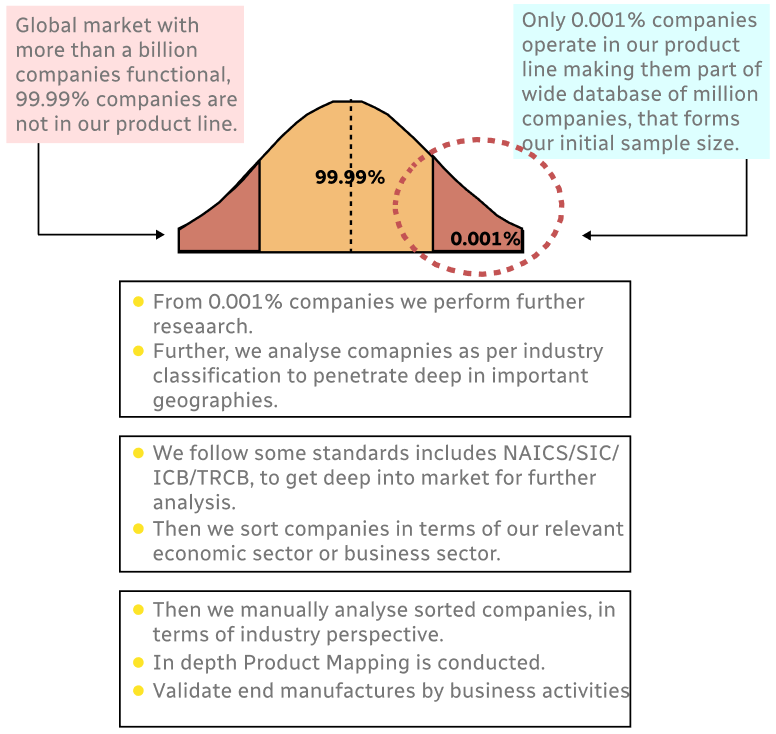
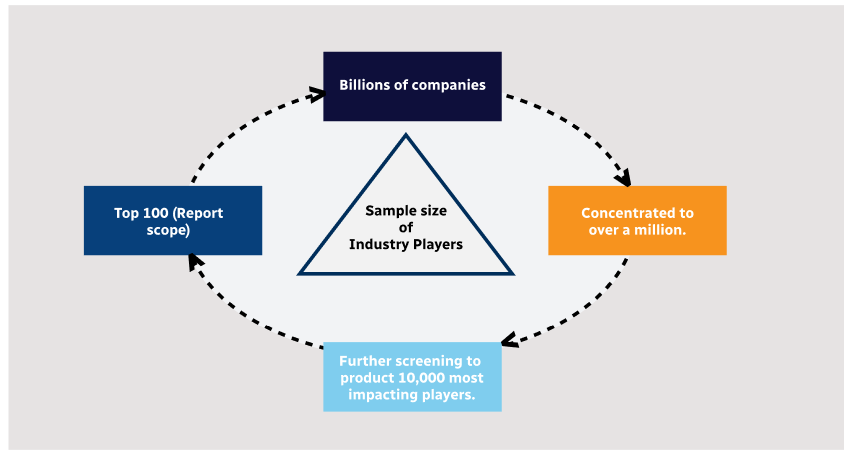
Step 1 - Identification of Relevant Samples Size from Population Database
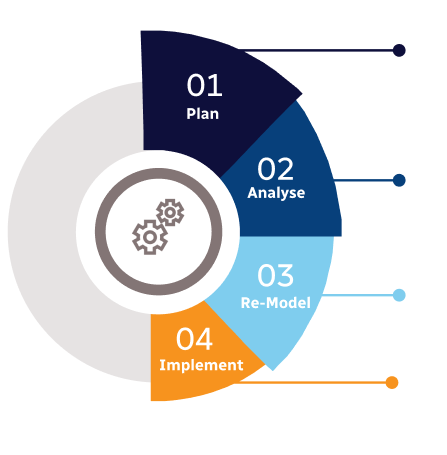
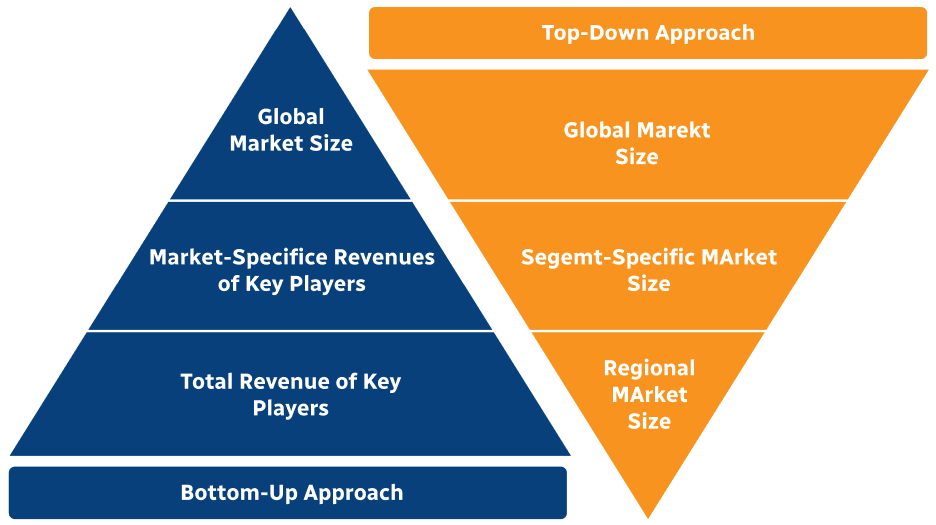
Step 2 - Approaches for Defining Global Market Size (Value, Volume* & Price*)
Note*: In applicable scenarios
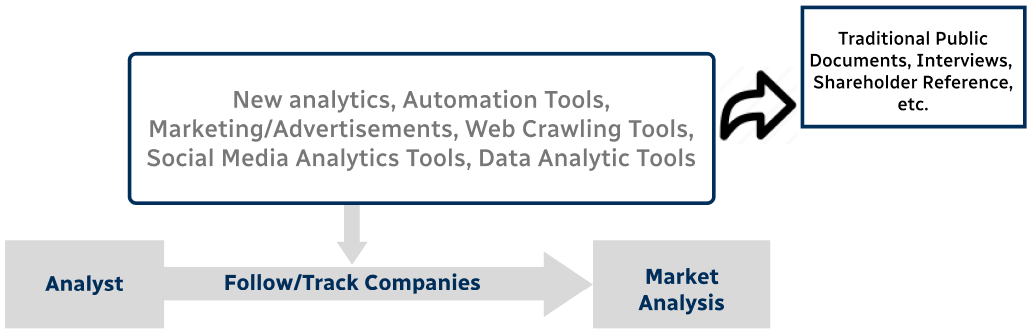
Step 3 - Data Sources
Primary Research
- Web Analytics
- Survey Reports
- Research Institute
- Latest Research Reports
- Opinion Leaders
Secondary Research
- Annual Reports
- White Paper
- Latest Press Release
- Industry Association
- Paid Database
- Investor Presentations
Step 4 - Data Triangulation
Involves using different sources of information in order to increase the validity of a study
These sources are likely to be stakeholders in a program - participants, other researchers, program staff, other community members, and so on.
Then we put all data in single framework & apply various statistical tools to find out the dynamic on the market.
During the analysis stage, feedback from the stakeholder groups would be compared to determine areas of agreement as well as areas of divergence