Key Insights
The global Medical Sterility Testing Isolation Chamber market is poised for robust expansion, projected to reach an estimated $1.6 billion in 2025. This significant market value is underpinned by an impressive CAGR of 11.8% anticipated from 2025 to 2033, reflecting a dynamic and growing demand for advanced containment solutions in healthcare and pharmaceutical sectors. The primary drivers of this growth are the increasing stringency of regulatory requirements for sterile product manufacturing, the escalating number of pharmaceutical and biotechnology companies investing in research and development, and the growing global prevalence of healthcare-associated infections, which necessitates enhanced sterile processing. Furthermore, the continuous innovation in chamber technology, offering improved sterility assurance and operator safety, is also a key contributing factor. The market's segmentation highlights the diverse applications, with hospitals and laboratories forming a substantial user base, alongside pharmaceutical factories where sterility is paramount. The differentiation between positive and negative pressure chambers caters to specific containment needs, indicating a sophisticated and tailored market landscape.
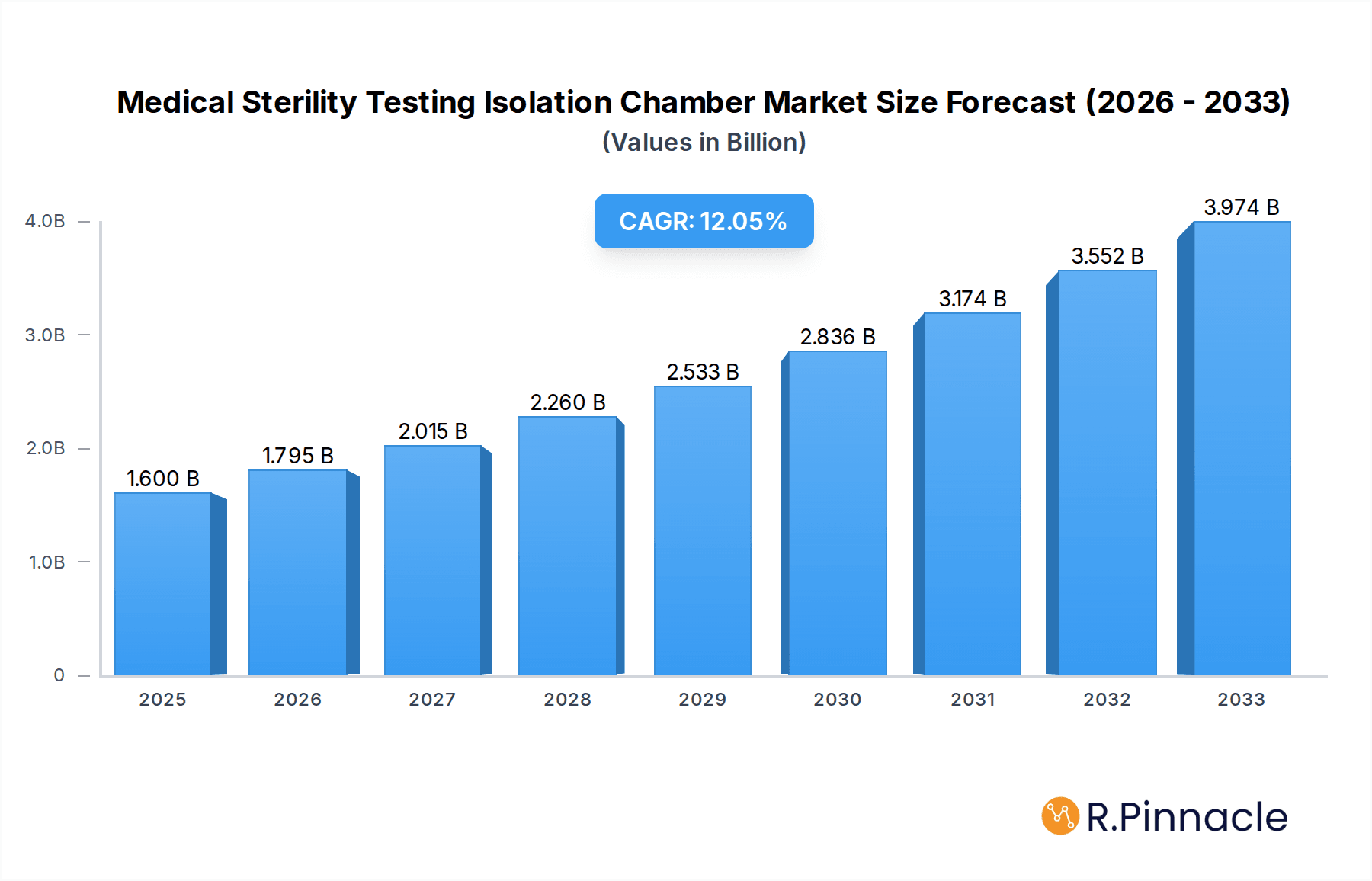
Medical Sterility Testing Isolation Chamber Market Size (In Billion)

The projected growth trajectory for the Medical Sterility Testing Isolation Chamber market is further fueled by ongoing trends such as the increasing adoption of isolator technology for aseptic processing, driven by its superior contamination control compared to traditional cleanrooms. The rising outsourcing of pharmaceutical manufacturing and the growing demand for biologics and biosimilars, which require exceptionally high standards of sterility, also contribute significantly. However, certain restraints, including the high initial investment cost of these advanced isolation systems and the need for skilled personnel for their operation and maintenance, may present challenges. Despite these hurdles, the market is expected to overcome them due to the undeniable benefits of enhanced product safety, reduced risk of contamination, and compliance with evolving global pharmaceutical standards. Geographically, North America and Europe are anticipated to lead the market, driven by established pharmaceutical industries and stringent regulatory frameworks, while the Asia Pacific region is expected to witness the fastest growth due to increasing healthcare investments and a burgeoning pharmaceutical manufacturing base.
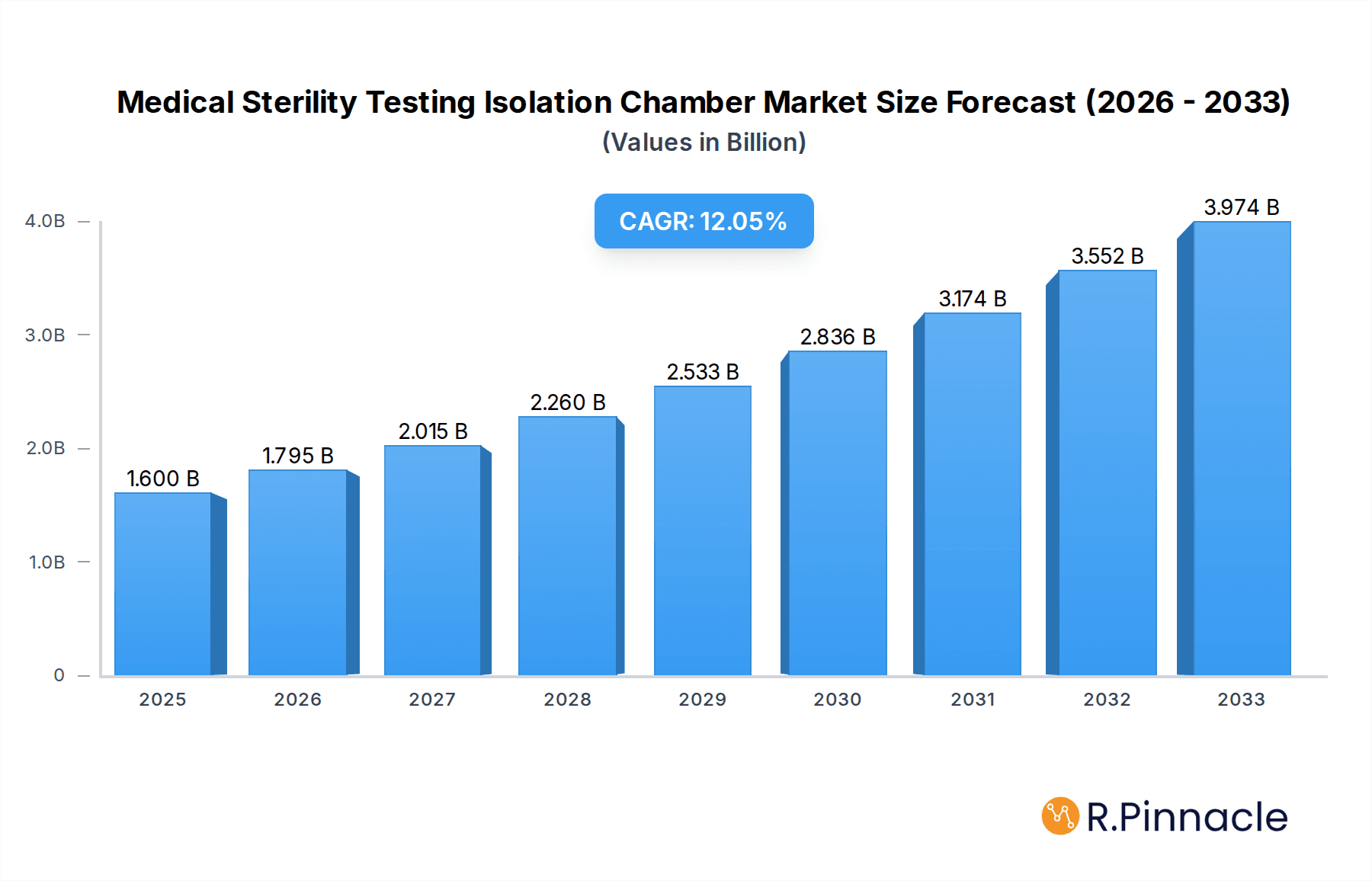
Medical Sterility Testing Isolation Chamber Company Market Share
This comprehensive report provides an in-depth analysis of the global Medical Sterility Testing Isolation Chamber market, offering critical insights for industry stakeholders. Covering the historical period from 2019 to 2024, a base year of 2025, and a detailed forecast extending to 2033, this study meticulously examines market dynamics, key players, technological advancements, and regional landscapes. We leverage high-ranking keywords such as "sterility testing isolation chamber," "pharmaceutical isolator," "cGMP compliance," "aseptic processing," "biopharmaceutical containment," and "laboratory biosafety" to enhance search visibility and attract industry professionals seeking actionable intelligence. The report is structured to provide clear, actionable insights, featuring specific metrics and detailed segmentation.
Medical Sterility Testing Isolation Chamber Market Structure & Innovation Trends
The medical sterility testing isolation chamber market is characterized by a moderate to high concentration, with key players investing heavily in research and development to drive innovation. Significant innovation drivers include the increasing stringency of regulatory frameworks, such as cGMP (current Good Manufacturing Practices) and ISO standards, demanding higher levels of contamination control. The development of advanced containment technologies, enhanced user interfaces, and integrated monitoring systems are paramount. Product substitutes, while present in broader containment solutions, face limitations in meeting the precise sterility assurance requirements of advanced testing. End-user demographics are increasingly focused on pharmaceutical and biopharmaceutical manufacturing facilities, research laboratories, and specialized hospitals, all seeking to minimize the risk of microbial contamination during critical processes. Mergers and acquisitions (M&A) activity has been a notable trend, with strategic consolidations aimed at expanding product portfolios, geographical reach, and technological capabilities. For instance, recent M&A deals in the sector have collectively surpassed an estimated XXX billion in value, reflecting the strategic importance of acquiring specialized containment expertise and market share. The competitive landscape sees a blend of established multinational corporations and niche specialists, each vying for dominance through product differentiation and robust service offerings.
Medical Sterility Testing Isolation Chamber Market Dynamics & Trends
The medical sterility testing isolation chamber market is experiencing robust growth, propelled by a confluence of escalating demands for product safety and stringent regulatory mandates across the pharmaceutical, biotechnology, and healthcare sectors. The increasing complexity of drug development, particularly in the realm of biologics and advanced therapies, necessitates highly controlled aseptic environments for sterility testing and manufacturing, directly driving the adoption of advanced isolation chamber technologies. Technological disruptions are playing a pivotal role, with advancements in laminar airflow systems, rapid microbial detection methods, and intelligent automation enhancing the efficacy and efficiency of sterility testing processes. The integration of real-time environmental monitoring, advanced filtration techniques (HEPA and ULPA), and sophisticated control systems are becoming standard features, significantly reducing the risk of false positives and ensuring product integrity. Consumer preferences within the industry are shifting towards solutions that offer not only superior containment and sterility assurance but also ergonomic design, ease of operation, and comprehensive validation support. Manufacturers are responding by developing user-friendly interfaces, modular designs for flexibility, and integrated data logging capabilities to meet the evolving needs of laboratories and manufacturing sites. Competitive dynamics are intensifying, with companies differentiating themselves through innovation in barrier technology, energy efficiency, and integrated workflow solutions. Market penetration is steadily increasing, particularly in emerging economies that are rapidly expanding their pharmaceutical manufacturing capacities and adopting global quality standards. The global market size for sterility testing isolation chambers is projected to reach an estimated XXX billion by 2025, with a projected Compound Annual Growth Rate (CAGR) of approximately XX.X% during the forecast period of 2025-2033. This growth trajectory is underpinned by continuous investment in infrastructure and R&D within the life sciences sector, as well as the ongoing need to ensure the safety and efficacy of sterile medical products, from injectable drugs to implantable devices. The drive towards miniaturization in drug delivery systems and the increasing prevalence of personalized medicine further accentuate the requirement for highly specialized and contained testing environments, thereby shaping the future trajectory of this critical market segment.
Dominant Regions & Segments in Medical Sterility Testing Isolation Chamber
North America and Europe currently dominate the medical sterility testing isolation chamber market, driven by their established pharmaceutical and biopharmaceutical industries, robust regulatory oversight, and substantial investments in research and development. The United States, in particular, stands out due to its large pharmaceutical manufacturing base and stringent FDA regulations, which mandate high standards for aseptic processing and sterility assurance. Key drivers for dominance in these regions include supportive economic policies that encourage life sciences innovation, advanced healthcare infrastructure, and a strong emphasis on patient safety and product quality.
Within the application segments, the Pharmaceutical Factory segment represents the largest and fastest-growing market for sterility testing isolation chambers. This is primarily attributed to the substantial volumes of sterile drug products manufactured, the critical need for cGMP compliance, and the rigorous quality control protocols implemented throughout the drug production lifecycle. Pharmaceutical companies require these chambers for various stages, including raw material testing, in-process testing, and final product release.
The Laboratory segment also holds significant importance, encompassing contract research organizations (CROs), academic research institutions, and specialized testing laboratories. These entities rely on isolation chambers for method development, validation studies, and routine sterility testing of a wide array of medical products. The increasing outsourcing of testing services by pharmaceutical companies further bolsters the growth of this segment.
In terms of Types, Positive Pressure Sterility Testing Isolation Chambers are crucial for applications where product protection from the external environment is paramount, ensuring the sterility of the product being tested. Conversely, Negative Pressure Sterility Testing Isolation Chambers are indispensable for applications involving highly potent compounds or hazardous materials, providing containment for personnel and the environment. The demand for both types is driven by specific application requirements and risk assessments. For instance, the increasing development of potent oncology drugs necessitates a greater reliance on negative pressure isolators to safeguard operators.
Medical Sterility Testing Isolation Chamber Product Innovations
Recent product innovations in the medical sterility testing isolation chamber market focus on enhancing containment integrity, user experience, and operational efficiency. Advancements include the integration of sophisticated real-time environmental monitoring systems, improved HEPA/ULPA filtration technologies for superior air purification, and intuitive human-machine interfaces for simplified operation and data logging. These developments aim to meet evolving regulatory demands for sterility assurance and provide pharmaceutical manufacturers with reliable tools for aseptic processing and testing. The competitive advantage lies in chambers that offer superior aseptic conditions, flexible configurations for diverse testing needs, and robust validation support, ensuring market fit for a range of critical applications.
Report Scope & Segmentation Analysis
This report provides a comprehensive segmentation of the medical sterility testing isolation chamber market. The Application segment is analyzed across Hospital, Laboratory, Pharmaceutical Factory, and Other categories. The Type segment is further divided into Positive Pressure Sterility Testing Isolation Chamber and Negative Pressure Sterility Testing Isolation Chamber. The Pharmaceutical Factory segment is projected to witness the highest growth, with an estimated market size of XXX billion by 2025. The Laboratory segment, valued at approximately XXX billion in 2025, is expected to exhibit steady growth driven by research advancements and outsourcing trends. Within Types, both positive and negative pressure chambers are critical, with market shares and growth rates influenced by the specific containment needs of pharmaceutical and biopharmaceutical operations.
Key Drivers of Medical Sterility Testing Isolation Chamber Growth
The growth of the medical sterility testing isolation chamber market is primarily driven by the escalating global demand for safe and effective sterile pharmaceutical products. Stringent regulatory requirements from bodies like the FDA, EMA, and other national health authorities, mandating rigorous sterility testing and aseptic processing protocols, are fundamental growth catalysts. Furthermore, the continuous expansion of the biopharmaceutical sector, with its focus on complex biologics and advanced therapies requiring highly controlled environments, significantly fuels market expansion. Technological advancements in isolation technology, offering enhanced containment, improved ergonomics, and integrated monitoring, also contribute significantly by providing manufacturers with more reliable and efficient solutions.
Challenges in the Medical Sterility Testing Isolation Chamber Sector
Despite strong growth, the medical sterility testing isolation chamber sector faces several challenges. The high cost of sophisticated isolation chambers, coupled with the need for specialized installation and validation, can be a significant barrier for smaller pharmaceutical companies or emerging markets. Stringent and evolving regulatory compliance requirements necessitate continuous investment in upgrades and recalibrations, adding to operational expenses. Supply chain disruptions for specialized components and the availability of skilled personnel for installation and maintenance can also pose challenges. Furthermore, the competitive pressure from alternative containment strategies and the constant need for innovation to stay ahead of technological advancements present ongoing hurdles.
Emerging Opportunities in Medical Sterility Testing Isolation Chamber
Emerging opportunities in the medical sterility testing isolation chamber market are abundant, driven by advancements in personalized medicine, cell and gene therapies, and the increasing development of potent pharmaceutical compounds. The growing demand for specialized isolators designed for handling highly potent active pharmaceutical ingredients (HPAPIs) and for sterile filling of advanced therapeutic products presents a significant growth avenue. Furthermore, the expansion of biopharmaceutical manufacturing in emerging economies, coupled with a growing emphasis on global quality standards, opens up new geographical markets. The development of more integrated and intelligent isolation systems, incorporating advanced robotics, AI-driven monitoring, and seamless data integration with manufacturing execution systems (MES), represents a key technological opportunity.
Leading Players in the Medical Sterility Testing Isolation Chamber Market
- Getinge AB
- Comecer
- Envair Technology
- Esco Micro Pte. Ltd.
- Extract Technology
- Fedegari Autoclavi S.p.A.
- Metall + Plastic
- Skan
- Steriline
- Tema Sinergie
- Telstar (azbil Group)
- Hangzhou Tailin Bioengineering Equipments
- Klenzaids
- SHIBUYA CORPORATION
- Franz Ziel
- JCE Biotechnology
Key Developments in Medical Sterility Testing Isolation Chamber Industry
- 2024: Introduction of advanced rapid microbial detection integration within isolation chambers to expedite sterility testing cycles.
- 2023: Enhanced ergonomic designs and user-friendly interfaces for improved operator comfort and workflow efficiency.
- 2023: Expansion of product lines to include modular and scalable isolation solutions for flexible manufacturing environments.
- 2022: Significant investments in R&D focused on enhancing containment for highly potent compounds (HPAPIs).
- 2021: Strategic partnerships aimed at integrating AI-powered predictive maintenance and environmental monitoring into isolation systems.
- 2020: Increased adoption of digital solutions for remote monitoring and validation of isolation chamber performance.
Future Outlook for Medical Sterility Testing Isolation Chamber Market
The future outlook for the medical sterility testing isolation chamber market is exceptionally positive, driven by sustained innovation and growing global demand for sterile pharmaceutical and biopharmaceutical products. The market is expected to accelerate with the increasing focus on advanced therapies, including cell and gene therapies, which require highly specialized containment solutions. Technological advancements in automation, artificial intelligence, and real-time monitoring will further enhance the capabilities of these chambers, leading to more efficient and reliable sterility assurance. Strategic opportunities lie in expanding into underserved emerging markets and developing customized solutions for niche applications. The market's trajectory indicates continued robust growth, solidifying its critical role in ensuring global health and product safety.
Medical Sterility Testing Isolation Chamber Segmentation
-
1. Application
- 1.1. Hospital
- 1.2. Laboratory
- 1.3. Pharmaceutical Factory
- 1.4. Other
-
2. Types
- 2.1. Positive Pressure Sterility Testing Isolation Chamber
- 2.2. Negative Pressure Sterility Testing Isolation Chamber
Medical Sterility Testing Isolation Chamber Segmentation By Geography
-
1. North America
- 1.1. United States
- 1.2. Canada
- 1.3. Mexico
-
2. South America
- 2.1. Brazil
- 2.2. Argentina
- 2.3. Rest of South America
-
3. Europe
- 3.1. United Kingdom
- 3.2. Germany
- 3.3. France
- 3.4. Italy
- 3.5. Spain
- 3.6. Russia
- 3.7. Benelux
- 3.8. Nordics
- 3.9. Rest of Europe
-
4. Middle East & Africa
- 4.1. Turkey
- 4.2. Israel
- 4.3. GCC
- 4.4. North Africa
- 4.5. South Africa
- 4.6. Rest of Middle East & Africa
-
5. Asia Pacific
- 5.1. China
- 5.2. India
- 5.3. Japan
- 5.4. South Korea
- 5.5. ASEAN
- 5.6. Oceania
- 5.7. Rest of Asia Pacific
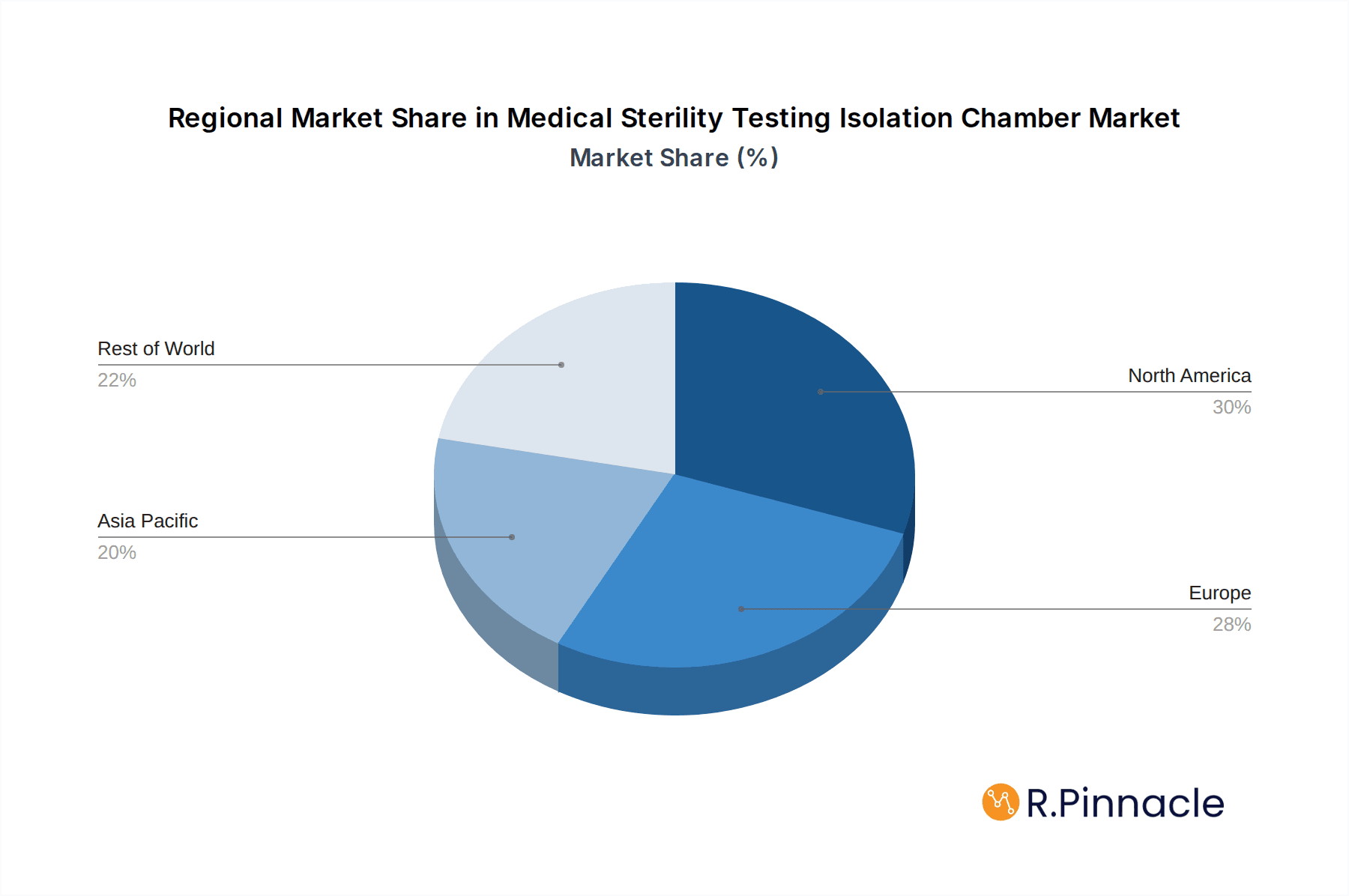
Medical Sterility Testing Isolation Chamber Regional Market Share
Geographic Coverage of Medical Sterility Testing Isolation Chamber
Medical Sterility Testing Isolation Chamber REPORT HIGHLIGHTS
| Aspects | Details |
|---|---|
| Study Period | 2020-2034 |
| Base Year | 2025 |
| Estimated Year | 2026 |
| Forecast Period | 2026-2034 |
| Historical Period | 2020-2025 |
| Growth Rate | CAGR of 11.8% from 2020-2034 |
| Segmentation |
|
Table of Contents
- 1. Introduction
- 1.1. Research Scope
- 1.2. Market Segmentation
- 1.3. Research Methodology
- 1.4. Definitions and Assumptions
- 2. Executive Summary
- 2.1. Introduction
- 3. Market Dynamics
- 3.1. Introduction
- 3.2. Market Drivers
- 3.3. Market Restrains
- 3.4. Market Trends
- 4. Market Factor Analysis
- 4.1. Porters Five Forces
- 4.2. Supply/Value Chain
- 4.3. PESTEL analysis
- 4.4. Market Entropy
- 4.5. Patent/Trademark Analysis
- 5. Global Medical Sterility Testing Isolation Chamber Analysis, Insights and Forecast, 2020-2032
- 5.1. Market Analysis, Insights and Forecast - by Application
- 5.1.1. Hospital
- 5.1.2. Laboratory
- 5.1.3. Pharmaceutical Factory
- 5.1.4. Other
- 5.2. Market Analysis, Insights and Forecast - by Types
- 5.2.1. Positive Pressure Sterility Testing Isolation Chamber
- 5.2.2. Negative Pressure Sterility Testing Isolation Chamber
- 5.3. Market Analysis, Insights and Forecast - by Region
- 5.3.1. North America
- 5.3.2. South America
- 5.3.3. Europe
- 5.3.4. Middle East & Africa
- 5.3.5. Asia Pacific
- 5.1. Market Analysis, Insights and Forecast - by Application
- 6. North America Medical Sterility Testing Isolation Chamber Analysis, Insights and Forecast, 2020-2032
- 6.1. Market Analysis, Insights and Forecast - by Application
- 6.1.1. Hospital
- 6.1.2. Laboratory
- 6.1.3. Pharmaceutical Factory
- 6.1.4. Other
- 6.2. Market Analysis, Insights and Forecast - by Types
- 6.2.1. Positive Pressure Sterility Testing Isolation Chamber
- 6.2.2. Negative Pressure Sterility Testing Isolation Chamber
- 6.1. Market Analysis, Insights and Forecast - by Application
- 7. South America Medical Sterility Testing Isolation Chamber Analysis, Insights and Forecast, 2020-2032
- 7.1. Market Analysis, Insights and Forecast - by Application
- 7.1.1. Hospital
- 7.1.2. Laboratory
- 7.1.3. Pharmaceutical Factory
- 7.1.4. Other
- 7.2. Market Analysis, Insights and Forecast - by Types
- 7.2.1. Positive Pressure Sterility Testing Isolation Chamber
- 7.2.2. Negative Pressure Sterility Testing Isolation Chamber
- 7.1. Market Analysis, Insights and Forecast - by Application
- 8. Europe Medical Sterility Testing Isolation Chamber Analysis, Insights and Forecast, 2020-2032
- 8.1. Market Analysis, Insights and Forecast - by Application
- 8.1.1. Hospital
- 8.1.2. Laboratory
- 8.1.3. Pharmaceutical Factory
- 8.1.4. Other
- 8.2. Market Analysis, Insights and Forecast - by Types
- 8.2.1. Positive Pressure Sterility Testing Isolation Chamber
- 8.2.2. Negative Pressure Sterility Testing Isolation Chamber
- 8.1. Market Analysis, Insights and Forecast - by Application
- 9. Middle East & Africa Medical Sterility Testing Isolation Chamber Analysis, Insights and Forecast, 2020-2032
- 9.1. Market Analysis, Insights and Forecast - by Application
- 9.1.1. Hospital
- 9.1.2. Laboratory
- 9.1.3. Pharmaceutical Factory
- 9.1.4. Other
- 9.2. Market Analysis, Insights and Forecast - by Types
- 9.2.1. Positive Pressure Sterility Testing Isolation Chamber
- 9.2.2. Negative Pressure Sterility Testing Isolation Chamber
- 9.1. Market Analysis, Insights and Forecast - by Application
- 10. Asia Pacific Medical Sterility Testing Isolation Chamber Analysis, Insights and Forecast, 2020-2032
- 10.1. Market Analysis, Insights and Forecast - by Application
- 10.1.1. Hospital
- 10.1.2. Laboratory
- 10.1.3. Pharmaceutical Factory
- 10.1.4. Other
- 10.2. Market Analysis, Insights and Forecast - by Types
- 10.2.1. Positive Pressure Sterility Testing Isolation Chamber
- 10.2.2. Negative Pressure Sterility Testing Isolation Chamber
- 10.1. Market Analysis, Insights and Forecast - by Application
- 11. Competitive Analysis
- 11.1. Global Market Share Analysis 2025
- 11.2. Company Profiles
- 11.2.1 Getinge AB
- 11.2.1.1. Overview
- 11.2.1.2. Products
- 11.2.1.3. SWOT Analysis
- 11.2.1.4. Recent Developments
- 11.2.1.5. Financials (Based on Availability)
- 11.2.2 Comecer
- 11.2.2.1. Overview
- 11.2.2.2. Products
- 11.2.2.3. SWOT Analysis
- 11.2.2.4. Recent Developments
- 11.2.2.5. Financials (Based on Availability)
- 11.2.3 Envair Technology
- 11.2.3.1. Overview
- 11.2.3.2. Products
- 11.2.3.3. SWOT Analysis
- 11.2.3.4. Recent Developments
- 11.2.3.5. Financials (Based on Availability)
- 11.2.4 Esco Micro Pte. Ltd.
- 11.2.4.1. Overview
- 11.2.4.2. Products
- 11.2.4.3. SWOT Analysis
- 11.2.4.4. Recent Developments
- 11.2.4.5. Financials (Based on Availability)
- 11.2.5 Extract Technology
- 11.2.5.1. Overview
- 11.2.5.2. Products
- 11.2.5.3. SWOT Analysis
- 11.2.5.4. Recent Developments
- 11.2.5.5. Financials (Based on Availability)
- 11.2.6 Fedegari Autoclavi S.p.A.
- 11.2.6.1. Overview
- 11.2.6.2. Products
- 11.2.6.3. SWOT Analysis
- 11.2.6.4. Recent Developments
- 11.2.6.5. Financials (Based on Availability)
- 11.2.7 Metall + Plastic
- 11.2.7.1. Overview
- 11.2.7.2. Products
- 11.2.7.3. SWOT Analysis
- 11.2.7.4. Recent Developments
- 11.2.7.5. Financials (Based on Availability)
- 11.2.8 Skan
- 11.2.8.1. Overview
- 11.2.8.2. Products
- 11.2.8.3. SWOT Analysis
- 11.2.8.4. Recent Developments
- 11.2.8.5. Financials (Based on Availability)
- 11.2.9 Steriline
- 11.2.9.1. Overview
- 11.2.9.2. Products
- 11.2.9.3. SWOT Analysis
- 11.2.9.4. Recent Developments
- 11.2.9.5. Financials (Based on Availability)
- 11.2.10 Tema Sinergie
- 11.2.10.1. Overview
- 11.2.10.2. Products
- 11.2.10.3. SWOT Analysis
- 11.2.10.4. Recent Developments
- 11.2.10.5. Financials (Based on Availability)
- 11.2.11 Telstar (azbil Group)
- 11.2.11.1. Overview
- 11.2.11.2. Products
- 11.2.11.3. SWOT Analysis
- 11.2.11.4. Recent Developments
- 11.2.11.5. Financials (Based on Availability)
- 11.2.12 Hangzhou Tailin Bioengineering Equipments
- 11.2.12.1. Overview
- 11.2.12.2. Products
- 11.2.12.3. SWOT Analysis
- 11.2.12.4. Recent Developments
- 11.2.12.5. Financials (Based on Availability)
- 11.2.13 Klenzaids
- 11.2.13.1. Overview
- 11.2.13.2. Products
- 11.2.13.3. SWOT Analysis
- 11.2.13.4. Recent Developments
- 11.2.13.5. Financials (Based on Availability)
- 11.2.14 SHIBUYA CORPORATION
- 11.2.14.1. Overview
- 11.2.14.2. Products
- 11.2.14.3. SWOT Analysis
- 11.2.14.4. Recent Developments
- 11.2.14.5. Financials (Based on Availability)
- 11.2.15 Franz Ziel
- 11.2.15.1. Overview
- 11.2.15.2. Products
- 11.2.15.3. SWOT Analysis
- 11.2.15.4. Recent Developments
- 11.2.15.5. Financials (Based on Availability)
- 11.2.16 JCE Biotechnology
- 11.2.16.1. Overview
- 11.2.16.2. Products
- 11.2.16.3. SWOT Analysis
- 11.2.16.4. Recent Developments
- 11.2.16.5. Financials (Based on Availability)
- 11.2.1 Getinge AB
List of Figures
- Figure 1: Global Medical Sterility Testing Isolation Chamber Revenue Breakdown (billion, %) by Region 2025 & 2033
- Figure 2: North America Medical Sterility Testing Isolation Chamber Revenue (billion), by Application 2025 & 2033
- Figure 3: North America Medical Sterility Testing Isolation Chamber Revenue Share (%), by Application 2025 & 2033
- Figure 4: North America Medical Sterility Testing Isolation Chamber Revenue (billion), by Types 2025 & 2033
- Figure 5: North America Medical Sterility Testing Isolation Chamber Revenue Share (%), by Types 2025 & 2033
- Figure 6: North America Medical Sterility Testing Isolation Chamber Revenue (billion), by Country 2025 & 2033
- Figure 7: North America Medical Sterility Testing Isolation Chamber Revenue Share (%), by Country 2025 & 2033
- Figure 8: South America Medical Sterility Testing Isolation Chamber Revenue (billion), by Application 2025 & 2033
- Figure 9: South America Medical Sterility Testing Isolation Chamber Revenue Share (%), by Application 2025 & 2033
- Figure 10: South America Medical Sterility Testing Isolation Chamber Revenue (billion), by Types 2025 & 2033
- Figure 11: South America Medical Sterility Testing Isolation Chamber Revenue Share (%), by Types 2025 & 2033
- Figure 12: South America Medical Sterility Testing Isolation Chamber Revenue (billion), by Country 2025 & 2033
- Figure 13: South America Medical Sterility Testing Isolation Chamber Revenue Share (%), by Country 2025 & 2033
- Figure 14: Europe Medical Sterility Testing Isolation Chamber Revenue (billion), by Application 2025 & 2033
- Figure 15: Europe Medical Sterility Testing Isolation Chamber Revenue Share (%), by Application 2025 & 2033
- Figure 16: Europe Medical Sterility Testing Isolation Chamber Revenue (billion), by Types 2025 & 2033
- Figure 17: Europe Medical Sterility Testing Isolation Chamber Revenue Share (%), by Types 2025 & 2033
- Figure 18: Europe Medical Sterility Testing Isolation Chamber Revenue (billion), by Country 2025 & 2033
- Figure 19: Europe Medical Sterility Testing Isolation Chamber Revenue Share (%), by Country 2025 & 2033
- Figure 20: Middle East & Africa Medical Sterility Testing Isolation Chamber Revenue (billion), by Application 2025 & 2033
- Figure 21: Middle East & Africa Medical Sterility Testing Isolation Chamber Revenue Share (%), by Application 2025 & 2033
- Figure 22: Middle East & Africa Medical Sterility Testing Isolation Chamber Revenue (billion), by Types 2025 & 2033
- Figure 23: Middle East & Africa Medical Sterility Testing Isolation Chamber Revenue Share (%), by Types 2025 & 2033
- Figure 24: Middle East & Africa Medical Sterility Testing Isolation Chamber Revenue (billion), by Country 2025 & 2033
- Figure 25: Middle East & Africa Medical Sterility Testing Isolation Chamber Revenue Share (%), by Country 2025 & 2033
- Figure 26: Asia Pacific Medical Sterility Testing Isolation Chamber Revenue (billion), by Application 2025 & 2033
- Figure 27: Asia Pacific Medical Sterility Testing Isolation Chamber Revenue Share (%), by Application 2025 & 2033
- Figure 28: Asia Pacific Medical Sterility Testing Isolation Chamber Revenue (billion), by Types 2025 & 2033
- Figure 29: Asia Pacific Medical Sterility Testing Isolation Chamber Revenue Share (%), by Types 2025 & 2033
- Figure 30: Asia Pacific Medical Sterility Testing Isolation Chamber Revenue (billion), by Country 2025 & 2033
- Figure 31: Asia Pacific Medical Sterility Testing Isolation Chamber Revenue Share (%), by Country 2025 & 2033
List of Tables
- Table 1: Global Medical Sterility Testing Isolation Chamber Revenue billion Forecast, by Application 2020 & 2033
- Table 2: Global Medical Sterility Testing Isolation Chamber Revenue billion Forecast, by Types 2020 & 2033
- Table 3: Global Medical Sterility Testing Isolation Chamber Revenue billion Forecast, by Region 2020 & 2033
- Table 4: Global Medical Sterility Testing Isolation Chamber Revenue billion Forecast, by Application 2020 & 2033
- Table 5: Global Medical Sterility Testing Isolation Chamber Revenue billion Forecast, by Types 2020 & 2033
- Table 6: Global Medical Sterility Testing Isolation Chamber Revenue billion Forecast, by Country 2020 & 2033
- Table 7: United States Medical Sterility Testing Isolation Chamber Revenue (billion) Forecast, by Application 2020 & 2033
- Table 8: Canada Medical Sterility Testing Isolation Chamber Revenue (billion) Forecast, by Application 2020 & 2033
- Table 9: Mexico Medical Sterility Testing Isolation Chamber Revenue (billion) Forecast, by Application 2020 & 2033
- Table 10: Global Medical Sterility Testing Isolation Chamber Revenue billion Forecast, by Application 2020 & 2033
- Table 11: Global Medical Sterility Testing Isolation Chamber Revenue billion Forecast, by Types 2020 & 2033
- Table 12: Global Medical Sterility Testing Isolation Chamber Revenue billion Forecast, by Country 2020 & 2033
- Table 13: Brazil Medical Sterility Testing Isolation Chamber Revenue (billion) Forecast, by Application 2020 & 2033
- Table 14: Argentina Medical Sterility Testing Isolation Chamber Revenue (billion) Forecast, by Application 2020 & 2033
- Table 15: Rest of South America Medical Sterility Testing Isolation Chamber Revenue (billion) Forecast, by Application 2020 & 2033
- Table 16: Global Medical Sterility Testing Isolation Chamber Revenue billion Forecast, by Application 2020 & 2033
- Table 17: Global Medical Sterility Testing Isolation Chamber Revenue billion Forecast, by Types 2020 & 2033
- Table 18: Global Medical Sterility Testing Isolation Chamber Revenue billion Forecast, by Country 2020 & 2033
- Table 19: United Kingdom Medical Sterility Testing Isolation Chamber Revenue (billion) Forecast, by Application 2020 & 2033
- Table 20: Germany Medical Sterility Testing Isolation Chamber Revenue (billion) Forecast, by Application 2020 & 2033
- Table 21: France Medical Sterility Testing Isolation Chamber Revenue (billion) Forecast, by Application 2020 & 2033
- Table 22: Italy Medical Sterility Testing Isolation Chamber Revenue (billion) Forecast, by Application 2020 & 2033
- Table 23: Spain Medical Sterility Testing Isolation Chamber Revenue (billion) Forecast, by Application 2020 & 2033
- Table 24: Russia Medical Sterility Testing Isolation Chamber Revenue (billion) Forecast, by Application 2020 & 2033
- Table 25: Benelux Medical Sterility Testing Isolation Chamber Revenue (billion) Forecast, by Application 2020 & 2033
- Table 26: Nordics Medical Sterility Testing Isolation Chamber Revenue (billion) Forecast, by Application 2020 & 2033
- Table 27: Rest of Europe Medical Sterility Testing Isolation Chamber Revenue (billion) Forecast, by Application 2020 & 2033
- Table 28: Global Medical Sterility Testing Isolation Chamber Revenue billion Forecast, by Application 2020 & 2033
- Table 29: Global Medical Sterility Testing Isolation Chamber Revenue billion Forecast, by Types 2020 & 2033
- Table 30: Global Medical Sterility Testing Isolation Chamber Revenue billion Forecast, by Country 2020 & 2033
- Table 31: Turkey Medical Sterility Testing Isolation Chamber Revenue (billion) Forecast, by Application 2020 & 2033
- Table 32: Israel Medical Sterility Testing Isolation Chamber Revenue (billion) Forecast, by Application 2020 & 2033
- Table 33: GCC Medical Sterility Testing Isolation Chamber Revenue (billion) Forecast, by Application 2020 & 2033
- Table 34: North Africa Medical Sterility Testing Isolation Chamber Revenue (billion) Forecast, by Application 2020 & 2033
- Table 35: South Africa Medical Sterility Testing Isolation Chamber Revenue (billion) Forecast, by Application 2020 & 2033
- Table 36: Rest of Middle East & Africa Medical Sterility Testing Isolation Chamber Revenue (billion) Forecast, by Application 2020 & 2033
- Table 37: Global Medical Sterility Testing Isolation Chamber Revenue billion Forecast, by Application 2020 & 2033
- Table 38: Global Medical Sterility Testing Isolation Chamber Revenue billion Forecast, by Types 2020 & 2033
- Table 39: Global Medical Sterility Testing Isolation Chamber Revenue billion Forecast, by Country 2020 & 2033
- Table 40: China Medical Sterility Testing Isolation Chamber Revenue (billion) Forecast, by Application 2020 & 2033
- Table 41: India Medical Sterility Testing Isolation Chamber Revenue (billion) Forecast, by Application 2020 & 2033
- Table 42: Japan Medical Sterility Testing Isolation Chamber Revenue (billion) Forecast, by Application 2020 & 2033
- Table 43: South Korea Medical Sterility Testing Isolation Chamber Revenue (billion) Forecast, by Application 2020 & 2033
- Table 44: ASEAN Medical Sterility Testing Isolation Chamber Revenue (billion) Forecast, by Application 2020 & 2033
- Table 45: Oceania Medical Sterility Testing Isolation Chamber Revenue (billion) Forecast, by Application 2020 & 2033
- Table 46: Rest of Asia Pacific Medical Sterility Testing Isolation Chamber Revenue (billion) Forecast, by Application 2020 & 2033
Frequently Asked Questions
1. What is the projected Compound Annual Growth Rate (CAGR) of the Medical Sterility Testing Isolation Chamber?
The projected CAGR is approximately 11.8%.
2. Which companies are prominent players in the Medical Sterility Testing Isolation Chamber?
Key companies in the market include Getinge AB, Comecer, Envair Technology, Esco Micro Pte. Ltd., Extract Technology, Fedegari Autoclavi S.p.A., Metall + Plastic, Skan, Steriline, Tema Sinergie, Telstar (azbil Group), Hangzhou Tailin Bioengineering Equipments, Klenzaids, SHIBUYA CORPORATION, Franz Ziel, JCE Biotechnology.
3. What are the main segments of the Medical Sterility Testing Isolation Chamber?
The market segments include Application, Types.
4. Can you provide details about the market size?
The market size is estimated to be USD 1.6 billion as of 2022.
5. What are some drivers contributing to market growth?
N/A
6. What are the notable trends driving market growth?
N/A
7. Are there any restraints impacting market growth?
N/A
8. Can you provide examples of recent developments in the market?
N/A
9. What pricing options are available for accessing the report?
Pricing options include single-user, multi-user, and enterprise licenses priced at USD 2900.00, USD 4350.00, and USD 5800.00 respectively.
10. Is the market size provided in terms of value or volume?
The market size is provided in terms of value, measured in billion.
11. Are there any specific market keywords associated with the report?
Yes, the market keyword associated with the report is "Medical Sterility Testing Isolation Chamber," which aids in identifying and referencing the specific market segment covered.
12. How do I determine which pricing option suits my needs best?
The pricing options vary based on user requirements and access needs. Individual users may opt for single-user licenses, while businesses requiring broader access may choose multi-user or enterprise licenses for cost-effective access to the report.
13. Are there any additional resources or data provided in the Medical Sterility Testing Isolation Chamber report?
While the report offers comprehensive insights, it's advisable to review the specific contents or supplementary materials provided to ascertain if additional resources or data are available.
14. How can I stay updated on further developments or reports in the Medical Sterility Testing Isolation Chamber?
To stay informed about further developments, trends, and reports in the Medical Sterility Testing Isolation Chamber, consider subscribing to industry newsletters, following relevant companies and organizations, or regularly checking reputable industry news sources and publications.
Methodology
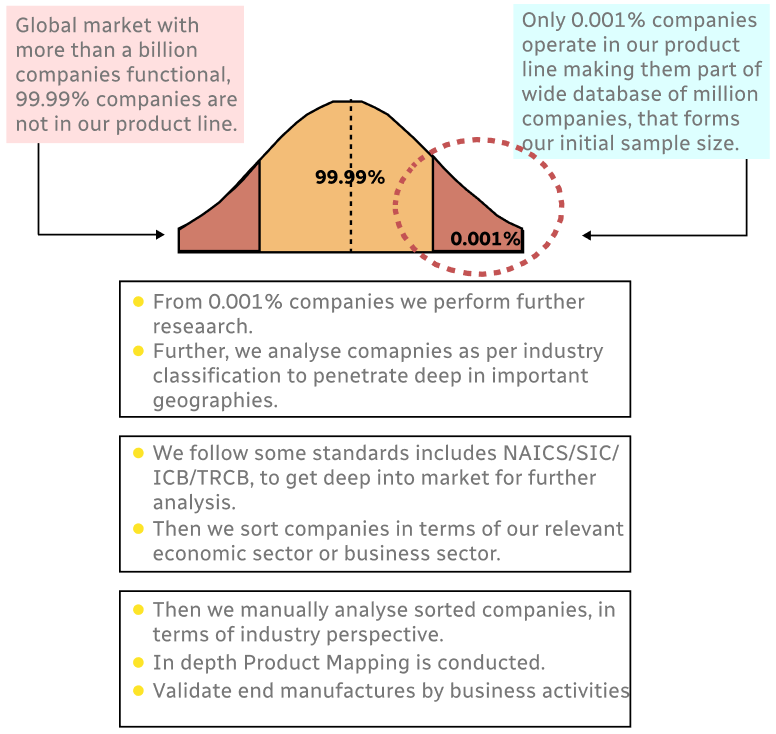
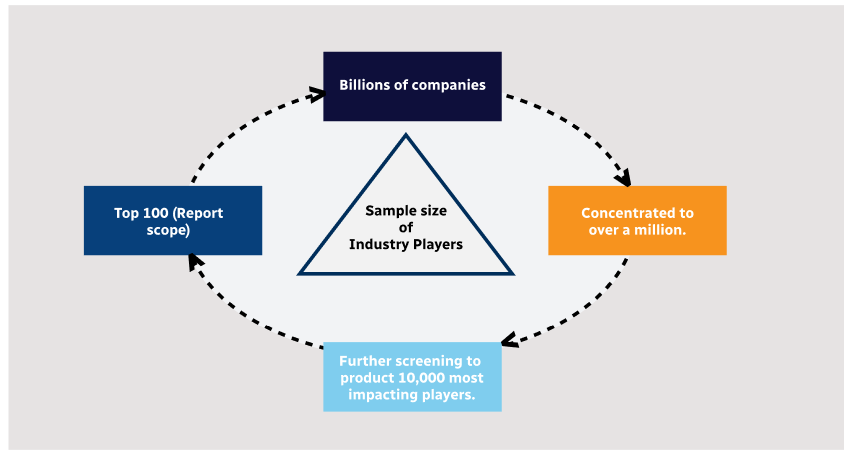
Step 1 - Identification of Relevant Samples Size from Population Database
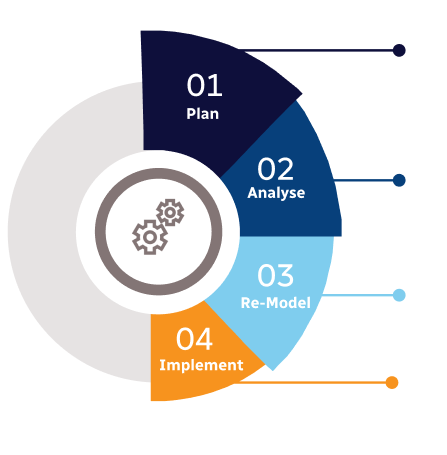
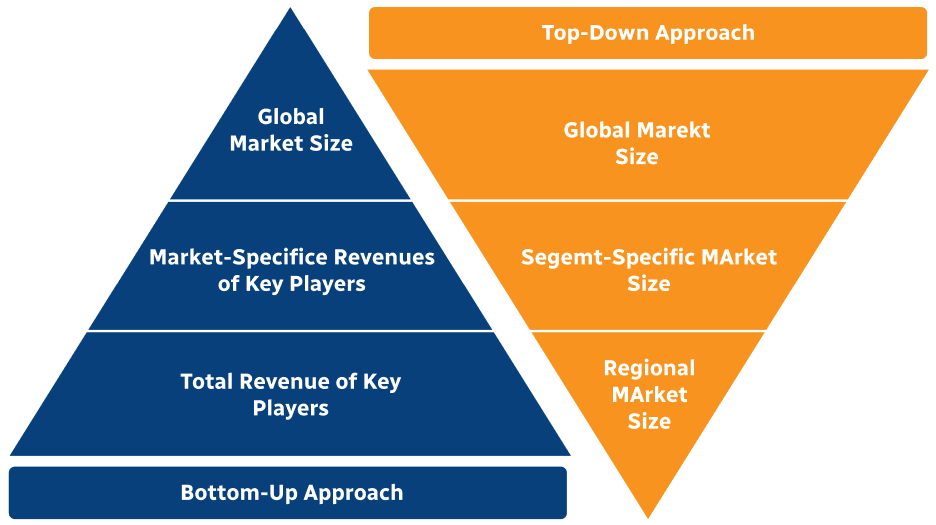
Step 2 - Approaches for Defining Global Market Size (Value, Volume* & Price*)
Note*: In applicable scenarios
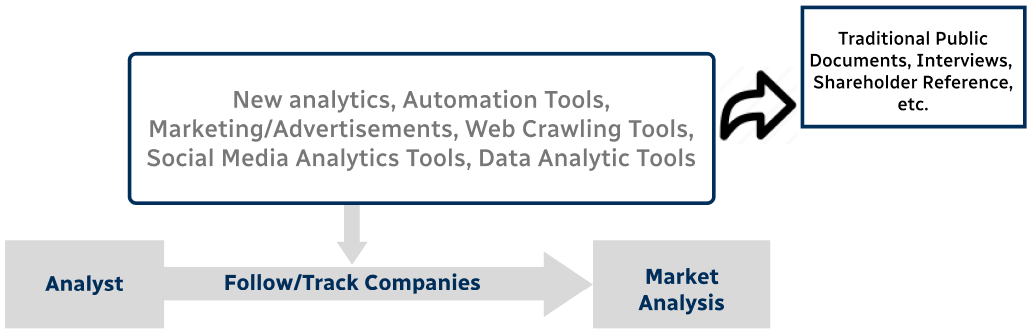
Step 3 - Data Sources
Primary Research
- Web Analytics
- Survey Reports
- Research Institute
- Latest Research Reports
- Opinion Leaders
Secondary Research
- Annual Reports
- White Paper
- Latest Press Release
- Industry Association
- Paid Database
- Investor Presentations
Step 4 - Data Triangulation
Involves using different sources of information in order to increase the validity of a study
These sources are likely to be stakeholders in a program - participants, other researchers, program staff, other community members, and so on.
Then we put all data in single framework & apply various statistical tools to find out the dynamic on the market.
During the analysis stage, feedback from the stakeholder groups would be compared to determine areas of agreement as well as areas of divergence