


Key Insights
The POCT (Point-of-Care Testing) Molecular Diagnostics Technology market is poised for robust expansion, driven by an increasing demand for rapid and accurate disease detection at the patient's side. With an estimated market size of $17.1 billion in 2025, this sector is projected to grow at a Compound Annual Growth Rate (CAGR) of 5.3% from 2025 to 2033. Key drivers for this growth include the escalating prevalence of infectious diseases, a growing awareness of the benefits of early diagnosis, and significant advancements in molecular technology that enable more sensitive and specific testing outside traditional laboratory settings. The rising burden of chronic diseases and the need for personalized medicine further fuel the demand for sophisticated POCT solutions. These technologies are instrumental in decentralized healthcare settings, improving patient outcomes by enabling timely clinical decisions and reducing the turnaround time for critical diagnostic results.
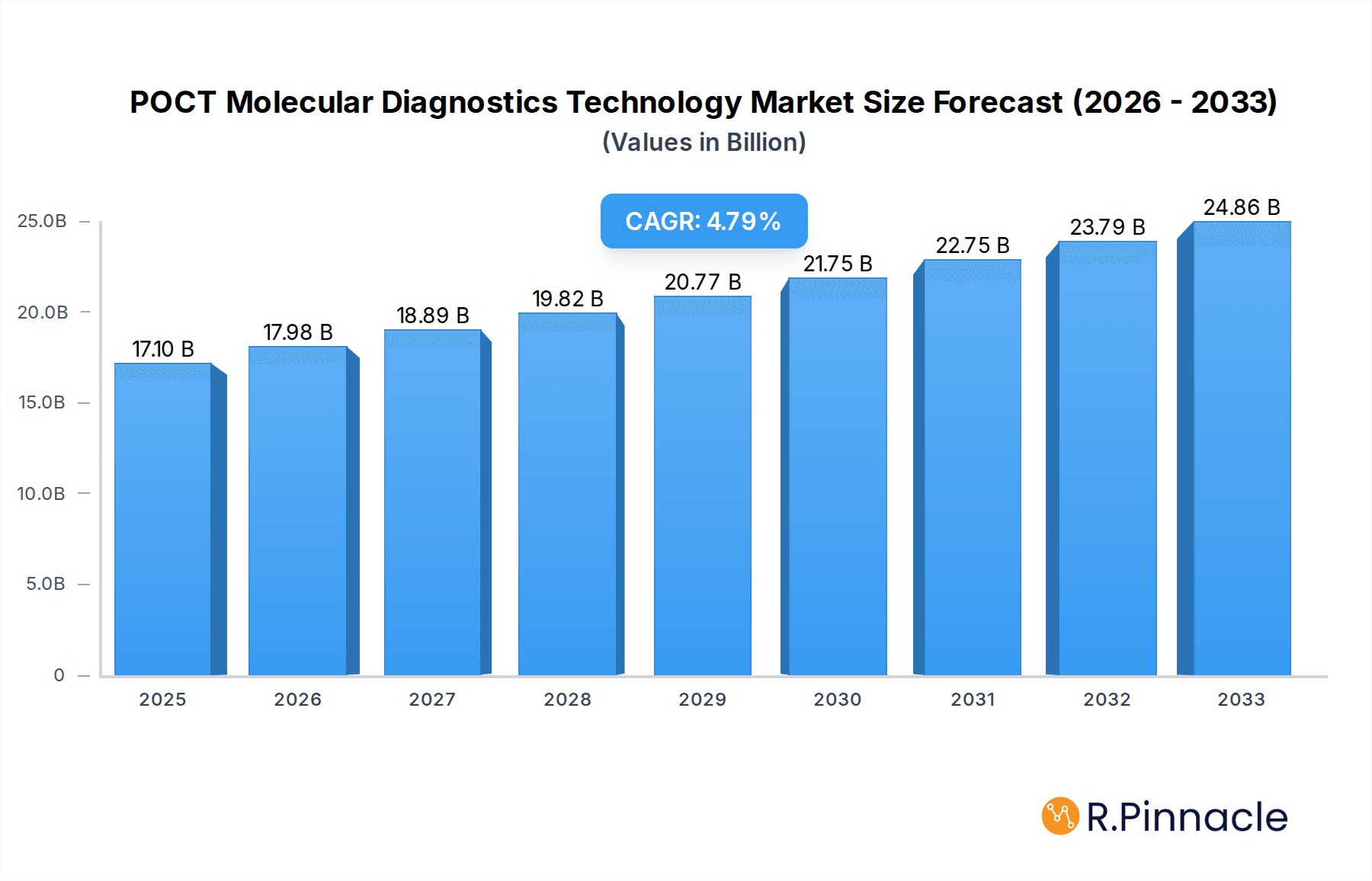
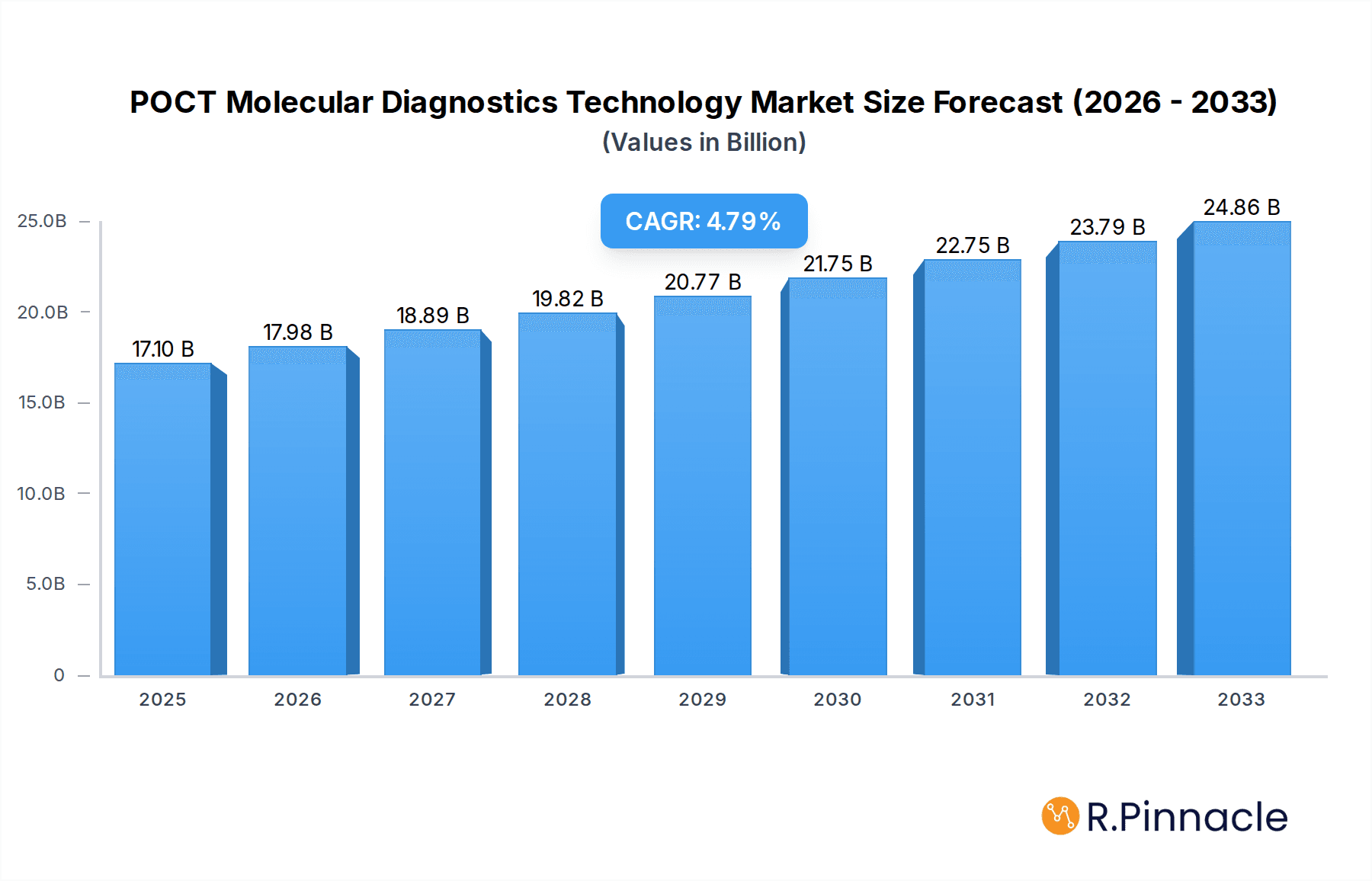
POCT Molecular Diagnostics Technology Market Size (In Billion)

The market is strategically segmented into applications within Microbiology Laboratories, Hospitals, and Clinics, and by types such as Molecular Point-of-Care Diagnostics and Near-Patient Molecular tests. The trend towards miniaturization, improved user-friendliness, and the integration of connectivity features in POCT devices is making them more accessible and efficient. While the market exhibits strong growth potential, certain restraints, such as regulatory hurdles and the initial cost of advanced instrumentation, need to be navigated. However, the continuous innovation from key players like Roche Holding AG, Abbott Laboratories, and Cepheid, alongside emerging companies, is expected to drive down costs and expand market penetration, particularly in emerging economies. The Asia Pacific region, especially China and India, is anticipated to be a significant growth engine due to increasing healthcare investments and a large, underserved population.
POCT Molecular Diagnostics Technology Company Market Share
Unlock the Future of Decentralized Diagnostics: Your Definitive Guide to the POCT Molecular Diagnostics Technology Market (2019-2033)
Dive deep into the rapidly evolving world of Point-of-Care Testing (POCT) molecular diagnostics with this comprehensive report. Analyzing a market projected to reach billions, this study provides unparalleled insights into the technological innovations, market dynamics, and strategic opportunities shaping the future of infectious disease testing, genetic analysis, and beyond. From major players like Cepheid and Abbott Laboratories to emerging innovators, understand the competitive landscape, key growth drivers, and the significant impact of molecular POCT on healthcare delivery in hospitals, clinics, and microbiology laboratories worldwide. This report is an indispensable resource for industry professionals, investors, and stakeholders seeking to capitalize on the multi-billion dollar global POCT molecular diagnostics market.
POCT Molecular Diagnostics Technology Market Structure & Innovation Trends
The POCT molecular diagnostics technology market is characterized by a moderate concentration, with a few dominant players and a growing number of innovative startups driving advancements. Innovation is primarily fueled by the demand for rapid, accurate, and accessible diagnostic solutions, particularly in the wake of global health crises. Key innovation drivers include the development of multiplexed assays, microfluidic technologies, and enhanced data analytics for faster results and improved patient outcomes. Regulatory frameworks, while essential for ensuring safety and efficacy, can also influence the pace of innovation and market entry. Product substitutes, such as traditional laboratory-based molecular tests and other diagnostic modalities, are present but are increasingly being outperformed by the speed and convenience of molecular POCT. End-user demographics are diverse, spanning healthcare providers in hospitals, clinics, and decentralized settings, all seeking to improve patient care and streamline workflows. Mergers and acquisitions (M&A) are a significant factor in market consolidation and the expansion of technological capabilities. Estimated M&A deal values in this dynamic sector have reached billions, reflecting the strategic importance of acquiring innovative technologies and expanding market reach. The market share of leading companies is continuously shifting as new technologies emerge and regulatory approvals are secured.
POCT Molecular Diagnostics Technology Market Dynamics & Trends
The POCT molecular diagnostics technology market is experiencing robust growth, driven by a confluence of technological advancements, shifting healthcare paradigms, and increasing global health concerns. The estimated market size is set to reach billions by 2033, with a projected Compound Annual Growth Rate (CAGR) of over 15%. This expansion is significantly propelled by the escalating demand for rapid and accurate diagnostic solutions, especially in infectious disease detection, chronic disease management, and personalized medicine. Technological disruptions are at the forefront of this growth, with innovations in isothermal amplification, CRISPR-based diagnostics, and microfluidics enabling faster test times and higher sensitivity outside of traditional laboratory settings. Consumer preferences are increasingly leaning towards near-patient testing, emphasizing convenience, reduced turnaround times, and immediate actionable insights for better clinical decision-making. The competitive dynamics within the market are intense, with established giants like Roche Holding AG and Cepheid actively investing in research and development alongside agile biotech firms such as Ustar Biotechnologies and BioFire Diagnostics. Market penetration is deepening as regulatory bodies streamline approval processes for novel POCT devices, making them more accessible to a wider range of healthcare facilities. The rising prevalence of infectious diseases, coupled with the growing awareness of antimicrobial resistance, further accentuates the need for decentralized diagnostic capabilities. Furthermore, government initiatives promoting public health infrastructure and the increasing adoption of digital health technologies are creating a fertile ground for the widespread implementation of molecular POCT solutions. The integration of artificial intelligence and machine learning into POCT platforms is also a burgeoning trend, promising enhanced data interpretation and predictive diagnostics, further solidifying the market's trajectory towards substantial growth and transformation.
Dominant Regions & Segments in POCT Molecular Diagnostics Technology
North America currently stands as the dominant region in the POCT molecular diagnostics technology market, driven by a robust healthcare infrastructure, significant investment in R&D, and a high adoption rate of advanced medical technologies. Within North America, the United States, with its large patient population and progressive regulatory environment, leads the market share. Key economic policies, such as government funding for public health initiatives and reimbursement schemes for point-of-care testing, significantly bolster market growth. Furthermore, the advanced healthcare infrastructure, encompassing numerous hospitals and clinics equipped with cutting-edge diagnostic tools, plays a pivotal role in the region's dominance.
Application: Hospital: Hospitals represent a significant segment within the POCT molecular diagnostics market. The need for rapid diagnosis and treatment initiation in acute care settings, emergency departments, and intensive care units makes molecular POCT indispensable. The ability to quickly identify pathogens, drug resistance markers, and other critical biomarkers directly at the bedside significantly improves patient management and reduces hospital-acquired infections. Investment in hospital technology is in the billions, with a focus on workflow efficiency and patient outcomes.
Application: Clinic: Clinics, particularly in primary care settings and specialized outpatient facilities, are increasingly adopting molecular POCT. This segment benefits from the decentralization of diagnostic services, bringing testing closer to patients and reducing the burden on centralized laboratories. The convenience and speed of clinic-based POCT enable faster diagnoses for common infectious diseases, chronic condition monitoring, and preventive screenings, thereby enhancing patient satisfaction and reducing healthcare costs. Market penetration in this segment is growing steadily, with investments in clinic-specific POCT solutions in the hundreds of millions.
Application: Microbiology Laboratory: While traditional microbiology laboratories may not be the primary point-of-care setting, they are crucial adopters and beneficiaries of molecular POCT advancements. Laboratories are increasingly integrating POCT devices for STAT testing, rapid pathogen identification, and antimicrobial susceptibility testing, supplementing their conventional workflows. This integration allows for quicker results that directly inform clinical decisions, especially for critical samples. The technological synergy between traditional labs and POCT enhances overall diagnostic capacity, with investments in this area in the billions.
Type: Molecular Point-of-Care Diagnostics: This is the core segment driving the market, encompassing all molecular diagnostic tests performed at or near the patient's location. The demand for rapid results, ease of use, and portability fuels the growth of this segment, with an estimated market size in the tens of billions.
Type: Near-Patient Molecular: This broad category includes molecular tests performed in decentralized settings outside of traditional laboratories, encompassing both formal POCT devices and portable molecular testing solutions. This segment is experiencing exponential growth as healthcare systems seek to expand diagnostic access to remote areas and underserved populations.
POCT Molecular Diagnostics Technology Product Innovations
Product innovations in POCT molecular diagnostics are rapidly transforming healthcare delivery, focusing on enhanced speed, accuracy, and multiplexing capabilities. Developments in isothermal amplification techniques and CRISPR-based detection are enabling faster and more sensitive molecular assays that can be performed without complex laboratory equipment. Companies are developing compact, user-friendly devices that can detect multiple pathogens or biomarkers simultaneously from a single patient sample, significantly reducing turnaround times and improving diagnostic efficiency. These innovations offer substantial competitive advantages by providing actionable results at the point of care, leading to earlier and more appropriate treatment decisions, improved patient outcomes, and reduced healthcare costs. The market is witnessing a surge in demand for these advanced solutions.
Report Scope & Segmentation Analysis
This report provides an exhaustive analysis of the POCT molecular diagnostics technology market, segmented by application and type.
Application: Microbiology Laboratory: This segment, with projected market sizes in the billions, is driven by the need for rapid pathogen identification and antimicrobial susceptibility testing in clinical microbiology. Growth is fueled by increasing infectious disease prevalence and the demand for faster diagnostic turnaround times.
Application: Hospital: The hospital segment, estimated to be worth billions, is a primary adopter of molecular POCT for critical care, emergency diagnostics, and infection control. Key growth drivers include the imperative for rapid results to guide treatment decisions and reduce hospital-acquired infections.
Application: Clinic: Clinics, with a projected market size in the billions, represent a rapidly expanding segment. The demand for accessible, convenient, and fast diagnostics in primary and outpatient care settings is a significant growth catalyst. Competitive dynamics are characterized by an increasing number of smaller biotech firms offering specialized clinic-focused solutions.
Type: Molecular Point-of-Care Diagnostics: This core segment, with an estimated market size in the tens of billions, encompasses all molecular tests performed at the point of care. Growth is driven by technological advancements in assay development, miniaturization, and data integration, leading to increased market penetration across various healthcare settings.
Type: Near-Patient Molecular: This segment, also valued in the billions, encompasses a broader range of molecular testing performed outside of traditional laboratories. Its growth is propelled by the global push for decentralized healthcare, improved access to diagnostics in remote areas, and the increasing adoption of mobile health solutions.
Key Drivers of POCT Molecular Diagnostics Technology Growth
The POCT molecular diagnostics technology market is propelled by several potent growth drivers. Technologically, advancements in nucleic acid amplification techniques like isothermal amplification and CRISPR-based diagnostics are enabling faster, more sensitive, and more accessible tests. Economically, the increasing global healthcare expenditure, coupled with the need for cost-effective diagnostic solutions, favors the adoption of POCT. Regulatory bodies worldwide are also streamlining approval pathways for novel POCT devices, especially for infectious diseases, further accelerating market entry and growth. For example, the rapid development and deployment of COVID-19 POCT tests demonstrated the critical role of these technologies in public health emergencies.
Challenges in the POCT Molecular Diagnostics Technology Sector
Despite its significant growth potential, the POCT molecular diagnostics sector faces several challenges. Regulatory hurdles, while improving, can still be complex and time-consuming for new market entrants, impacting the pace of innovation and adoption. Supply chain issues, particularly in sourcing specialized reagents and components, can disrupt production and increase costs. Furthermore, intense competitive pressures from both established players and emerging startups can lead to pricing challenges and a need for continuous innovation to maintain market share. The initial investment cost for some advanced POCT platforms can also be a barrier for smaller healthcare facilities.
Emerging Opportunities in POCT Molecular Diagnostics Technology
Emerging opportunities in the POCT molecular diagnostics sector are abundant, driven by new technological frontiers and unmet clinical needs. The development of point-of-care genomic sequencing and liquid biopsy technologies presents significant potential for early disease detection and personalized treatment. The expansion of infectious disease surveillance and rapid outbreak response capabilities, especially in low-resource settings, offers a substantial market for affordable and portable molecular POCT solutions. Consumer demand for home-based diagnostic testing, particularly for chronic disease management and wellness, is also creating new avenues for innovation and market growth. The integration of AI and machine learning into POCT devices to enhance data interpretation and predictive analytics is another key emerging trend.
Leading Players in the POCT Molecular Diagnostics Technology Market
- Ustar Biotechnologies (Hangzhou) Ltd.
- Cepheid
- Abbott Laboratories
- Roche Holding AG
- BioFire Diagnostics
- Beijing Bohui Innovat Biotech Grp Co Ltd.
- CapitalBio Corporation
- Daan Gene
- Sansure Biotech
- Coyote Bioscience Co.,Ltd.
- Genmark Diagnostics, Inc.
- Mobidiag
- Wondfo
Key Developments in POCT Molecular Diagnostics Technology Industry
- 2023 November: Cepheid launches new multiplex assays for rapid identification of respiratory pathogens, enhancing its Xpert system's utility.
- 2023 October: Abbott Laboratories receives expanded FDA clearance for its rapid molecular diagnostic platform, broadening its application in clinics.
- 2023 September: BioFire Diagnostics introduces an innovative panel for gastrointestinal infections, further strengthening its market position.
- 2023 August: Roche Holding AG announces significant investment in R&D for next-generation POCT devices, focusing on AI integration.
- 2023 July: Ustar Biotechnologies showcases novel isothermal amplification technology at a major industry conference, hinting at future product launches.
- 2023 June: Genmark Diagnostics, Inc. is acquired by a larger diagnostic company, signaling consolidation trends in the market.
- 2023 May: Sansure Biotech announces strategic partnerships to expand its global distribution of molecular POCT solutions.
- 2023 April: Mobidiag receives CE marking for its meningitis panel, expanding its European market reach.
- 2023 March: Wondfo launches an updated version of its handheld molecular analyzer, featuring enhanced user interface and data connectivity.
- 2023 February: Coyote Bioscience Co.,Ltd. unveils its advanced microfluidic cartridge design, promising higher throughput and improved assay performance.
- 2023 January: CapitalBio Corporation announces its new POCT platform designed for multiplexed biomarker detection in infectious diseases.
- 2022 December: Beijing Bohui Innovat Biotech Grp Co Ltd. expands its manufacturing capacity to meet growing global demand for its POCT products.
Future Outlook for POCT Molecular Diagnostics Technology Market
The future outlook for the POCT molecular diagnostics technology market is exceptionally bright, with sustained high growth anticipated through 2033. The market is poised for further expansion driven by continuous technological advancements in areas like AI-powered diagnostics, CRISPR-based detection, and lab-on-a-chip technologies. The increasing demand for decentralized testing solutions in emerging economies and for personalized medicine applications will also fuel growth. Strategic collaborations, mergers, and acquisitions are expected to continue, leading to further market consolidation and innovation. The increasing focus on infectious disease preparedness, coupled with the growing burden of chronic diseases, will ensure a robust demand for rapid, accurate, and accessible molecular diagnostic solutions at the point of care. This market is set to play a pivotal role in shaping the future of global healthcare.
POCT Molecular Diagnostics Technology Segmentation
-
1. Application
- 1.1. Microbiology Laboratory
- 1.2. Hospital
- 1.3. Clinic
-
2. Types
- 2.1. Molecular Point-of-Care Diagnostics
- 2.2. Near-Patient Molecular
POCT Molecular Diagnostics Technology Segmentation By Geography
-
1. North America
- 1.1. United States
- 1.2. Canada
- 1.3. Mexico
-
2. South America
- 2.1. Brazil
- 2.2. Argentina
- 2.3. Rest of South America
-
3. Europe
- 3.1. United Kingdom
- 3.2. Germany
- 3.3. France
- 3.4. Italy
- 3.5. Spain
- 3.6. Russia
- 3.7. Benelux
- 3.8. Nordics
- 3.9. Rest of Europe
-
4. Middle East & Africa
- 4.1. Turkey
- 4.2. Israel
- 4.3. GCC
- 4.4. North Africa
- 4.5. South Africa
- 4.6. Rest of Middle East & Africa
-
5. Asia Pacific
- 5.1. China
- 5.2. India
- 5.3. Japan
- 5.4. South Korea
- 5.5. ASEAN
- 5.6. Oceania
- 5.7. Rest of Asia Pacific
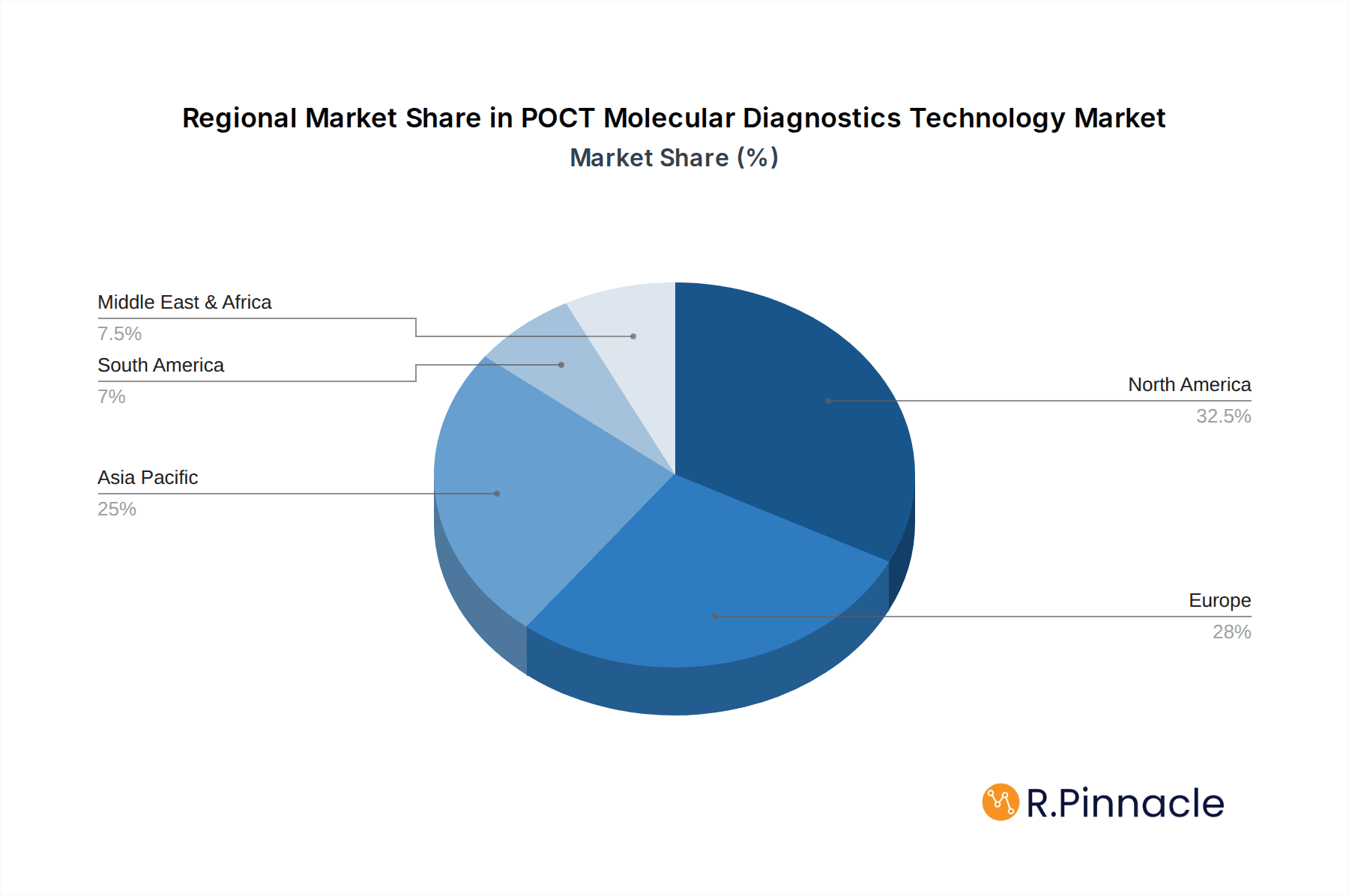
POCT Molecular Diagnostics Technology Regional Market Share
Geographic Coverage of POCT Molecular Diagnostics Technology
POCT Molecular Diagnostics Technology REPORT HIGHLIGHTS
| Aspects | Details |
|---|---|
| Study Period | 2020-2034 |
| Base Year | 2025 |
| Estimated Year | 2026 |
| Forecast Period | 2026-2034 |
| Historical Period | 2020-2025 |
| Growth Rate | CAGR of 5.3% from 2020-2034 |
| Segmentation |
|
Table of Contents
- 1. Introduction
- 1.1. Research Scope
- 1.2. Market Segmentation
- 1.3. Research Methodology
- 1.4. Definitions and Assumptions
- 2. Executive Summary
- 2.1. Introduction
- 3. Market Dynamics
- 3.1. Introduction
- 3.2. Market Drivers
- 3.3. Market Restrains
- 3.4. Market Trends
- 4. Market Factor Analysis
- 4.1. Porters Five Forces
- 4.2. Supply/Value Chain
- 4.3. PESTEL analysis
- 4.4. Market Entropy
- 4.5. Patent/Trademark Analysis
- 5. Global POCT Molecular Diagnostics Technology Analysis, Insights and Forecast, 2020-2032
- 5.1. Market Analysis, Insights and Forecast - by Application
- 5.1.1. Microbiology Laboratory
- 5.1.2. Hospital
- 5.1.3. Clinic
- 5.2. Market Analysis, Insights and Forecast - by Types
- 5.2.1. Molecular Point-of-Care Diagnostics
- 5.2.2. Near-Patient Molecular
- 5.3. Market Analysis, Insights and Forecast - by Region
- 5.3.1. North America
- 5.3.2. South America
- 5.3.3. Europe
- 5.3.4. Middle East & Africa
- 5.3.5. Asia Pacific
- 5.1. Market Analysis, Insights and Forecast - by Application
- 6. North America POCT Molecular Diagnostics Technology Analysis, Insights and Forecast, 2020-2032
- 6.1. Market Analysis, Insights and Forecast - by Application
- 6.1.1. Microbiology Laboratory
- 6.1.2. Hospital
- 6.1.3. Clinic
- 6.2. Market Analysis, Insights and Forecast - by Types
- 6.2.1. Molecular Point-of-Care Diagnostics
- 6.2.2. Near-Patient Molecular
- 6.1. Market Analysis, Insights and Forecast - by Application
- 7. South America POCT Molecular Diagnostics Technology Analysis, Insights and Forecast, 2020-2032
- 7.1. Market Analysis, Insights and Forecast - by Application
- 7.1.1. Microbiology Laboratory
- 7.1.2. Hospital
- 7.1.3. Clinic
- 7.2. Market Analysis, Insights and Forecast - by Types
- 7.2.1. Molecular Point-of-Care Diagnostics
- 7.2.2. Near-Patient Molecular
- 7.1. Market Analysis, Insights and Forecast - by Application
- 8. Europe POCT Molecular Diagnostics Technology Analysis, Insights and Forecast, 2020-2032
- 8.1. Market Analysis, Insights and Forecast - by Application
- 8.1.1. Microbiology Laboratory
- 8.1.2. Hospital
- 8.1.3. Clinic
- 8.2. Market Analysis, Insights and Forecast - by Types
- 8.2.1. Molecular Point-of-Care Diagnostics
- 8.2.2. Near-Patient Molecular
- 8.1. Market Analysis, Insights and Forecast - by Application
- 9. Middle East & Africa POCT Molecular Diagnostics Technology Analysis, Insights and Forecast, 2020-2032
- 9.1. Market Analysis, Insights and Forecast - by Application
- 9.1.1. Microbiology Laboratory
- 9.1.2. Hospital
- 9.1.3. Clinic
- 9.2. Market Analysis, Insights and Forecast - by Types
- 9.2.1. Molecular Point-of-Care Diagnostics
- 9.2.2. Near-Patient Molecular
- 9.1. Market Analysis, Insights and Forecast - by Application
- 10. Asia Pacific POCT Molecular Diagnostics Technology Analysis, Insights and Forecast, 2020-2032
- 10.1. Market Analysis, Insights and Forecast - by Application
- 10.1.1. Microbiology Laboratory
- 10.1.2. Hospital
- 10.1.3. Clinic
- 10.2. Market Analysis, Insights and Forecast - by Types
- 10.2.1. Molecular Point-of-Care Diagnostics
- 10.2.2. Near-Patient Molecular
- 10.1. Market Analysis, Insights and Forecast - by Application
- 11. Competitive Analysis
- 11.1. Global Market Share Analysis 2025
- 11.2. Company Profiles
- 11.2.1 Ustar Biotechnologies (Hangzhou) Ltd.
- 11.2.1.1. Overview
- 11.2.1.2. Products
- 11.2.1.3. SWOT Analysis
- 11.2.1.4. Recent Developments
- 11.2.1.5. Financials (Based on Availability)
- 11.2.2 Cepheid
- 11.2.2.1. Overview
- 11.2.2.2. Products
- 11.2.2.3. SWOT Analysis
- 11.2.2.4. Recent Developments
- 11.2.2.5. Financials (Based on Availability)
- 11.2.3 Abbott Laboratories
- 11.2.3.1. Overview
- 11.2.3.2. Products
- 11.2.3.3. SWOT Analysis
- 11.2.3.4. Recent Developments
- 11.2.3.5. Financials (Based on Availability)
- 11.2.4 Roche Holding AG
- 11.2.4.1. Overview
- 11.2.4.2. Products
- 11.2.4.3. SWOT Analysis
- 11.2.4.4. Recent Developments
- 11.2.4.5. Financials (Based on Availability)
- 11.2.5 BioFire Diagnostics
- 11.2.5.1. Overview
- 11.2.5.2. Products
- 11.2.5.3. SWOT Analysis
- 11.2.5.4. Recent Developments
- 11.2.5.5. Financials (Based on Availability)
- 11.2.6 Beijing Bohui Innovat Biotech Grp Co Ltd.
- 11.2.6.1. Overview
- 11.2.6.2. Products
- 11.2.6.3. SWOT Analysis
- 11.2.6.4. Recent Developments
- 11.2.6.5. Financials (Based on Availability)
- 11.2.7 CapitalBio Corporation
- 11.2.7.1. Overview
- 11.2.7.2. Products
- 11.2.7.3. SWOT Analysis
- 11.2.7.4. Recent Developments
- 11.2.7.5. Financials (Based on Availability)
- 11.2.8 Daan Gene
- 11.2.8.1. Overview
- 11.2.8.2. Products
- 11.2.8.3. SWOT Analysis
- 11.2.8.4. Recent Developments
- 11.2.8.5. Financials (Based on Availability)
- 11.2.9 Sansure Biotech
- 11.2.9.1. Overview
- 11.2.9.2. Products
- 11.2.9.3. SWOT Analysis
- 11.2.9.4. Recent Developments
- 11.2.9.5. Financials (Based on Availability)
- 11.2.10 Coyote Bioscience Co.
- 11.2.10.1. Overview
- 11.2.10.2. Products
- 11.2.10.3. SWOT Analysis
- 11.2.10.4. Recent Developments
- 11.2.10.5. Financials (Based on Availability)
- 11.2.11 Ltd.
- 11.2.11.1. Overview
- 11.2.11.2. Products
- 11.2.11.3. SWOT Analysis
- 11.2.11.4. Recent Developments
- 11.2.11.5. Financials (Based on Availability)
- 11.2.12 Genmark Diagnostics
- 11.2.12.1. Overview
- 11.2.12.2. Products
- 11.2.12.3. SWOT Analysis
- 11.2.12.4. Recent Developments
- 11.2.12.5. Financials (Based on Availability)
- 11.2.13 Inc.
- 11.2.13.1. Overview
- 11.2.13.2. Products
- 11.2.13.3. SWOT Analysis
- 11.2.13.4. Recent Developments
- 11.2.13.5. Financials (Based on Availability)
- 11.2.14 Mobidiag
- 11.2.14.1. Overview
- 11.2.14.2. Products
- 11.2.14.3. SWOT Analysis
- 11.2.14.4. Recent Developments
- 11.2.14.5. Financials (Based on Availability)
- 11.2.15 Wondfo
- 11.2.15.1. Overview
- 11.2.15.2. Products
- 11.2.15.3. SWOT Analysis
- 11.2.15.4. Recent Developments
- 11.2.15.5. Financials (Based on Availability)
- 11.2.1 Ustar Biotechnologies (Hangzhou) Ltd.
List of Figures
- Figure 1: Global POCT Molecular Diagnostics Technology Revenue Breakdown (billion, %) by Region 2025 & 2033
- Figure 2: North America POCT Molecular Diagnostics Technology Revenue (billion), by Application 2025 & 2033
- Figure 3: North America POCT Molecular Diagnostics Technology Revenue Share (%), by Application 2025 & 2033
- Figure 4: North America POCT Molecular Diagnostics Technology Revenue (billion), by Types 2025 & 2033
- Figure 5: North America POCT Molecular Diagnostics Technology Revenue Share (%), by Types 2025 & 2033
- Figure 6: North America POCT Molecular Diagnostics Technology Revenue (billion), by Country 2025 & 2033
- Figure 7: North America POCT Molecular Diagnostics Technology Revenue Share (%), by Country 2025 & 2033
- Figure 8: South America POCT Molecular Diagnostics Technology Revenue (billion), by Application 2025 & 2033
- Figure 9: South America POCT Molecular Diagnostics Technology Revenue Share (%), by Application 2025 & 2033
- Figure 10: South America POCT Molecular Diagnostics Technology Revenue (billion), by Types 2025 & 2033
- Figure 11: South America POCT Molecular Diagnostics Technology Revenue Share (%), by Types 2025 & 2033
- Figure 12: South America POCT Molecular Diagnostics Technology Revenue (billion), by Country 2025 & 2033
- Figure 13: South America POCT Molecular Diagnostics Technology Revenue Share (%), by Country 2025 & 2033
- Figure 14: Europe POCT Molecular Diagnostics Technology Revenue (billion), by Application 2025 & 2033
- Figure 15: Europe POCT Molecular Diagnostics Technology Revenue Share (%), by Application 2025 & 2033
- Figure 16: Europe POCT Molecular Diagnostics Technology Revenue (billion), by Types 2025 & 2033
- Figure 17: Europe POCT Molecular Diagnostics Technology Revenue Share (%), by Types 2025 & 2033
- Figure 18: Europe POCT Molecular Diagnostics Technology Revenue (billion), by Country 2025 & 2033
- Figure 19: Europe POCT Molecular Diagnostics Technology Revenue Share (%), by Country 2025 & 2033
- Figure 20: Middle East & Africa POCT Molecular Diagnostics Technology Revenue (billion), by Application 2025 & 2033
- Figure 21: Middle East & Africa POCT Molecular Diagnostics Technology Revenue Share (%), by Application 2025 & 2033
- Figure 22: Middle East & Africa POCT Molecular Diagnostics Technology Revenue (billion), by Types 2025 & 2033
- Figure 23: Middle East & Africa POCT Molecular Diagnostics Technology Revenue Share (%), by Types 2025 & 2033
- Figure 24: Middle East & Africa POCT Molecular Diagnostics Technology Revenue (billion), by Country 2025 & 2033
- Figure 25: Middle East & Africa POCT Molecular Diagnostics Technology Revenue Share (%), by Country 2025 & 2033
- Figure 26: Asia Pacific POCT Molecular Diagnostics Technology Revenue (billion), by Application 2025 & 2033
- Figure 27: Asia Pacific POCT Molecular Diagnostics Technology Revenue Share (%), by Application 2025 & 2033
- Figure 28: Asia Pacific POCT Molecular Diagnostics Technology Revenue (billion), by Types 2025 & 2033
- Figure 29: Asia Pacific POCT Molecular Diagnostics Technology Revenue Share (%), by Types 2025 & 2033
- Figure 30: Asia Pacific POCT Molecular Diagnostics Technology Revenue (billion), by Country 2025 & 2033
- Figure 31: Asia Pacific POCT Molecular Diagnostics Technology Revenue Share (%), by Country 2025 & 2033
List of Tables
- Table 1: Global POCT Molecular Diagnostics Technology Revenue billion Forecast, by Application 2020 & 2033
- Table 2: Global POCT Molecular Diagnostics Technology Revenue billion Forecast, by Types 2020 & 2033
- Table 3: Global POCT Molecular Diagnostics Technology Revenue billion Forecast, by Region 2020 & 2033
- Table 4: Global POCT Molecular Diagnostics Technology Revenue billion Forecast, by Application 2020 & 2033
- Table 5: Global POCT Molecular Diagnostics Technology Revenue billion Forecast, by Types 2020 & 2033
- Table 6: Global POCT Molecular Diagnostics Technology Revenue billion Forecast, by Country 2020 & 2033
- Table 7: United States POCT Molecular Diagnostics Technology Revenue (billion) Forecast, by Application 2020 & 2033
- Table 8: Canada POCT Molecular Diagnostics Technology Revenue (billion) Forecast, by Application 2020 & 2033
- Table 9: Mexico POCT Molecular Diagnostics Technology Revenue (billion) Forecast, by Application 2020 & 2033
- Table 10: Global POCT Molecular Diagnostics Technology Revenue billion Forecast, by Application 2020 & 2033
- Table 11: Global POCT Molecular Diagnostics Technology Revenue billion Forecast, by Types 2020 & 2033
- Table 12: Global POCT Molecular Diagnostics Technology Revenue billion Forecast, by Country 2020 & 2033
- Table 13: Brazil POCT Molecular Diagnostics Technology Revenue (billion) Forecast, by Application 2020 & 2033
- Table 14: Argentina POCT Molecular Diagnostics Technology Revenue (billion) Forecast, by Application 2020 & 2033
- Table 15: Rest of South America POCT Molecular Diagnostics Technology Revenue (billion) Forecast, by Application 2020 & 2033
- Table 16: Global POCT Molecular Diagnostics Technology Revenue billion Forecast, by Application 2020 & 2033
- Table 17: Global POCT Molecular Diagnostics Technology Revenue billion Forecast, by Types 2020 & 2033
- Table 18: Global POCT Molecular Diagnostics Technology Revenue billion Forecast, by Country 2020 & 2033
- Table 19: United Kingdom POCT Molecular Diagnostics Technology Revenue (billion) Forecast, by Application 2020 & 2033
- Table 20: Germany POCT Molecular Diagnostics Technology Revenue (billion) Forecast, by Application 2020 & 2033
- Table 21: France POCT Molecular Diagnostics Technology Revenue (billion) Forecast, by Application 2020 & 2033
- Table 22: Italy POCT Molecular Diagnostics Technology Revenue (billion) Forecast, by Application 2020 & 2033
- Table 23: Spain POCT Molecular Diagnostics Technology Revenue (billion) Forecast, by Application 2020 & 2033
- Table 24: Russia POCT Molecular Diagnostics Technology Revenue (billion) Forecast, by Application 2020 & 2033
- Table 25: Benelux POCT Molecular Diagnostics Technology Revenue (billion) Forecast, by Application 2020 & 2033
- Table 26: Nordics POCT Molecular Diagnostics Technology Revenue (billion) Forecast, by Application 2020 & 2033
- Table 27: Rest of Europe POCT Molecular Diagnostics Technology Revenue (billion) Forecast, by Application 2020 & 2033
- Table 28: Global POCT Molecular Diagnostics Technology Revenue billion Forecast, by Application 2020 & 2033
- Table 29: Global POCT Molecular Diagnostics Technology Revenue billion Forecast, by Types 2020 & 2033
- Table 30: Global POCT Molecular Diagnostics Technology Revenue billion Forecast, by Country 2020 & 2033
- Table 31: Turkey POCT Molecular Diagnostics Technology Revenue (billion) Forecast, by Application 2020 & 2033
- Table 32: Israel POCT Molecular Diagnostics Technology Revenue (billion) Forecast, by Application 2020 & 2033
- Table 33: GCC POCT Molecular Diagnostics Technology Revenue (billion) Forecast, by Application 2020 & 2033
- Table 34: North Africa POCT Molecular Diagnostics Technology Revenue (billion) Forecast, by Application 2020 & 2033
- Table 35: South Africa POCT Molecular Diagnostics Technology Revenue (billion) Forecast, by Application 2020 & 2033
- Table 36: Rest of Middle East & Africa POCT Molecular Diagnostics Technology Revenue (billion) Forecast, by Application 2020 & 2033
- Table 37: Global POCT Molecular Diagnostics Technology Revenue billion Forecast, by Application 2020 & 2033
- Table 38: Global POCT Molecular Diagnostics Technology Revenue billion Forecast, by Types 2020 & 2033
- Table 39: Global POCT Molecular Diagnostics Technology Revenue billion Forecast, by Country 2020 & 2033
- Table 40: China POCT Molecular Diagnostics Technology Revenue (billion) Forecast, by Application 2020 & 2033
- Table 41: India POCT Molecular Diagnostics Technology Revenue (billion) Forecast, by Application 2020 & 2033
- Table 42: Japan POCT Molecular Diagnostics Technology Revenue (billion) Forecast, by Application 2020 & 2033
- Table 43: South Korea POCT Molecular Diagnostics Technology Revenue (billion) Forecast, by Application 2020 & 2033
- Table 44: ASEAN POCT Molecular Diagnostics Technology Revenue (billion) Forecast, by Application 2020 & 2033
- Table 45: Oceania POCT Molecular Diagnostics Technology Revenue (billion) Forecast, by Application 2020 & 2033
- Table 46: Rest of Asia Pacific POCT Molecular Diagnostics Technology Revenue (billion) Forecast, by Application 2020 & 2033
Frequently Asked Questions
1. What is the projected Compound Annual Growth Rate (CAGR) of the POCT Molecular Diagnostics Technology?
The projected CAGR is approximately 5.3%.
2. Which companies are prominent players in the POCT Molecular Diagnostics Technology?
Key companies in the market include Ustar Biotechnologies (Hangzhou) Ltd., Cepheid, Abbott Laboratories, Roche Holding AG, BioFire Diagnostics, Beijing Bohui Innovat Biotech Grp Co Ltd., CapitalBio Corporation, Daan Gene, Sansure Biotech, Coyote Bioscience Co., Ltd., Genmark Diagnostics, Inc., Mobidiag, Wondfo.
3. What are the main segments of the POCT Molecular Diagnostics Technology?
The market segments include Application, Types.
4. Can you provide details about the market size?
The market size is estimated to be USD 17.1 billion as of 2022.
5. What are some drivers contributing to market growth?
N/A
6. What are the notable trends driving market growth?
N/A
7. Are there any restraints impacting market growth?
N/A
8. Can you provide examples of recent developments in the market?
N/A
9. What pricing options are available for accessing the report?
Pricing options include single-user, multi-user, and enterprise licenses priced at USD 2900.00, USD 4350.00, and USD 5800.00 respectively.
10. Is the market size provided in terms of value or volume?
The market size is provided in terms of value, measured in billion.
11. Are there any specific market keywords associated with the report?
Yes, the market keyword associated with the report is "POCT Molecular Diagnostics Technology," which aids in identifying and referencing the specific market segment covered.
12. How do I determine which pricing option suits my needs best?
The pricing options vary based on user requirements and access needs. Individual users may opt for single-user licenses, while businesses requiring broader access may choose multi-user or enterprise licenses for cost-effective access to the report.
13. Are there any additional resources or data provided in the POCT Molecular Diagnostics Technology report?
While the report offers comprehensive insights, it's advisable to review the specific contents or supplementary materials provided to ascertain if additional resources or data are available.
14. How can I stay updated on further developments or reports in the POCT Molecular Diagnostics Technology?
To stay informed about further developments, trends, and reports in the POCT Molecular Diagnostics Technology, consider subscribing to industry newsletters, following relevant companies and organizations, or regularly checking reputable industry news sources and publications.
Methodology
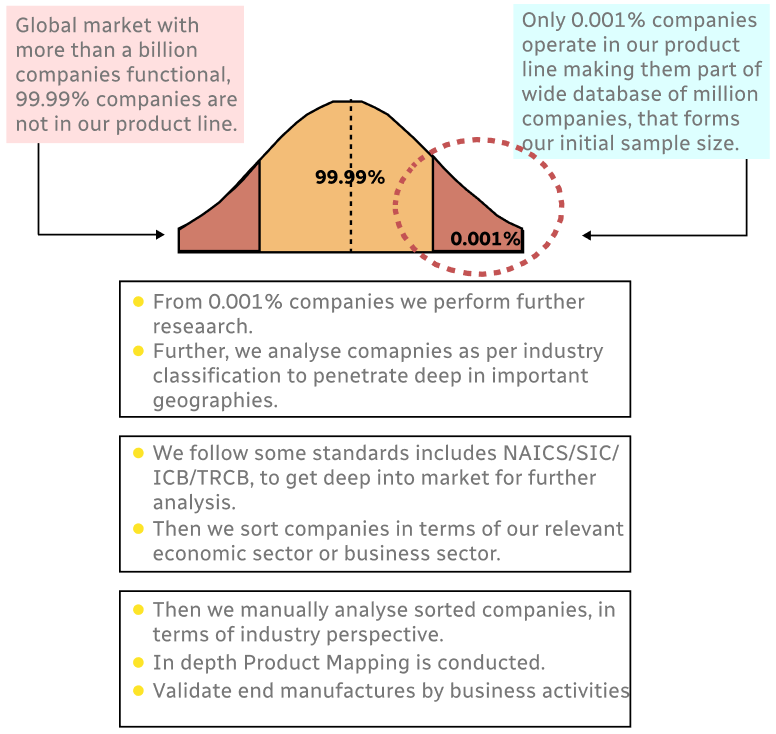
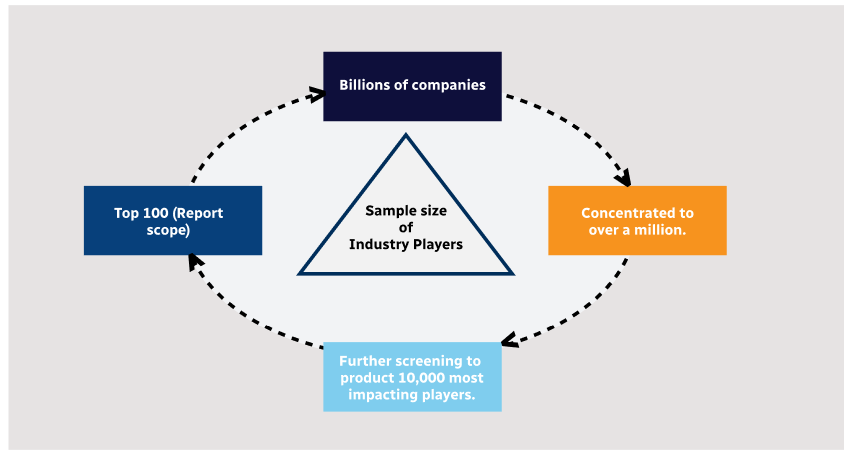
Step 1 - Identification of Relevant Samples Size from Population Database
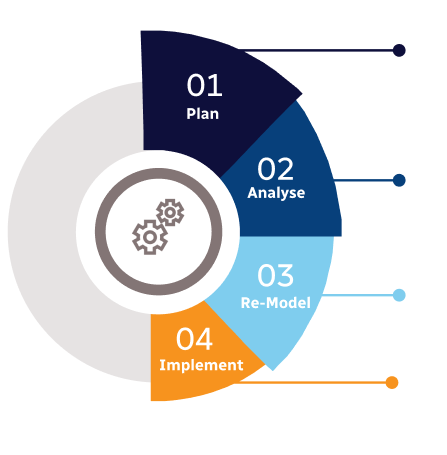
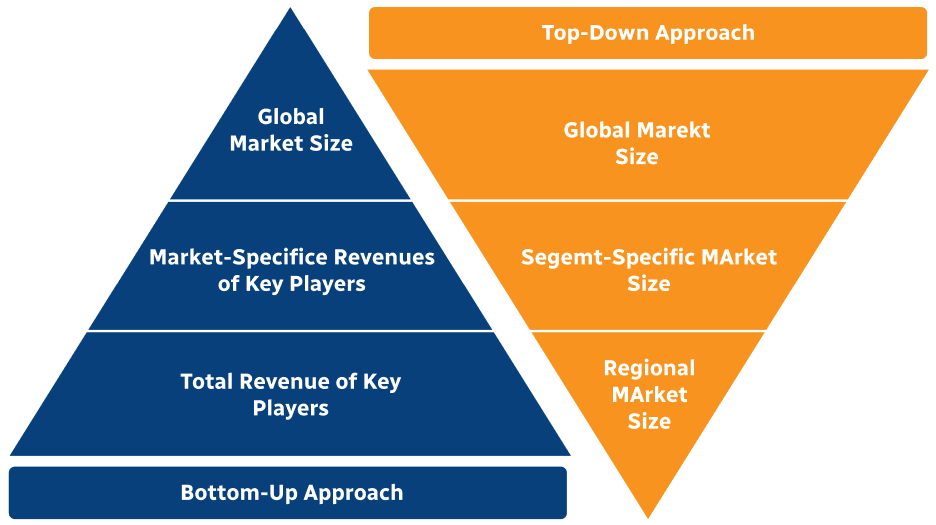
Step 2 - Approaches for Defining Global Market Size (Value, Volume* & Price*)
Note*: In applicable scenarios
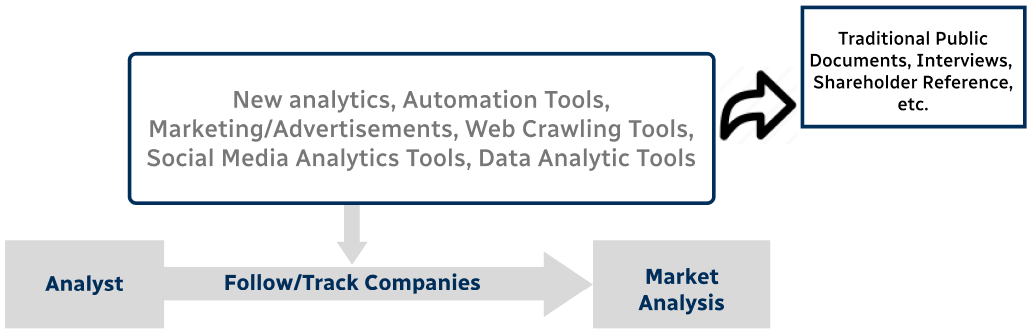
Step 3 - Data Sources
Primary Research
- Web Analytics
- Survey Reports
- Research Institute
- Latest Research Reports
- Opinion Leaders
Secondary Research
- Annual Reports
- White Paper
- Latest Press Release
- Industry Association
- Paid Database
- Investor Presentations
Step 4 - Data Triangulation
Involves using different sources of information in order to increase the validity of a study
These sources are likely to be stakeholders in a program - participants, other researchers, program staff, other community members, and so on.
Then we put all data in single framework & apply various statistical tools to find out the dynamic on the market.
During the analysis stage, feedback from the stakeholder groups would be compared to determine areas of agreement as well as areas of divergence