


Key Insights
The Africa Algae Omega-3 Ingredients Market is poised for significant expansion, propelled by heightened health awareness, escalating demand for fortified foods and supplements, and a deepening comprehension of Omega-3's health advantages. The market, valued at an estimated 82.5 million in 2024, is forecasted to grow at a compound annual growth rate (CAGR) of 7.9% from 2024 to 2033. This growth is underpinned by several factors, including the rising incidence of chronic conditions such as cardiovascular disease and diabetes, coupled with increasing disposable incomes across select African economies, which are stimulating the consumption of health-enhancing products. Furthermore, the growing adoption of algae-derived Omega-3s as a sustainable and ethical alternative to fish-oil sourced variants is a substantial driver of market development. The market is delineated by product type (EPA, DHA), concentration (high, medium, low), application (food & beverages, dietary supplements, pharmaceuticals, animal nutrition, clinical nutrition), and geographical regions (South Africa, Sudan, Uganda, Tanzania, Kenya, and the Rest of Africa). South Africa currently dominates market share, attributed to its comparatively advanced healthcare infrastructure and elevated consumer expenditure. However, other regions are exhibiting considerable growth potential as awareness of Omega-3 benefits expands and distribution networks mature. Key challenges include nascent awareness in certain areas, elevated production expenses, and potential hurdles in scaling algae-based Omega-3 production to meet escalating demand. Leading enterprises are focusing on strategic alliances, research and development, and product diversification to leverage this growth opportunity.
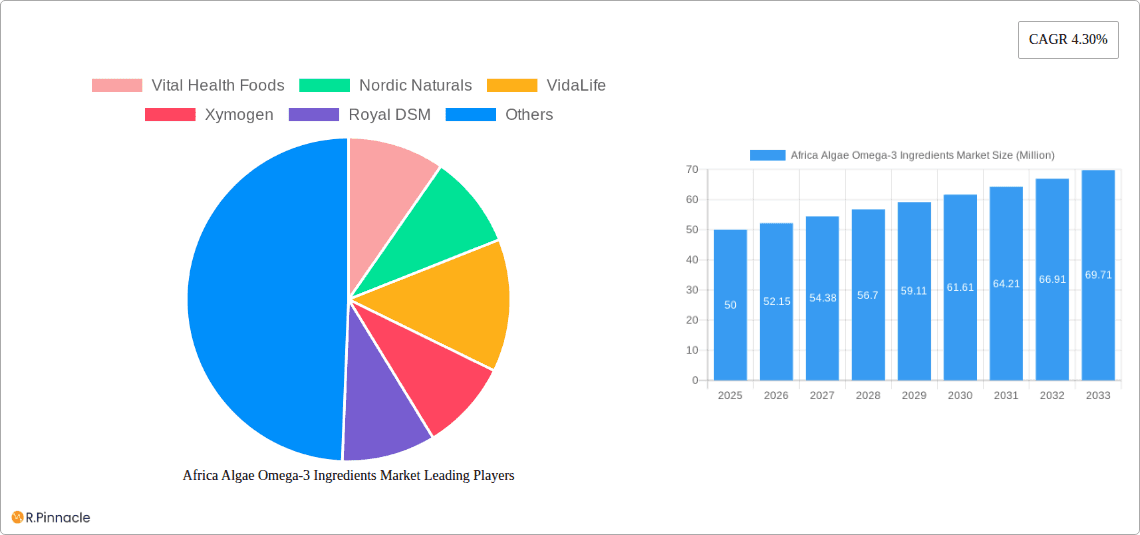
Africa Algae Omega-3 Ingredients Market Market Size (In Million)

The projected period (2024-2033) indicates sustained, albeit moderated, growth, reflecting the developmental nuances of the African market. Market segmentation presents considerable avenues for specialized product innovation. For instance, the demand for high-concentration Omega-3 products within the dietary supplements sector is anticipated to generate substantial revenue. Concurrently, the expanding animal nutrition industry, driven by increased recognition of Omega-3 benefits in livestock feed, offers a promising avenue for market penetration. Addressing market constraints, particularly by enhancing awareness through targeted marketing initiatives and optimizing production processes to mitigate costs, will be imperative for enduring growth. Government support and investment in the African algae sector will also play a critical role in shaping the market's future trajectory.
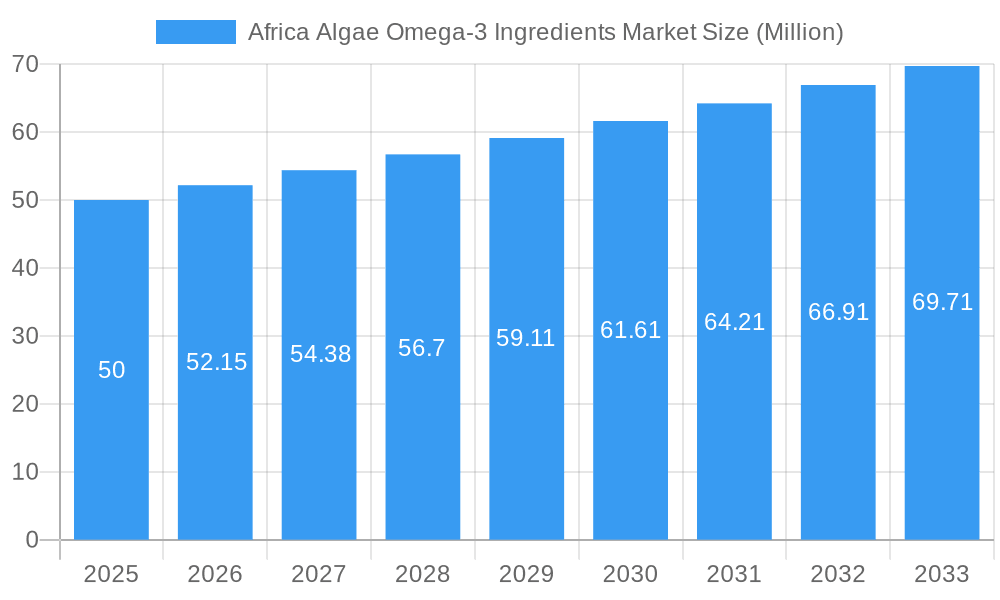
Africa Algae Omega-3 Ingredients Market Company Market Share
Africa Algae Omega-3 Ingredients Market: A Comprehensive Report (2019-2033)
This comprehensive report provides a detailed analysis of the Africa Algae Omega-3 Ingredients market, offering invaluable insights for industry professionals, investors, and strategic decision-makers. Covering the period from 2019 to 2033, with a focus on 2025, this report meticulously examines market dynamics, key players, and future growth prospects. This in-depth study leverages extensive research and data analysis to offer actionable strategies for navigating this dynamic market.
Africa Algae Omega-3 Ingredients Market Structure & Innovation Trends
This section delves into the competitive landscape of the African Algae Omega-3 Ingredients market, analyzing market concentration, innovation drivers, regulatory frameworks, and key market activities. The market is characterized by a moderate level of concentration, with key players such as Vital Health Foods, Nordic Naturals, VidaLife, Xymogen, Royal DSM, and Algacytes holding significant market share, although the exact figures are proprietary to the full report. However, we estimate that the top 5 players collectively hold approximately XX% of the market share in 2025. Innovation in the sector is driven by the demand for sustainable and high-quality omega-3 sources, leading to advancements in algae cultivation and extraction technologies. Regulatory frameworks vary across African nations, influencing product standardization and market access. Product substitutes, such as fish oil, present competitive pressures; however, the growing preference for sustainable and ethically sourced ingredients is bolstering the adoption of algae-based omega-3s. M&A activity has been relatively limited in recent years, with deal values estimated at approximately XX Million in the period 2019-2024. Further analysis of end-user demographics reveals a growing health-conscious consumer base driving market expansion.
- Market Concentration: Moderate, with top 5 players holding approximately XX% of market share (2025).
- Innovation Drivers: Sustainable sourcing, improved extraction technologies.
- Regulatory Frameworks: Vary across African nations, impacting market access.
- Product Substitutes: Fish oil, with algae-based omega-3s gaining competitive advantage due to sustainability concerns.
- M&A Activity: Relatively low, with estimated deal values of XX Million (2019-2024).
Africa Algae Omega-3 Ingredients Market Dynamics & Trends
The African Algae Omega-3 Ingredients market is experiencing robust growth, driven by several key factors. The rising prevalence of chronic diseases, coupled with increasing health awareness among consumers, is fueling demand for dietary supplements rich in omega-3 fatty acids. Technological advancements in algae cultivation and extraction are enhancing product quality and efficiency, further driving market expansion. Consumer preferences are shifting towards plant-based and sustainable alternatives to traditional fish oil sources, creating a favorable environment for algae-based products. The competitive dynamics are marked by both established players and emerging companies vying for market share. This competitive landscape fosters innovation and drives down prices. The market is estimated to experience a CAGR of XX% during the forecast period (2025-2033), with market penetration projected to reach XX% by 2033.
Dominant Regions & Segments in Africa Algae Omega-3 Ingredients Market
While data specifics are detailed in the full report, we project South Africa to be the leading market within Africa for algae-based omega-3 ingredients due to its relatively developed infrastructure and health-conscious population. The dietary supplements segment is poised for significant growth, driven by rising health awareness.
- By Product Type: EPA is projected to dominate the market due to its known health benefits.
- By Concentration Type: High-concentrated products are expected to command higher prices and capture significant market share.
- By Application: Dietary supplements are the primary application area, followed by the functional food and beverage industry.
- By Geography: South Africa is leading in market share, and Nigeria and Kenya have significant growth potential. Key drivers include:
- Growing health awareness and increased disposable income
- Government initiatives promoting healthy diets
- Expanding retail infrastructure
Africa Algae Omega-3 Ingredients Market Product Innovations
Recent innovations focus on improving the efficacy and bioavailability of algae-based omega-3s, such as microencapsulation and liposomal delivery systems. These improvements enhance product stability and absorption, offering significant competitive advantages. Furthermore, the development of sustainable and cost-effective algae cultivation methods is a key area of innovation, supporting market expansion.
Report Scope & Segmentation Analysis
This report provides a comprehensive analysis of the Africa Algae Omega-3 Ingredients market, segmented by product type (EPA, DHA), concentration type (high, medium, low), application (food & beverages, dietary supplements, pharmaceuticals, animal nutrition, clinical nutrition), and geography (various African countries). Detailed growth projections, market sizes, and competitive dynamics are presented for each segment. For example, the dietary supplements segment is expected to experience significant growth, driven by consumer health awareness.
Key Drivers of Africa Algae Omega-3 Ingredients Market Growth
Key drivers include the increasing prevalence of chronic diseases, rising consumer awareness of the benefits of omega-3s, increasing demand for sustainable and ethical sources of omega-3s, and technological advancements in algae cultivation and extraction. Government initiatives promoting healthy diets also contribute to growth.
Challenges in the Africa Algae Omega-3 Ingredients Market Sector
Challenges include the relatively high cost of production, inconsistent regulatory frameworks across different African countries, and competition from other sources of omega-3s like fish oil. Supply chain complexities also present hurdles to widespread market penetration.
Emerging Opportunities in Africa Algae Omega-3 Ingredients Market
Emerging opportunities include the expansion into new markets with growing health awareness, the development of novel applications for algae-based omega-3s, and the exploration of new technologies for sustainable and cost-effective algae cultivation. The potential for partnerships with local food companies to integrate omega-3s into traditional foods presents a significant growth avenue.
Leading Players in the Africa Algae Omega-3 Ingredients Market Market
- Vital Health Foods
- Nordic Naturals
- VidaLife
- Xymogen
- Royal DSM
- Algacytes
- *List Not Exhaustive
Key Developments in Africa Algae Omega-3 Ingredients Market Industry
- 2023 (Q3): Royal DSM launched a new algae-based omega-3 supplement targeting the African market.
- 2022 (Q4): Algacytes secured significant funding to expand its algae cultivation facilities in South Africa.
- (Further developments will be included in the full report)
Future Outlook for Africa Algae Omega-3 Ingredients Market Market
The future of the African Algae Omega-3 Ingredients market is bright, with continued growth expected due to favorable market drivers and emerging opportunities. Strategic partnerships, technological advancements, and increasing health awareness will shape the market landscape, leading to increased market penetration and overall growth. This represents a significant opportunity for investment and expansion in the African health and wellness sector.
Africa Algae Omega-3 Ingredients Market Segmentation
-
1. Product Type
- 1.1. Eicosapentanoic acid (EPA)
- 1.2. Docosahexanoic acid (DHA)
-
2. Concentration Type
- 2.1. High Concentrated
- 2.2. Medium Concentrated
- 2.3. Low Concentrated
-
3. Application
-
3.1. Food & Beverages
- 3.1.1. Infant Formula
- 3.1.2. Fortified Food & Beverages
- 3.2. Dietary Supplements
- 3.3. Pharmaceuticals
- 3.4. Animal Nutrition
- 3.5. Clinical Nutrition
-
3.1. Food & Beverages
-
4. Geogrpahy
-
4.1. Africa
- 4.1.1. South Africa
- 4.1.2. Nigeria
- 4.1.3. Kenya
- 4.1.4. Rest of Africa
-
4.1. Africa
Africa Algae Omega-3 Ingredients Market Segmentation By Geography
-
1. Africa
- 1.1. Nigeria
- 1.2. South Africa
- 1.3. Egypt
- 1.4. Kenya
- 1.5. Ethiopia
- 1.6. Morocco
- 1.7. Ghana
- 1.8. Algeria
- 1.9. Tanzania
- 1.10. Ivory Coast
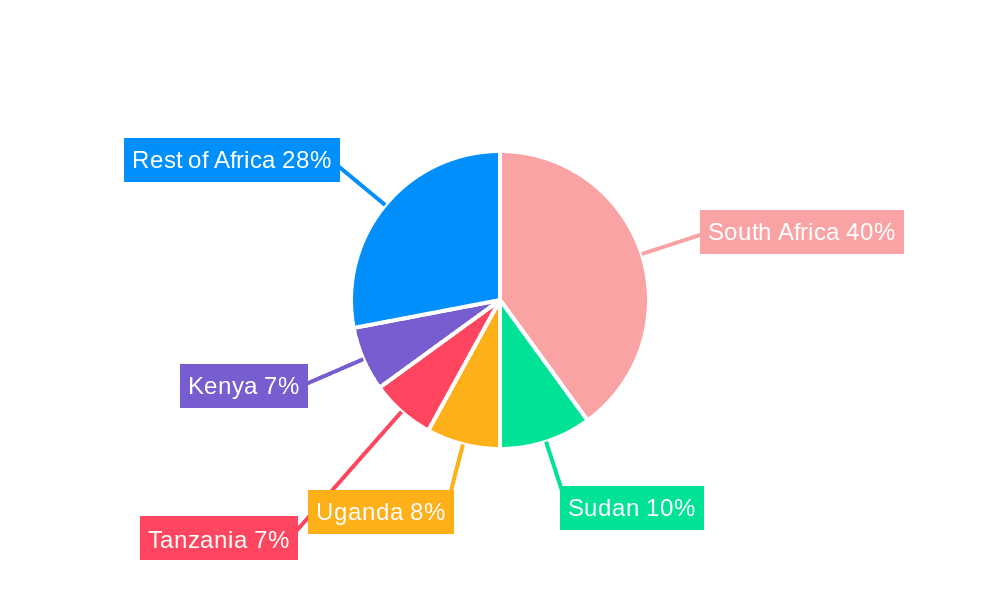
Africa Algae Omega-3 Ingredients Market Regional Market Share
Geographic Coverage of Africa Algae Omega-3 Ingredients Market
Africa Algae Omega-3 Ingredients Market REPORT HIGHLIGHTS
| Aspects | Details |
|---|---|
| Study Period | 2020-2034 |
| Base Year | 2025 |
| Estimated Year | 2026 |
| Forecast Period | 2026-2034 |
| Historical Period | 2020-2025 |
| Growth Rate | CAGR of 7.9% from 2020-2034 |
| Segmentation |
|
Table of Contents
- 1. Introduction
- 1.1. Research Scope
- 1.2. Market Segmentation
- 1.3. Research Methodology
- 1.4. Definitions and Assumptions
- 2. Executive Summary
- 2.1. Introduction
- 3. Market Dynamics
- 3.1. Introduction
- 3.2. Market Drivers
- 3.2.1. The numerous benefits offered by collagen in the food and beverage industry
- 3.3. Market Restrains
- 3.3.1. Increasing vegan population in the region
- 3.4. Market Trends
- 3.4.1. DHA is expected to have a high penetration rate
- 4. Market Factor Analysis
- 4.1. Porters Five Forces
- 4.2. Supply/Value Chain
- 4.3. PESTEL analysis
- 4.4. Market Entropy
- 4.5. Patent/Trademark Analysis
- 5. Africa Algae Omega-3 Ingredients Market Analysis, Insights and Forecast, 2020-2032
- 5.1. Market Analysis, Insights and Forecast - by Product Type
- 5.1.1. Eicosapentanoic acid (EPA)
- 5.1.2. Docosahexanoic acid (DHA)
- 5.2. Market Analysis, Insights and Forecast - by Concentration Type
- 5.2.1. High Concentrated
- 5.2.2. Medium Concentrated
- 5.2.3. Low Concentrated
- 5.3. Market Analysis, Insights and Forecast - by Application
- 5.3.1. Food & Beverages
- 5.3.1.1. Infant Formula
- 5.3.1.2. Fortified Food & Beverages
- 5.3.2. Dietary Supplements
- 5.3.3. Pharmaceuticals
- 5.3.4. Animal Nutrition
- 5.3.5. Clinical Nutrition
- 5.3.1. Food & Beverages
- 5.4. Market Analysis, Insights and Forecast - by Geogrpahy
- 5.4.1. Africa
- 5.4.1.1. South Africa
- 5.4.1.2. Nigeria
- 5.4.1.3. Kenya
- 5.4.1.4. Rest of Africa
- 5.4.1. Africa
- 5.5. Market Analysis, Insights and Forecast - by Region
- 5.5.1. Africa
- 5.1. Market Analysis, Insights and Forecast - by Product Type
- 6. Competitive Analysis
- 6.1. Market Share Analysis 2025
- 6.2. Company Profiles
- 6.2.1 Vital Health Foods
- 6.2.1.1. Overview
- 6.2.1.2. Products
- 6.2.1.3. SWOT Analysis
- 6.2.1.4. Recent Developments
- 6.2.1.5. Financials (Based on Availability)
- 6.2.2 Nordic Naturals
- 6.2.2.1. Overview
- 6.2.2.2. Products
- 6.2.2.3. SWOT Analysis
- 6.2.2.4. Recent Developments
- 6.2.2.5. Financials (Based on Availability)
- 6.2.3 VidaLife
- 6.2.3.1. Overview
- 6.2.3.2. Products
- 6.2.3.3. SWOT Analysis
- 6.2.3.4. Recent Developments
- 6.2.3.5. Financials (Based on Availability)
- 6.2.4 Xymogen
- 6.2.4.1. Overview
- 6.2.4.2. Products
- 6.2.4.3. SWOT Analysis
- 6.2.4.4. Recent Developments
- 6.2.4.5. Financials (Based on Availability)
- 6.2.5 Royal DSM
- 6.2.5.1. Overview
- 6.2.5.2. Products
- 6.2.5.3. SWOT Analysis
- 6.2.5.4. Recent Developments
- 6.2.5.5. Financials (Based on Availability)
- 6.2.6 Algacytes*List Not Exhaustive
- 6.2.6.1. Overview
- 6.2.6.2. Products
- 6.2.6.3. SWOT Analysis
- 6.2.6.4. Recent Developments
- 6.2.6.5. Financials (Based on Availability)
- 6.2.1 Vital Health Foods
List of Figures
- Figure 1: Africa Algae Omega-3 Ingredients Market Revenue Breakdown (million, %) by Product 2025 & 2033
- Figure 2: Africa Algae Omega-3 Ingredients Market Share (%) by Company 2025
List of Tables
- Table 1: Africa Algae Omega-3 Ingredients Market Revenue million Forecast, by Product Type 2020 & 2033
- Table 2: Africa Algae Omega-3 Ingredients Market Revenue million Forecast, by Concentration Type 2020 & 2033
- Table 3: Africa Algae Omega-3 Ingredients Market Revenue million Forecast, by Application 2020 & 2033
- Table 4: Africa Algae Omega-3 Ingredients Market Revenue million Forecast, by Geogrpahy 2020 & 2033
- Table 5: Africa Algae Omega-3 Ingredients Market Revenue million Forecast, by Region 2020 & 2033
- Table 6: Africa Algae Omega-3 Ingredients Market Revenue million Forecast, by Product Type 2020 & 2033
- Table 7: Africa Algae Omega-3 Ingredients Market Revenue million Forecast, by Concentration Type 2020 & 2033
- Table 8: Africa Algae Omega-3 Ingredients Market Revenue million Forecast, by Application 2020 & 2033
- Table 9: Africa Algae Omega-3 Ingredients Market Revenue million Forecast, by Geogrpahy 2020 & 2033
- Table 10: Africa Algae Omega-3 Ingredients Market Revenue million Forecast, by Country 2020 & 2033
- Table 11: Nigeria Africa Algae Omega-3 Ingredients Market Revenue (million) Forecast, by Application 2020 & 2033
- Table 12: South Africa Africa Algae Omega-3 Ingredients Market Revenue (million) Forecast, by Application 2020 & 2033
- Table 13: Egypt Africa Algae Omega-3 Ingredients Market Revenue (million) Forecast, by Application 2020 & 2033
- Table 14: Kenya Africa Algae Omega-3 Ingredients Market Revenue (million) Forecast, by Application 2020 & 2033
- Table 15: Ethiopia Africa Algae Omega-3 Ingredients Market Revenue (million) Forecast, by Application 2020 & 2033
- Table 16: Morocco Africa Algae Omega-3 Ingredients Market Revenue (million) Forecast, by Application 2020 & 2033
- Table 17: Ghana Africa Algae Omega-3 Ingredients Market Revenue (million) Forecast, by Application 2020 & 2033
- Table 18: Algeria Africa Algae Omega-3 Ingredients Market Revenue (million) Forecast, by Application 2020 & 2033
- Table 19: Tanzania Africa Algae Omega-3 Ingredients Market Revenue (million) Forecast, by Application 2020 & 2033
- Table 20: Ivory Coast Africa Algae Omega-3 Ingredients Market Revenue (million) Forecast, by Application 2020 & 2033
Frequently Asked Questions
1. What is the projected Compound Annual Growth Rate (CAGR) of the Africa Algae Omega-3 Ingredients Market?
The projected CAGR is approximately 7.9%.
2. Which companies are prominent players in the Africa Algae Omega-3 Ingredients Market?
Key companies in the market include Vital Health Foods, Nordic Naturals, VidaLife, Xymogen, Royal DSM, Algacytes*List Not Exhaustive.
3. What are the main segments of the Africa Algae Omega-3 Ingredients Market?
The market segments include Product Type, Concentration Type, Application, Geogrpahy.
4. Can you provide details about the market size?
The market size is estimated to be USD 82.5 million as of 2022.
5. What are some drivers contributing to market growth?
The numerous benefits offered by collagen in the food and beverage industry.
6. What are the notable trends driving market growth?
DHA is expected to have a high penetration rate.
7. Are there any restraints impacting market growth?
Increasing vegan population in the region.
8. Can you provide examples of recent developments in the market?
N/A
9. What pricing options are available for accessing the report?
Pricing options include single-user, multi-user, and enterprise licenses priced at USD 4750, USD 5250, and USD 8750 respectively.
10. Is the market size provided in terms of value or volume?
The market size is provided in terms of value, measured in million.
11. Are there any specific market keywords associated with the report?
Yes, the market keyword associated with the report is "Africa Algae Omega-3 Ingredients Market," which aids in identifying and referencing the specific market segment covered.
12. How do I determine which pricing option suits my needs best?
The pricing options vary based on user requirements and access needs. Individual users may opt for single-user licenses, while businesses requiring broader access may choose multi-user or enterprise licenses for cost-effective access to the report.
13. Are there any additional resources or data provided in the Africa Algae Omega-3 Ingredients Market report?
While the report offers comprehensive insights, it's advisable to review the specific contents or supplementary materials provided to ascertain if additional resources or data are available.
14. How can I stay updated on further developments or reports in the Africa Algae Omega-3 Ingredients Market?
To stay informed about further developments, trends, and reports in the Africa Algae Omega-3 Ingredients Market, consider subscribing to industry newsletters, following relevant companies and organizations, or regularly checking reputable industry news sources and publications.
Methodology
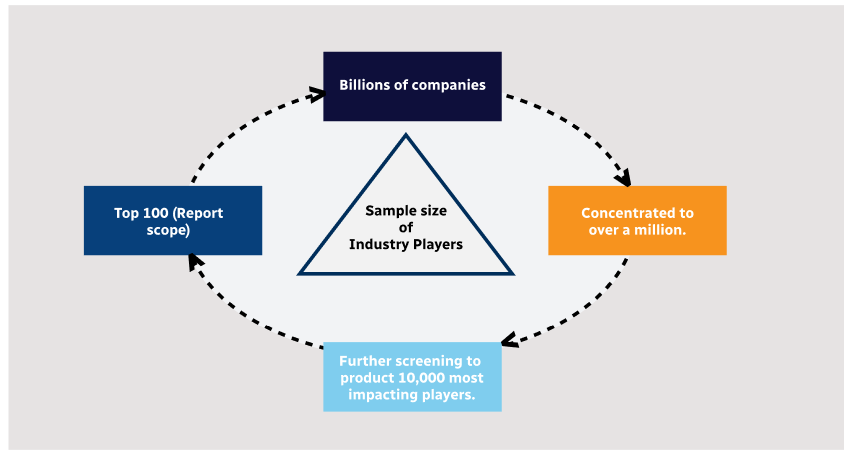
Step 1 - Identification of Relevant Samples Size from Population Database

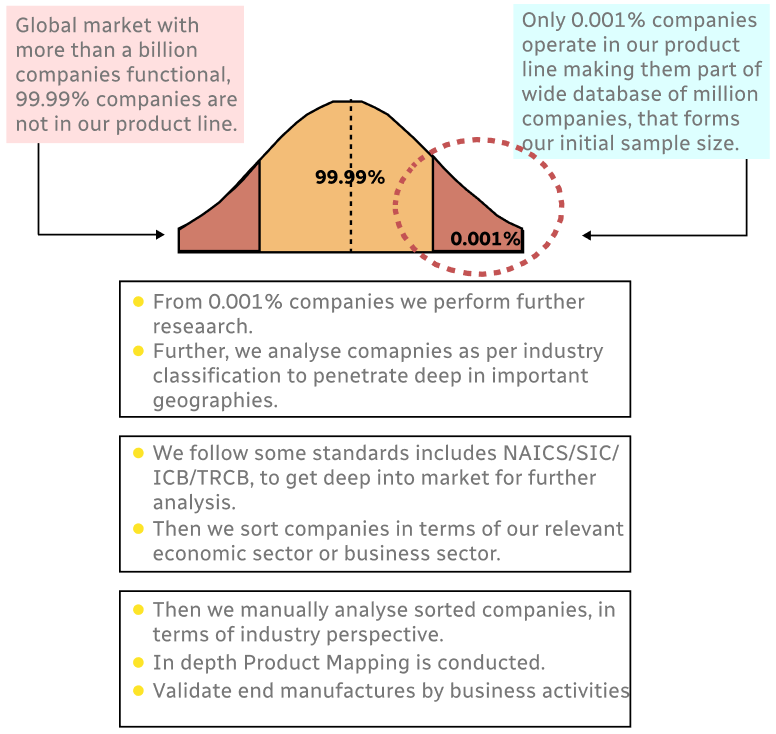
Step 2 - Approaches for Defining Global Market Size (Value, Volume* & Price*)
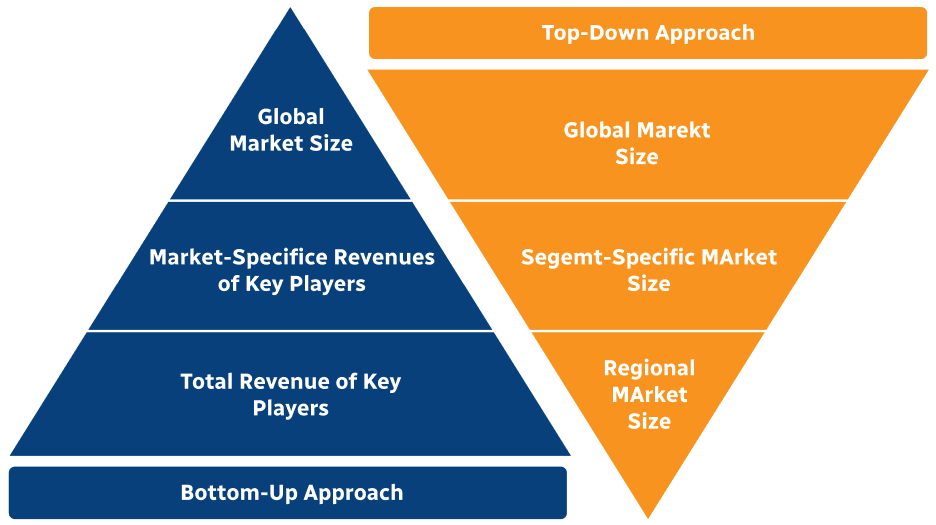
Note*: In applicable scenarios
Step 3 - Data Sources
Primary Research
- Web Analytics
- Survey Reports
- Research Institute
- Latest Research Reports
- Opinion Leaders
Secondary Research
- Annual Reports
- White Paper
- Latest Press Release
- Industry Association
- Paid Database
- Investor Presentations
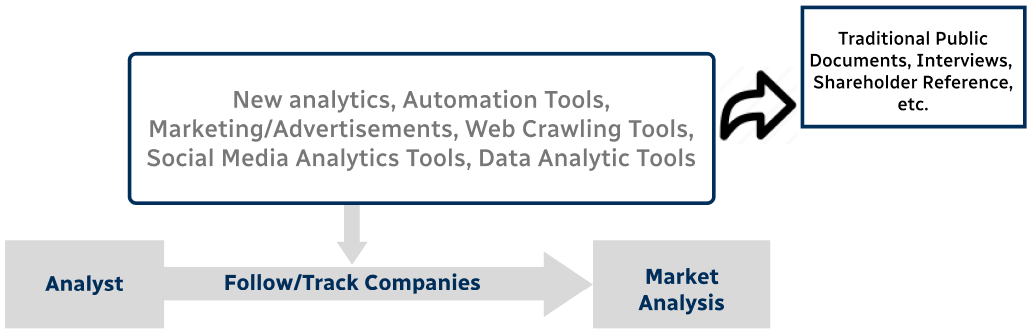
Step 4 - Data Triangulation
Involves using different sources of information in order to increase the validity of a study
These sources are likely to be stakeholders in a program - participants, other researchers, program staff, other community members, and so on.
Then we put all data in single framework & apply various statistical tools to find out the dynamic on the market.
During the analysis stage, feedback from the stakeholder groups would be compared to determine areas of agreement as well as areas of divergence