


Key Insights
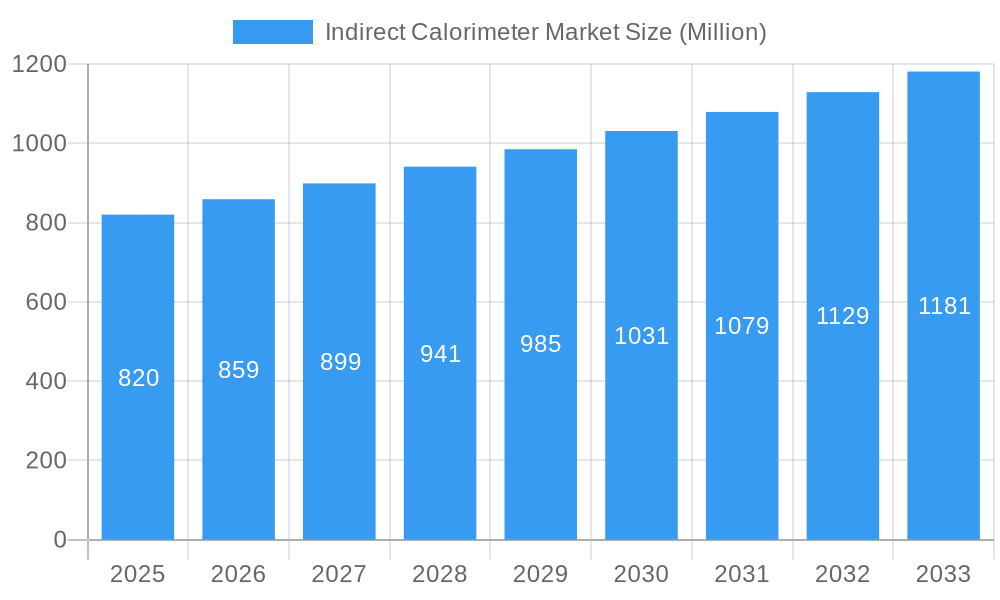
The global Indirect Calorimeter Market is poised for robust expansion, projected to reach an estimated $0.82 billion in 2025. This growth is underpinned by a healthy CAGR of 4.87% throughout the forecast period of 2025-2033. The increasing prevalence of chronic respiratory diseases, coupled with a growing emphasis on personalized medicine and precise nutritional management in critical care settings, are significant drivers for this market. Advancements in technology are leading to more portable, user-friendly, and accurate indirect calorimeters, making them more accessible for a wider range of clinical applications, from intensive care units to outpatient diagnostic centers. The rising awareness among healthcare professionals about the critical role of metabolic assessment in optimizing patient outcomes further fuels market demand.
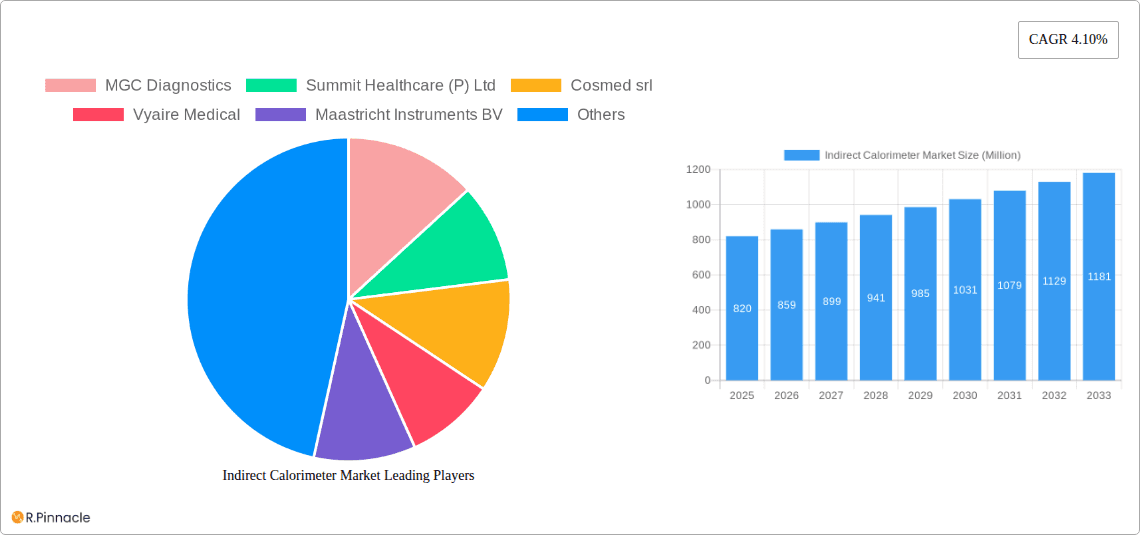
Indirect Calorimeter Market Market Size (In Million)

The market is segmented into Standalone and Portable types, with a strong preference leaning towards sophisticated, integrated systems for hospital environments, as well as increasingly mobile solutions for diverse patient care settings. Hospitals and diagnostic centers represent the dominant end-user segments, driven by the need for accurate energy expenditure measurements in conditions such as sepsis, burns, obesity, and during rehabilitation. While the market benefits from these strong growth factors, potential restraints could include the initial cost of sophisticated devices and the need for specialized training for optimal use. However, the long-term benefits of improved patient care and reduced healthcare costs associated with accurate metabolic monitoring are expected to outweigh these limitations, ensuring sustained market vitality.
Indirect Calorimeter Market Company Market Share
This in-depth report provides an exhaustive analysis of the global Indirect Calorimeter Market, offering critical insights for stakeholders seeking to understand current trends, future trajectories, and competitive landscapes. The study covers a historical period from 2019 to 2024, a base year of 2025, and a detailed forecast period extending from 2025 to 2033. Leveraging high-ranking keywords such as "indirect calorimetry," "resting energy expenditure (REE)," "metabolic assessment," "critical care nutrition," and "personalized medicine," this report aims to maximize search visibility and attract industry professionals. The projected market size for the Indirect Calorimeter Market is estimated to reach $XXX billion by 2033, with a compound annual growth rate (CAGR) of XX.XX% during the forecast period.
Indirect Calorimeter Market Market Structure & Innovation Trends
The Indirect Calorimeter Market exhibits a moderate level of concentration, with key players like MGC Diagnostics, Summit Healthcare (P) Ltd, Cosmed srl, Vyaire Medical, Maastricht Instruments BV, KORR Medical Technologies, Parvo Medics, and TSE Systems holding significant market share. Innovation in this sector is primarily driven by advancements in sensor technology, data analytics, and miniaturization, leading to more accurate, user-friendly, and portable indirect calorimeter devices. Regulatory frameworks, particularly those related to medical device approvals and data privacy, play a crucial role in shaping market entry and product development. Product substitutes, while limited in their direct ability to measure resting energy expenditure with the same precision, can include heuristic nutritional assessment methods. End-user demographics are expanding beyond traditional hospital settings to include specialized clinics and research institutions. Mergers and acquisitions are sporadic, with recent deal values remaining undisclosed but indicative of strategic consolidation efforts aimed at expanding product portfolios and geographical reach. The market anticipates continued investment in research and development, focusing on enhanced clinical integration and broader application in personalized health management.
Indirect Calorimeter Market Market Dynamics & Trends
The global Indirect Calorimeter Market is poised for substantial growth, propelled by a confluence of evolving healthcare practices and technological advancements. A primary growth driver is the increasing recognition of indirect calorimetry's critical role in personalized nutrition management, particularly in intensive care units (ICUs) and for patients with critical illnesses, metabolic disorders, and chronic conditions. Accurately determining Resting Energy Expenditure (REE) through indirect calorimetry is paramount for optimizing caloric intake, preventing malnutrition, and improving patient outcomes. The rising prevalence of obesity, diabetes, and other metabolic diseases further fuels the demand for precise metabolic assessment tools.
Technological disruptions are significantly impacting the market. The development of more sophisticated sensors for oxygen and carbon dioxide measurement, coupled with enhanced data processing capabilities and cloud-based analytics, is leading to the creation of more accurate, efficient, and user-friendly indirect calorimeter systems. The trend towards miniaturization and portability is also a key factor, enabling the deployment of these devices in diverse clinical settings beyond specialized labs, including bedside monitoring and outpatient diagnostics.
Consumer preferences are shifting towards proactive health management and evidence-based nutritional interventions. Patients and healthcare providers are increasingly demanding objective data to guide dietary plans, and indirect calorimetry provides this crucial metabolic information. This demand is further amplified by the growing focus on precision medicine, where individual metabolic profiles are used to tailor treatment strategies.
Competitive dynamics within the indirect calorimeter market are characterized by innovation-driven competition. Companies are investing heavily in research and development to differentiate their offerings through superior accuracy, ease of use, advanced software features, and integration with electronic health records (EHRs). The market penetration of indirect calorimetry is still relatively low compared to its potential, presenting significant opportunities for growth as awareness and adoption increase across various healthcare segments. The market penetration is expected to grow from XX% in 2024 to XX% by 2033. The continuous pursuit of improved patient care and the economic benefits derived from optimized nutrition support are expected to sustain the robust growth trajectory of the indirect calorimeter market.
Dominant Regions & Segments in Indirect Calorimeter Market
The North America region is currently the dominant force in the global Indirect Calorimeter Market, driven by its well-established healthcare infrastructure, high adoption rates of advanced medical technologies, and significant investments in medical research and development. The United States, in particular, contributes a substantial portion to this regional dominance, fueled by a large patient population with prevalent metabolic disorders and a strong emphasis on evidence-based clinical practices.
Within North America, Hospitals emerge as the leading end-user segment. This is attributable to the critical need for accurate metabolic assessment in intensive care units (ICUs), for patients undergoing surgery, those with burns, or individuals suffering from chronic respiratory or metabolic conditions requiring precise nutritional support. The increasing focus on reducing hospital readmissions through optimized patient recovery further bolsters the demand for indirect calorimetry in hospital settings.
Standalone indirect calorimeters represent another significant segment, offering dedicated functionality and often higher precision for clinical and research applications. However, the Portable indirect calorimeter segment is witnessing rapid growth, driven by its versatility and ability to be used across different care settings, including outpatient clinics, sports medicine facilities, and even home-based monitoring programs. This portability addresses the need for flexibility and broader accessibility to metabolic assessment.
Key drivers contributing to this dominance include:
- Economic Policies: Favorable reimbursement policies for diagnostic procedures and nutritional support services in North America encourage the adoption of advanced technologies like indirect calorimeters.
- Infrastructure: A robust healthcare infrastructure with specialized metabolic assessment centers and well-equipped ICUs provides the necessary environment for the widespread use of indirect calorimetry.
- Technological Advancement & Adoption: North America is at the forefront of medical technology innovation, and healthcare providers are quick to adopt new devices that offer improved patient care and clinical outcomes.
- Research & Development Focus: Significant funding and institutional support for medical research in the region lead to continuous exploration and validation of indirect calorimetry's applications, further driving its adoption.
While North America currently leads, the Asia Pacific region is emerging as a significant growth market due to its rapidly expanding healthcare sector, increasing disposable incomes, and growing awareness of chronic disease management.
Indirect Calorimeter Market Product Innovations
Product innovations in the Indirect Calorimeter Market are largely focused on enhancing accuracy, portability, and user-friendliness. Advances in sensor technology for precise oxygen and carbon dioxide monitoring are leading to more reliable REE measurements. Integration with sophisticated software platforms facilitates data analysis, trend monitoring, and seamless integration with Electronic Health Records (EHRs), providing clinicians with comprehensive patient metabolic profiles. The development of compact and portable devices is expanding access to indirect calorimetry beyond specialized centers, enabling its use in diverse clinical environments and supporting personalized health initiatives. These innovations offer competitive advantages by improving workflow efficiency, reducing measurement time, and enhancing patient comfort, ultimately driving adoption and clinical utility.
Report Scope & Segmentation Analysis
This report meticulously analyzes the Indirect Calorimeter Market across various segmentations to provide a granular understanding of market dynamics and future potential.
Standalone Indirect Calorimeters: This segment encompasses devices that are primarily designed for dedicated use in clinical settings or research laboratories. They are characterized by high accuracy and comprehensive features, catering to demanding diagnostic and research requirements. Growth in this segment is driven by the need for precise and reliable metabolic data in critical care and specialized metabolic research. Market size is projected to reach $XXX billion by 2033, with a CAGR of XX.XX%.
Portable Indirect Calorimeters: This segment includes compact and mobile devices designed for greater flexibility and accessibility. Their portability allows for use in various locations, from hospital bedsides to outpatient clinics and home healthcare. The increasing demand for on-the-go metabolic monitoring and personalized health management is a significant growth driver for portable indirect calorimeters. Market size is projected to reach $XXX billion by 2033, with a CAGR of XX.XX%.
Hospitals: As the primary end-user, hospitals utilize indirect calorimeters for critical care nutrition, post-operative recovery assessment, and managing patients with complex metabolic conditions. The emphasis on evidence-based practice and optimizing patient outcomes in hospital settings fuels consistent demand. Market size is projected to reach $XXX billion by 2033, with a CAGR of XX.XX%.
Diagnostic Centers: These centers leverage indirect calorimetry for specialized metabolic testing, obesity management programs, and sports performance assessments. Growing awareness of metabolic health and the demand for personalized wellness plans are contributing to the expansion of this segment. Market size is projected to reach $XXX billion by 2033, with a CAGR of XX.XX%.
Other End Users: This broad category includes research institutions, universities, specialized clinics (e.g., rehabilitation centers, athletic training facilities), and potentially home healthcare providers. The diverse applications of indirect calorimetry in research and niche therapeutic areas contribute to the steady growth of this segment. Market size is projected to reach $XXX billion by 2033, with a CAGR of XX.XX%.
Key Drivers of Indirect Calorimeter Market Growth
The growth of the Indirect Calorimeter Market is underpinned by several key drivers. Firstly, the increasing prevalence of chronic diseases such as obesity, diabetes, and cardiovascular disorders necessitates precise metabolic assessments to guide effective nutritional management. Secondly, advancements in technology have led to the development of more accurate, portable, and user-friendly indirect calorimeter devices, enhancing their adoption across various healthcare settings. Thirdly, the growing emphasis on personalized medicine and precision nutrition is fueling demand for objective measures of energy expenditure to tailor treatment plans. Lastly, expanding reimbursement policies for metabolic testing and a greater awareness among healthcare professionals regarding the benefits of indirect calorimetry in patient care are significant growth accelerators.
Challenges in the Indirect Calorimeter Market Sector
Despite robust growth prospects, the Indirect Calorimeter Market faces several challenges. High initial equipment costs can be a barrier to adoption, particularly for smaller healthcare facilities or those in developing economies. The need for trained personnel to operate and interpret results from indirect calorimeters also presents a challenge, requiring investment in staff education and training programs. Furthermore, while reimbursement for indirect calorimetry is improving, it can still be inconsistent across different regions and insurance providers, impacting market penetration. Competitive pressures from alternative, albeit less precise, methods of nutritional assessment also exist, necessitating continuous demonstration of indirect calorimetry's value proposition. Ensuring regulatory compliance and adherence to evolving medical device standards adds another layer of complexity for manufacturers.
Emerging Opportunities in Indirect Calorimeter Market
Emerging opportunities within the Indirect Calorimeter Market are abundant, driven by evolving healthcare paradigms and technological advancements. The growing focus on preventative healthcare and wellness presents a significant opportunity for the expansion of indirect calorimetry into non-clinical settings, such as fitness centers and corporate wellness programs, for metabolic profiling and personalized lifestyle recommendations. The increasing application of indirect calorimetry in sports science for optimizing athletic performance and recovery is another promising area. Furthermore, the integration of indirect calorimetry data with wearable devices and AI-powered health platforms can unlock new avenues for continuous health monitoring and proactive intervention. The development of more affordable and user-friendly systems will also pave the way for wider adoption in emerging economies and home-based care scenarios.
Leading Players in the Indirect Calorimeter Market Market
- MGC Diagnostics
- Summit Healthcare (P) Ltd
- Cosmed srl
- Vyaire Medical
- Maastricht Instruments BV
- KORR Medical Technologies
- Parvo Medics
- TSE Systems
Key Developments in Indirect Calorimeter Market Industry
- September 2022: Halton Healthcare's Oakville Trafalgar Memorial Hospital (OTMH) became the first hospital in Ontario to be home to a Q-NRG+ Indirect Calorimeter machine. The machine uses new technology to measure oxygen and carbon dioxide levels in patient's breath to determine their resting energy expenditure (REE).
- August 2021: The University of Liege sponsored a clinical study to assess the comparison of indirect calorimetry by Q-NRG (Cosmed) with Deltatrac II (Datex).
Future Outlook for Indirect Calorimeter Market Market
The future outlook for the Indirect Calorimeter Market is exceptionally bright, characterized by sustained innovation and expanding clinical applications. The increasing integration of indirect calorimetry into standard clinical protocols for critical care, metabolic disorder management, and post-operative recovery will be a major growth accelerator. The ongoing trend towards personalized medicine will further solidify the demand for precise metabolic assessments, driving the adoption of advanced indirect calorimeter systems. Furthermore, technological advancements in sensor technology, data analytics, and artificial intelligence are expected to lead to the development of more intelligent, intuitive, and cost-effective devices, thereby broadening their accessibility. The growing awareness of the importance of nutritional science in overall health and well-being, coupled with supportive reimbursement policies, will continue to fuel market expansion, presenting significant strategic opportunities for key players in the coming years.
Indirect Calorimeter Market Segmentation
-
1. Type
- 1.1. Standalone
- 1.2. Portable
-
2. End User
- 2.1. Hospitals
- 2.2. Diagnostic Centers
- 2.3. Other End Users
Indirect Calorimeter Market Segmentation By Geography
-
1. North America
- 1.1. United States
- 1.2. Canada
- 1.3. Mexico
-
2. Europe
- 2.1. Germany
- 2.2. United Kingdom
- 2.3. France
- 2.4. Italy
- 2.5. Spain
-
3. Asia Pacific
- 3.1. China
- 3.2. Japan
- 3.3. India
- 3.4. Rest of Asia Pacific
- 4. Rest of the World
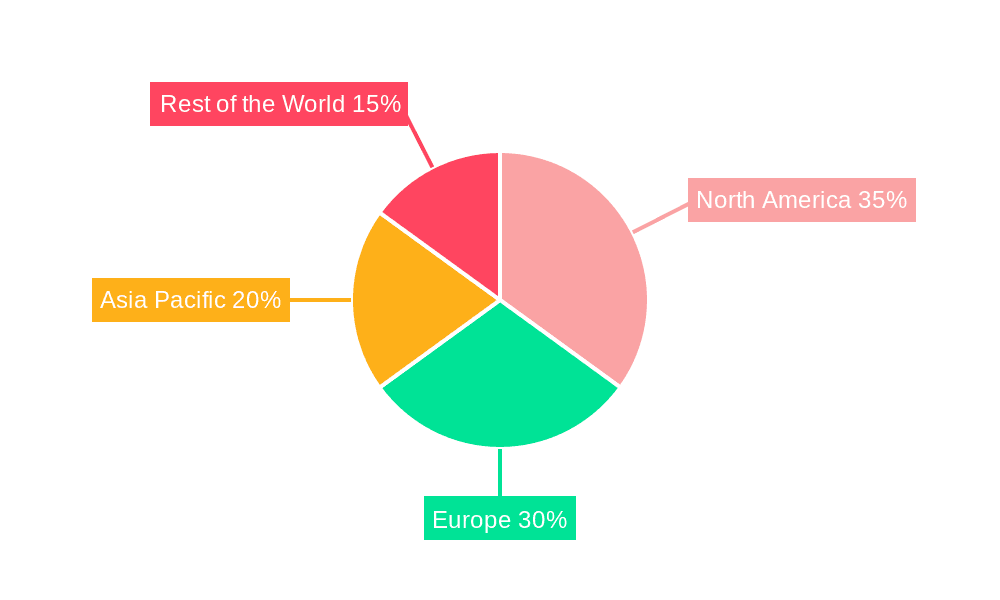
Indirect Calorimeter Market Regional Market Share
Geographic Coverage of Indirect Calorimeter Market
Indirect Calorimeter Market REPORT HIGHLIGHTS
| Aspects | Details |
|---|---|
| Study Period | 2020-2034 |
| Base Year | 2025 |
| Estimated Year | 2026 |
| Forecast Period | 2026-2034 |
| Historical Period | 2020-2025 |
| Growth Rate | CAGR of 4.87% from 2020-2034 |
| Segmentation |
|
Table of Contents
- 1. Introduction
- 1.1. Research Scope
- 1.2. Market Segmentation
- 1.3. Research Methodology
- 1.4. Definitions and Assumptions
- 2. Executive Summary
- 2.1. Introduction
- 3. Market Dynamics
- 3.1. Introduction
- 3.2. Market Drivers
- 3.2.1. Technological Advancements in Indirect Calorimeter; Rising Prevalence of Obesity
- 3.3. Market Restrains
- 3.3.1. Stringent Regulatory Guidelines and High Cost of Devices
- 3.4. Market Trends
- 3.4.1. Hospital is Expected to Holds Significant Share in the Global Indirect Calorimeter Market Over the Forecast Period
- 4. Market Factor Analysis
- 4.1. Porters Five Forces
- 4.2. Supply/Value Chain
- 4.3. PESTEL analysis
- 4.4. Market Entropy
- 4.5. Patent/Trademark Analysis
- 5. Global Indirect Calorimeter Market Analysis, Insights and Forecast, 2020-2032
- 5.1. Market Analysis, Insights and Forecast - by Type
- 5.1.1. Standalone
- 5.1.2. Portable
- 5.2. Market Analysis, Insights and Forecast - by End User
- 5.2.1. Hospitals
- 5.2.2. Diagnostic Centers
- 5.2.3. Other End Users
- 5.3. Market Analysis, Insights and Forecast - by Region
- 5.3.1. North America
- 5.3.2. Europe
- 5.3.3. Asia Pacific
- 5.3.4. Rest of the World
- 5.1. Market Analysis, Insights and Forecast - by Type
- 6. North America Indirect Calorimeter Market Analysis, Insights and Forecast, 2020-2032
- 6.1. Market Analysis, Insights and Forecast - by Type
- 6.1.1. Standalone
- 6.1.2. Portable
- 6.2. Market Analysis, Insights and Forecast - by End User
- 6.2.1. Hospitals
- 6.2.2. Diagnostic Centers
- 6.2.3. Other End Users
- 6.1. Market Analysis, Insights and Forecast - by Type
- 7. Europe Indirect Calorimeter Market Analysis, Insights and Forecast, 2020-2032
- 7.1. Market Analysis, Insights and Forecast - by Type
- 7.1.1. Standalone
- 7.1.2. Portable
- 7.2. Market Analysis, Insights and Forecast - by End User
- 7.2.1. Hospitals
- 7.2.2. Diagnostic Centers
- 7.2.3. Other End Users
- 7.1. Market Analysis, Insights and Forecast - by Type
- 8. Asia Pacific Indirect Calorimeter Market Analysis, Insights and Forecast, 2020-2032
- 8.1. Market Analysis, Insights and Forecast - by Type
- 8.1.1. Standalone
- 8.1.2. Portable
- 8.2. Market Analysis, Insights and Forecast - by End User
- 8.2.1. Hospitals
- 8.2.2. Diagnostic Centers
- 8.2.3. Other End Users
- 8.1. Market Analysis, Insights and Forecast - by Type
- 9. Rest of the World Indirect Calorimeter Market Analysis, Insights and Forecast, 2020-2032
- 9.1. Market Analysis, Insights and Forecast - by Type
- 9.1.1. Standalone
- 9.1.2. Portable
- 9.2. Market Analysis, Insights and Forecast - by End User
- 9.2.1. Hospitals
- 9.2.2. Diagnostic Centers
- 9.2.3. Other End Users
- 9.1. Market Analysis, Insights and Forecast - by Type
- 10. Competitive Analysis
- 10.1. Global Market Share Analysis 2025
- 10.2. Company Profiles
- 10.2.1 MGC Diagnostics
- 10.2.1.1. Overview
- 10.2.1.2. Products
- 10.2.1.3. SWOT Analysis
- 10.2.1.4. Recent Developments
- 10.2.1.5. Financials (Based on Availability)
- 10.2.2 Summit Healthcare (P) Ltd
- 10.2.2.1. Overview
- 10.2.2.2. Products
- 10.2.2.3. SWOT Analysis
- 10.2.2.4. Recent Developments
- 10.2.2.5. Financials (Based on Availability)
- 10.2.3 Cosmed srl
- 10.2.3.1. Overview
- 10.2.3.2. Products
- 10.2.3.3. SWOT Analysis
- 10.2.3.4. Recent Developments
- 10.2.3.5. Financials (Based on Availability)
- 10.2.4 Vyaire Medical
- 10.2.4.1. Overview
- 10.2.4.2. Products
- 10.2.4.3. SWOT Analysis
- 10.2.4.4. Recent Developments
- 10.2.4.5. Financials (Based on Availability)
- 10.2.5 Maastricht Instruments BV
- 10.2.5.1. Overview
- 10.2.5.2. Products
- 10.2.5.3. SWOT Analysis
- 10.2.5.4. Recent Developments
- 10.2.5.5. Financials (Based on Availability)
- 10.2.6 KORR Medical Technologies
- 10.2.6.1. Overview
- 10.2.6.2. Products
- 10.2.6.3. SWOT Analysis
- 10.2.6.4. Recent Developments
- 10.2.6.5. Financials (Based on Availability)
- 10.2.7 Parvo Medics
- 10.2.7.1. Overview
- 10.2.7.2. Products
- 10.2.7.3. SWOT Analysis
- 10.2.7.4. Recent Developments
- 10.2.7.5. Financials (Based on Availability)
- 10.2.8 TSE Systems
- 10.2.8.1. Overview
- 10.2.8.2. Products
- 10.2.8.3. SWOT Analysis
- 10.2.8.4. Recent Developments
- 10.2.8.5. Financials (Based on Availability)
- 10.2.1 MGC Diagnostics
List of Figures
- Figure 1: Global Indirect Calorimeter Market Revenue Breakdown (undefined, %) by Region 2025 & 2033
- Figure 2: North America Indirect Calorimeter Market Revenue (undefined), by Type 2025 & 2033
- Figure 3: North America Indirect Calorimeter Market Revenue Share (%), by Type 2025 & 2033
- Figure 4: North America Indirect Calorimeter Market Revenue (undefined), by End User 2025 & 2033
- Figure 5: North America Indirect Calorimeter Market Revenue Share (%), by End User 2025 & 2033
- Figure 6: North America Indirect Calorimeter Market Revenue (undefined), by Country 2025 & 2033
- Figure 7: North America Indirect Calorimeter Market Revenue Share (%), by Country 2025 & 2033
- Figure 8: Europe Indirect Calorimeter Market Revenue (undefined), by Type 2025 & 2033
- Figure 9: Europe Indirect Calorimeter Market Revenue Share (%), by Type 2025 & 2033
- Figure 10: Europe Indirect Calorimeter Market Revenue (undefined), by End User 2025 & 2033
- Figure 11: Europe Indirect Calorimeter Market Revenue Share (%), by End User 2025 & 2033
- Figure 12: Europe Indirect Calorimeter Market Revenue (undefined), by Country 2025 & 2033
- Figure 13: Europe Indirect Calorimeter Market Revenue Share (%), by Country 2025 & 2033
- Figure 14: Asia Pacific Indirect Calorimeter Market Revenue (undefined), by Type 2025 & 2033
- Figure 15: Asia Pacific Indirect Calorimeter Market Revenue Share (%), by Type 2025 & 2033
- Figure 16: Asia Pacific Indirect Calorimeter Market Revenue (undefined), by End User 2025 & 2033
- Figure 17: Asia Pacific Indirect Calorimeter Market Revenue Share (%), by End User 2025 & 2033
- Figure 18: Asia Pacific Indirect Calorimeter Market Revenue (undefined), by Country 2025 & 2033
- Figure 19: Asia Pacific Indirect Calorimeter Market Revenue Share (%), by Country 2025 & 2033
- Figure 20: Rest of the World Indirect Calorimeter Market Revenue (undefined), by Type 2025 & 2033
- Figure 21: Rest of the World Indirect Calorimeter Market Revenue Share (%), by Type 2025 & 2033
- Figure 22: Rest of the World Indirect Calorimeter Market Revenue (undefined), by End User 2025 & 2033
- Figure 23: Rest of the World Indirect Calorimeter Market Revenue Share (%), by End User 2025 & 2033
- Figure 24: Rest of the World Indirect Calorimeter Market Revenue (undefined), by Country 2025 & 2033
- Figure 25: Rest of the World Indirect Calorimeter Market Revenue Share (%), by Country 2025 & 2033
List of Tables
- Table 1: Global Indirect Calorimeter Market Revenue undefined Forecast, by Type 2020 & 2033
- Table 2: Global Indirect Calorimeter Market Revenue undefined Forecast, by End User 2020 & 2033
- Table 3: Global Indirect Calorimeter Market Revenue undefined Forecast, by Region 2020 & 2033
- Table 4: Global Indirect Calorimeter Market Revenue undefined Forecast, by Type 2020 & 2033
- Table 5: Global Indirect Calorimeter Market Revenue undefined Forecast, by End User 2020 & 2033
- Table 6: Global Indirect Calorimeter Market Revenue undefined Forecast, by Country 2020 & 2033
- Table 7: United States Indirect Calorimeter Market Revenue (undefined) Forecast, by Application 2020 & 2033
- Table 8: Canada Indirect Calorimeter Market Revenue (undefined) Forecast, by Application 2020 & 2033
- Table 9: Mexico Indirect Calorimeter Market Revenue (undefined) Forecast, by Application 2020 & 2033
- Table 10: Global Indirect Calorimeter Market Revenue undefined Forecast, by Type 2020 & 2033
- Table 11: Global Indirect Calorimeter Market Revenue undefined Forecast, by End User 2020 & 2033
- Table 12: Global Indirect Calorimeter Market Revenue undefined Forecast, by Country 2020 & 2033
- Table 13: Germany Indirect Calorimeter Market Revenue (undefined) Forecast, by Application 2020 & 2033
- Table 14: United Kingdom Indirect Calorimeter Market Revenue (undefined) Forecast, by Application 2020 & 2033
- Table 15: France Indirect Calorimeter Market Revenue (undefined) Forecast, by Application 2020 & 2033
- Table 16: Italy Indirect Calorimeter Market Revenue (undefined) Forecast, by Application 2020 & 2033
- Table 17: Spain Indirect Calorimeter Market Revenue (undefined) Forecast, by Application 2020 & 2033
- Table 18: Global Indirect Calorimeter Market Revenue undefined Forecast, by Type 2020 & 2033
- Table 19: Global Indirect Calorimeter Market Revenue undefined Forecast, by End User 2020 & 2033
- Table 20: Global Indirect Calorimeter Market Revenue undefined Forecast, by Country 2020 & 2033
- Table 21: China Indirect Calorimeter Market Revenue (undefined) Forecast, by Application 2020 & 2033
- Table 22: Japan Indirect Calorimeter Market Revenue (undefined) Forecast, by Application 2020 & 2033
- Table 23: India Indirect Calorimeter Market Revenue (undefined) Forecast, by Application 2020 & 2033
- Table 24: Rest of Asia Pacific Indirect Calorimeter Market Revenue (undefined) Forecast, by Application 2020 & 2033
- Table 25: Global Indirect Calorimeter Market Revenue undefined Forecast, by Type 2020 & 2033
- Table 26: Global Indirect Calorimeter Market Revenue undefined Forecast, by End User 2020 & 2033
- Table 27: Global Indirect Calorimeter Market Revenue undefined Forecast, by Country 2020 & 2033
Frequently Asked Questions
1. What is the projected Compound Annual Growth Rate (CAGR) of the Indirect Calorimeter Market?
The projected CAGR is approximately 4.87%.
2. Which companies are prominent players in the Indirect Calorimeter Market?
Key companies in the market include MGC Diagnostics, Summit Healthcare (P) Ltd, Cosmed srl, Vyaire Medical, Maastricht Instruments BV, KORR Medical Technologies, Parvo Medics, TSE Systems.
3. What are the main segments of the Indirect Calorimeter Market?
The market segments include Type, End User.
4. Can you provide details about the market size?
The market size is estimated to be USD XXX N/A as of 2022.
5. What are some drivers contributing to market growth?
Technological Advancements in Indirect Calorimeter; Rising Prevalence of Obesity.
6. What are the notable trends driving market growth?
Hospital is Expected to Holds Significant Share in the Global Indirect Calorimeter Market Over the Forecast Period.
7. Are there any restraints impacting market growth?
Stringent Regulatory Guidelines and High Cost of Devices.
8. Can you provide examples of recent developments in the market?
September 2022: Halton Healthcare's Oakville Trafalgar Memorial Hospital (OTMH) became the first hospital in Ontario to be home to a Q-NRG+ Indirect Calorimeter machine. The machine uses new technology to measure oxygen and carbon dioxide levels in patient's breath to determine their resting energy expenditure (REE).
9. What pricing options are available for accessing the report?
Pricing options include single-user, multi-user, and enterprise licenses priced at USD 4750, USD 5250, and USD 8750 respectively.
10. Is the market size provided in terms of value or volume?
The market size is provided in terms of value, measured in N/A.
11. Are there any specific market keywords associated with the report?
Yes, the market keyword associated with the report is "Indirect Calorimeter Market," which aids in identifying and referencing the specific market segment covered.
12. How do I determine which pricing option suits my needs best?
The pricing options vary based on user requirements and access needs. Individual users may opt for single-user licenses, while businesses requiring broader access may choose multi-user or enterprise licenses for cost-effective access to the report.
13. Are there any additional resources or data provided in the Indirect Calorimeter Market report?
While the report offers comprehensive insights, it's advisable to review the specific contents or supplementary materials provided to ascertain if additional resources or data are available.
14. How can I stay updated on further developments or reports in the Indirect Calorimeter Market?
To stay informed about further developments, trends, and reports in the Indirect Calorimeter Market, consider subscribing to industry newsletters, following relevant companies and organizations, or regularly checking reputable industry news sources and publications.
Methodology
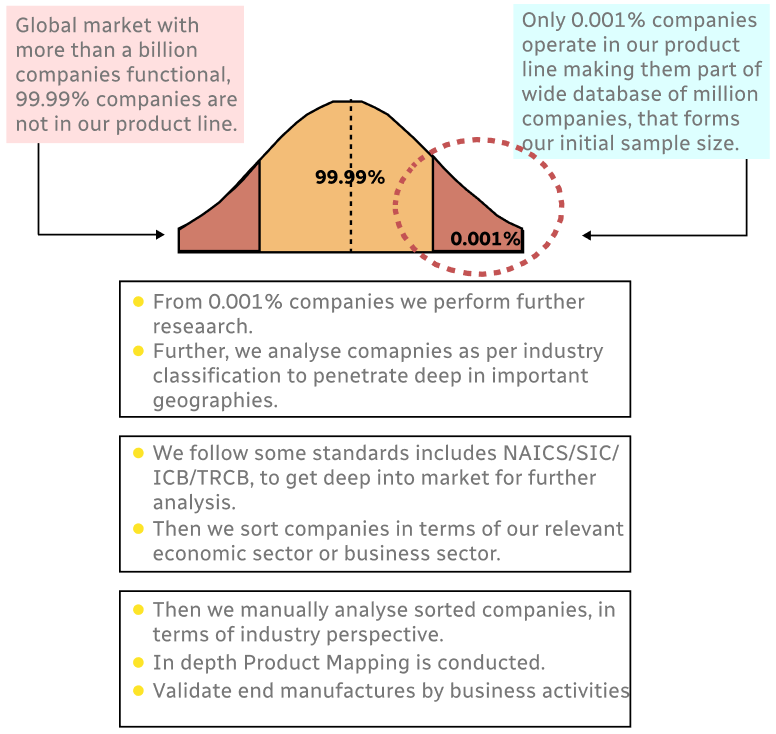
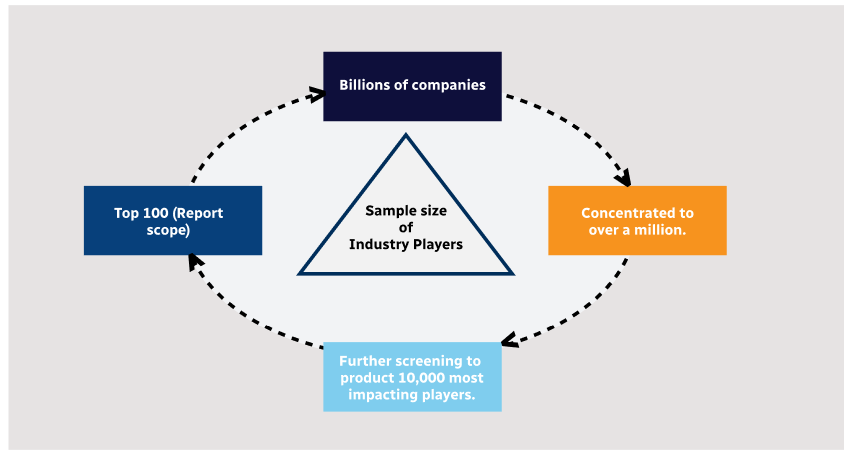
Step 1 - Identification of Relevant Samples Size from Population Database
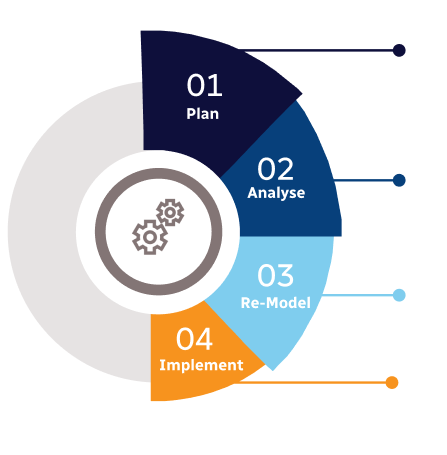
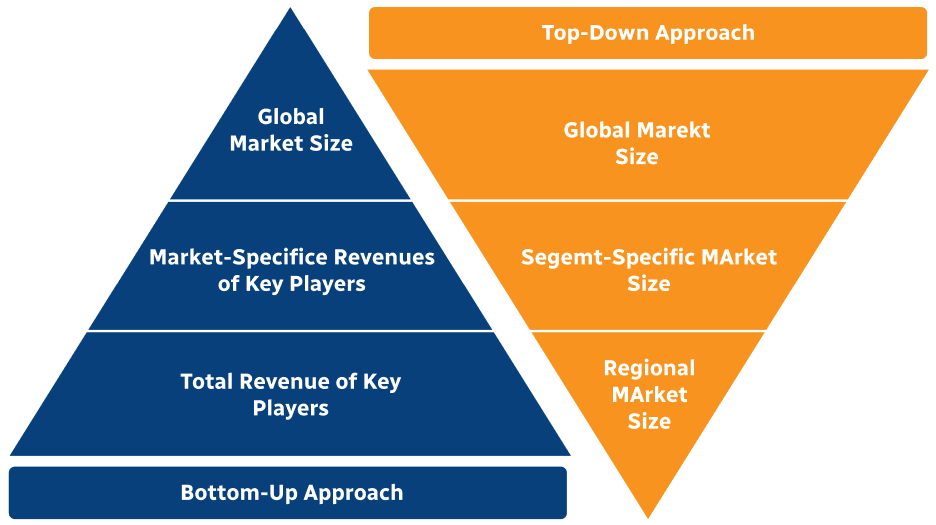
Step 2 - Approaches for Defining Global Market Size (Value, Volume* & Price*)
Note*: In applicable scenarios
Step 3 - Data Sources
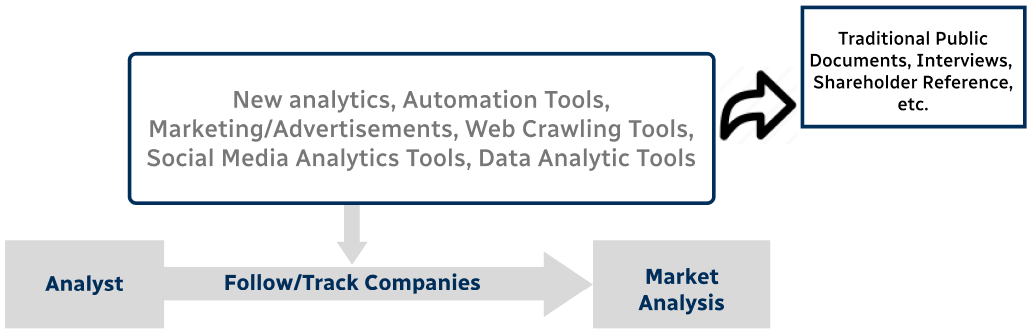
Primary Research
- Web Analytics
- Survey Reports
- Research Institute
- Latest Research Reports
- Opinion Leaders
Secondary Research
- Annual Reports
- White Paper
- Latest Press Release
- Industry Association
- Paid Database
- Investor Presentations
Step 4 - Data Triangulation
Involves using different sources of information in order to increase the validity of a study
These sources are likely to be stakeholders in a program - participants, other researchers, program staff, other community members, and so on.
Then we put all data in single framework & apply various statistical tools to find out the dynamic on the market.
During the analysis stage, feedback from the stakeholder groups would be compared to determine areas of agreement as well as areas of divergence