


Key Insights
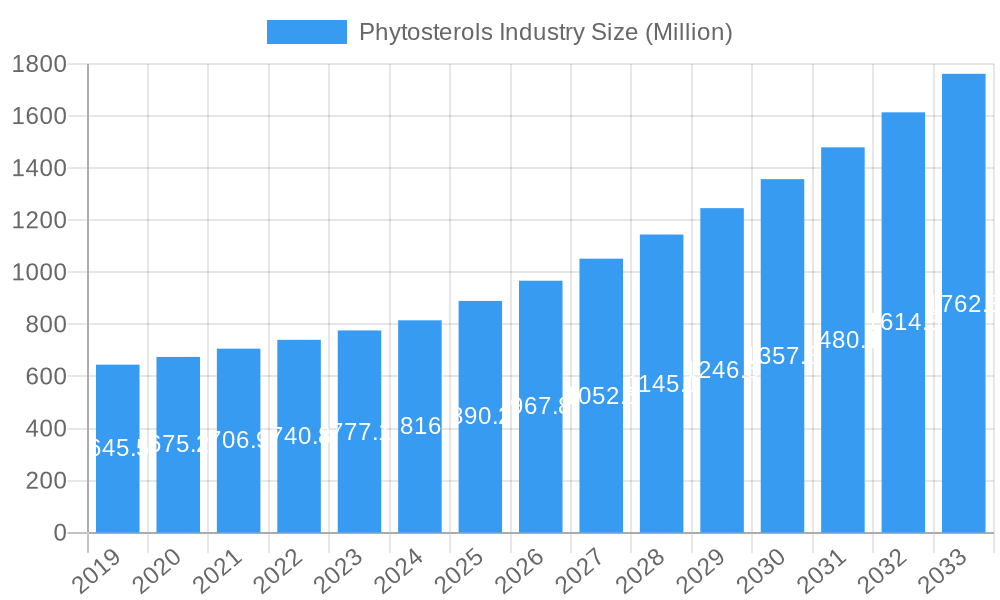
The global Phytosterols market is poised for significant expansion, projected to reach a valuation of $890.2 million in 2025, with a robust Compound Annual Growth Rate (CAGR) of 8.60%. This impressive growth trajectory is propelled by an increasing consumer awareness of the health benefits associated with phytosterols, particularly their efficacy in lowering cholesterol levels. This heightened health consciousness, coupled with a growing demand for natural and plant-based ingredients across various industries, is a primary market driver. The Food and Beverages sector, encompassing dairy products, sauces, condiments, bakery, and confectionery, is a dominant application area, leveraging phytosterols for their cholesterol-lowering claims and as functional food ingredients. The pharmaceutical and dietary supplement industries are also witnessing substantial adoption, driven by the demand for cardiovascular health products and preventative healthcare solutions. Emerging economies, with their expanding middle class and increasing disposable income, represent a fertile ground for market penetration, further fueling this upward trend.
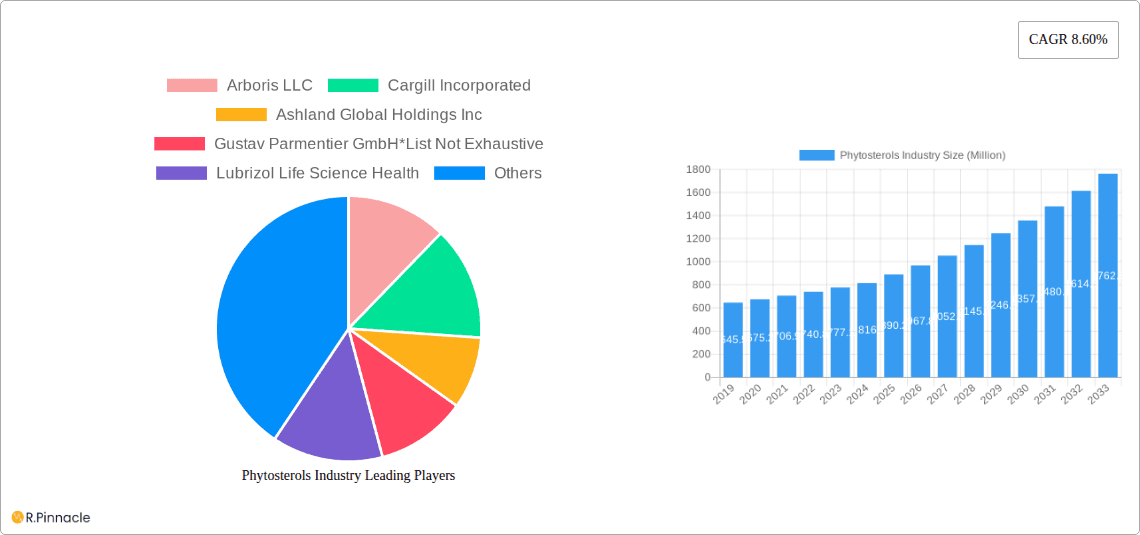
Phytosterols Industry Market Size (In Million)

Despite the promising outlook, the phytosterols market faces certain restraints that warrant consideration. High production costs associated with extraction and purification processes, coupled with the availability of synthetic alternatives, could pose challenges to widespread adoption. Regulatory hurdles and the need for stringent quality control measures across different regions can also impact market dynamics. However, ongoing research and development efforts focused on optimizing production methods and exploring novel applications are expected to mitigate these restraints. Innovations in product formulation and a greater emphasis on sustainability in sourcing and manufacturing are likely to shape the market landscape. Key players are actively engaged in strategic collaborations, mergers, and acquisitions to strengthen their market presence and expand their product portfolios, indicating a competitive yet dynamic industry environment. The diverse product types, including Beta-Sitosterol, Campesterol, and Stigmasterol, offer a wide array of applications, ensuring sustained market interest and demand.
Phytosterols Industry Company Market Share
This in-depth Phytosterols Industry Report provides unparalleled insights into the dynamic global market for plant sterols and stanols. Analyzing a robust study period from 2019–2033, with a base year of 2025, this report delivers critical data and strategic intelligence for industry stakeholders. Delve into market segmentation, growth drivers, challenges, and future outlooks, equipping you with the knowledge to navigate this rapidly evolving sector. With a particular focus on beta-sitosterol, campesterol, and stigmasterol, this report is essential for professionals in the food and beverage, pharmaceutical, cosmetic, dietary supplement, and animal feed industries.
Phytosterols Industry Market Structure & Innovation Trends
The phytosterols market exhibits a moderate to high concentration, with key players investing significantly in research and development to enhance extraction efficiency and product purity. Innovation drivers include the increasing demand for plant-based ingredients, advancements in oleochemical processing, and a growing understanding of phytosterols' health benefits. Regulatory frameworks primarily focus on food safety and health claims, influencing product development and market entry. Product substitutes include plant-derived oils with inherent sterol content and synthetic alternatives, though their efficacy and consumer perception often differ. End-user demographics span health-conscious consumers, individuals managing cholesterol levels, and the burgeoning animal feed sector seeking performance enhancers. Mergers and acquisitions (M&A) are a significant trend, as larger companies acquire specialized phytosterol producers to expand their portfolios and geographical reach. M&A deal values are projected to be in the millions, reflecting strategic consolidation.
- Market Concentration: Moderate to High.
- Innovation Drivers: Plant-based demand, extraction advancements, health benefits.
- Regulatory Focus: Food safety, health claims.
- Key Substitutes: Plant oils, synthetic alternatives.
- End-User Demographics: Health-conscious consumers, cholesterol management, animal feed.
- M&A Activity: Strategic consolidation, portfolio expansion.
Phytosterols Industry Market Dynamics & Trends
The global phytosterols market is experiencing robust growth, driven by a confluence of escalating consumer awareness regarding health and wellness, coupled with the increasing adoption of plant-based diets. The demand for ingredients that contribute to cardiovascular health, particularly the reduction of LDL cholesterol, is a primary growth accelerator. Technological advancements in extraction and purification technologies are making phytosterols more accessible and cost-effective, thus expanding their applications across diverse industries. This includes innovative formulations in functional foods and beverages, where phytosterols are being integrated into products like dairy items, baked goods, and condiments to offer added health benefits. The pharmaceutical sector is exploring phytosterols for their anti-inflammatory and potential anti-cancer properties. Furthermore, the cosmetic industry is leveraging phytosterols for their skin-conditioning and moisturizing attributes. The dietary supplement sector continues to be a significant contributor, with a rising trend in plant sterol-enriched capsules and powders. The competitive landscape is characterized by strategic partnerships, product differentiation, and a growing emphasis on sustainable sourcing and production methods. The projected Compound Annual Growth Rate (CAGR) for the phytosterols industry is estimated to be between 5% and 7% over the forecast period, with market penetration steadily increasing across developed and emerging economies. The overall market size is projected to reach several billion dollars by 2033, fueled by these persistent trends and emerging applications.
Dominant Regions & Segments in Phytosterols Industry
North America currently dominates the phytosterols market, primarily driven by a high consumer awareness of health and wellness, a robust food and beverage industry, and significant investment in dietary supplements. The United States, in particular, leads in terms of market size and consumption, owing to a well-established regulatory framework that supports health claims associated with phytosterols. Economic policies encouraging healthy living and a high disposable income among consumers further bolster the market in this region.
- Product Type Dominance:
- Beta-Sitosterol is the most dominant product type due to its widespread availability from various plant sources and extensive research supporting its cholesterol-lowering effects. Its application in dietary supplements and functional foods is particularly strong.
- Campesterol and Stigmasterol are also significant contributors, often used in synergy with beta-sitosterol or for specific applications where their unique properties are advantageous.
- Application Dominance:
- Food and Beverages represents the largest application segment.
- Dairy Products: Yogurts, milk, and cheese fortified with phytosterols are popular for cholesterol management.
- Sauces and Condiments: Mayonnaise, dressings, and spreads are increasingly incorporating phytosterols.
- Bakery and Confectionery: Breads, cookies, and chocolate bars are targeted for health-conscious consumers.
- Dietary Supplements are a close second, with a strong demand for phytosterol capsules and powders for direct cholesterol management.
- Pharmaceuticals and Cosmetics are emerging segments with significant growth potential as research into their therapeutic and dermatological benefits expands.
- Animal Feed is also a growing application, utilizing phytosterols for improved animal health and productivity.
- Food and Beverages represents the largest application segment.
The market's expansion is further supported by advancements in food fortification technologies and increasing consumer demand for naturally derived health ingredients.
Phytosterols Industry Product Innovations
Product innovations in the phytosterols industry are primarily focused on enhancing bioavailability and creating novel delivery systems for improved health benefits. Companies are developing esterified phytosterols and phytostanol esters, which demonstrate superior absorption rates. Advancements in extraction techniques, such as supercritical fluid extraction, are yielding higher purity phytosterols with minimal environmental impact. These innovations are crucial for expanding applications in fortified foods, specialized dietary supplements targeting cardiovascular health, and high-performance skincare products that leverage the anti-inflammatory and moisturizing properties of plant sterols. Competitive advantages are being gained through proprietary extraction processes and the development of science-backed health claims.
Report Scope & Segmentation Analysis
This report comprehensively analyzes the global phytosterols market, segmented by product type and application. The Product Types covered include Beta-Sitosterol, Campesterol, Stigmasterol, and Other Product Types. Each segment is projected to witness growth, with Beta-Sitosterol expected to lead due to its established efficacy and widespread use. The Applications segment is broadly categorized into Food and Beverages, Pharmaceuticals, Cosmetics, Dietary Supplements, and Animal Feed. The Food and Beverages sub-segments, including Dairy Products, Sauces and Condiments, and Bakery and Confectionery, are anticipated to show substantial market size and growth. Dietary Supplements are also a key growth area, driven by consumer demand for preventative health solutions. Pharmaceutical and Cosmetic applications are poised for rapid expansion as research uncovers new therapeutic and dermatological benefits.
- Product Types: Beta-Sitosterol, Campesterol, Stigmasterol, Other Product Types.
- Applications: Food and Beverages (Dairy Products, Sauces and Condiments, Bakery and Confectionery), Pharmaceuticals, Cosmetics, Dietary Supplements, Animal Feed.
Key Drivers of Phytosterols Industry Growth
The phytosterols industry is propelled by several key drivers, paramount among them being the escalating global health consciousness and the growing consumer preference for plant-based and natural ingredients. The established scientific evidence linking phytosterols to cholesterol reduction is a significant growth accelerator, driving demand in functional foods and dietary supplements. Technological advancements in extraction and purification processes are enhancing product quality and reducing manufacturing costs, making phytosterols more accessible across various applications. Furthermore, favorable regulatory support in many regions, which permits health claims related to cardiovascular benefits, encourages product innovation and consumer adoption. The increasing prevalence of lifestyle-related diseases also contributes to the demand for preventative health solutions.
Challenges in the Phytosterols Industry Sector
Despite its growth trajectory, the phytosterols industry faces several challenges. Regulatory hurdles in certain regions concerning health claims and novel food applications can impede market penetration. The supply chain for raw materials, often derived from vegetable oils, can be subject to price volatility and availability fluctuations. Consumer education regarding the benefits and proper usage of phytosterols remains a critical factor, as misperceptions can limit adoption. Furthermore, competition from other functional ingredients and the development of alternative cholesterol-lowering solutions present ongoing competitive pressures. The cost of production for highly purified phytosterols can also be a restraint for widespread use in price-sensitive applications.
Emerging Opportunities in Phytosterols Industry
Emerging opportunities in the phytosterols industry lie in the expansion into new geographic markets, particularly in developing economies with a rising middle class and increasing health awareness. Technological innovation in creating novel phytosterol derivatives with enhanced functional properties, such as improved solubility or targeted delivery, presents significant potential. The growing interest in the cosmetic and dermatological applications of phytosterols, owing to their anti-inflammatory and skin-healing properties, opens up lucrative avenues. Furthermore, advancements in sustainable sourcing and bio-refinery approaches can lead to more environmentally friendly and cost-effective production, thereby expanding applications in animal feed and even bioplastics. The development of personalized nutrition solutions incorporating phytosterols also represents a promising future market.
Leading Players in the Phytosterols Industry Market
- Arboris LLC
- Cargill Incorporated
- Ashland Global Holdings Inc
- Gustav Parmentier GmbH
- Lubrizol Life Science Health
- DuPont de Nemours Inc
- Archer Daniels Midland Company
- BASF SE
- Berkshire Hathaway Inc
- Merck Group
Key Developments in Phytosterols Industry Industry
- June 2022: Kensing LLC, a manufacturer of plant sterols, natural vitamin E, and high-purity surfactants, announced the acquisition of Vitae Naturals, a manufacturer of plant sterol esters and non-GMO vitamin E derivatives which have their applications in skincare, food, and nutrition end-use industry. This strategic move is expected to broaden Kensing's product portfolio and strengthen its market presence in the health and wellness sector.
- February 2022: Elicit Plant, an AGtech company specializing in crops' water resistance and developing innovative phytosterol-based solutions, raised a USD 17.26 million series. The funds will be used to advance international growth and R&D programs for its phytosterol-based solution that addresses water stress and allows farmers to respond to climate change challenges, highlighting the potential of phytosterols beyond human health.
Future Outlook for Phytosterols Industry Market
The future outlook for the phytosterols industry remains exceptionally bright, driven by an unwavering global trend towards preventative healthcare and natural wellness solutions. Continued advancements in extraction and formulation technologies will further enhance the efficacy and cost-effectiveness of phytosterols, paving the way for their integration into an even wider array of mainstream consumer products. The increasing body of scientific research validating the broad health benefits of plant sterols and stanols, extending beyond cholesterol management to areas like immune support and anti-inflammatory properties, will fuel consumer demand. Strategic partnerships, mergers, and acquisitions are anticipated to consolidate the market, fostering innovation and driving global expansion. The growing emphasis on sustainable sourcing and production will also become a key differentiator. Overall, the phytosterols market is poised for sustained and robust growth, presenting significant opportunities for market leaders and new entrants alike.
Phytosterols Industry Segmentation
-
1. Product Type
- 1.1. Beta-Sitosterol
- 1.2. Campesterol
- 1.3. Stigmasterol
- 1.4. Other Product Types
-
2. Application
-
2.1. Food and Beverages
- 2.1.1. Dairy Products
- 2.1.2. Sauces and Condiments
- 2.1.3. Bakery and Confectionery
- 2.2. Pharmaceuticals
- 2.3. Cosmetics
- 2.4. Dietary Supplements
- 2.5. Animal Feed
-
2.1. Food and Beverages
Phytosterols Industry Segmentation By Geography
-
1. North America
- 1.1. United States
- 1.2. Canada
- 1.3. Mexico
- 1.4. Rest of North America
-
2. Europe
- 2.1. Germany
- 2.2. United Kingdom
- 2.3. France
- 2.4. Russia
- 2.5. Spain
- 2.6. Italy
- 2.7. Rest of Europe
-
3. Asia Pacific
- 3.1. India
- 3.2. China
- 3.3. Japan
- 3.4. Australia
- 3.5. Rest of Asia Pacific
-
4. South America
- 4.1. Brazil
- 4.2. Argentina
- 4.3. Rest of South America
- 5. Middle East
-
6. Saudi Arabia
- 6.1. South Africa
- 6.2. Rest of Middle East
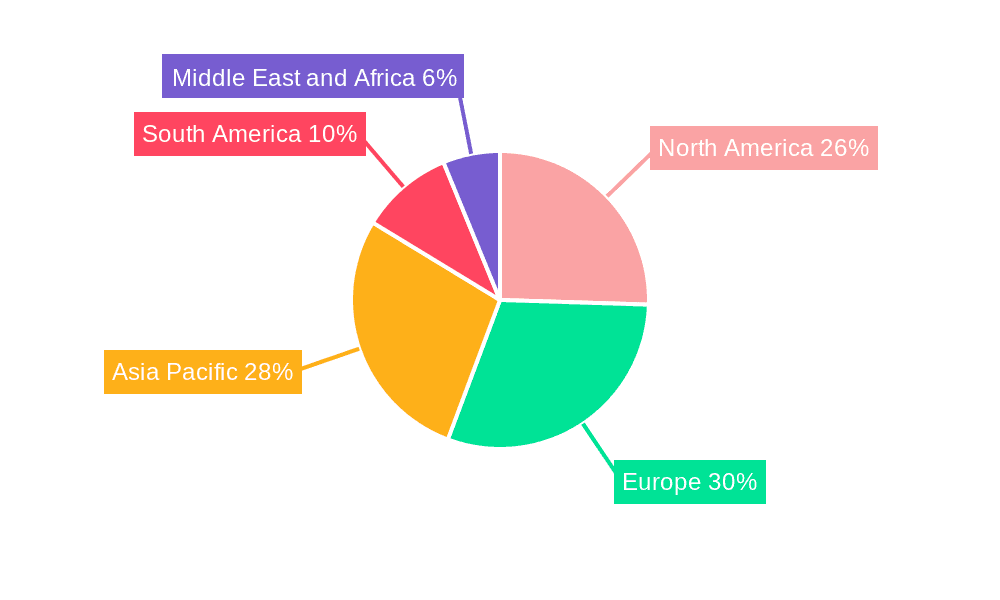
Phytosterols Industry Regional Market Share
Geographic Coverage of Phytosterols Industry
Phytosterols Industry REPORT HIGHLIGHTS
| Aspects | Details |
|---|---|
| Study Period | 2020-2034 |
| Base Year | 2025 |
| Estimated Year | 2026 |
| Forecast Period | 2026-2034 |
| Historical Period | 2020-2025 |
| Growth Rate | CAGR of 8.60% from 2020-2034 |
| Segmentation |
|
Table of Contents
- 1. Introduction
- 1.1. Research Scope
- 1.2. Market Segmentation
- 1.3. Research Methodology
- 1.4. Definitions and Assumptions
- 2. Executive Summary
- 2.1. Introduction
- 3. Market Dynamics
- 3.1. Introduction
- 3.2. Market Drivers
- 3.2.1. Increasing awareness towards fitness among consumers; Demand for convenient fortified foods
- 3.3. Market Restrains
- 3.3.1. Prevalence of allergen intolerance among the consumers
- 3.4. Market Trends
- 3.4.1. Increasing Prevalence of Cardiovascular Disease
- 4. Market Factor Analysis
- 4.1. Porters Five Forces
- 4.2. Supply/Value Chain
- 4.3. PESTEL analysis
- 4.4. Market Entropy
- 4.5. Patent/Trademark Analysis
- 5. Global Phytosterols Industry Analysis, Insights and Forecast, 2020-2032
- 5.1. Market Analysis, Insights and Forecast - by Product Type
- 5.1.1. Beta-Sitosterol
- 5.1.2. Campesterol
- 5.1.3. Stigmasterol
- 5.1.4. Other Product Types
- 5.2. Market Analysis, Insights and Forecast - by Application
- 5.2.1. Food and Beverages
- 5.2.1.1. Dairy Products
- 5.2.1.2. Sauces and Condiments
- 5.2.1.3. Bakery and Confectionery
- 5.2.2. Pharmaceuticals
- 5.2.3. Cosmetics
- 5.2.4. Dietary Supplements
- 5.2.5. Animal Feed
- 5.2.1. Food and Beverages
- 5.3. Market Analysis, Insights and Forecast - by Region
- 5.3.1. North America
- 5.3.2. Europe
- 5.3.3. Asia Pacific
- 5.3.4. South America
- 5.3.5. Middle East
- 5.3.6. Saudi Arabia
- 5.1. Market Analysis, Insights and Forecast - by Product Type
- 6. North America Phytosterols Industry Analysis, Insights and Forecast, 2020-2032
- 6.1. Market Analysis, Insights and Forecast - by Product Type
- 6.1.1. Beta-Sitosterol
- 6.1.2. Campesterol
- 6.1.3. Stigmasterol
- 6.1.4. Other Product Types
- 6.2. Market Analysis, Insights and Forecast - by Application
- 6.2.1. Food and Beverages
- 6.2.1.1. Dairy Products
- 6.2.1.2. Sauces and Condiments
- 6.2.1.3. Bakery and Confectionery
- 6.2.2. Pharmaceuticals
- 6.2.3. Cosmetics
- 6.2.4. Dietary Supplements
- 6.2.5. Animal Feed
- 6.2.1. Food and Beverages
- 6.1. Market Analysis, Insights and Forecast - by Product Type
- 7. Europe Phytosterols Industry Analysis, Insights and Forecast, 2020-2032
- 7.1. Market Analysis, Insights and Forecast - by Product Type
- 7.1.1. Beta-Sitosterol
- 7.1.2. Campesterol
- 7.1.3. Stigmasterol
- 7.1.4. Other Product Types
- 7.2. Market Analysis, Insights and Forecast - by Application
- 7.2.1. Food and Beverages
- 7.2.1.1. Dairy Products
- 7.2.1.2. Sauces and Condiments
- 7.2.1.3. Bakery and Confectionery
- 7.2.2. Pharmaceuticals
- 7.2.3. Cosmetics
- 7.2.4. Dietary Supplements
- 7.2.5. Animal Feed
- 7.2.1. Food and Beverages
- 7.1. Market Analysis, Insights and Forecast - by Product Type
- 8. Asia Pacific Phytosterols Industry Analysis, Insights and Forecast, 2020-2032
- 8.1. Market Analysis, Insights and Forecast - by Product Type
- 8.1.1. Beta-Sitosterol
- 8.1.2. Campesterol
- 8.1.3. Stigmasterol
- 8.1.4. Other Product Types
- 8.2. Market Analysis, Insights and Forecast - by Application
- 8.2.1. Food and Beverages
- 8.2.1.1. Dairy Products
- 8.2.1.2. Sauces and Condiments
- 8.2.1.3. Bakery and Confectionery
- 8.2.2. Pharmaceuticals
- 8.2.3. Cosmetics
- 8.2.4. Dietary Supplements
- 8.2.5. Animal Feed
- 8.2.1. Food and Beverages
- 8.1. Market Analysis, Insights and Forecast - by Product Type
- 9. South America Phytosterols Industry Analysis, Insights and Forecast, 2020-2032
- 9.1. Market Analysis, Insights and Forecast - by Product Type
- 9.1.1. Beta-Sitosterol
- 9.1.2. Campesterol
- 9.1.3. Stigmasterol
- 9.1.4. Other Product Types
- 9.2. Market Analysis, Insights and Forecast - by Application
- 9.2.1. Food and Beverages
- 9.2.1.1. Dairy Products
- 9.2.1.2. Sauces and Condiments
- 9.2.1.3. Bakery and Confectionery
- 9.2.2. Pharmaceuticals
- 9.2.3. Cosmetics
- 9.2.4. Dietary Supplements
- 9.2.5. Animal Feed
- 9.2.1. Food and Beverages
- 9.1. Market Analysis, Insights and Forecast - by Product Type
- 10. Middle East Phytosterols Industry Analysis, Insights and Forecast, 2020-2032
- 10.1. Market Analysis, Insights and Forecast - by Product Type
- 10.1.1. Beta-Sitosterol
- 10.1.2. Campesterol
- 10.1.3. Stigmasterol
- 10.1.4. Other Product Types
- 10.2. Market Analysis, Insights and Forecast - by Application
- 10.2.1. Food and Beverages
- 10.2.1.1. Dairy Products
- 10.2.1.2. Sauces and Condiments
- 10.2.1.3. Bakery and Confectionery
- 10.2.2. Pharmaceuticals
- 10.2.3. Cosmetics
- 10.2.4. Dietary Supplements
- 10.2.5. Animal Feed
- 10.2.1. Food and Beverages
- 10.1. Market Analysis, Insights and Forecast - by Product Type
- 11. Saudi Arabia Phytosterols Industry Analysis, Insights and Forecast, 2020-2032
- 11.1. Market Analysis, Insights and Forecast - by Product Type
- 11.1.1. Beta-Sitosterol
- 11.1.2. Campesterol
- 11.1.3. Stigmasterol
- 11.1.4. Other Product Types
- 11.2. Market Analysis, Insights and Forecast - by Application
- 11.2.1. Food and Beverages
- 11.2.1.1. Dairy Products
- 11.2.1.2. Sauces and Condiments
- 11.2.1.3. Bakery and Confectionery
- 11.2.2. Pharmaceuticals
- 11.2.3. Cosmetics
- 11.2.4. Dietary Supplements
- 11.2.5. Animal Feed
- 11.2.1. Food and Beverages
- 11.1. Market Analysis, Insights and Forecast - by Product Type
- 12. Competitive Analysis
- 12.1. Global Market Share Analysis 2025
- 12.2. Company Profiles
- 12.2.1 Arboris LLC
- 12.2.1.1. Overview
- 12.2.1.2. Products
- 12.2.1.3. SWOT Analysis
- 12.2.1.4. Recent Developments
- 12.2.1.5. Financials (Based on Availability)
- 12.2.2 Cargill Incorporated
- 12.2.2.1. Overview
- 12.2.2.2. Products
- 12.2.2.3. SWOT Analysis
- 12.2.2.4. Recent Developments
- 12.2.2.5. Financials (Based on Availability)
- 12.2.3 Ashland Global Holdings Inc
- 12.2.3.1. Overview
- 12.2.3.2. Products
- 12.2.3.3. SWOT Analysis
- 12.2.3.4. Recent Developments
- 12.2.3.5. Financials (Based on Availability)
- 12.2.4 Gustav Parmentier GmbH*List Not Exhaustive
- 12.2.4.1. Overview
- 12.2.4.2. Products
- 12.2.4.3. SWOT Analysis
- 12.2.4.4. Recent Developments
- 12.2.4.5. Financials (Based on Availability)
- 12.2.5 Lubrizol Life Science Health
- 12.2.5.1. Overview
- 12.2.5.2. Products
- 12.2.5.3. SWOT Analysis
- 12.2.5.4. Recent Developments
- 12.2.5.5. Financials (Based on Availability)
- 12.2.6 DuPont de Nemours Inc
- 12.2.6.1. Overview
- 12.2.6.2. Products
- 12.2.6.3. SWOT Analysis
- 12.2.6.4. Recent Developments
- 12.2.6.5. Financials (Based on Availability)
- 12.2.7 Archer Daniels Midland Company
- 12.2.7.1. Overview
- 12.2.7.2. Products
- 12.2.7.3. SWOT Analysis
- 12.2.7.4. Recent Developments
- 12.2.7.5. Financials (Based on Availability)
- 12.2.8 BASF SE
- 12.2.8.1. Overview
- 12.2.8.2. Products
- 12.2.8.3. SWOT Analysis
- 12.2.8.4. Recent Developments
- 12.2.8.5. Financials (Based on Availability)
- 12.2.9 Berkshire Hathaway Inc
- 12.2.9.1. Overview
- 12.2.9.2. Products
- 12.2.9.3. SWOT Analysis
- 12.2.9.4. Recent Developments
- 12.2.9.5. Financials (Based on Availability)
- 12.2.10 Merck Group
- 12.2.10.1. Overview
- 12.2.10.2. Products
- 12.2.10.3. SWOT Analysis
- 12.2.10.4. Recent Developments
- 12.2.10.5. Financials (Based on Availability)
- 12.2.1 Arboris LLC
List of Figures
- Figure 1: Global Phytosterols Industry Revenue Breakdown (Million, %) by Region 2025 & 2033
- Figure 2: Global Phytosterols Industry Volume Breakdown (K Tons, %) by Region 2025 & 2033
- Figure 3: North America Phytosterols Industry Revenue (Million), by Product Type 2025 & 2033
- Figure 4: North America Phytosterols Industry Volume (K Tons), by Product Type 2025 & 2033
- Figure 5: North America Phytosterols Industry Revenue Share (%), by Product Type 2025 & 2033
- Figure 6: North America Phytosterols Industry Volume Share (%), by Product Type 2025 & 2033
- Figure 7: North America Phytosterols Industry Revenue (Million), by Application 2025 & 2033
- Figure 8: North America Phytosterols Industry Volume (K Tons), by Application 2025 & 2033
- Figure 9: North America Phytosterols Industry Revenue Share (%), by Application 2025 & 2033
- Figure 10: North America Phytosterols Industry Volume Share (%), by Application 2025 & 2033
- Figure 11: North America Phytosterols Industry Revenue (Million), by Country 2025 & 2033
- Figure 12: North America Phytosterols Industry Volume (K Tons), by Country 2025 & 2033
- Figure 13: North America Phytosterols Industry Revenue Share (%), by Country 2025 & 2033
- Figure 14: North America Phytosterols Industry Volume Share (%), by Country 2025 & 2033
- Figure 15: Europe Phytosterols Industry Revenue (Million), by Product Type 2025 & 2033
- Figure 16: Europe Phytosterols Industry Volume (K Tons), by Product Type 2025 & 2033
- Figure 17: Europe Phytosterols Industry Revenue Share (%), by Product Type 2025 & 2033
- Figure 18: Europe Phytosterols Industry Volume Share (%), by Product Type 2025 & 2033
- Figure 19: Europe Phytosterols Industry Revenue (Million), by Application 2025 & 2033
- Figure 20: Europe Phytosterols Industry Volume (K Tons), by Application 2025 & 2033
- Figure 21: Europe Phytosterols Industry Revenue Share (%), by Application 2025 & 2033
- Figure 22: Europe Phytosterols Industry Volume Share (%), by Application 2025 & 2033
- Figure 23: Europe Phytosterols Industry Revenue (Million), by Country 2025 & 2033
- Figure 24: Europe Phytosterols Industry Volume (K Tons), by Country 2025 & 2033
- Figure 25: Europe Phytosterols Industry Revenue Share (%), by Country 2025 & 2033
- Figure 26: Europe Phytosterols Industry Volume Share (%), by Country 2025 & 2033
- Figure 27: Asia Pacific Phytosterols Industry Revenue (Million), by Product Type 2025 & 2033
- Figure 28: Asia Pacific Phytosterols Industry Volume (K Tons), by Product Type 2025 & 2033
- Figure 29: Asia Pacific Phytosterols Industry Revenue Share (%), by Product Type 2025 & 2033
- Figure 30: Asia Pacific Phytosterols Industry Volume Share (%), by Product Type 2025 & 2033
- Figure 31: Asia Pacific Phytosterols Industry Revenue (Million), by Application 2025 & 2033
- Figure 32: Asia Pacific Phytosterols Industry Volume (K Tons), by Application 2025 & 2033
- Figure 33: Asia Pacific Phytosterols Industry Revenue Share (%), by Application 2025 & 2033
- Figure 34: Asia Pacific Phytosterols Industry Volume Share (%), by Application 2025 & 2033
- Figure 35: Asia Pacific Phytosterols Industry Revenue (Million), by Country 2025 & 2033
- Figure 36: Asia Pacific Phytosterols Industry Volume (K Tons), by Country 2025 & 2033
- Figure 37: Asia Pacific Phytosterols Industry Revenue Share (%), by Country 2025 & 2033
- Figure 38: Asia Pacific Phytosterols Industry Volume Share (%), by Country 2025 & 2033
- Figure 39: South America Phytosterols Industry Revenue (Million), by Product Type 2025 & 2033
- Figure 40: South America Phytosterols Industry Volume (K Tons), by Product Type 2025 & 2033
- Figure 41: South America Phytosterols Industry Revenue Share (%), by Product Type 2025 & 2033
- Figure 42: South America Phytosterols Industry Volume Share (%), by Product Type 2025 & 2033
- Figure 43: South America Phytosterols Industry Revenue (Million), by Application 2025 & 2033
- Figure 44: South America Phytosterols Industry Volume (K Tons), by Application 2025 & 2033
- Figure 45: South America Phytosterols Industry Revenue Share (%), by Application 2025 & 2033
- Figure 46: South America Phytosterols Industry Volume Share (%), by Application 2025 & 2033
- Figure 47: South America Phytosterols Industry Revenue (Million), by Country 2025 & 2033
- Figure 48: South America Phytosterols Industry Volume (K Tons), by Country 2025 & 2033
- Figure 49: South America Phytosterols Industry Revenue Share (%), by Country 2025 & 2033
- Figure 50: South America Phytosterols Industry Volume Share (%), by Country 2025 & 2033
- Figure 51: Middle East Phytosterols Industry Revenue (Million), by Product Type 2025 & 2033
- Figure 52: Middle East Phytosterols Industry Volume (K Tons), by Product Type 2025 & 2033
- Figure 53: Middle East Phytosterols Industry Revenue Share (%), by Product Type 2025 & 2033
- Figure 54: Middle East Phytosterols Industry Volume Share (%), by Product Type 2025 & 2033
- Figure 55: Middle East Phytosterols Industry Revenue (Million), by Application 2025 & 2033
- Figure 56: Middle East Phytosterols Industry Volume (K Tons), by Application 2025 & 2033
- Figure 57: Middle East Phytosterols Industry Revenue Share (%), by Application 2025 & 2033
- Figure 58: Middle East Phytosterols Industry Volume Share (%), by Application 2025 & 2033
- Figure 59: Middle East Phytosterols Industry Revenue (Million), by Country 2025 & 2033
- Figure 60: Middle East Phytosterols Industry Volume (K Tons), by Country 2025 & 2033
- Figure 61: Middle East Phytosterols Industry Revenue Share (%), by Country 2025 & 2033
- Figure 62: Middle East Phytosterols Industry Volume Share (%), by Country 2025 & 2033
- Figure 63: Saudi Arabia Phytosterols Industry Revenue (Million), by Product Type 2025 & 2033
- Figure 64: Saudi Arabia Phytosterols Industry Volume (K Tons), by Product Type 2025 & 2033
- Figure 65: Saudi Arabia Phytosterols Industry Revenue Share (%), by Product Type 2025 & 2033
- Figure 66: Saudi Arabia Phytosterols Industry Volume Share (%), by Product Type 2025 & 2033
- Figure 67: Saudi Arabia Phytosterols Industry Revenue (Million), by Application 2025 & 2033
- Figure 68: Saudi Arabia Phytosterols Industry Volume (K Tons), by Application 2025 & 2033
- Figure 69: Saudi Arabia Phytosterols Industry Revenue Share (%), by Application 2025 & 2033
- Figure 70: Saudi Arabia Phytosterols Industry Volume Share (%), by Application 2025 & 2033
- Figure 71: Saudi Arabia Phytosterols Industry Revenue (Million), by Country 2025 & 2033
- Figure 72: Saudi Arabia Phytosterols Industry Volume (K Tons), by Country 2025 & 2033
- Figure 73: Saudi Arabia Phytosterols Industry Revenue Share (%), by Country 2025 & 2033
- Figure 74: Saudi Arabia Phytosterols Industry Volume Share (%), by Country 2025 & 2033
List of Tables
- Table 1: Global Phytosterols Industry Revenue Million Forecast, by Product Type 2020 & 2033
- Table 2: Global Phytosterols Industry Volume K Tons Forecast, by Product Type 2020 & 2033
- Table 3: Global Phytosterols Industry Revenue Million Forecast, by Application 2020 & 2033
- Table 4: Global Phytosterols Industry Volume K Tons Forecast, by Application 2020 & 2033
- Table 5: Global Phytosterols Industry Revenue Million Forecast, by Region 2020 & 2033
- Table 6: Global Phytosterols Industry Volume K Tons Forecast, by Region 2020 & 2033
- Table 7: Global Phytosterols Industry Revenue Million Forecast, by Product Type 2020 & 2033
- Table 8: Global Phytosterols Industry Volume K Tons Forecast, by Product Type 2020 & 2033
- Table 9: Global Phytosterols Industry Revenue Million Forecast, by Application 2020 & 2033
- Table 10: Global Phytosterols Industry Volume K Tons Forecast, by Application 2020 & 2033
- Table 11: Global Phytosterols Industry Revenue Million Forecast, by Country 2020 & 2033
- Table 12: Global Phytosterols Industry Volume K Tons Forecast, by Country 2020 & 2033
- Table 13: United States Phytosterols Industry Revenue (Million) Forecast, by Application 2020 & 2033
- Table 14: United States Phytosterols Industry Volume (K Tons) Forecast, by Application 2020 & 2033
- Table 15: Canada Phytosterols Industry Revenue (Million) Forecast, by Application 2020 & 2033
- Table 16: Canada Phytosterols Industry Volume (K Tons) Forecast, by Application 2020 & 2033
- Table 17: Mexico Phytosterols Industry Revenue (Million) Forecast, by Application 2020 & 2033
- Table 18: Mexico Phytosterols Industry Volume (K Tons) Forecast, by Application 2020 & 2033
- Table 19: Rest of North America Phytosterols Industry Revenue (Million) Forecast, by Application 2020 & 2033
- Table 20: Rest of North America Phytosterols Industry Volume (K Tons) Forecast, by Application 2020 & 2033
- Table 21: Global Phytosterols Industry Revenue Million Forecast, by Product Type 2020 & 2033
- Table 22: Global Phytosterols Industry Volume K Tons Forecast, by Product Type 2020 & 2033
- Table 23: Global Phytosterols Industry Revenue Million Forecast, by Application 2020 & 2033
- Table 24: Global Phytosterols Industry Volume K Tons Forecast, by Application 2020 & 2033
- Table 25: Global Phytosterols Industry Revenue Million Forecast, by Country 2020 & 2033
- Table 26: Global Phytosterols Industry Volume K Tons Forecast, by Country 2020 & 2033
- Table 27: Germany Phytosterols Industry Revenue (Million) Forecast, by Application 2020 & 2033
- Table 28: Germany Phytosterols Industry Volume (K Tons) Forecast, by Application 2020 & 2033
- Table 29: United Kingdom Phytosterols Industry Revenue (Million) Forecast, by Application 2020 & 2033
- Table 30: United Kingdom Phytosterols Industry Volume (K Tons) Forecast, by Application 2020 & 2033
- Table 31: France Phytosterols Industry Revenue (Million) Forecast, by Application 2020 & 2033
- Table 32: France Phytosterols Industry Volume (K Tons) Forecast, by Application 2020 & 2033
- Table 33: Russia Phytosterols Industry Revenue (Million) Forecast, by Application 2020 & 2033
- Table 34: Russia Phytosterols Industry Volume (K Tons) Forecast, by Application 2020 & 2033
- Table 35: Spain Phytosterols Industry Revenue (Million) Forecast, by Application 2020 & 2033
- Table 36: Spain Phytosterols Industry Volume (K Tons) Forecast, by Application 2020 & 2033
- Table 37: Italy Phytosterols Industry Revenue (Million) Forecast, by Application 2020 & 2033
- Table 38: Italy Phytosterols Industry Volume (K Tons) Forecast, by Application 2020 & 2033
- Table 39: Rest of Europe Phytosterols Industry Revenue (Million) Forecast, by Application 2020 & 2033
- Table 40: Rest of Europe Phytosterols Industry Volume (K Tons) Forecast, by Application 2020 & 2033
- Table 41: Global Phytosterols Industry Revenue Million Forecast, by Product Type 2020 & 2033
- Table 42: Global Phytosterols Industry Volume K Tons Forecast, by Product Type 2020 & 2033
- Table 43: Global Phytosterols Industry Revenue Million Forecast, by Application 2020 & 2033
- Table 44: Global Phytosterols Industry Volume K Tons Forecast, by Application 2020 & 2033
- Table 45: Global Phytosterols Industry Revenue Million Forecast, by Country 2020 & 2033
- Table 46: Global Phytosterols Industry Volume K Tons Forecast, by Country 2020 & 2033
- Table 47: India Phytosterols Industry Revenue (Million) Forecast, by Application 2020 & 2033
- Table 48: India Phytosterols Industry Volume (K Tons) Forecast, by Application 2020 & 2033
- Table 49: China Phytosterols Industry Revenue (Million) Forecast, by Application 2020 & 2033
- Table 50: China Phytosterols Industry Volume (K Tons) Forecast, by Application 2020 & 2033
- Table 51: Japan Phytosterols Industry Revenue (Million) Forecast, by Application 2020 & 2033
- Table 52: Japan Phytosterols Industry Volume (K Tons) Forecast, by Application 2020 & 2033
- Table 53: Australia Phytosterols Industry Revenue (Million) Forecast, by Application 2020 & 2033
- Table 54: Australia Phytosterols Industry Volume (K Tons) Forecast, by Application 2020 & 2033
- Table 55: Rest of Asia Pacific Phytosterols Industry Revenue (Million) Forecast, by Application 2020 & 2033
- Table 56: Rest of Asia Pacific Phytosterols Industry Volume (K Tons) Forecast, by Application 2020 & 2033
- Table 57: Global Phytosterols Industry Revenue Million Forecast, by Product Type 2020 & 2033
- Table 58: Global Phytosterols Industry Volume K Tons Forecast, by Product Type 2020 & 2033
- Table 59: Global Phytosterols Industry Revenue Million Forecast, by Application 2020 & 2033
- Table 60: Global Phytosterols Industry Volume K Tons Forecast, by Application 2020 & 2033
- Table 61: Global Phytosterols Industry Revenue Million Forecast, by Country 2020 & 2033
- Table 62: Global Phytosterols Industry Volume K Tons Forecast, by Country 2020 & 2033
- Table 63: Brazil Phytosterols Industry Revenue (Million) Forecast, by Application 2020 & 2033
- Table 64: Brazil Phytosterols Industry Volume (K Tons) Forecast, by Application 2020 & 2033
- Table 65: Argentina Phytosterols Industry Revenue (Million) Forecast, by Application 2020 & 2033
- Table 66: Argentina Phytosterols Industry Volume (K Tons) Forecast, by Application 2020 & 2033
- Table 67: Rest of South America Phytosterols Industry Revenue (Million) Forecast, by Application 2020 & 2033
- Table 68: Rest of South America Phytosterols Industry Volume (K Tons) Forecast, by Application 2020 & 2033
- Table 69: Global Phytosterols Industry Revenue Million Forecast, by Product Type 2020 & 2033
- Table 70: Global Phytosterols Industry Volume K Tons Forecast, by Product Type 2020 & 2033
- Table 71: Global Phytosterols Industry Revenue Million Forecast, by Application 2020 & 2033
- Table 72: Global Phytosterols Industry Volume K Tons Forecast, by Application 2020 & 2033
- Table 73: Global Phytosterols Industry Revenue Million Forecast, by Country 2020 & 2033
- Table 74: Global Phytosterols Industry Volume K Tons Forecast, by Country 2020 & 2033
- Table 75: Global Phytosterols Industry Revenue Million Forecast, by Product Type 2020 & 2033
- Table 76: Global Phytosterols Industry Volume K Tons Forecast, by Product Type 2020 & 2033
- Table 77: Global Phytosterols Industry Revenue Million Forecast, by Application 2020 & 2033
- Table 78: Global Phytosterols Industry Volume K Tons Forecast, by Application 2020 & 2033
- Table 79: Global Phytosterols Industry Revenue Million Forecast, by Country 2020 & 2033
- Table 80: Global Phytosterols Industry Volume K Tons Forecast, by Country 2020 & 2033
- Table 81: South Africa Phytosterols Industry Revenue (Million) Forecast, by Application 2020 & 2033
- Table 82: South Africa Phytosterols Industry Volume (K Tons) Forecast, by Application 2020 & 2033
- Table 83: Rest of Middle East Phytosterols Industry Revenue (Million) Forecast, by Application 2020 & 2033
- Table 84: Rest of Middle East Phytosterols Industry Volume (K Tons) Forecast, by Application 2020 & 2033
Frequently Asked Questions
1. What is the projected Compound Annual Growth Rate (CAGR) of the Phytosterols Industry?
The projected CAGR is approximately 8.60%.
2. Which companies are prominent players in the Phytosterols Industry?
Key companies in the market include Arboris LLC, Cargill Incorporated, Ashland Global Holdings Inc, Gustav Parmentier GmbH*List Not Exhaustive, Lubrizol Life Science Health, DuPont de Nemours Inc, Archer Daniels Midland Company, BASF SE, Berkshire Hathaway Inc, Merck Group.
3. What are the main segments of the Phytosterols Industry?
The market segments include Product Type, Application.
4. Can you provide details about the market size?
The market size is estimated to be USD 890.2 Million as of 2022.
5. What are some drivers contributing to market growth?
Increasing awareness towards fitness among consumers; Demand for convenient fortified foods.
6. What are the notable trends driving market growth?
Increasing Prevalence of Cardiovascular Disease.
7. Are there any restraints impacting market growth?
Prevalence of allergen intolerance among the consumers.
8. Can you provide examples of recent developments in the market?
June 2022: Kensing LLC, a manufacturer of plant sterols, natural vitamin E, and high-purity surfactants, announced the acquisition of Vitae Naturals, a manufacturer of plant sterol esters and non-GMO vitamin E derivatives which have their applications in skincare, food, and nutrition end-use industry.
9. What pricing options are available for accessing the report?
Pricing options include single-user, multi-user, and enterprise licenses priced at USD 4750, USD 5250, and USD 8750 respectively.
10. Is the market size provided in terms of value or volume?
The market size is provided in terms of value, measured in Million and volume, measured in K Tons.
11. Are there any specific market keywords associated with the report?
Yes, the market keyword associated with the report is "Phytosterols Industry," which aids in identifying and referencing the specific market segment covered.
12. How do I determine which pricing option suits my needs best?
The pricing options vary based on user requirements and access needs. Individual users may opt for single-user licenses, while businesses requiring broader access may choose multi-user or enterprise licenses for cost-effective access to the report.
13. Are there any additional resources or data provided in the Phytosterols Industry report?
While the report offers comprehensive insights, it's advisable to review the specific contents or supplementary materials provided to ascertain if additional resources or data are available.
14. How can I stay updated on further developments or reports in the Phytosterols Industry?
To stay informed about further developments, trends, and reports in the Phytosterols Industry, consider subscribing to industry newsletters, following relevant companies and organizations, or regularly checking reputable industry news sources and publications.
Methodology
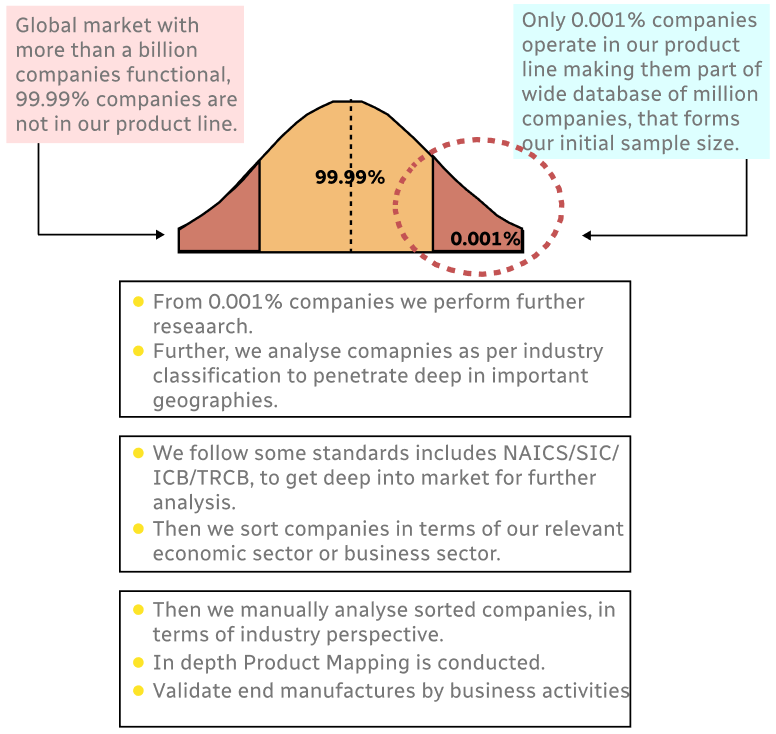
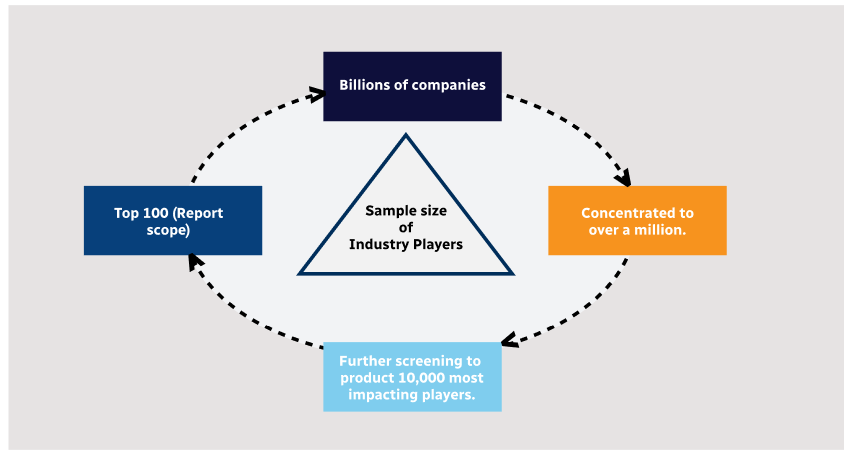
Step 1 - Identification of Relevant Samples Size from Population Database
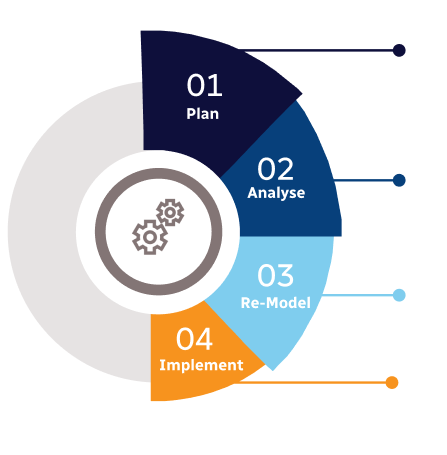
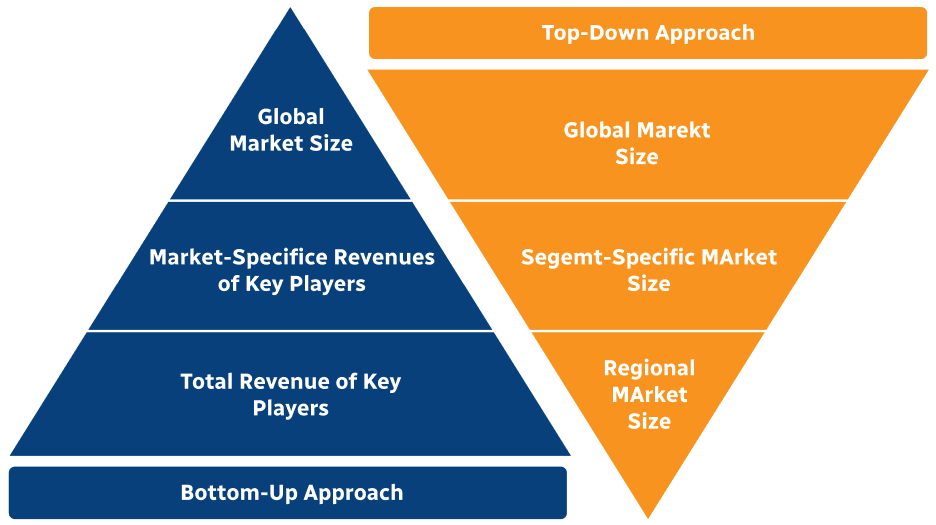
Step 2 - Approaches for Defining Global Market Size (Value, Volume* & Price*)
Note*: In applicable scenarios
Step 3 - Data Sources
Primary Research
- Web Analytics
- Survey Reports
- Research Institute
- Latest Research Reports
- Opinion Leaders
Secondary Research
- Annual Reports
- White Paper
- Latest Press Release
- Industry Association
- Paid Database
- Investor Presentations
Step 4 - Data Triangulation
Involves using different sources of information in order to increase the validity of a study
These sources are likely to be stakeholders in a program - participants, other researchers, program staff, other community members, and so on.
Then we put all data in single framework & apply various statistical tools to find out the dynamic on the market.
During the analysis stage, feedback from the stakeholder groups would be compared to determine areas of agreement as well as areas of divergence