Key Insights
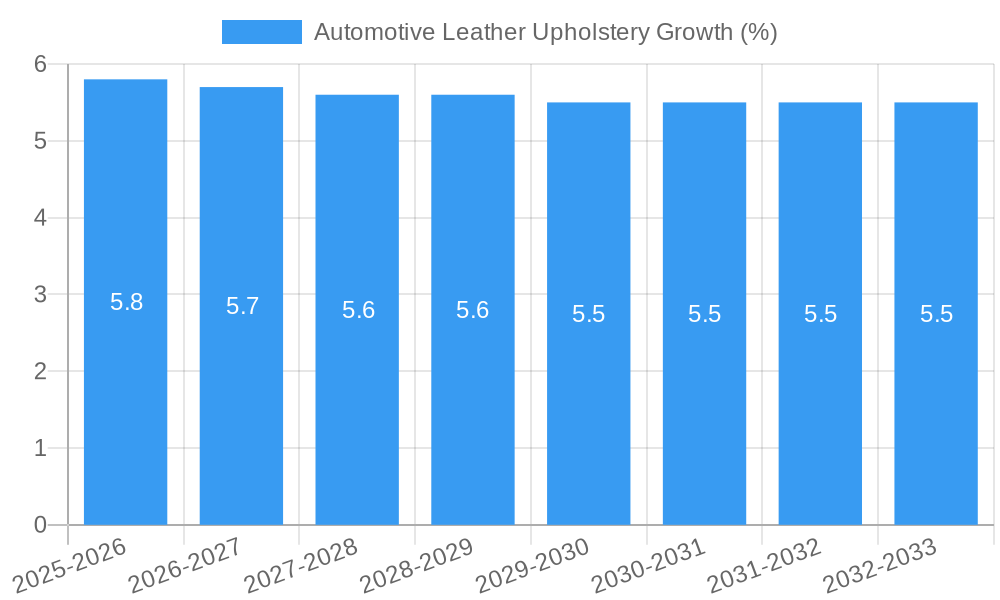
The global Automotive Leather Upholstery market is poised for significant expansion, projected to reach an estimated $12,500 million by 2025, with a robust Compound Annual Growth Rate (CAGR) of 5.8% anticipated from 2025 to 2033. This substantial market value underscores the enduring appeal and demand for premium interior finishes in vehicles. The primary drivers fueling this growth are the increasing consumer preference for luxury and comfort, a rise in premium and luxury vehicle production, and advancements in leather treatment technologies that enhance durability and aesthetics. Furthermore, the integration of sustainable and eco-friendly leather alternatives is also gaining traction, reflecting a broader industry shift towards environmental responsibility. The market segments highlight a balanced demand across Passenger Cars and Commercial Vehicles, indicating its widespread adoption. Within the upholstery type, both Genuine Leather and Synthetic Leather are crucial, with synthetic alternatives offering a cost-effective and sustainable option that continues to gain market share.
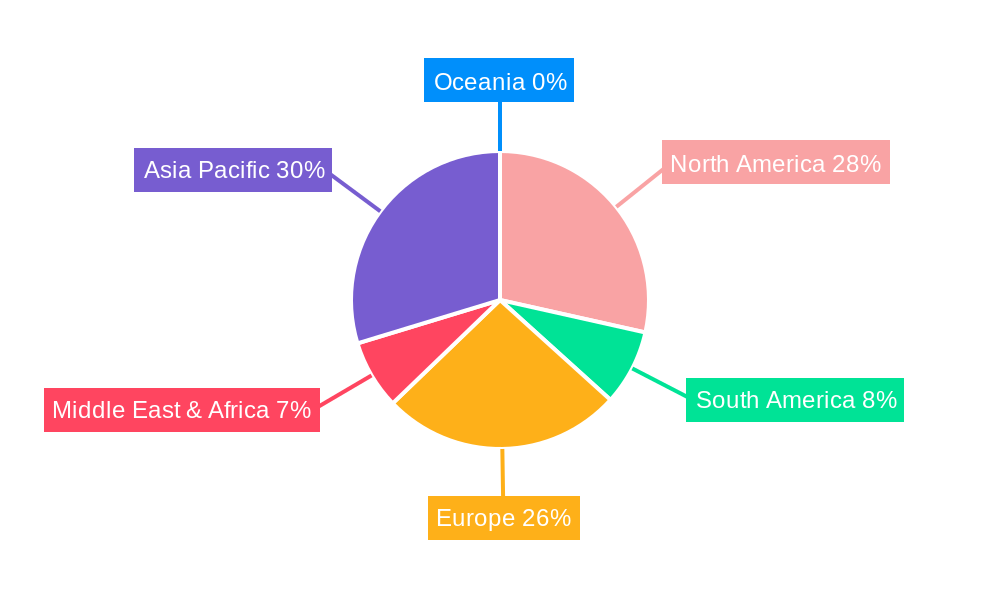
The automotive industry's trajectory, marked by innovation and evolving consumer expectations, directly influences the automotive leather upholstery landscape. Emerging trends such as personalized interior designs, the incorporation of advanced features like heated and ventilated seats, and the use of specialized leather finishes for enhanced tactile experience are expected to further propel market growth. However, the market also faces restraints, including the fluctuating raw material prices, stringent environmental regulations concerning tanning processes, and intense competition from alternative upholstery materials like high-performance textiles and recycled fabrics. Despite these challenges, strategic collaborations, mergers, and acquisitions among key players like BASF SE, Lear Corporation, and Toyota Boshoku are shaping the competitive dynamics and driving technological advancements. The regional distribution indicates a strong presence in Asia Pacific, particularly China, followed by North America and Europe, which are expected to maintain their significant market shares due to high vehicle production and consumer spending on premium features.
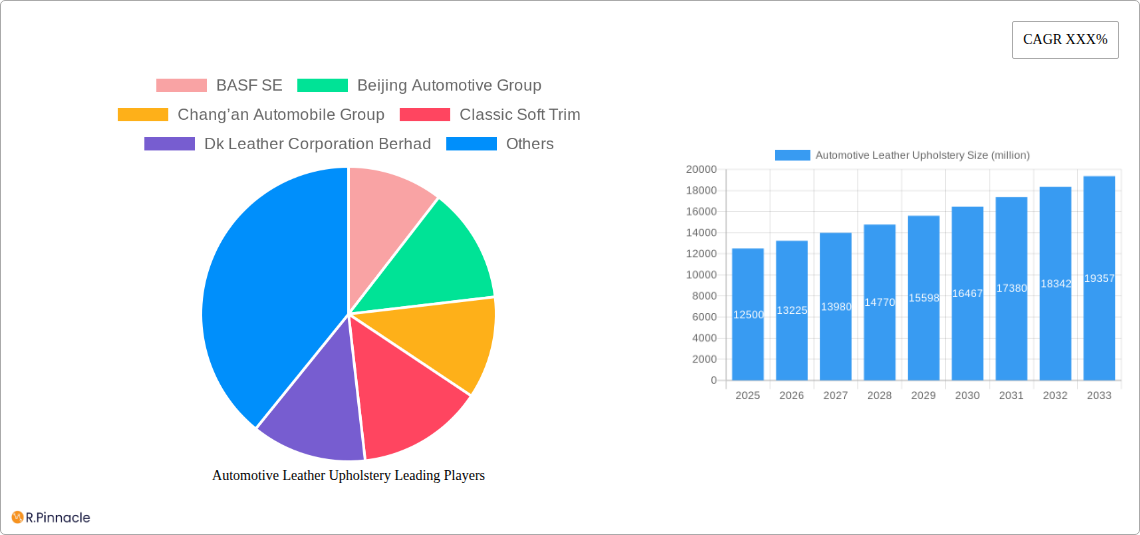
Automotive Leather Upholstery Market Research Report: Navigating a $30 Billion Landscape
This comprehensive report offers an in-depth analysis of the global Automotive Leather Upholstery market, projected to reach an estimated market size of $30,000 million by 2033. Covering the period from 2019 to 2033, with a base year of 2025 and a forecast period of 2025–2033, this study provides critical insights for automotive OEMs, tier suppliers, material manufacturers, and industry stakeholders. Dive into market structure, dynamics, regional dominance, product innovations, key drivers, challenges, emerging opportunities, and a detailed competitive landscape.
Automotive Leather Upholstery Market Structure & Innovation Trends
The global Automotive Leather Upholstery market exhibits a moderately concentrated structure, with key players like Lear Corporation, Toyota Boshoku, and BASF SE holding significant market share. Innovation is primarily driven by advancements in material science, focusing on enhanced durability, sustainability, and aesthetic appeal. Regulatory frameworks, such as emission standards and material safety regulations, are increasingly influencing product development and manufacturing processes. While product substitutes like high-performance synthetic fabrics and advanced polymers exist, genuine and synthetic leather continue to dominate due to their perceived luxury and tactile qualities. End-user demographics reveal a growing demand for premium and sustainable interior solutions, particularly among affluent consumers in emerging economies. Mergers and acquisitions (M&A) activities remain strategic for market expansion and technology acquisition. Notable M&A deals in the historical period (2019-2024) have facilitated consolidation and synergy realization, with an estimated cumulative deal value of $500 million.
Automotive Leather Upholstery Market Dynamics & Trends
The Automotive Leather Upholstery market is propelled by a confluence of robust growth drivers, technological disruptions, evolving consumer preferences, and dynamic competitive forces. A key growth catalyst is the escalating production of passenger cars, particularly in burgeoning markets, where leather upholstery is a hallmark of luxury and comfort. This demand is further amplified by the rising disposable incomes and the aspirational desire for premium vehicle interiors. Technological advancements are continuously refining leather processing techniques, leading to lighter, more durable, and environmentally friendlier materials. Innovations such as advanced tanning processes that reduce water and chemical usage, and the development of bio-based leather alternatives, are gaining traction. Consumer preferences are shifting towards personalization and sustainable options. Vehicle occupants increasingly seek tactile comfort, aesthetic appeal, and a perception of quality that premium leather offers. Furthermore, the trend towards smart interiors, integrating advanced functionalities, also influences upholstery choices. The competitive landscape is characterized by intense rivalry among established players and emerging innovators. Companies are vying for market share through product differentiation, strategic partnerships, and a focus on cost-effectiveness without compromising quality. The market penetration of advanced leather solutions is expected to rise, driven by their ability to meet stringent performance and sustainability benchmarks. The Compound Annual Growth Rate (CAGR) for the automotive leather upholstery market is estimated at approximately 5.5% over the forecast period, underscoring its sustained growth trajectory.
Dominant Regions & Segments in Automotive Leather Upholstery
The Passenger Car segment unequivocally dominates the global Automotive Leather Upholstery market, accounting for an estimated 85% of market revenue. This dominance stems from the sheer volume of passenger vehicle production worldwide and the strong consumer preference for leather interiors in this segment, often associated with luxury and higher trim levels. Within the passenger car segment, genuine leather holds a substantial market share due to its inherent premium appeal and durability. However, synthetic leather is witnessing significant growth, driven by its cost-effectiveness, versatility, and advancements in replicating the look and feel of genuine leather, coupled with growing sustainability concerns.
Asia Pacific stands as the leading region in the Automotive Leather Upholstery market. This leadership is primarily fueled by the robust automotive manufacturing base in countries like China, Japan, and South Korea, coupled with the burgeoning demand from a rapidly growing middle class. Economic policies in the region that support domestic automotive production, coupled with substantial investments in vehicle manufacturing infrastructure, have created a fertile ground for leather upholstery suppliers. Furthermore, the increasing adoption of premium features in mass-market vehicles, even in emerging economies within the region, contributes significantly to the demand for both genuine and synthetic automotive leather.
In terms of Type, Genuine Leather continues to command a significant market share owing to its association with luxury and premium vehicle interiors. Its natural texture, breathability, and long-term durability are highly valued by consumers seeking an elevated driving experience. However, Synthetic Leather is rapidly gaining ground. Innovations in synthetic materials have led to impressive advancements in replicating the aesthetic and tactile qualities of genuine leather, often at a more accessible price point. Environmental considerations and the vegan movement are also contributing to the increased adoption of high-quality synthetic leather alternatives. The versatility of synthetic leather in terms of colors, textures, and ease of maintenance further bolsters its market penetration, particularly in mid-range and entry-level vehicle segments.
Automotive Leather Upholstery Product Innovations
Product innovations in automotive leather upholstery are centered on enhancing sustainability, durability, and occupant comfort. Key developments include the introduction of bio-based leathers derived from plant-based materials, reducing reliance on traditional animal hides and synthetic petroleum-based polymers. Advanced coating technologies are also improving scratch resistance, UV protection, and ease of cleaning. Furthermore, smart textiles incorporating conductive threads for heated seats and haptic feedback systems are emerging, integrating seamlessly with leather finishes. These innovations offer competitive advantages by meeting evolving consumer demands for eco-friendly, high-performance, and technologically advanced vehicle interiors.
Report Scope & Segmentation Analysis
This report meticulously segments the Automotive Leather Upholstery market by Application and Type. The Passenger Car segment, expected to grow at a CAGR of 5.8%, represents the largest share due to high production volumes and consumer preference for premium interiors. The Commercial Vehicle segment, projected to grow at a CAGR of 4.5%, offers opportunities in fleet upgrades and specialized vehicle interiors. In terms of Type, Genuine Leather is anticipated to maintain a strong market presence, driven by its luxury appeal, while Synthetic Leather is poised for substantial growth (CAGR of 6.2%) owing to its cost-effectiveness, versatility, and increasing sustainability credentials. The competitive dynamics within each segment are influenced by pricing strategies, product differentiation, and supplier relationships with automotive OEMs.
Key Drivers of Automotive Leather Upholstery Growth
Several pivotal factors are driving the growth of the Automotive Leather Upholstery market. The sustained global increase in passenger vehicle production, particularly in emerging economies, forms a primary growth accelerator. A rising middle class with increased disposable income is fueling demand for premium vehicle interiors, with leather upholstery being a significant marker of luxury. Furthermore, advancements in sustainable manufacturing practices, including eco-friendly tanning processes and the development of bio-based leather alternatives, are aligning with growing environmental consciousness among consumers and regulatory bodies. Technological innovations that enhance the durability, stain resistance, and comfort of leather materials are also critical growth drivers.
Challenges in the Automotive Leather Upholstery Sector
The Automotive Leather Upholstery sector faces several significant challenges. Fluctuations in raw material prices, particularly for genuine leather, can impact profitability and pricing strategies. Stringent environmental regulations regarding chemical usage in tanning processes and waste disposal necessitate continuous investment in sustainable technologies. The increasing competition from advanced synthetic materials that mimic leather's aesthetic and functional properties at a lower cost poses a considerable threat. Supply chain disruptions, as witnessed in recent years, can also affect production timelines and costs, impacting market stability.
Emerging Opportunities in Automotive Leather Upholstery
The Automotive Leather Upholstery market is ripe with emerging opportunities. The growing demand for electric vehicles (EVs) presents a unique avenue, as EV manufacturers are increasingly prioritizing sustainable and lightweight materials for their interiors. The development of advanced vegan leather alternatives with superior tactile properties and durability is a significant growth frontier. Furthermore, the trend towards personalized vehicle interiors opens opportunities for customized leather finishes, stitching patterns, and integrated smart features. Expansion into developing automotive markets with a rising consumer aspiration for premium features also offers considerable growth potential.
Leading Players in the Automotive Leather Upholstery Market
- BASF SE
- Beijing Automotive Group
- Chang’an Automobile Group
- Classic Soft Trim
- Dk Leather Corporation Berhad
- FAW Group Corporation
- Gst Autoleather
- Katzkin Leather
- Kuraray
- Lear Corporation
- Toyota Boshoku
- Wollsdorf Leder Schmidt
Key Developments in Automotive Leather Upholstery Industry
- 2023 May: Lear Corporation launched a new line of sustainable, recycled leather materials for automotive interiors.
- 2023 March: BASF SE introduced a bio-based polyurethane coating for automotive leather, reducing its environmental footprint.
- 2022 November: Toyota Boshoku announced significant investments in R&D for advanced synthetic leather technologies to meet EV demands.
- 2022 July: Katzkin Leather expanded its customization options, offering a wider range of colors and stitching for aftermarket leather upholstery.
- 2021 December: Dk Leather Corporation Berhad reported increased adoption of their eco-friendly tanned leathers by major automotive OEMs.
Future Outlook for Automotive Leather Upholstery Market
The future outlook for the Automotive Leather Upholstery market remains exceptionally positive, characterized by sustained growth driven by innovation and evolving consumer demands. The increasing emphasis on sustainability will propel the adoption of bio-based and recycled leather alternatives, alongside advanced, eco-conscious manufacturing processes. The automotive industry's transition towards electric vehicles will create new opportunities for lightweight, technologically integrated, and sustainably sourced upholstery solutions. Continued advancements in synthetic leather will further blur the lines between genuine and synthetic options, offering compelling choices across various vehicle segments. Strategic collaborations between material suppliers and automotive OEMs will be crucial for navigating market shifts and capitalizing on emerging trends, ensuring continued market expansion and profitability through 2033 and beyond.
Automotive Leather Upholstery Segmentation
-
1. Application
- 1.1. Passenger Car
- 1.2. Commercial Vehicle
-
2. Type
- 2.1. Genuine Leather
- 2.2. Synthetic Leather
Automotive Leather Upholstery Segmentation By Geography
-
1. North America
- 1.1. United States
- 1.2. Canada
- 1.3. Mexico
-
2. South America
- 2.1. Brazil
- 2.2. Argentina
- 2.3. Rest of South America
-
3. Europe
- 3.1. United Kingdom
- 3.2. Germany
- 3.3. France
- 3.4. Italy
- 3.5. Spain
- 3.6. Russia
- 3.7. Benelux
- 3.8. Nordics
- 3.9. Rest of Europe
-
4. Middle East & Africa
- 4.1. Turkey
- 4.2. Israel
- 4.3. GCC
- 4.4. North Africa
- 4.5. South Africa
- 4.6. Rest of Middle East & Africa
-
5. Asia Pacific
- 5.1. China
- 5.2. India
- 5.3. Japan
- 5.4. South Korea
- 5.5. ASEAN
- 5.6. Oceania
- 5.7. Rest of Asia Pacific
Automotive Leather Upholstery REPORT HIGHLIGHTS
| Aspects | Details |
|---|---|
| Study Period | 2019-2033 |
| Base Year | 2024 |
| Estimated Year | 2025 |
| Forecast Period | 2025-2033 |
| Historical Period | 2019-2024 |
| Growth Rate | CAGR of XXX% from 2019-2033 |
| Segmentation |
|
Table of Contents
- 1. Introduction
- 1.1. Research Scope
- 1.2. Market Segmentation
- 1.3. Research Methodology
- 1.4. Definitions and Assumptions
- 2. Executive Summary
- 2.1. Introduction
- 3. Market Dynamics
- 3.1. Introduction
- 3.2. Market Drivers
- 3.3. Market Restrains
- 3.4. Market Trends
- 4. Market Factor Analysis
- 4.1. Porters Five Forces
- 4.2. Supply/Value Chain
- 4.3. PESTEL analysis
- 4.4. Market Entropy
- 4.5. Patent/Trademark Analysis
- 5. Global Automotive Leather Upholstery Analysis, Insights and Forecast, 2019-2031
- 5.1. Market Analysis, Insights and Forecast - by Application
- 5.1.1. Passenger Car
- 5.1.2. Commercial Vehicle
- 5.2. Market Analysis, Insights and Forecast - by Type
- 5.2.1. Genuine Leather
- 5.2.2. Synthetic Leather
- 5.3. Market Analysis, Insights and Forecast - by Region
- 5.3.1. North America
- 5.3.2. South America
- 5.3.3. Europe
- 5.3.4. Middle East & Africa
- 5.3.5. Asia Pacific
- 5.1. Market Analysis, Insights and Forecast - by Application
- 6. North America Automotive Leather Upholstery Analysis, Insights and Forecast, 2019-2031
- 6.1. Market Analysis, Insights and Forecast - by Application
- 6.1.1. Passenger Car
- 6.1.2. Commercial Vehicle
- 6.2. Market Analysis, Insights and Forecast - by Type
- 6.2.1. Genuine Leather
- 6.2.2. Synthetic Leather
- 6.1. Market Analysis, Insights and Forecast - by Application
- 7. South America Automotive Leather Upholstery Analysis, Insights and Forecast, 2019-2031
- 7.1. Market Analysis, Insights and Forecast - by Application
- 7.1.1. Passenger Car
- 7.1.2. Commercial Vehicle
- 7.2. Market Analysis, Insights and Forecast - by Type
- 7.2.1. Genuine Leather
- 7.2.2. Synthetic Leather
- 7.1. Market Analysis, Insights and Forecast - by Application
- 8. Europe Automotive Leather Upholstery Analysis, Insights and Forecast, 2019-2031
- 8.1. Market Analysis, Insights and Forecast - by Application
- 8.1.1. Passenger Car
- 8.1.2. Commercial Vehicle
- 8.2. Market Analysis, Insights and Forecast - by Type
- 8.2.1. Genuine Leather
- 8.2.2. Synthetic Leather
- 8.1. Market Analysis, Insights and Forecast - by Application
- 9. Middle East & Africa Automotive Leather Upholstery Analysis, Insights and Forecast, 2019-2031
- 9.1. Market Analysis, Insights and Forecast - by Application
- 9.1.1. Passenger Car
- 9.1.2. Commercial Vehicle
- 9.2. Market Analysis, Insights and Forecast - by Type
- 9.2.1. Genuine Leather
- 9.2.2. Synthetic Leather
- 9.1. Market Analysis, Insights and Forecast - by Application
- 10. Asia Pacific Automotive Leather Upholstery Analysis, Insights and Forecast, 2019-2031
- 10.1. Market Analysis, Insights and Forecast - by Application
- 10.1.1. Passenger Car
- 10.1.2. Commercial Vehicle
- 10.2. Market Analysis, Insights and Forecast - by Type
- 10.2.1. Genuine Leather
- 10.2.2. Synthetic Leather
- 10.1. Market Analysis, Insights and Forecast - by Application
- 11. Competitive Analysis
- 11.1. Global Market Share Analysis 2024
- 11.2. Company Profiles
- 11.2.1 BASF SE
- 11.2.1.1. Overview
- 11.2.1.2. Products
- 11.2.1.3. SWOT Analysis
- 11.2.1.4. Recent Developments
- 11.2.1.5. Financials (Based on Availability)
- 11.2.2 Beijing Automotive Group
- 11.2.2.1. Overview
- 11.2.2.2. Products
- 11.2.2.3. SWOT Analysis
- 11.2.2.4. Recent Developments
- 11.2.2.5. Financials (Based on Availability)
- 11.2.3 Chang’an Automobile Group
- 11.2.3.1. Overview
- 11.2.3.2. Products
- 11.2.3.3. SWOT Analysis
- 11.2.3.4. Recent Developments
- 11.2.3.5. Financials (Based on Availability)
- 11.2.4 Classic Soft Trim
- 11.2.4.1. Overview
- 11.2.4.2. Products
- 11.2.4.3. SWOT Analysis
- 11.2.4.4. Recent Developments
- 11.2.4.5. Financials (Based on Availability)
- 11.2.5 Dk Leather Corporation Berhad
- 11.2.5.1. Overview
- 11.2.5.2. Products
- 11.2.5.3. SWOT Analysis
- 11.2.5.4. Recent Developments
- 11.2.5.5. Financials (Based on Availability)
- 11.2.6 FAW Group Corporation
- 11.2.6.1. Overview
- 11.2.6.2. Products
- 11.2.6.3. SWOT Analysis
- 11.2.6.4. Recent Developments
- 11.2.6.5. Financials (Based on Availability)
- 11.2.7 Gst Autoleather
- 11.2.7.1. Overview
- 11.2.7.2. Products
- 11.2.7.3. SWOT Analysis
- 11.2.7.4. Recent Developments
- 11.2.7.5. Financials (Based on Availability)
- 11.2.8 Katzkin Leather
- 11.2.8.1. Overview
- 11.2.8.2. Products
- 11.2.8.3. SWOT Analysis
- 11.2.8.4. Recent Developments
- 11.2.8.5. Financials (Based on Availability)
- 11.2.9 Kuraray
- 11.2.9.1. Overview
- 11.2.9.2. Products
- 11.2.9.3. SWOT Analysis
- 11.2.9.4. Recent Developments
- 11.2.9.5. Financials (Based on Availability)
- 11.2.10 Lear Corporation
- 11.2.10.1. Overview
- 11.2.10.2. Products
- 11.2.10.3. SWOT Analysis
- 11.2.10.4. Recent Developments
- 11.2.10.5. Financials (Based on Availability)
- 11.2.11 Toyota Boshoku
- 11.2.11.1. Overview
- 11.2.11.2. Products
- 11.2.11.3. SWOT Analysis
- 11.2.11.4. Recent Developments
- 11.2.11.5. Financials (Based on Availability)
- 11.2.12 Wollsdorf Leder Schmidt
- 11.2.12.1. Overview
- 11.2.12.2. Products
- 11.2.12.3. SWOT Analysis
- 11.2.12.4. Recent Developments
- 11.2.12.5. Financials (Based on Availability)
- 11.2.1 BASF SE
List of Figures
- Figure 1: Global Automotive Leather Upholstery Revenue Breakdown (million, %) by Region 2024 & 2032
- Figure 2: North America Automotive Leather Upholstery Revenue (million), by Application 2024 & 2032
- Figure 3: North America Automotive Leather Upholstery Revenue Share (%), by Application 2024 & 2032
- Figure 4: North America Automotive Leather Upholstery Revenue (million), by Type 2024 & 2032
- Figure 5: North America Automotive Leather Upholstery Revenue Share (%), by Type 2024 & 2032
- Figure 6: North America Automotive Leather Upholstery Revenue (million), by Country 2024 & 2032
- Figure 7: North America Automotive Leather Upholstery Revenue Share (%), by Country 2024 & 2032
- Figure 8: South America Automotive Leather Upholstery Revenue (million), by Application 2024 & 2032
- Figure 9: South America Automotive Leather Upholstery Revenue Share (%), by Application 2024 & 2032
- Figure 10: South America Automotive Leather Upholstery Revenue (million), by Type 2024 & 2032
- Figure 11: South America Automotive Leather Upholstery Revenue Share (%), by Type 2024 & 2032
- Figure 12: South America Automotive Leather Upholstery Revenue (million), by Country 2024 & 2032
- Figure 13: South America Automotive Leather Upholstery Revenue Share (%), by Country 2024 & 2032
- Figure 14: Europe Automotive Leather Upholstery Revenue (million), by Application 2024 & 2032
- Figure 15: Europe Automotive Leather Upholstery Revenue Share (%), by Application 2024 & 2032
- Figure 16: Europe Automotive Leather Upholstery Revenue (million), by Type 2024 & 2032
- Figure 17: Europe Automotive Leather Upholstery Revenue Share (%), by Type 2024 & 2032
- Figure 18: Europe Automotive Leather Upholstery Revenue (million), by Country 2024 & 2032
- Figure 19: Europe Automotive Leather Upholstery Revenue Share (%), by Country 2024 & 2032
- Figure 20: Middle East & Africa Automotive Leather Upholstery Revenue (million), by Application 2024 & 2032
- Figure 21: Middle East & Africa Automotive Leather Upholstery Revenue Share (%), by Application 2024 & 2032
- Figure 22: Middle East & Africa Automotive Leather Upholstery Revenue (million), by Type 2024 & 2032
- Figure 23: Middle East & Africa Automotive Leather Upholstery Revenue Share (%), by Type 2024 & 2032
- Figure 24: Middle East & Africa Automotive Leather Upholstery Revenue (million), by Country 2024 & 2032
- Figure 25: Middle East & Africa Automotive Leather Upholstery Revenue Share (%), by Country 2024 & 2032
- Figure 26: Asia Pacific Automotive Leather Upholstery Revenue (million), by Application 2024 & 2032
- Figure 27: Asia Pacific Automotive Leather Upholstery Revenue Share (%), by Application 2024 & 2032
- Figure 28: Asia Pacific Automotive Leather Upholstery Revenue (million), by Type 2024 & 2032
- Figure 29: Asia Pacific Automotive Leather Upholstery Revenue Share (%), by Type 2024 & 2032
- Figure 30: Asia Pacific Automotive Leather Upholstery Revenue (million), by Country 2024 & 2032
- Figure 31: Asia Pacific Automotive Leather Upholstery Revenue Share (%), by Country 2024 & 2032
List of Tables
- Table 1: Global Automotive Leather Upholstery Revenue million Forecast, by Region 2019 & 2032
- Table 2: Global Automotive Leather Upholstery Revenue million Forecast, by Application 2019 & 2032
- Table 3: Global Automotive Leather Upholstery Revenue million Forecast, by Type 2019 & 2032
- Table 4: Global Automotive Leather Upholstery Revenue million Forecast, by Region 2019 & 2032
- Table 5: Global Automotive Leather Upholstery Revenue million Forecast, by Application 2019 & 2032
- Table 6: Global Automotive Leather Upholstery Revenue million Forecast, by Type 2019 & 2032
- Table 7: Global Automotive Leather Upholstery Revenue million Forecast, by Country 2019 & 2032
- Table 8: United States Automotive Leather Upholstery Revenue (million) Forecast, by Application 2019 & 2032
- Table 9: Canada Automotive Leather Upholstery Revenue (million) Forecast, by Application 2019 & 2032
- Table 10: Mexico Automotive Leather Upholstery Revenue (million) Forecast, by Application 2019 & 2032
- Table 11: Global Automotive Leather Upholstery Revenue million Forecast, by Application 2019 & 2032
- Table 12: Global Automotive Leather Upholstery Revenue million Forecast, by Type 2019 & 2032
- Table 13: Global Automotive Leather Upholstery Revenue million Forecast, by Country 2019 & 2032
- Table 14: Brazil Automotive Leather Upholstery Revenue (million) Forecast, by Application 2019 & 2032
- Table 15: Argentina Automotive Leather Upholstery Revenue (million) Forecast, by Application 2019 & 2032
- Table 16: Rest of South America Automotive Leather Upholstery Revenue (million) Forecast, by Application 2019 & 2032
- Table 17: Global Automotive Leather Upholstery Revenue million Forecast, by Application 2019 & 2032
- Table 18: Global Automotive Leather Upholstery Revenue million Forecast, by Type 2019 & 2032
- Table 19: Global Automotive Leather Upholstery Revenue million Forecast, by Country 2019 & 2032
- Table 20: United Kingdom Automotive Leather Upholstery Revenue (million) Forecast, by Application 2019 & 2032
- Table 21: Germany Automotive Leather Upholstery Revenue (million) Forecast, by Application 2019 & 2032
- Table 22: France Automotive Leather Upholstery Revenue (million) Forecast, by Application 2019 & 2032
- Table 23: Italy Automotive Leather Upholstery Revenue (million) Forecast, by Application 2019 & 2032
- Table 24: Spain Automotive Leather Upholstery Revenue (million) Forecast, by Application 2019 & 2032
- Table 25: Russia Automotive Leather Upholstery Revenue (million) Forecast, by Application 2019 & 2032
- Table 26: Benelux Automotive Leather Upholstery Revenue (million) Forecast, by Application 2019 & 2032
- Table 27: Nordics Automotive Leather Upholstery Revenue (million) Forecast, by Application 2019 & 2032
- Table 28: Rest of Europe Automotive Leather Upholstery Revenue (million) Forecast, by Application 2019 & 2032
- Table 29: Global Automotive Leather Upholstery Revenue million Forecast, by Application 2019 & 2032
- Table 30: Global Automotive Leather Upholstery Revenue million Forecast, by Type 2019 & 2032
- Table 31: Global Automotive Leather Upholstery Revenue million Forecast, by Country 2019 & 2032
- Table 32: Turkey Automotive Leather Upholstery Revenue (million) Forecast, by Application 2019 & 2032
- Table 33: Israel Automotive Leather Upholstery Revenue (million) Forecast, by Application 2019 & 2032
- Table 34: GCC Automotive Leather Upholstery Revenue (million) Forecast, by Application 2019 & 2032
- Table 35: North Africa Automotive Leather Upholstery Revenue (million) Forecast, by Application 2019 & 2032
- Table 36: South Africa Automotive Leather Upholstery Revenue (million) Forecast, by Application 2019 & 2032
- Table 37: Rest of Middle East & Africa Automotive Leather Upholstery Revenue (million) Forecast, by Application 2019 & 2032
- Table 38: Global Automotive Leather Upholstery Revenue million Forecast, by Application 2019 & 2032
- Table 39: Global Automotive Leather Upholstery Revenue million Forecast, by Type 2019 & 2032
- Table 40: Global Automotive Leather Upholstery Revenue million Forecast, by Country 2019 & 2032
- Table 41: China Automotive Leather Upholstery Revenue (million) Forecast, by Application 2019 & 2032
- Table 42: India Automotive Leather Upholstery Revenue (million) Forecast, by Application 2019 & 2032
- Table 43: Japan Automotive Leather Upholstery Revenue (million) Forecast, by Application 2019 & 2032
- Table 44: South Korea Automotive Leather Upholstery Revenue (million) Forecast, by Application 2019 & 2032
- Table 45: ASEAN Automotive Leather Upholstery Revenue (million) Forecast, by Application 2019 & 2032
- Table 46: Oceania Automotive Leather Upholstery Revenue (million) Forecast, by Application 2019 & 2032
- Table 47: Rest of Asia Pacific Automotive Leather Upholstery Revenue (million) Forecast, by Application 2019 & 2032
Frequently Asked Questions
1. What is the projected Compound Annual Growth Rate (CAGR) of the Automotive Leather Upholstery?
The projected CAGR is approximately XXX%.
2. Which companies are prominent players in the Automotive Leather Upholstery?
Key companies in the market include BASF SE, Beijing Automotive Group, Chang’an Automobile Group, Classic Soft Trim, Dk Leather Corporation Berhad, FAW Group Corporation, Gst Autoleather, Katzkin Leather, Kuraray, Lear Corporation, Toyota Boshoku, Wollsdorf Leder Schmidt.
3. What are the main segments of the Automotive Leather Upholstery?
The market segments include Application, Type.
4. Can you provide details about the market size?
The market size is estimated to be USD XXX million as of 2022.
5. What are some drivers contributing to market growth?
N/A
6. What are the notable trends driving market growth?
N/A
7. Are there any restraints impacting market growth?
N/A
8. Can you provide examples of recent developments in the market?
N/A
9. What pricing options are available for accessing the report?
Pricing options include single-user, multi-user, and enterprise licenses priced at USD 2900.00, USD 4350.00, and USD 5800.00 respectively.
10. Is the market size provided in terms of value or volume?
The market size is provided in terms of value, measured in million.
11. Are there any specific market keywords associated with the report?
Yes, the market keyword associated with the report is "Automotive Leather Upholstery," which aids in identifying and referencing the specific market segment covered.
12. How do I determine which pricing option suits my needs best?
The pricing options vary based on user requirements and access needs. Individual users may opt for single-user licenses, while businesses requiring broader access may choose multi-user or enterprise licenses for cost-effective access to the report.
13. Are there any additional resources or data provided in the Automotive Leather Upholstery report?
While the report offers comprehensive insights, it's advisable to review the specific contents or supplementary materials provided to ascertain if additional resources or data are available.
14. How can I stay updated on further developments or reports in the Automotive Leather Upholstery?
To stay informed about further developments, trends, and reports in the Automotive Leather Upholstery, consider subscribing to industry newsletters, following relevant companies and organizations, or regularly checking reputable industry news sources and publications.
Methodology
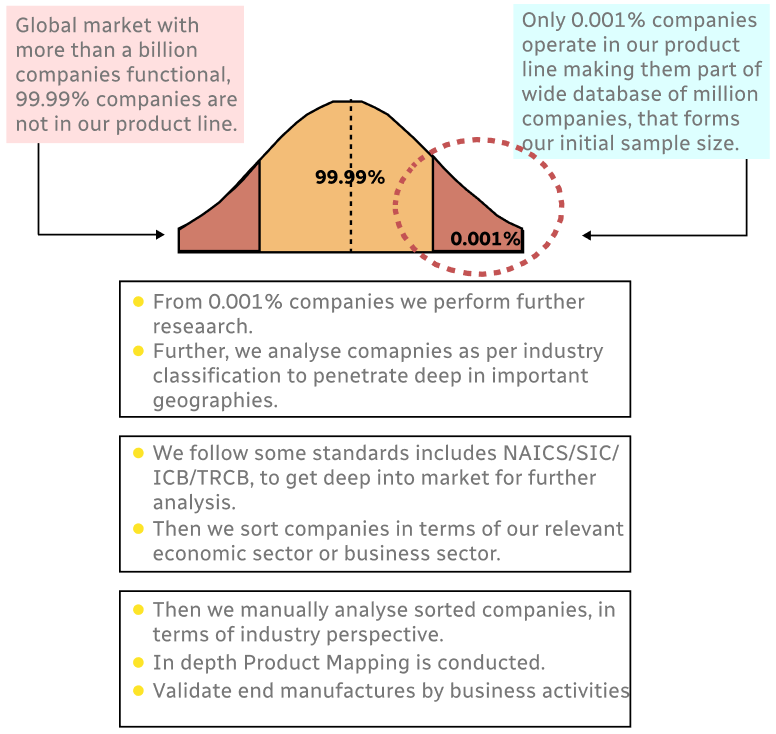
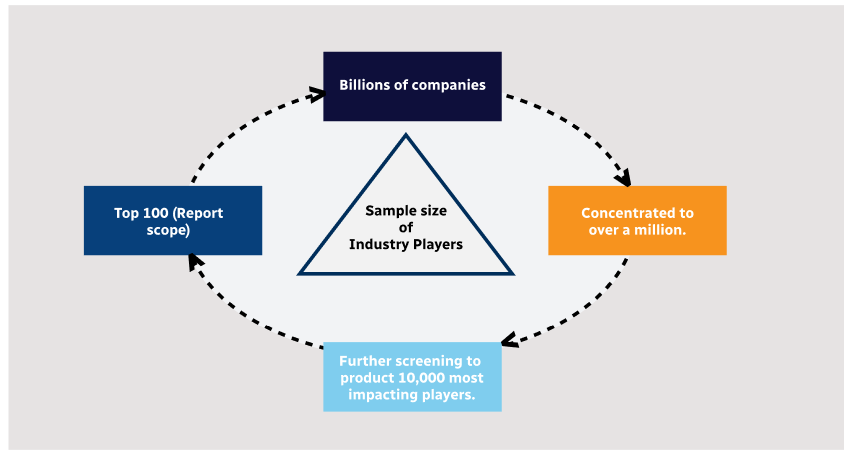
Step 1 - Identification of Relevant Samples Size from Population Database
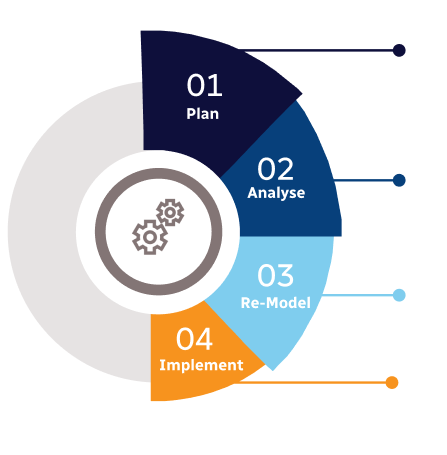
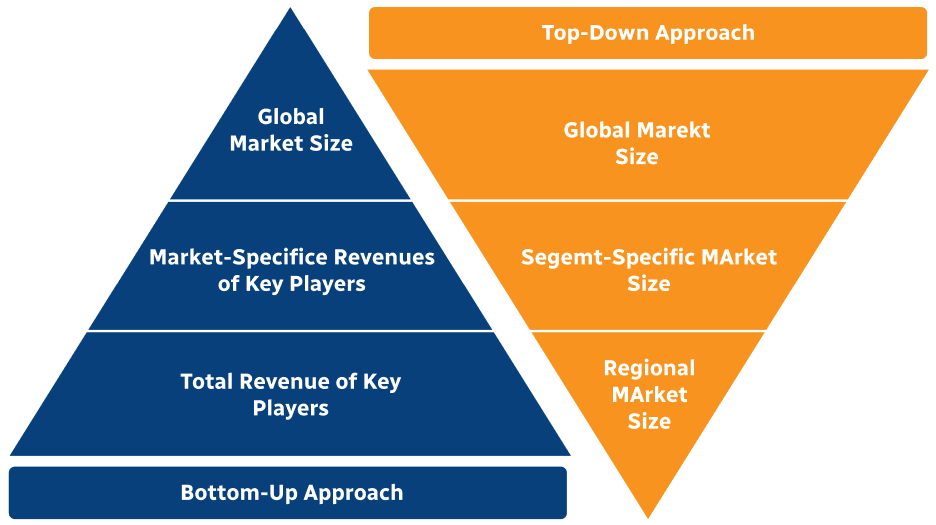
Step 2 - Approaches for Defining Global Market Size (Value, Volume* & Price*)
Note*: In applicable scenarios
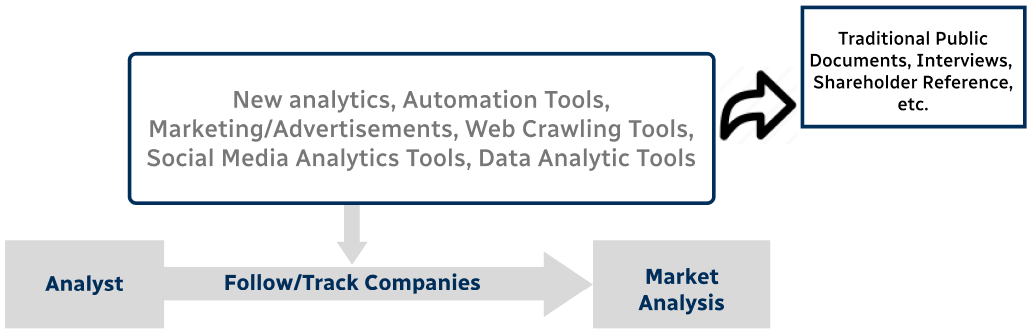
Step 3 - Data Sources
Primary Research
- Web Analytics
- Survey Reports
- Research Institute
- Latest Research Reports
- Opinion Leaders
Secondary Research
- Annual Reports
- White Paper
- Latest Press Release
- Industry Association
- Paid Database
- Investor Presentations
Step 4 - Data Triangulation
Involves using different sources of information in order to increase the validity of a study
These sources are likely to be stakeholders in a program - participants, other researchers, program staff, other community members, and so on.
Then we put all data in single framework & apply various statistical tools to find out the dynamic on the market.
During the analysis stage, feedback from the stakeholder groups would be compared to determine areas of agreement as well as areas of divergence