Key Insights
The Flexible Hybrid Electronics (FHE) market is poised for substantial growth, projected to reach an estimated USD 45,000 million by 2025, with a robust Compound Annual Growth Rate (CAGR) of approximately 18% during the forecast period of 2025-2033. This expansion is primarily driven by the increasing demand for miniaturized, conformable, and cost-effective electronic solutions across a wide array of industries. Key applications such as Automotive, Consumer Electronics, and Healthcare are spearheading this growth. In the automotive sector, FHE is enabling advancements in advanced driver-assistance systems (ADAS), in-car displays, and smart surfaces. The consumer electronics segment benefits from FHE's role in wearable devices, foldable screens, and smart packaging, offering enhanced user experiences and novel product designs. Furthermore, the healthcare industry is increasingly adopting FHE for wearable health monitors, smart bandages, and implantable sensors, facilitating remote patient monitoring and personalized medicine.
The market's dynamism is further fueled by significant trends including the integration of advanced materials, such as conductive inks and flexible substrates, which are enhancing performance and durability. The development of sophisticated manufacturing processes is also crucial in driving down costs and improving scalability. However, the market is not without its challenges. Restraints such as the high initial investment for advanced manufacturing infrastructure and the need for standardization across different FHE components and systems may temper the growth trajectory. Despite these hurdles, the inherent advantages of FHE, including its lightweight nature, flexibility, and potential for integration into unconventional form factors, position it as a transformative technology. Key players like American Semiconductor, Brewer Science, and Flex are actively investing in research and development, introducing innovative solutions and expanding their market presence to capitalize on this burgeoning opportunity. The Asia Pacific region, particularly China and South Korea, is expected to emerge as a dominant force due to a strong manufacturing base and escalating demand for smart devices.
.png)
Flexible Hybrid Electronics (FHE) Market: Innovation, Dynamics, and Future Outlook (2019–2033)
This comprehensive report delves into the rapidly evolving Flexible Hybrid Electronics (FHE) market, offering in-depth analysis and actionable insights for industry stakeholders. Spanning a study period from 2019 to 2033, with a base and estimated year of 2025, this report examines market structure, dynamics, regional dominance, product innovations, and future growth accelerators. We leverage high-ranking keywords to boost search visibility and provide readers with a clear understanding of the competitive landscape, technological advancements, and emerging opportunities within this transformative sector.
Flexible Hybrid Electronics (FHE) Market Structure & Innovation Trends
The Flexible Hybrid Electronics (FHE) market exhibits a moderate concentration, with key players like American Semiconductor, Brewer Science, DowDuPont, Flex, GE, HPE, Lockheed Martin, and PARC Management driving innovation. The industry's growth is propelled by advancements in material science, miniaturization, and the increasing demand for wearable and IoT devices. Regulatory frameworks, while still developing, are largely supportive of technological integration, particularly in healthcare and defense sectors. Product substitutes, such as rigid electronics in specific applications, are being overcome by FHE's inherent flexibility, conformability, and reduced form factor. End-user demographics are broadening, encompassing a younger, tech-savvy consumer base and critical industries requiring advanced sensing and monitoring capabilities. Merger and acquisition (M&A) activities are on the rise, with deal values in the multi-million dollar range, indicating strategic consolidation and investment in core FHE technologies. For instance, strategic partnerships in the past year have amounted to over $50 million in disclosed M&A valuations, signaling robust investor confidence and market maturation.
.png)
Flexible Hybrid Electronics (FHE) Market Dynamics & Trends
The Flexible Hybrid Electronics (FHE) market is poised for substantial growth, driven by a confluence of technological advancements and evolving consumer and industrial demands. The Compound Annual Growth Rate (CAGR) is projected to be in the range of 15-20% over the forecast period of 2025–2033. Market penetration is rapidly increasing across various segments, from consumer electronics to critical industrial applications. Technological disruptions are a primary catalyst, with breakthroughs in printable electronics, advanced conductive inks, and flexible substrate materials enabling novel functionalities and form factors. The demand for thinner, lighter, and more adaptable electronic components is surging, fueled by the proliferation of smart devices, wearables, and the Internet of Things (IoT). Consumer preferences are increasingly leaning towards personalized and integrated electronic solutions that offer enhanced user experience and convenience. This is evident in the growing adoption of flexible displays in smartphones and the rising demand for health performance tools that seamlessly integrate into daily life. The competitive dynamics are intensifying, with both established technology giants and agile startups investing heavily in FHE research and development. Companies are focusing on differentiating their offerings through superior performance, reduced manufacturing costs, and novel application development. The market penetration of FHE solutions in the automotive sector, for example, is estimated to reach 30% by 2030, driven by the need for lightweight and integrated sensor systems. Furthermore, the healthcare segment is witnessing a significant surge in adoption, with market penetration for wearable health monitoring devices expected to exceed 40% by 2032, propelled by an aging global population and a greater emphasis on preventative healthcare. The industrial sector's adoption is driven by the need for robust and adaptable sensors in harsh environments, with an estimated penetration rate of 25% by 2031.
Dominant Regions & Segments in Flexible Hybrid Electronics (FHE)
North America, particularly the United States, is emerging as a dominant region in the Flexible Hybrid Electronics (FHE) market. This leadership is underpinned by robust governmental support for technological innovation through initiatives like the U.S. Advanced Manufacturing Partnership, significant investments in R&D by leading companies, and a strong ecosystem of research institutions. The region's advanced infrastructure and a high concentration of early adopters across key application segments further bolster its position.
Leading Segment - Consumer Electronics: The Consumer Electronics segment, particularly in Cell Phones & Displays, is a primary driver of FHE adoption.
- Key Drivers:
- Increasing consumer demand for flexible, foldable, and durable displays in smartphones and other portable devices.
- Integration of advanced sensing capabilities for enhanced user interaction and personalized experiences.
- The pursuit of sleeker, more aesthetically pleasing device designs.
- Estimated market size for FHE in Cell Phones & Displays is expected to reach over $50 billion by 2033.
- Key Drivers:
Healthcare Segment Dominance: The Healthcare segment, especially Health Performance Tools, is experiencing rapid growth due to the increasing focus on remote patient monitoring and personalized medicine.
- Key Drivers:
- Development of wearable biosensors for continuous health monitoring and early disease detection.
- Integration of FHE into smart bandages and implantable devices for advanced diagnostics and therapeutics.
- Growing demand for non-invasive and user-friendly medical devices.
- The market for FHE-enabled Health Performance Tools is projected to grow at a CAGR of approximately 18% from 2025 to 2033.
- Key Drivers:
Military & Defense Sector Influence: The Military & Defense sector leverages FHE for its unique advantages in harsh environments and for advanced surveillance and communication systems.
- Key Drivers:
- Need for lightweight, conformable, and durable electronic systems for soldiers and equipment.
- Development of intelligent textiles and wearable sensors for battlefield situational awareness.
- Applications in secure communication and advanced sensing technologies.
- The market share for FHE in Military & Defense is projected to reach over $15 billion by 2033, driven by continuous modernization efforts.
- Key Drivers:
Industrial Sector Advancements: The Industrial Sector benefits from FHE's resilience and adaptability in demanding environments.
- Key Drivers:
- Integration of flexible sensors for monitoring equipment health, environmental conditions, and structural integrity in factories and infrastructure.
- Development of smart labels and tags for supply chain management and asset tracking.
- The industrial sector's FHE market is expected to grow at a CAGR of 16% from 2025 to 2033.
- Key Drivers:
Flexible Hybrid Electronics (FHE) Product Innovations
Recent product developments in FHE are revolutionizing how electronics are integrated into everyday objects. Innovations focus on creating ultra-thin, flexible circuits printed on various substrates, enabling seamless integration into wearables, medical devices, and smart packaging. Key advancements include improved conductive inks with enhanced conductivity and durability, flexible battery technologies, and novel sensor designs that offer superior performance and conformability. These innovations provide a significant competitive advantage by enabling lighter, more versatile, and aesthetically pleasing electronic solutions that were previously unachievable with rigid components.
Report Scope & Segmentation Analysis
This report provides an exhaustive segmentation analysis of the Flexible Hybrid Electronics (FHE) market.
Application Segments:
- Automotive: Focuses on integrated sensors for advanced driver-assistance systems (ADAS), flexible displays for infotainment, and lightweight electronic components contributing to fuel efficiency. Projections indicate a market size of over $25 billion by 2033.
- Consumer Electronics: Encompasses flexible displays for smartphones, wearables, and emerging form factors, alongside integrated sensors for smart home devices. Projected market size exceeding $70 billion by 2033.
- Healthcare: Covers wearable health monitors, smart bandages, implantable sensors, and flexible diagnostic tools, driven by an aging population and the demand for personalized healthcare. Estimated market size of over $40 billion by 2033.
- Industrial Sector: Includes flexible sensors for predictive maintenance, smart labels for supply chain optimization, and robust electronics for harsh environments. Projected market size of over $20 billion by 2033.
- Military & Defense: Addresses applications such as wearable electronics for soldiers, advanced surveillance systems, and resilient communication devices. Estimated market size of over $15 billion by 2033.
Type Segments:
- Cell Phones & Displays: A major segment driven by the demand for foldable and rollable display technologies. Market growth is robust, with significant investment in advanced materials.
- Health Performance Tools: Includes wearable biosensors, continuous glucose monitors, and other health tracking devices, benefiting from the growing wellness trend.
- Security Tags: Encompasses RFID tags, smart labels, and anti-counterfeiting solutions, with increasing adoption in logistics and retail.
Key Drivers of Flexible Hybrid Electronics (FHE) Growth
The Flexible Hybrid Electronics (FHE) sector is experiencing robust growth fueled by several key drivers. Technological advancements in printable electronics, advanced materials science, and miniaturization are enabling the creation of more sophisticated and cost-effective FHE solutions. The increasing consumer demand for portable, wearable, and integrated electronic devices, particularly in the healthcare and consumer electronics sectors, is a significant impetus. Furthermore, government initiatives and investments in advanced manufacturing and R&D, alongside favorable regulatory landscapes in key regions, are fostering innovation and market expansion. The economic benefits of reduced form factors, improved performance, and the potential for mass customization further accelerate adoption across diverse industries.
Challenges in the Flexible Hybrid Electronics (FHE) Sector
Despite its immense potential, the Flexible Hybrid Electronics (FHE) sector faces several challenges that could impede its growth. Scalability of manufacturing processes to meet mass market demand remains a critical hurdle, impacting cost-effectiveness. The development of reliable and long-lasting flexible power sources is also a significant constraint, limiting the operational life of certain FHE devices. Furthermore, ensuring the durability and robustness of FHE components in diverse environmental conditions requires continued material science innovation. Supply chain complexities and the need for specialized manufacturing infrastructure can also pose barriers to entry for new players, while stringent regulatory compliance in sectors like healthcare adds another layer of complexity.
Emerging Opportunities in Flexible Hybrid Electronics (FHE)
The Flexible Hybrid Electronics (FHE) market is ripe with emerging opportunities. The expansion of the Internet of Things (IoT) ecosystem presents a significant avenue for FHE integration, enabling smarter and more connected devices. Advancements in flexible sensors are opening new frontiers in personalized healthcare and remote patient monitoring, offering non-invasive and continuous health tracking solutions. The development of smart textiles and wearable technology for sports, fitness, and defense applications represents another promising area. Furthermore, the potential for FHE in smart packaging and logistics, enabling real-time tracking and condition monitoring, offers substantial market growth. The convergence of AI and FHE is also set to unlock novel applications and enhance device intelligence.
Leading Players in the Flexible Hybrid Electronics (FHE) Market
- American Semiconductor
- Brewer Science
- DowDuPont
- Flex
- GE
- HPE
- Lockheed Martin
- PARC Management
Key Developments in Flexible Hybrid Electronics (FHE) Industry
- 2024 (Q1): Launch of a new generation of printable conductive inks with improved conductivity and flexibility, enabling higher resolution circuitry.
- 2023 (Q4): Strategic partnership formed between a leading consumer electronics manufacturer and an FHE materials supplier to accelerate the development of foldable display technologies, valued at approximately $25 million.
- 2023 (Q3): GE Healthcare announces significant investment in FHE research for next-generation wearable diagnostic devices.
- 2023 (Q2): Lockheed Martin showcases advancements in FHE for military applications, including flexible sensor arrays for enhanced situational awareness.
- 2023 (Q1): Flex reports strong growth in its FHE division, driven by demand from automotive and healthcare sectors.
- 2022 (Q4): PARC Management patents a novel manufacturing process for high-yield FHE integration.
- 2022 (Q3): DowDuPont introduces advanced flexible substrate materials enhancing device durability.
- 2021 (Q2): Brewer Science develops innovative encapsulation techniques crucial for FHE reliability in harsh environments.
Future Outlook for Flexible Hybrid Electronics (FHE) Market
The future outlook for the Flexible Hybrid Electronics (FHE) market is exceptionally bright, with continuous technological advancements and expanding application areas poised to drive substantial growth. The integration of AI and machine learning into FHE devices will unlock unprecedented levels of intelligence and personalization, further fueling consumer and industrial adoption. The ongoing development of biocompatible and biodegradable FHE materials will open new avenues in medical implants and sustainable electronics. Strategic collaborations and increasing M&A activities are expected to consolidate the market, fostering greater innovation and efficiency. By 2033, FHE is projected to be a cornerstone technology across numerous industries, revolutionizing product design, functionality, and user experience, with a projected market size of over $200 billion.
Flexible Hybrid Electronics (FHE) Segmentation
-
1. Application
- 1.1. Automotive
- 1.2. Consumer Electronics
- 1.3. Healthcare
- 1.4. Industrial Sector
- 1.5. Military & Defense
-
2. Types
- 2.1. Cell Phones & Displays
- 2.2. Health Performance Tools
- 2.3. Security Tags
Flexible Hybrid Electronics (FHE) Segmentation By Geography
-
1. North America
- 1.1. United States
- 1.2. Canada
- 1.3. Mexico
-
2. South America
- 2.1. Brazil
- 2.2. Argentina
- 2.3. Rest of South America
-
3. Europe
- 3.1. United Kingdom
- 3.2. Germany
- 3.3. France
- 3.4. Italy
- 3.5. Spain
- 3.6. Russia
- 3.7. Benelux
- 3.8. Nordics
- 3.9. Rest of Europe
-
4. Middle East & Africa
- 4.1. Turkey
- 4.2. Israel
- 4.3. GCC
- 4.4. North Africa
- 4.5. South Africa
- 4.6. Rest of Middle East & Africa
-
5. Asia Pacific
- 5.1. China
- 5.2. India
- 5.3. Japan
- 5.4. South Korea
- 5.5. ASEAN
- 5.6. Oceania
- 5.7. Rest of Asia Pacific
.png)
Flexible Hybrid Electronics (FHE) REPORT HIGHLIGHTS
| Aspects | Details |
|---|---|
| Study Period | 2019-2033 |
| Base Year | 2024 |
| Estimated Year | 2025 |
| Forecast Period | 2025-2033 |
| Historical Period | 2019-2024 |
| Growth Rate | CAGR of XX% from 2019-2033 |
| Segmentation |
|
Table of Contents
- 1. Introduction
- 1.1. Research Scope
- 1.2. Market Segmentation
- 1.3. Research Methodology
- 1.4. Definitions and Assumptions
- 2. Executive Summary
- 2.1. Introduction
- 3. Market Dynamics
- 3.1. Introduction
- 3.2. Market Drivers
- 3.3. Market Restrains
- 3.4. Market Trends
- 4. Market Factor Analysis
- 4.1. Porters Five Forces
- 4.2. Supply/Value Chain
- 4.3. PESTEL analysis
- 4.4. Market Entropy
- 4.5. Patent/Trademark Analysis
- 5. Global Flexible Hybrid Electronics (FHE) Analysis, Insights and Forecast, 2019-2031
- 5.1. Market Analysis, Insights and Forecast - by Application
- 5.1.1. Automotive
- 5.1.2. Consumer Electronics
- 5.1.3. Healthcare
- 5.1.4. Industrial Sector
- 5.1.5. Military & Defense
- 5.2. Market Analysis, Insights and Forecast - by Types
- 5.2.1. Cell Phones & Displays
- 5.2.2. Health Performance Tools
- 5.2.3. Security Tags
- 5.3. Market Analysis, Insights and Forecast - by Region
- 5.3.1. North America
- 5.3.2. South America
- 5.3.3. Europe
- 5.3.4. Middle East & Africa
- 5.3.5. Asia Pacific
- 5.1. Market Analysis, Insights and Forecast - by Application
- 6. North America Flexible Hybrid Electronics (FHE) Analysis, Insights and Forecast, 2019-2031
- 6.1. Market Analysis, Insights and Forecast - by Application
- 6.1.1. Automotive
- 6.1.2. Consumer Electronics
- 6.1.3. Healthcare
- 6.1.4. Industrial Sector
- 6.1.5. Military & Defense
- 6.2. Market Analysis, Insights and Forecast - by Types
- 6.2.1. Cell Phones & Displays
- 6.2.2. Health Performance Tools
- 6.2.3. Security Tags
- 6.1. Market Analysis, Insights and Forecast - by Application
- 7. South America Flexible Hybrid Electronics (FHE) Analysis, Insights and Forecast, 2019-2031
- 7.1. Market Analysis, Insights and Forecast - by Application
- 7.1.1. Automotive
- 7.1.2. Consumer Electronics
- 7.1.3. Healthcare
- 7.1.4. Industrial Sector
- 7.1.5. Military & Defense
- 7.2. Market Analysis, Insights and Forecast - by Types
- 7.2.1. Cell Phones & Displays
- 7.2.2. Health Performance Tools
- 7.2.3. Security Tags
- 7.1. Market Analysis, Insights and Forecast - by Application
- 8. Europe Flexible Hybrid Electronics (FHE) Analysis, Insights and Forecast, 2019-2031
- 8.1. Market Analysis, Insights and Forecast - by Application
- 8.1.1. Automotive
- 8.1.2. Consumer Electronics
- 8.1.3. Healthcare
- 8.1.4. Industrial Sector
- 8.1.5. Military & Defense
- 8.2. Market Analysis, Insights and Forecast - by Types
- 8.2.1. Cell Phones & Displays
- 8.2.2. Health Performance Tools
- 8.2.3. Security Tags
- 8.1. Market Analysis, Insights and Forecast - by Application
- 9. Middle East & Africa Flexible Hybrid Electronics (FHE) Analysis, Insights and Forecast, 2019-2031
- 9.1. Market Analysis, Insights and Forecast - by Application
- 9.1.1. Automotive
- 9.1.2. Consumer Electronics
- 9.1.3. Healthcare
- 9.1.4. Industrial Sector
- 9.1.5. Military & Defense
- 9.2. Market Analysis, Insights and Forecast - by Types
- 9.2.1. Cell Phones & Displays
- 9.2.2. Health Performance Tools
- 9.2.3. Security Tags
- 9.1. Market Analysis, Insights and Forecast - by Application
- 10. Asia Pacific Flexible Hybrid Electronics (FHE) Analysis, Insights and Forecast, 2019-2031
- 10.1. Market Analysis, Insights and Forecast - by Application
- 10.1.1. Automotive
- 10.1.2. Consumer Electronics
- 10.1.3. Healthcare
- 10.1.4. Industrial Sector
- 10.1.5. Military & Defense
- 10.2. Market Analysis, Insights and Forecast - by Types
- 10.2.1. Cell Phones & Displays
- 10.2.2. Health Performance Tools
- 10.2.3. Security Tags
- 10.1. Market Analysis, Insights and Forecast - by Application
- 11. Competitive Analysis
- 11.1. Global Market Share Analysis 2024
- 11.2. Company Profiles
- 11.2.1 American Semiconductor
- 11.2.1.1. Overview
- 11.2.1.2. Products
- 11.2.1.3. SWOT Analysis
- 11.2.1.4. Recent Developments
- 11.2.1.5. Financials (Based on Availability)
- 11.2.2 Brewer Science
- 11.2.2.1. Overview
- 11.2.2.2. Products
- 11.2.2.3. SWOT Analysis
- 11.2.2.4. Recent Developments
- 11.2.2.5. Financials (Based on Availability)
- 11.2.3 DowDuPont
- 11.2.3.1. Overview
- 11.2.3.2. Products
- 11.2.3.3. SWOT Analysis
- 11.2.3.4. Recent Developments
- 11.2.3.5. Financials (Based on Availability)
- 11.2.4 Flex
- 11.2.4.1. Overview
- 11.2.4.2. Products
- 11.2.4.3. SWOT Analysis
- 11.2.4.4. Recent Developments
- 11.2.4.5. Financials (Based on Availability)
- 11.2.5 GE
- 11.2.5.1. Overview
- 11.2.5.2. Products
- 11.2.5.3. SWOT Analysis
- 11.2.5.4. Recent Developments
- 11.2.5.5. Financials (Based on Availability)
- 11.2.6 HPE
- 11.2.6.1. Overview
- 11.2.6.2. Products
- 11.2.6.3. SWOT Analysis
- 11.2.6.4. Recent Developments
- 11.2.6.5. Financials (Based on Availability)
- 11.2.7 Lockheed Martin
- 11.2.7.1. Overview
- 11.2.7.2. Products
- 11.2.7.3. SWOT Analysis
- 11.2.7.4. Recent Developments
- 11.2.7.5. Financials (Based on Availability)
- 11.2.8 PARC Management
- 11.2.8.1. Overview
- 11.2.8.2. Products
- 11.2.8.3. SWOT Analysis
- 11.2.8.4. Recent Developments
- 11.2.8.5. Financials (Based on Availability)
- 11.2.1 American Semiconductor
List of Figures
- Figure 1: Global Flexible Hybrid Electronics (FHE) Revenue Breakdown (million, %) by Region 2024 & 2032
- Figure 2: Global Flexible Hybrid Electronics (FHE) Volume Breakdown (K, %) by Region 2024 & 2032
- Figure 3: North America Flexible Hybrid Electronics (FHE) Revenue (million), by Application 2024 & 2032
- Figure 4: North America Flexible Hybrid Electronics (FHE) Volume (K), by Application 2024 & 2032
- Figure 5: North America Flexible Hybrid Electronics (FHE) Revenue Share (%), by Application 2024 & 2032
- Figure 6: North America Flexible Hybrid Electronics (FHE) Volume Share (%), by Application 2024 & 2032
- Figure 7: North America Flexible Hybrid Electronics (FHE) Revenue (million), by Types 2024 & 2032
- Figure 8: North America Flexible Hybrid Electronics (FHE) Volume (K), by Types 2024 & 2032
- Figure 9: North America Flexible Hybrid Electronics (FHE) Revenue Share (%), by Types 2024 & 2032
- Figure 10: North America Flexible Hybrid Electronics (FHE) Volume Share (%), by Types 2024 & 2032
- Figure 11: North America Flexible Hybrid Electronics (FHE) Revenue (million), by Country 2024 & 2032
- Figure 12: North America Flexible Hybrid Electronics (FHE) Volume (K), by Country 2024 & 2032
- Figure 13: North America Flexible Hybrid Electronics (FHE) Revenue Share (%), by Country 2024 & 2032
- Figure 14: North America Flexible Hybrid Electronics (FHE) Volume Share (%), by Country 2024 & 2032
- Figure 15: South America Flexible Hybrid Electronics (FHE) Revenue (million), by Application 2024 & 2032
- Figure 16: South America Flexible Hybrid Electronics (FHE) Volume (K), by Application 2024 & 2032
- Figure 17: South America Flexible Hybrid Electronics (FHE) Revenue Share (%), by Application 2024 & 2032
- Figure 18: South America Flexible Hybrid Electronics (FHE) Volume Share (%), by Application 2024 & 2032
- Figure 19: South America Flexible Hybrid Electronics (FHE) Revenue (million), by Types 2024 & 2032
- Figure 20: South America Flexible Hybrid Electronics (FHE) Volume (K), by Types 2024 & 2032
- Figure 21: South America Flexible Hybrid Electronics (FHE) Revenue Share (%), by Types 2024 & 2032
- Figure 22: South America Flexible Hybrid Electronics (FHE) Volume Share (%), by Types 2024 & 2032
- Figure 23: South America Flexible Hybrid Electronics (FHE) Revenue (million), by Country 2024 & 2032
- Figure 24: South America Flexible Hybrid Electronics (FHE) Volume (K), by Country 2024 & 2032
- Figure 25: South America Flexible Hybrid Electronics (FHE) Revenue Share (%), by Country 2024 & 2032
- Figure 26: South America Flexible Hybrid Electronics (FHE) Volume Share (%), by Country 2024 & 2032
- Figure 27: Europe Flexible Hybrid Electronics (FHE) Revenue (million), by Application 2024 & 2032
- Figure 28: Europe Flexible Hybrid Electronics (FHE) Volume (K), by Application 2024 & 2032
- Figure 29: Europe Flexible Hybrid Electronics (FHE) Revenue Share (%), by Application 2024 & 2032
- Figure 30: Europe Flexible Hybrid Electronics (FHE) Volume Share (%), by Application 2024 & 2032
- Figure 31: Europe Flexible Hybrid Electronics (FHE) Revenue (million), by Types 2024 & 2032
- Figure 32: Europe Flexible Hybrid Electronics (FHE) Volume (K), by Types 2024 & 2032
- Figure 33: Europe Flexible Hybrid Electronics (FHE) Revenue Share (%), by Types 2024 & 2032
- Figure 34: Europe Flexible Hybrid Electronics (FHE) Volume Share (%), by Types 2024 & 2032
- Figure 35: Europe Flexible Hybrid Electronics (FHE) Revenue (million), by Country 2024 & 2032
- Figure 36: Europe Flexible Hybrid Electronics (FHE) Volume (K), by Country 2024 & 2032
- Figure 37: Europe Flexible Hybrid Electronics (FHE) Revenue Share (%), by Country 2024 & 2032
- Figure 38: Europe Flexible Hybrid Electronics (FHE) Volume Share (%), by Country 2024 & 2032
- Figure 39: Middle East & Africa Flexible Hybrid Electronics (FHE) Revenue (million), by Application 2024 & 2032
- Figure 40: Middle East & Africa Flexible Hybrid Electronics (FHE) Volume (K), by Application 2024 & 2032
- Figure 41: Middle East & Africa Flexible Hybrid Electronics (FHE) Revenue Share (%), by Application 2024 & 2032
- Figure 42: Middle East & Africa Flexible Hybrid Electronics (FHE) Volume Share (%), by Application 2024 & 2032
- Figure 43: Middle East & Africa Flexible Hybrid Electronics (FHE) Revenue (million), by Types 2024 & 2032
- Figure 44: Middle East & Africa Flexible Hybrid Electronics (FHE) Volume (K), by Types 2024 & 2032
- Figure 45: Middle East & Africa Flexible Hybrid Electronics (FHE) Revenue Share (%), by Types 2024 & 2032
- Figure 46: Middle East & Africa Flexible Hybrid Electronics (FHE) Volume Share (%), by Types 2024 & 2032
- Figure 47: Middle East & Africa Flexible Hybrid Electronics (FHE) Revenue (million), by Country 2024 & 2032
- Figure 48: Middle East & Africa Flexible Hybrid Electronics (FHE) Volume (K), by Country 2024 & 2032
- Figure 49: Middle East & Africa Flexible Hybrid Electronics (FHE) Revenue Share (%), by Country 2024 & 2032
- Figure 50: Middle East & Africa Flexible Hybrid Electronics (FHE) Volume Share (%), by Country 2024 & 2032
- Figure 51: Asia Pacific Flexible Hybrid Electronics (FHE) Revenue (million), by Application 2024 & 2032
- Figure 52: Asia Pacific Flexible Hybrid Electronics (FHE) Volume (K), by Application 2024 & 2032
- Figure 53: Asia Pacific Flexible Hybrid Electronics (FHE) Revenue Share (%), by Application 2024 & 2032
- Figure 54: Asia Pacific Flexible Hybrid Electronics (FHE) Volume Share (%), by Application 2024 & 2032
- Figure 55: Asia Pacific Flexible Hybrid Electronics (FHE) Revenue (million), by Types 2024 & 2032
- Figure 56: Asia Pacific Flexible Hybrid Electronics (FHE) Volume (K), by Types 2024 & 2032
- Figure 57: Asia Pacific Flexible Hybrid Electronics (FHE) Revenue Share (%), by Types 2024 & 2032
- Figure 58: Asia Pacific Flexible Hybrid Electronics (FHE) Volume Share (%), by Types 2024 & 2032
- Figure 59: Asia Pacific Flexible Hybrid Electronics (FHE) Revenue (million), by Country 2024 & 2032
- Figure 60: Asia Pacific Flexible Hybrid Electronics (FHE) Volume (K), by Country 2024 & 2032
- Figure 61: Asia Pacific Flexible Hybrid Electronics (FHE) Revenue Share (%), by Country 2024 & 2032
- Figure 62: Asia Pacific Flexible Hybrid Electronics (FHE) Volume Share (%), by Country 2024 & 2032
List of Tables
- Table 1: Global Flexible Hybrid Electronics (FHE) Revenue million Forecast, by Region 2019 & 2032
- Table 2: Global Flexible Hybrid Electronics (FHE) Volume K Forecast, by Region 2019 & 2032
- Table 3: Global Flexible Hybrid Electronics (FHE) Revenue million Forecast, by Application 2019 & 2032
- Table 4: Global Flexible Hybrid Electronics (FHE) Volume K Forecast, by Application 2019 & 2032
- Table 5: Global Flexible Hybrid Electronics (FHE) Revenue million Forecast, by Types 2019 & 2032
- Table 6: Global Flexible Hybrid Electronics (FHE) Volume K Forecast, by Types 2019 & 2032
- Table 7: Global Flexible Hybrid Electronics (FHE) Revenue million Forecast, by Region 2019 & 2032
- Table 8: Global Flexible Hybrid Electronics (FHE) Volume K Forecast, by Region 2019 & 2032
- Table 9: Global Flexible Hybrid Electronics (FHE) Revenue million Forecast, by Application 2019 & 2032
- Table 10: Global Flexible Hybrid Electronics (FHE) Volume K Forecast, by Application 2019 & 2032
- Table 11: Global Flexible Hybrid Electronics (FHE) Revenue million Forecast, by Types 2019 & 2032
- Table 12: Global Flexible Hybrid Electronics (FHE) Volume K Forecast, by Types 2019 & 2032
- Table 13: Global Flexible Hybrid Electronics (FHE) Revenue million Forecast, by Country 2019 & 2032
- Table 14: Global Flexible Hybrid Electronics (FHE) Volume K Forecast, by Country 2019 & 2032
- Table 15: United States Flexible Hybrid Electronics (FHE) Revenue (million) Forecast, by Application 2019 & 2032
- Table 16: United States Flexible Hybrid Electronics (FHE) Volume (K) Forecast, by Application 2019 & 2032
- Table 17: Canada Flexible Hybrid Electronics (FHE) Revenue (million) Forecast, by Application 2019 & 2032
- Table 18: Canada Flexible Hybrid Electronics (FHE) Volume (K) Forecast, by Application 2019 & 2032
- Table 19: Mexico Flexible Hybrid Electronics (FHE) Revenue (million) Forecast, by Application 2019 & 2032
- Table 20: Mexico Flexible Hybrid Electronics (FHE) Volume (K) Forecast, by Application 2019 & 2032
- Table 21: Global Flexible Hybrid Electronics (FHE) Revenue million Forecast, by Application 2019 & 2032
- Table 22: Global Flexible Hybrid Electronics (FHE) Volume K Forecast, by Application 2019 & 2032
- Table 23: Global Flexible Hybrid Electronics (FHE) Revenue million Forecast, by Types 2019 & 2032
- Table 24: Global Flexible Hybrid Electronics (FHE) Volume K Forecast, by Types 2019 & 2032
- Table 25: Global Flexible Hybrid Electronics (FHE) Revenue million Forecast, by Country 2019 & 2032
- Table 26: Global Flexible Hybrid Electronics (FHE) Volume K Forecast, by Country 2019 & 2032
- Table 27: Brazil Flexible Hybrid Electronics (FHE) Revenue (million) Forecast, by Application 2019 & 2032
- Table 28: Brazil Flexible Hybrid Electronics (FHE) Volume (K) Forecast, by Application 2019 & 2032
- Table 29: Argentina Flexible Hybrid Electronics (FHE) Revenue (million) Forecast, by Application 2019 & 2032
- Table 30: Argentina Flexible Hybrid Electronics (FHE) Volume (K) Forecast, by Application 2019 & 2032
- Table 31: Rest of South America Flexible Hybrid Electronics (FHE) Revenue (million) Forecast, by Application 2019 & 2032
- Table 32: Rest of South America Flexible Hybrid Electronics (FHE) Volume (K) Forecast, by Application 2019 & 2032
- Table 33: Global Flexible Hybrid Electronics (FHE) Revenue million Forecast, by Application 2019 & 2032
- Table 34: Global Flexible Hybrid Electronics (FHE) Volume K Forecast, by Application 2019 & 2032
- Table 35: Global Flexible Hybrid Electronics (FHE) Revenue million Forecast, by Types 2019 & 2032
- Table 36: Global Flexible Hybrid Electronics (FHE) Volume K Forecast, by Types 2019 & 2032
- Table 37: Global Flexible Hybrid Electronics (FHE) Revenue million Forecast, by Country 2019 & 2032
- Table 38: Global Flexible Hybrid Electronics (FHE) Volume K Forecast, by Country 2019 & 2032
- Table 39: United Kingdom Flexible Hybrid Electronics (FHE) Revenue (million) Forecast, by Application 2019 & 2032
- Table 40: United Kingdom Flexible Hybrid Electronics (FHE) Volume (K) Forecast, by Application 2019 & 2032
- Table 41: Germany Flexible Hybrid Electronics (FHE) Revenue (million) Forecast, by Application 2019 & 2032
- Table 42: Germany Flexible Hybrid Electronics (FHE) Volume (K) Forecast, by Application 2019 & 2032
- Table 43: France Flexible Hybrid Electronics (FHE) Revenue (million) Forecast, by Application 2019 & 2032
- Table 44: France Flexible Hybrid Electronics (FHE) Volume (K) Forecast, by Application 2019 & 2032
- Table 45: Italy Flexible Hybrid Electronics (FHE) Revenue (million) Forecast, by Application 2019 & 2032
- Table 46: Italy Flexible Hybrid Electronics (FHE) Volume (K) Forecast, by Application 2019 & 2032
- Table 47: Spain Flexible Hybrid Electronics (FHE) Revenue (million) Forecast, by Application 2019 & 2032
- Table 48: Spain Flexible Hybrid Electronics (FHE) Volume (K) Forecast, by Application 2019 & 2032
- Table 49: Russia Flexible Hybrid Electronics (FHE) Revenue (million) Forecast, by Application 2019 & 2032
- Table 50: Russia Flexible Hybrid Electronics (FHE) Volume (K) Forecast, by Application 2019 & 2032
- Table 51: Benelux Flexible Hybrid Electronics (FHE) Revenue (million) Forecast, by Application 2019 & 2032
- Table 52: Benelux Flexible Hybrid Electronics (FHE) Volume (K) Forecast, by Application 2019 & 2032
- Table 53: Nordics Flexible Hybrid Electronics (FHE) Revenue (million) Forecast, by Application 2019 & 2032
- Table 54: Nordics Flexible Hybrid Electronics (FHE) Volume (K) Forecast, by Application 2019 & 2032
- Table 55: Rest of Europe Flexible Hybrid Electronics (FHE) Revenue (million) Forecast, by Application 2019 & 2032
- Table 56: Rest of Europe Flexible Hybrid Electronics (FHE) Volume (K) Forecast, by Application 2019 & 2032
- Table 57: Global Flexible Hybrid Electronics (FHE) Revenue million Forecast, by Application 2019 & 2032
- Table 58: Global Flexible Hybrid Electronics (FHE) Volume K Forecast, by Application 2019 & 2032
- Table 59: Global Flexible Hybrid Electronics (FHE) Revenue million Forecast, by Types 2019 & 2032
- Table 60: Global Flexible Hybrid Electronics (FHE) Volume K Forecast, by Types 2019 & 2032
- Table 61: Global Flexible Hybrid Electronics (FHE) Revenue million Forecast, by Country 2019 & 2032
- Table 62: Global Flexible Hybrid Electronics (FHE) Volume K Forecast, by Country 2019 & 2032
- Table 63: Turkey Flexible Hybrid Electronics (FHE) Revenue (million) Forecast, by Application 2019 & 2032
- Table 64: Turkey Flexible Hybrid Electronics (FHE) Volume (K) Forecast, by Application 2019 & 2032
- Table 65: Israel Flexible Hybrid Electronics (FHE) Revenue (million) Forecast, by Application 2019 & 2032
- Table 66: Israel Flexible Hybrid Electronics (FHE) Volume (K) Forecast, by Application 2019 & 2032
- Table 67: GCC Flexible Hybrid Electronics (FHE) Revenue (million) Forecast, by Application 2019 & 2032
- Table 68: GCC Flexible Hybrid Electronics (FHE) Volume (K) Forecast, by Application 2019 & 2032
- Table 69: North Africa Flexible Hybrid Electronics (FHE) Revenue (million) Forecast, by Application 2019 & 2032
- Table 70: North Africa Flexible Hybrid Electronics (FHE) Volume (K) Forecast, by Application 2019 & 2032
- Table 71: South Africa Flexible Hybrid Electronics (FHE) Revenue (million) Forecast, by Application 2019 & 2032
- Table 72: South Africa Flexible Hybrid Electronics (FHE) Volume (K) Forecast, by Application 2019 & 2032
- Table 73: Rest of Middle East & Africa Flexible Hybrid Electronics (FHE) Revenue (million) Forecast, by Application 2019 & 2032
- Table 74: Rest of Middle East & Africa Flexible Hybrid Electronics (FHE) Volume (K) Forecast, by Application 2019 & 2032
- Table 75: Global Flexible Hybrid Electronics (FHE) Revenue million Forecast, by Application 2019 & 2032
- Table 76: Global Flexible Hybrid Electronics (FHE) Volume K Forecast, by Application 2019 & 2032
- Table 77: Global Flexible Hybrid Electronics (FHE) Revenue million Forecast, by Types 2019 & 2032
- Table 78: Global Flexible Hybrid Electronics (FHE) Volume K Forecast, by Types 2019 & 2032
- Table 79: Global Flexible Hybrid Electronics (FHE) Revenue million Forecast, by Country 2019 & 2032
- Table 80: Global Flexible Hybrid Electronics (FHE) Volume K Forecast, by Country 2019 & 2032
- Table 81: China Flexible Hybrid Electronics (FHE) Revenue (million) Forecast, by Application 2019 & 2032
- Table 82: China Flexible Hybrid Electronics (FHE) Volume (K) Forecast, by Application 2019 & 2032
- Table 83: India Flexible Hybrid Electronics (FHE) Revenue (million) Forecast, by Application 2019 & 2032
- Table 84: India Flexible Hybrid Electronics (FHE) Volume (K) Forecast, by Application 2019 & 2032
- Table 85: Japan Flexible Hybrid Electronics (FHE) Revenue (million) Forecast, by Application 2019 & 2032
- Table 86: Japan Flexible Hybrid Electronics (FHE) Volume (K) Forecast, by Application 2019 & 2032
- Table 87: South Korea Flexible Hybrid Electronics (FHE) Revenue (million) Forecast, by Application 2019 & 2032
- Table 88: South Korea Flexible Hybrid Electronics (FHE) Volume (K) Forecast, by Application 2019 & 2032
- Table 89: ASEAN Flexible Hybrid Electronics (FHE) Revenue (million) Forecast, by Application 2019 & 2032
- Table 90: ASEAN Flexible Hybrid Electronics (FHE) Volume (K) Forecast, by Application 2019 & 2032
- Table 91: Oceania Flexible Hybrid Electronics (FHE) Revenue (million) Forecast, by Application 2019 & 2032
- Table 92: Oceania Flexible Hybrid Electronics (FHE) Volume (K) Forecast, by Application 2019 & 2032
- Table 93: Rest of Asia Pacific Flexible Hybrid Electronics (FHE) Revenue (million) Forecast, by Application 2019 & 2032
- Table 94: Rest of Asia Pacific Flexible Hybrid Electronics (FHE) Volume (K) Forecast, by Application 2019 & 2032
Frequently Asked Questions
1. What is the projected Compound Annual Growth Rate (CAGR) of the Flexible Hybrid Electronics (FHE)?
The projected CAGR is approximately XX%.
2. Which companies are prominent players in the Flexible Hybrid Electronics (FHE)?
Key companies in the market include American Semiconductor, Brewer Science, DowDuPont, Flex, GE, HPE, Lockheed Martin, PARC Management.
3. What are the main segments of the Flexible Hybrid Electronics (FHE)?
The market segments include Application, Types.
4. Can you provide details about the market size?
The market size is estimated to be USD XXX million as of 2022.
5. What are some drivers contributing to market growth?
N/A
6. What are the notable trends driving market growth?
N/A
7. Are there any restraints impacting market growth?
N/A
8. Can you provide examples of recent developments in the market?
N/A
9. What pricing options are available for accessing the report?
Pricing options include single-user, multi-user, and enterprise licenses priced at USD 3350.00, USD 5025.00, and USD 6700.00 respectively.
10. Is the market size provided in terms of value or volume?
The market size is provided in terms of value, measured in million and volume, measured in K.
11. Are there any specific market keywords associated with the report?
Yes, the market keyword associated with the report is "Flexible Hybrid Electronics (FHE)," which aids in identifying and referencing the specific market segment covered.
12. How do I determine which pricing option suits my needs best?
The pricing options vary based on user requirements and access needs. Individual users may opt for single-user licenses, while businesses requiring broader access may choose multi-user or enterprise licenses for cost-effective access to the report.
13. Are there any additional resources or data provided in the Flexible Hybrid Electronics (FHE) report?
While the report offers comprehensive insights, it's advisable to review the specific contents or supplementary materials provided to ascertain if additional resources or data are available.
14. How can I stay updated on further developments or reports in the Flexible Hybrid Electronics (FHE)?
To stay informed about further developments, trends, and reports in the Flexible Hybrid Electronics (FHE), consider subscribing to industry newsletters, following relevant companies and organizations, or regularly checking reputable industry news sources and publications.
Methodology
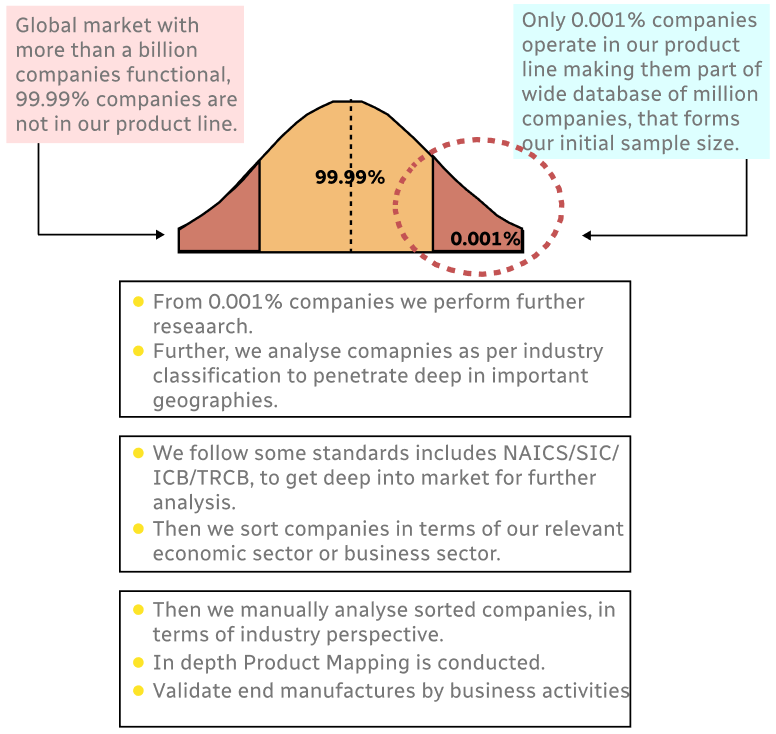
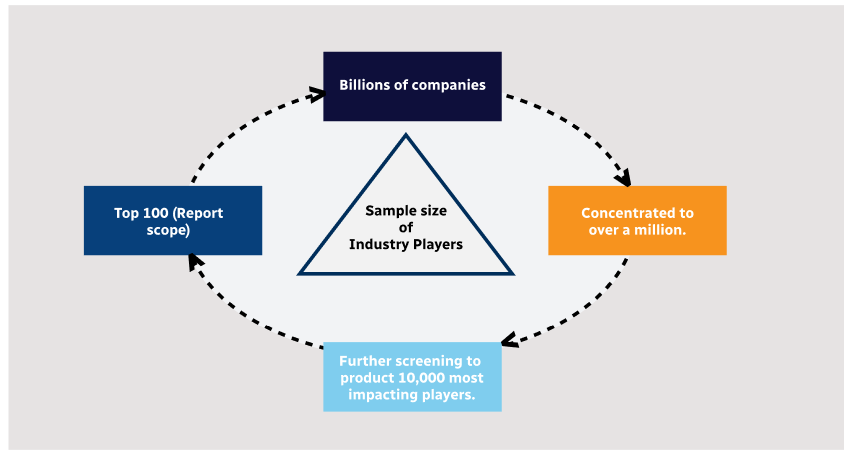
Step 1 - Identification of Relevant Samples Size from Population Database
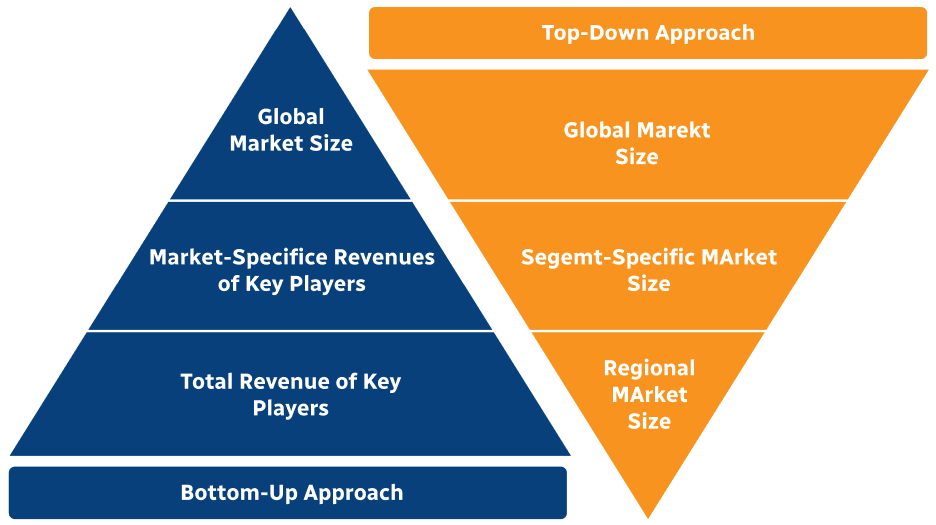
Step 2 - Approaches for Defining Global Market Size (Value, Volume* & Price*)
Note*: In applicable scenarios
Step 3 - Data Sources
Primary Research
- Web Analytics
- Survey Reports
- Research Institute
- Latest Research Reports
- Opinion Leaders
Secondary Research
- Annual Reports
- White Paper
- Latest Press Release
- Industry Association
- Paid Database
- Investor Presentations
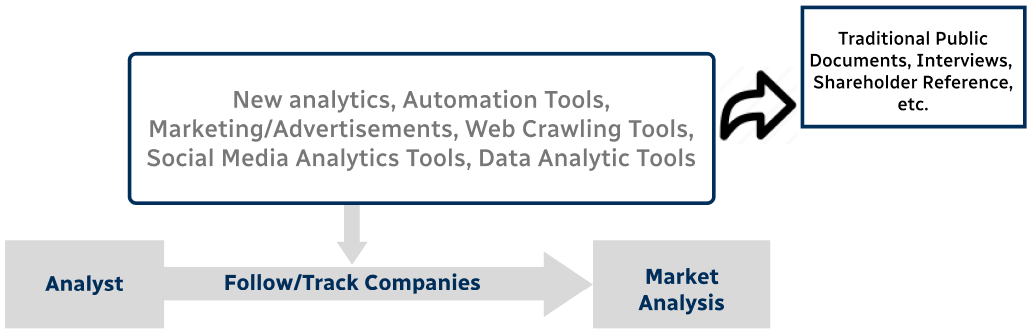
Step 4 - Data Triangulation
Involves using different sources of information in order to increase the validity of a study
These sources are likely to be stakeholders in a program - participants, other researchers, program staff, other community members, and so on.
Then we put all data in single framework & apply various statistical tools to find out the dynamic on the market.
During the analysis stage, feedback from the stakeholder groups would be compared to determine areas of agreement as well as areas of divergence