Key Insights
The Middle East and Africa (MEA) nanosensors market is experiencing rapid growth, driven by increasing investments in healthcare, automotive, and industrial sectors across the region. The market, currently valued in the hundreds of millions (precise figures require further data but a reasonable estimate based on global trends and a 65.32% CAGR would place it in this range), is projected to maintain a robust Compound Annual Growth Rate (CAGR) of approximately 60% through 2033. This expansion is fueled by several key factors. Firstly, the rising adoption of advanced technologies like IoT and Industry 4.0 necessitates highly sensitive and precise sensors, making nanosensors a crucial component. Secondly, the healthcare sector in the MEA region is undergoing modernization, leading to a surge in demand for biosensors for diagnostics and personalized medicine. Thirdly, the burgeoning automotive industry in the region, particularly in countries like Saudi Arabia and the UAE, is driving the adoption of nanosensors for enhanced safety and performance features in vehicles. Furthermore, governmental initiatives supporting technological advancement and diversification of economies contribute significantly to the market's growth trajectory.
However, certain challenges remain. The high initial investment costs associated with nanosensor technology can be a barrier to entry for smaller players, and a lack of skilled workforce capable of designing and implementing these technologies could hinder market growth. Furthermore, regulatory hurdles and concerns regarding data security and privacy relating to the increasing use of data-generating sensors need to be addressed. Despite these challenges, the long-term outlook for the MEA nanosensors market remains positive, with substantial growth potential across diverse applications and industries. The market is segmented by sensor type (Force, Bio, Radiation, Chemical, Thermal) and industry (Consumer Electronics, Power Generation, Automotive, Petrochemical, Aerospace & Defense, Healthcare, Industrial). Significant growth is expected within the healthcare and automotive sectors, coupled with expansion in countries beyond the already established markets of Saudi Arabia, UAE, and Israel.
This comprehensive report provides a detailed analysis of the Middle East and Africa nanosensors market, offering invaluable insights for industry professionals, investors, and strategic planners. Covering the period 2019-2033, with a focus on 2025, this report unveils market dynamics, growth drivers, challenges, and emerging opportunities across various segments and geographies. The report leverages extensive market research and data analysis to offer actionable strategies for success in this rapidly evolving sector.

Middle-East and Africa Nanosensors Market Structure & Innovation Trends
This section analyzes the competitive landscape, innovation drivers, and regulatory influences shaping the Middle East and Africa nanosensors market. Market concentration is assessed, highlighting the market share held by key players such as Honeywell International Inc, Denso Corporation, Texas Instruments, and others. The report also examines mergers and acquisitions (M&A) activities, providing an overview of deal values and their impact on market dynamics. Innovation drivers, including government initiatives and technological advancements, are discussed alongside regulatory frameworks and the influence of product substitutes. End-user demographics and their evolving needs are analyzed, providing a holistic understanding of the market structure.
- Market Concentration: The market is moderately concentrated, with the top 5 players holding approximately xx% of the market share in 2025.
- M&A Activity: The past five years have witnessed xx M&A deals, with a total estimated value of $xx Million.
- Innovation Drivers: Government investments in R&D, coupled with increasing demand for advanced sensor technologies across various industries, are key innovation drivers.
- Regulatory Landscape: Varying regulatory standards across different countries in the region present both challenges and opportunities.

Middle-East and Africa Nanosensors Market Market Dynamics & Trends
This section delves into the key dynamics driving market growth, including technological advancements, evolving consumer preferences, and competitive pressures. The report explores the compound annual growth rate (CAGR) and market penetration rates for different nanosensor types and industry applications. Technological disruptions, such as the development of more sensitive and cost-effective nanosensors, are analyzed, along with their impact on market dynamics. Consumer preferences and their influence on product demand are also examined. The competitive landscape, including strategic partnerships, new product launches, and pricing strategies, is thoroughly dissected.
- CAGR (2025-2033): The MEA nanosensors market is projected to witness a CAGR of xx%.
- Market Penetration: The penetration of nanosensors in key industries, such as automotive and healthcare, is expected to increase significantly by 2033.
- Technological Disruptions: Advancements in nanomaterials and manufacturing techniques are driving innovation and creating new opportunities.
- Competitive Dynamics: Intense competition among established players and emerging startups is shaping the market landscape.
Dominant Regions & Segments in Middle-East and Africa Nanosensors Market
This section delves into the leading regions, countries, and application segments shaping the Middle East and Africa (MEA) nanosensors market. Our analysis highlights the pivotal factors underpinning dominance, including strategic economic policies, aggressive infrastructure development initiatives, and supportive government regulations that are fostering an environment conducive to nanosensor adoption.
- Leading Region: The GCC (Gulf Cooperation Council) region is projected to dominate the MEA nanosensors market. This leadership is attributed to a confluence of factors, including robust economic growth fueled by diversification efforts, substantial investments in smart city infrastructure and industrial automation, and government visions that prioritize technological innovation and adoption.
- Leading Country: Saudi Arabia is anticipated to lead in market size. The Kingdom's ambitious Vision 2030 plan, with its significant investments in sectors like healthcare, advanced manufacturing, and smart infrastructure, directly translates into a heightened demand for sophisticated nanosensor technologies.
- Leading Segment (Type): Chemical and gas sensors are expected to capture the largest market share. Their widespread applications in critical areas such as environmental monitoring (air and water quality), industrial process optimization, food safety, and advanced diagnostics in healthcare, make them indispensable across the MEA landscape.
- Leading Segment (Industry): The healthcare and medical devices sector is poised to emerge as the largest adopter of nanosensors. The escalating demand for point-of-care diagnostics, wearable health monitors, advanced drug delivery systems, and sophisticated medical imaging technologies is driving this trend, with nanosensors playing a crucial role in enabling miniaturization and enhanced sensitivity.
Key Growth Drivers (Bullet Points):
- Accelerated economic diversification and industrialization across key MEA economies.
- Massive investments in smart city projects, sustainable development, and advanced infrastructure.
- Increasing adoption of IoT (Internet of Things) and AI-driven solutions in industries ranging from energy to agriculture.
- Governments actively promoting research and development in advanced materials and nanotechnology through incentives and dedicated initiatives.
- Growing awareness and demand for enhanced safety, security, and precision in industrial and consumer applications.
Middle-East and Africa Nanosensors Market Product Innovations
Recent product developments have focused on enhancing sensitivity, improving accuracy, reducing size, and lowering costs. These innovations are driving the adoption of nanosensors in diverse applications across multiple sectors, including healthcare, environmental monitoring, and industrial automation. Competitive advantages are largely determined by the unique features and functionalities of these products, as well as their ability to meet specific customer needs. Technological advancements, such as the integration of nanomaterials and microelectromechanical systems (MEMS), are playing a crucial role in shaping product innovation.
Report Scope & Segmentation Analysis
This report segments the Middle East and Africa nanosensors market based on type (Force Sensor, Biosensors, Radiation Sensors, Chemical Sensors, Thermal Sensors), industry (Consumer Electronics, Power Generation, Automotive, Petrochemical, Aerospace and Defense, Healthcare, Industrial, Other Industries), and country (Saudi Arabia, United Arab Emirates, Israel, South Africa, Other Countries). Each segment's growth projections, market size, and competitive dynamics are analyzed, providing a comprehensive understanding of the market landscape. For each segment, a detailed breakdown of growth projections and market sizes for the forecast period (2025-2033) is provided.
Key Drivers of Middle-East and Africa Nanosensors Market Growth
Technological advancements, rising demand across various industries, supportive government policies, and increasing investments in R&D are the major drivers fueling the growth of the MEA nanosensors market. For example, the development of highly sensitive and selective nanosensors is enabling their adoption in diverse applications, while government initiatives to promote technological innovation are creating a favorable environment for market expansion.
Challenges in the Middle-East and Africa Nanosensors Market Sector
The Middle East and Africa nanosensors market, while promising, navigates several significant challenges. The high upfront investment required for research, development, and manufacturing of nanosensors presents a substantial barrier. Furthermore, the complex and often lengthy process of obtaining regulatory approvals for new nanosensor-based products, particularly in sensitive sectors like healthcare and food, can impede market entry. Integrating these advanced sensors into existing legacy systems often requires considerable technical expertise and infrastructure upgrades. Beyond these technical hurdles, supply chain vulnerabilities and geopolitical instability in certain sub-regions can disrupt the flow of raw materials and finished products, impacting market growth. The scarcity of a specialized workforce skilled in nanotechnology and nanosensor development also poses a constraint in several countries, necessitating targeted educational and training programs.
Emerging Opportunities in Middle-East and Africa Nanosensors Market
Emerging opportunities exist in areas like environmental monitoring, healthcare diagnostics, and industrial automation. The increasing demand for cost-effective, high-performance sensors in these fields will fuel substantial market growth. New technologies like AI-powered sensors and improved manufacturing processes are also opening up new market opportunities. Expansion into untapped markets across Africa presents significant potential for market expansion.
Leading Players in the Middle-East and Africa Nanosensors Market Market
- Honeywell International Inc
- Denso Corporation
- Texas Instruments
- Toshiba Corp
- Sensonor AS
- STMicroelectronics
- Robert Bosch GmbH
- Silicon Designs Inc
- Flir Systems Inc
- Analog Devices Inc
- GE Sensing
- Omron Corp
- Agilent Technologies
- Key Innovators & Regional Players: (Companies focusing on niche applications or regional distribution, examples may include: Nanosense Technologies, Sensys Gatso Group, specialized chemical and sensor manufacturers with strong regional presence).
Key Developments in Middle-East and Africa Nanosensors Market Industry
- May 2021: MS-Tech's successful deployment of its EXPLOSCAN and DUOSCAN detectors across Europe, Africa, and the Middle East marked a significant advancement in the security and defense sectors, highlighting the growing reliance on advanced nanosensor technology for threat detection.
- April 2021: Panasonic Corporation's breakthrough in developing a manufacturable technology to enhance performance on silicon wafers for thermal nanosensors promises to unlock new possibilities for smaller, more energy-efficient, and highly sensitive devices, with potential applications across various industries in the MEA region.
- Recent Trends: Increased strategic partnerships between global nanosensor manufacturers and local technology integrators in the MEA region to address specific market needs and facilitate easier adoption. Focus on developing cost-effective and durable nanosensor solutions tailored for harsh environmental conditions prevalent in parts of Africa and the Middle East.
Future Outlook for Middle-East and Africa Nanosensors Market Market
The Middle East and Africa nanosensors market is on an upward trajectory, poised for substantial growth over the next decade. This expansion will be primarily fueled by continuous technological advancements leading to more sophisticated and application-specific nanosensor solutions. Increased investments in research and development, both by public and private entities, will drive innovation and reduce production costs. The growing demand from diverse sectors, including smart cities, advanced manufacturing, energy, and particularly healthcare, will create new market opportunities. Strategic collaborations and partnerships among industry stakeholders, including sensor manufacturers, system integrators, and end-users, will be crucial for market penetration and scaling. A key trend expected to drive further market growth is the development of highly customized nanosensor solutions designed to precisely meet the unique operational and environmental challenges faced by industries within the MEA region.
Middle-East and Africa Nanosensors Market Segmentation
-
1. Type
- 1.1. Force Sensor
- 1.2. Biosensors
- 1.3. Radiation Sensors
- 1.4. Chemical Sensors
- 1.5. Thermal Sensors
-
2. Industry
- 2.1. Consumer Electronics
- 2.2. Power Generation
- 2.3. Automotive
- 2.4. Petrochemical
- 2.5. Aerospace and Defense
- 2.6. Healthcare
- 2.7. Industrial
- 2.8. Other Industries
Middle-East and Africa Nanosensors Market Segmentation By Geography
-
1. Middle East
- 1.1. Saudi Arabia
- 1.2. United Arab Emirates
- 1.3. Israel
- 1.4. Qatar
- 1.5. Kuwait
- 1.6. Oman
- 1.7. Bahrain
- 1.8. Jordan
- 1.9. Lebanon

Middle-East and Africa Nanosensors Market REPORT HIGHLIGHTS
| Aspects | Details |
|---|---|
| Study Period | 2019-2033 |
| Base Year | 2024 |
| Estimated Year | 2025 |
| Forecast Period | 2025-2033 |
| Historical Period | 2019-2024 |
| Growth Rate | CAGR of 65.32% from 2019-2033 |
| Segmentation |
|
Table of Contents
- 1. Introduction
- 1.1. Research Scope
- 1.2. Market Segmentation
- 1.3. Research Methodology
- 1.4. Definitions and Assumptions
- 2. Executive Summary
- 2.1. Introduction
- 3. Market Dynamics
- 3.1. Introduction
- 3.2. Market Drivers
- 3.2.1. Increased R&D Activities in the Nanosensor Industry; Growing Use in Various Applications Such as Automotive and Medical
- 3.3. Market Restrains
- 3.3.1. Manufacturing Complexity of Nanosensors; Detection Limit and Lack of Industry Specification
- 3.4. Market Trends
- 3.4.1. Healthcare to Hold a Significant Market Share
- 4. Market Factor Analysis
- 4.1. Porters Five Forces
- 4.2. Supply/Value Chain
- 4.3. PESTEL analysis
- 4.4. Market Entropy
- 4.5. Patent/Trademark Analysis
- 5. Middle-East and Africa Nanosensors Market Analysis, Insights and Forecast, 2019-2031
- 5.1. Market Analysis, Insights and Forecast - by Type
- 5.1.1. Force Sensor
- 5.1.2. Biosensors
- 5.1.3. Radiation Sensors
- 5.1.4. Chemical Sensors
- 5.1.5. Thermal Sensors
- 5.2. Market Analysis, Insights and Forecast - by Industry
- 5.2.1. Consumer Electronics
- 5.2.2. Power Generation
- 5.2.3. Automotive
- 5.2.4. Petrochemical
- 5.2.5. Aerospace and Defense
- 5.2.6. Healthcare
- 5.2.7. Industrial
- 5.2.8. Other Industries
- 5.3. Market Analysis, Insights and Forecast - by Region
- 5.3.1. Middle East
- 5.1. Market Analysis, Insights and Forecast - by Type
- 6. South Africa Middle-East and Africa Nanosensors Market Analysis, Insights and Forecast, 2019-2031
- 7. Sudan Middle-East and Africa Nanosensors Market Analysis, Insights and Forecast, 2019-2031
- 8. Uganda Middle-East and Africa Nanosensors Market Analysis, Insights and Forecast, 2019-2031
- 9. Tanzania Middle-East and Africa Nanosensors Market Analysis, Insights and Forecast, 2019-2031
- 10. Kenya Middle-East and Africa Nanosensors Market Analysis, Insights and Forecast, 2019-2031
- 11. Rest of Africa Middle-East and Africa Nanosensors Market Analysis, Insights and Forecast, 2019-2031
- 12. Competitive Analysis
- 12.1. Market Share Analysis 2024
- 12.2. Company Profiles
- 12.2.1 Honeywell International Inc
- 12.2.1.1. Overview
- 12.2.1.2. Products
- 12.2.1.3. SWOT Analysis
- 12.2.1.4. Recent Developments
- 12.2.1.5. Financials (Based on Availability)
- 12.2.2 Denso Corporation
- 12.2.2.1. Overview
- 12.2.2.2. Products
- 12.2.2.3. SWOT Analysis
- 12.2.2.4. Recent Developments
- 12.2.2.5. Financials (Based on Availability)
- 12.2.3 Texas Instruments
- 12.2.3.1. Overview
- 12.2.3.2. Products
- 12.2.3.3. SWOT Analysis
- 12.2.3.4. Recent Developments
- 12.2.3.5. Financials (Based on Availability)
- 12.2.4 Toshiba Corp
- 12.2.4.1. Overview
- 12.2.4.2. Products
- 12.2.4.3. SWOT Analysis
- 12.2.4.4. Recent Developments
- 12.2.4.5. Financials (Based on Availability)
- 12.2.5 Sensonor AS
- 12.2.5.1. Overview
- 12.2.5.2. Products
- 12.2.5.3. SWOT Analysis
- 12.2.5.4. Recent Developments
- 12.2.5.5. Financials (Based on Availability)
- 12.2.6 STMicroelectronics
- 12.2.6.1. Overview
- 12.2.6.2. Products
- 12.2.6.3. SWOT Analysis
- 12.2.6.4. Recent Developments
- 12.2.6.5. Financials (Based on Availability)
- 12.2.7 Robert Bosch GmbH
- 12.2.7.1. Overview
- 12.2.7.2. Products
- 12.2.7.3. SWOT Analysis
- 12.2.7.4. Recent Developments
- 12.2.7.5. Financials (Based on Availability)
- 12.2.8 Silicon Designs Inc
- 12.2.8.1. Overview
- 12.2.8.2. Products
- 12.2.8.3. SWOT Analysis
- 12.2.8.4. Recent Developments
- 12.2.8.5. Financials (Based on Availability)
- 12.2.9 Flir Systems Inc
- 12.2.9.1. Overview
- 12.2.9.2. Products
- 12.2.9.3. SWOT Analysis
- 12.2.9.4. Recent Developments
- 12.2.9.5. Financials (Based on Availability)
- 12.2.10 Analog Devices Inc
- 12.2.10.1. Overview
- 12.2.10.2. Products
- 12.2.10.3. SWOT Analysis
- 12.2.10.4. Recent Developments
- 12.2.10.5. Financials (Based on Availability)
- 12.2.11 GE Sensing
- 12.2.11.1. Overview
- 12.2.11.2. Products
- 12.2.11.3. SWOT Analysis
- 12.2.11.4. Recent Developments
- 12.2.11.5. Financials (Based on Availability)
- 12.2.12 Omron Corp
- 12.2.12.1. Overview
- 12.2.12.2. Products
- 12.2.12.3. SWOT Analysis
- 12.2.12.4. Recent Developments
- 12.2.12.5. Financials (Based on Availability)
- 12.2.13 Agilent Technologies
- 12.2.13.1. Overview
- 12.2.13.2. Products
- 12.2.13.3. SWOT Analysis
- 12.2.13.4. Recent Developments
- 12.2.13.5. Financials (Based on Availability)
- 12.2.1 Honeywell International Inc
List of Figures
- Figure 1: Middle-East and Africa Nanosensors Market Revenue Breakdown (Million, %) by Product 2024 & 2032
- Figure 2: Middle-East and Africa Nanosensors Market Share (%) by Company 2024
List of Tables
- Table 1: Middle-East and Africa Nanosensors Market Revenue Million Forecast, by Region 2019 & 2032
- Table 2: Middle-East and Africa Nanosensors Market Volume nanometers Forecast, by Region 2019 & 2032
- Table 3: Middle-East and Africa Nanosensors Market Revenue Million Forecast, by Type 2019 & 2032
- Table 4: Middle-East and Africa Nanosensors Market Volume nanometers Forecast, by Type 2019 & 2032
- Table 5: Middle-East and Africa Nanosensors Market Revenue Million Forecast, by Industry 2019 & 2032
- Table 6: Middle-East and Africa Nanosensors Market Volume nanometers Forecast, by Industry 2019 & 2032
- Table 7: Middle-East and Africa Nanosensors Market Revenue Million Forecast, by Region 2019 & 2032
- Table 8: Middle-East and Africa Nanosensors Market Volume nanometers Forecast, by Region 2019 & 2032
- Table 9: Middle-East and Africa Nanosensors Market Revenue Million Forecast, by Country 2019 & 2032
- Table 10: Middle-East and Africa Nanosensors Market Volume nanometers Forecast, by Country 2019 & 2032
- Table 11: South Africa Middle-East and Africa Nanosensors Market Revenue (Million) Forecast, by Application 2019 & 2032
- Table 12: South Africa Middle-East and Africa Nanosensors Market Volume (nanometers) Forecast, by Application 2019 & 2032
- Table 13: Sudan Middle-East and Africa Nanosensors Market Revenue (Million) Forecast, by Application 2019 & 2032
- Table 14: Sudan Middle-East and Africa Nanosensors Market Volume (nanometers) Forecast, by Application 2019 & 2032
- Table 15: Uganda Middle-East and Africa Nanosensors Market Revenue (Million) Forecast, by Application 2019 & 2032
- Table 16: Uganda Middle-East and Africa Nanosensors Market Volume (nanometers) Forecast, by Application 2019 & 2032
- Table 17: Tanzania Middle-East and Africa Nanosensors Market Revenue (Million) Forecast, by Application 2019 & 2032
- Table 18: Tanzania Middle-East and Africa Nanosensors Market Volume (nanometers) Forecast, by Application 2019 & 2032
- Table 19: Kenya Middle-East and Africa Nanosensors Market Revenue (Million) Forecast, by Application 2019 & 2032
- Table 20: Kenya Middle-East and Africa Nanosensors Market Volume (nanometers) Forecast, by Application 2019 & 2032
- Table 21: Rest of Africa Middle-East and Africa Nanosensors Market Revenue (Million) Forecast, by Application 2019 & 2032
- Table 22: Rest of Africa Middle-East and Africa Nanosensors Market Volume (nanometers) Forecast, by Application 2019 & 2032
- Table 23: Middle-East and Africa Nanosensors Market Revenue Million Forecast, by Type 2019 & 2032
- Table 24: Middle-East and Africa Nanosensors Market Volume nanometers Forecast, by Type 2019 & 2032
- Table 25: Middle-East and Africa Nanosensors Market Revenue Million Forecast, by Industry 2019 & 2032
- Table 26: Middle-East and Africa Nanosensors Market Volume nanometers Forecast, by Industry 2019 & 2032
- Table 27: Middle-East and Africa Nanosensors Market Revenue Million Forecast, by Country 2019 & 2032
- Table 28: Middle-East and Africa Nanosensors Market Volume nanometers Forecast, by Country 2019 & 2032
- Table 29: Saudi Arabia Middle-East and Africa Nanosensors Market Revenue (Million) Forecast, by Application 2019 & 2032
- Table 30: Saudi Arabia Middle-East and Africa Nanosensors Market Volume (nanometers) Forecast, by Application 2019 & 2032
- Table 31: United Arab Emirates Middle-East and Africa Nanosensors Market Revenue (Million) Forecast, by Application 2019 & 2032
- Table 32: United Arab Emirates Middle-East and Africa Nanosensors Market Volume (nanometers) Forecast, by Application 2019 & 2032
- Table 33: Israel Middle-East and Africa Nanosensors Market Revenue (Million) Forecast, by Application 2019 & 2032
- Table 34: Israel Middle-East and Africa Nanosensors Market Volume (nanometers) Forecast, by Application 2019 & 2032
- Table 35: Qatar Middle-East and Africa Nanosensors Market Revenue (Million) Forecast, by Application 2019 & 2032
- Table 36: Qatar Middle-East and Africa Nanosensors Market Volume (nanometers) Forecast, by Application 2019 & 2032
- Table 37: Kuwait Middle-East and Africa Nanosensors Market Revenue (Million) Forecast, by Application 2019 & 2032
- Table 38: Kuwait Middle-East and Africa Nanosensors Market Volume (nanometers) Forecast, by Application 2019 & 2032
- Table 39: Oman Middle-East and Africa Nanosensors Market Revenue (Million) Forecast, by Application 2019 & 2032
- Table 40: Oman Middle-East and Africa Nanosensors Market Volume (nanometers) Forecast, by Application 2019 & 2032
- Table 41: Bahrain Middle-East and Africa Nanosensors Market Revenue (Million) Forecast, by Application 2019 & 2032
- Table 42: Bahrain Middle-East and Africa Nanosensors Market Volume (nanometers) Forecast, by Application 2019 & 2032
- Table 43: Jordan Middle-East and Africa Nanosensors Market Revenue (Million) Forecast, by Application 2019 & 2032
- Table 44: Jordan Middle-East and Africa Nanosensors Market Volume (nanometers) Forecast, by Application 2019 & 2032
- Table 45: Lebanon Middle-East and Africa Nanosensors Market Revenue (Million) Forecast, by Application 2019 & 2032
- Table 46: Lebanon Middle-East and Africa Nanosensors Market Volume (nanometers) Forecast, by Application 2019 & 2032
Frequently Asked Questions
1. What is the projected Compound Annual Growth Rate (CAGR) of the Middle-East and Africa Nanosensors Market?
The projected CAGR is approximately 65.32%.
2. Which companies are prominent players in the Middle-East and Africa Nanosensors Market?
Key companies in the market include Honeywell International Inc, Denso Corporation, Texas Instruments, Toshiba Corp, Sensonor AS, STMicroelectronics, Robert Bosch GmbH, Silicon Designs Inc, Flir Systems Inc, Analog Devices Inc, GE Sensing, Omron Corp, Agilent Technologies.
3. What are the main segments of the Middle-East and Africa Nanosensors Market?
The market segments include Type, Industry.
4. Can you provide details about the market size?
The market size is estimated to be USD XX Million as of 2022.
5. What are some drivers contributing to market growth?
Increased R&D Activities in the Nanosensor Industry; Growing Use in Various Applications Such as Automotive and Medical.
6. What are the notable trends driving market growth?
Healthcare to Hold a Significant Market Share.
7. Are there any restraints impacting market growth?
Manufacturing Complexity of Nanosensors; Detection Limit and Lack of Industry Specification.
8. Can you provide examples of recent developments in the market?
May 2021 - MS-Tech, a global developer, manufacturer, and innovator of nanotechnology detection and diagnostics sensors, announced that its detection division completed shipments and installations of its EXPLOSCAN and DUOSCAN detectors across Europe, Africa, and the Middle East. DUOSCAN is a trace and vapor detection system that detects and identifies minute quantities of narcotics and explosives, as well as improvised explosives, such as TATP and HMTD.
9. What pricing options are available for accessing the report?
Pricing options include single-user, multi-user, and enterprise licenses priced at USD 4750, USD 4950, and USD 6800 respectively.
10. Is the market size provided in terms of value or volume?
The market size is provided in terms of value, measured in Million and volume, measured in nanometers.
11. Are there any specific market keywords associated with the report?
Yes, the market keyword associated with the report is "Middle-East and Africa Nanosensors Market," which aids in identifying and referencing the specific market segment covered.
12. How do I determine which pricing option suits my needs best?
The pricing options vary based on user requirements and access needs. Individual users may opt for single-user licenses, while businesses requiring broader access may choose multi-user or enterprise licenses for cost-effective access to the report.
13. Are there any additional resources or data provided in the Middle-East and Africa Nanosensors Market report?
While the report offers comprehensive insights, it's advisable to review the specific contents or supplementary materials provided to ascertain if additional resources or data are available.
14. How can I stay updated on further developments or reports in the Middle-East and Africa Nanosensors Market?
To stay informed about further developments, trends, and reports in the Middle-East and Africa Nanosensors Market, consider subscribing to industry newsletters, following relevant companies and organizations, or regularly checking reputable industry news sources and publications.
Methodology
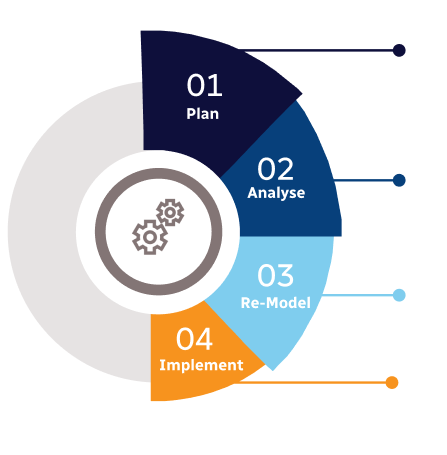
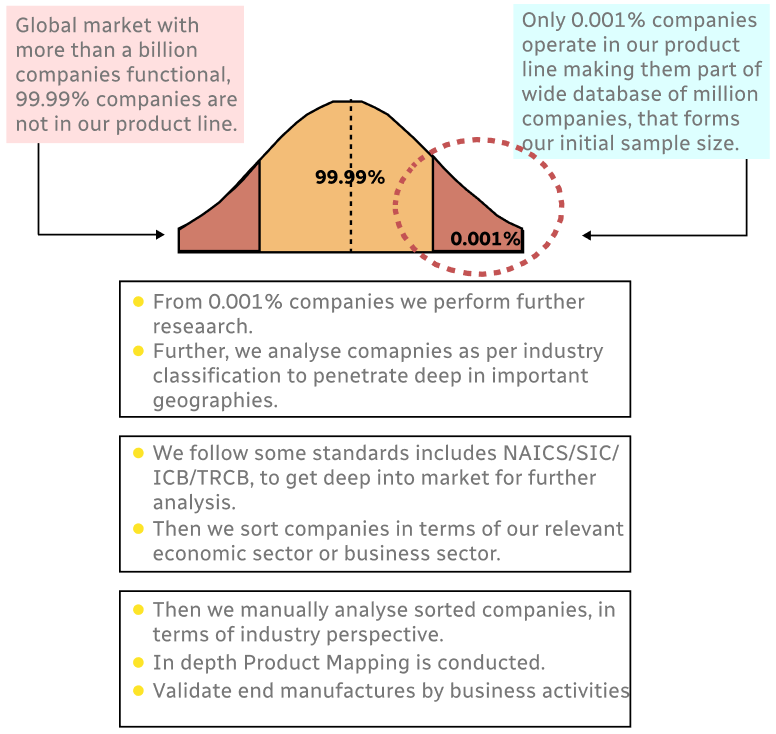
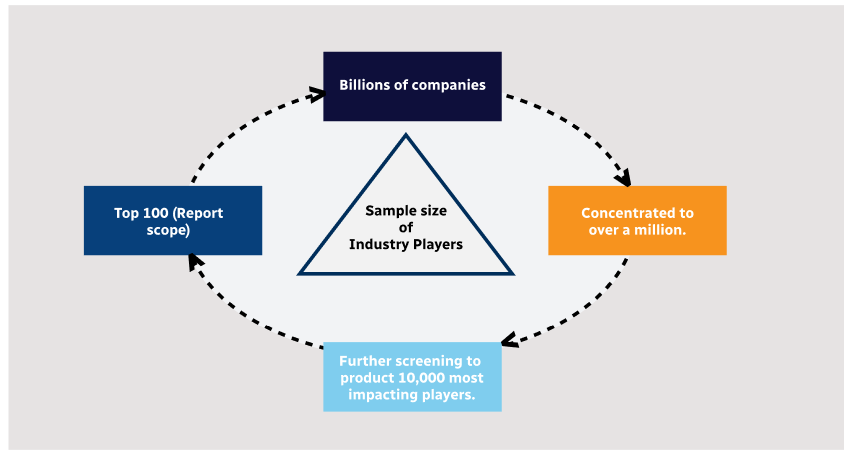
Step 1 - Identification of Relevant Samples Size from Population Database
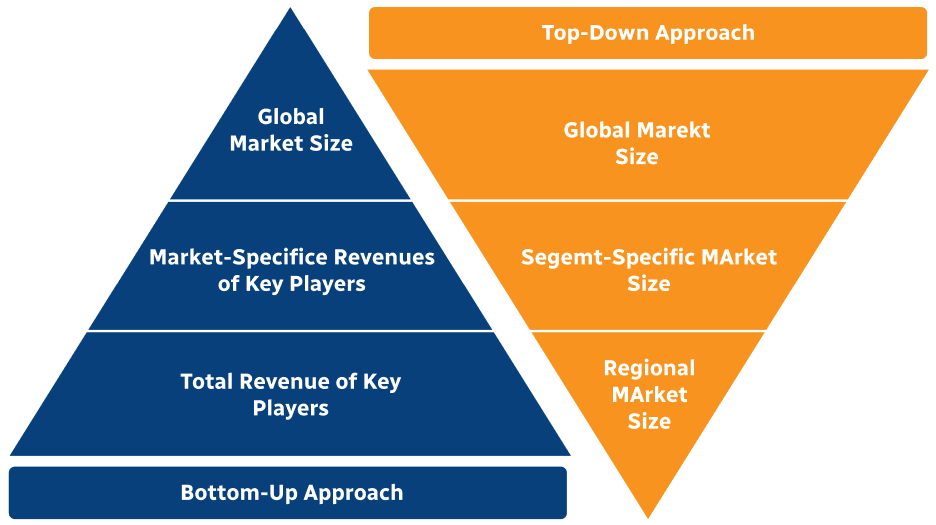
Step 2 - Approaches for Defining Global Market Size (Value, Volume* & Price*)
Note*: In applicable scenarios
Step 3 - Data Sources
Primary Research
- Web Analytics
- Survey Reports
- Research Institute
- Latest Research Reports
- Opinion Leaders
Secondary Research
- Annual Reports
- White Paper
- Latest Press Release
- Industry Association
- Paid Database
- Investor Presentations
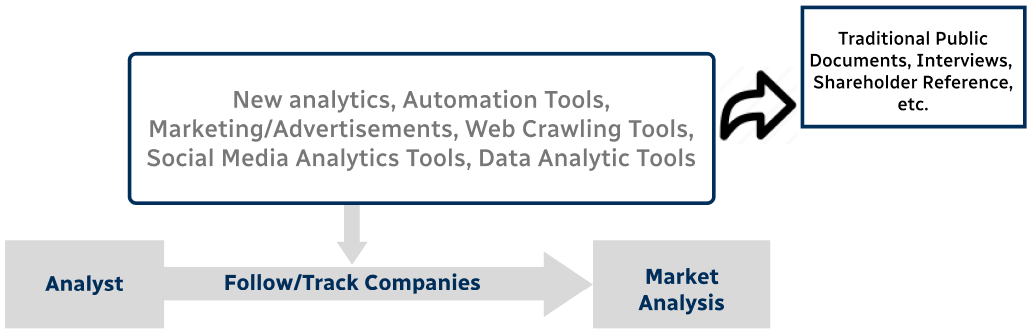
Step 4 - Data Triangulation
Involves using different sources of information in order to increase the validity of a study
These sources are likely to be stakeholders in a program - participants, other researchers, program staff, other community members, and so on.
Then we put all data in single framework & apply various statistical tools to find out the dynamic on the market.
During the analysis stage, feedback from the stakeholder groups would be compared to determine areas of agreement as well as areas of divergence