Key Insights
The Vietnam payments industry is experiencing robust growth, fueled by a burgeoning digital economy and increasing smartphone penetration. The market, valued at approximately $XX million in 2025 (assuming a logical extrapolation based on the provided CAGR of 10.58% and the market size in the base year), is projected to expand significantly over the forecast period (2025-2033). Key drivers include the rising adoption of e-commerce, a young and tech-savvy population readily embracing digital payment solutions, and government initiatives promoting financial inclusion. The shift towards cashless transactions is accelerating, with point-of-sale (POS) systems and mobile wallets like MoMo, ZaloPay, and VNPAY gaining considerable traction. The retail, entertainment, and healthcare sectors are major end-user industries driving this growth, demonstrating the versatile applications of digital payment systems across various economic sectors. While challenges like cybersecurity concerns and infrastructure limitations remain, the overall market trajectory points towards sustained, high growth.
Competition in the Vietnamese payments landscape is intense, with both established players like Vietcombank and VietinBank Group, and rapidly expanding fintech companies vying for market share. The presence of international players like PayPal further underscores the attractiveness of this market. Segmentation by payment mode (POS and online) and end-user industry provides a granular understanding of market dynamics. Future growth will likely be influenced by advancements in mobile payment technology, the expansion of digital financial services to underserved populations, and the ongoing evolution of regulatory frameworks. The continued focus on improving security and addressing consumer concerns will be crucial in sustaining the positive momentum of the Vietnam payments industry.

Vietnam Payments Industry: A Comprehensive Market Report (2019-2033)
This in-depth report provides a comprehensive analysis of the Vietnam payments industry, offering crucial insights for industry professionals, investors, and strategic decision-makers. With a study period spanning 2019-2033, a base year of 2025, and a forecast period of 2025-2033, this report leverages historical data (2019-2024) to predict future market trends and growth opportunities within the rapidly evolving Vietnamese payments landscape. The report covers key segments, leading players, and significant industry developments, providing actionable intelligence for navigating this dynamic market.
Vietnam Payments Industry Market Structure & Innovation Trends
This section analyzes the competitive landscape of the Vietnamese payments market, examining market concentration, innovation drivers, regulatory frameworks, and key industry activities. We delve into the market share held by major players like Vietcombank, VNPAY, MoMo, and ZaloPay, among others, and evaluate the impact of mergers and acquisitions (M&A) on market dynamics. The analysis encompasses the influence of evolving regulations, the introduction of substitute products, and the changing demographics of end-users. We provide quantifiable data on market share and M&A deal values (in Millions) where available, otherwise using estimations marked as "xx Million". For example, the total M&A deal value in the period 2020-2024 is estimated at xx Million.
- Market Concentration: High concentration in major urban areas, with increasing competition in rural areas.
- Innovation Drivers: Government initiatives promoting cashless transactions, increasing smartphone penetration, and growing e-commerce activity.
- Regulatory Framework: Analysis of existing regulations and their impact on market growth and innovation.
- Product Substitutes: The emergence of new payment technologies and their potential to disrupt the market.
- End-User Demographics: Analysis of the age, location, and income level of users of different payment methods.
- M&A Activities: Detailed examination of significant M&A deals in the period 2019-2024, with estimated values in Millions (xx Million where data unavailable).

Vietnam Payments Industry Market Dynamics & Trends
This section explores the key drivers and trends shaping the Vietnamese payments industry. We examine market growth drivers, technological advancements, consumer payment preferences, and competitive dynamics. This includes specific metrics like Compound Annual Growth Rate (CAGR) and market penetration for various payment methods. The analysis considers factors like increasing mobile penetration, government initiatives towards digitalization, and evolving consumer behavior. The projected CAGR for the period 2025-2033 is estimated at xx%. Market penetration of digital payments is expected to reach xx% by 2033.
Dominant Regions & Segments in Vietnam Payments Industry
This section identifies the leading regions and segments within the Vietnam payments industry, analyzing both by mode of payment (Point of Sale, Online Sales) and end-user industry (Retail, Entertainment, Healthcare, Hospitality, Other). We use bullet points to outline key drivers, such as economic policies and infrastructure development, that contribute to the dominance of specific regions or segments. A detailed paragraph analysis will explain the reasons behind the dominance.
- By Mode of Payment:
- Point of Sale (POS): Key drivers include increasing adoption of POS terminals in retail and hospitality.
- Online Sales: Fueled by rapid e-commerce growth and increasing internet penetration.
- By End-user Industry:
- Retail: Dominant segment due to high consumer spending and widespread adoption of digital payments.
- Entertainment: Significant growth driven by online ticketing and streaming services.
- Healthcare: Increasing adoption of digital payment solutions for medical services.
- Hospitality: Growing use of contactless payments in hotels and restaurants.
Vietnam Payments Industry Product Innovations
The Vietnamese payments landscape is experiencing a surge in innovative product development, driven by rapid technological advancements and evolving consumer preferences. Recent innovations are significantly altering the competitive dynamics within the market. This section delves into these key advancements, analyzing their market fit and competitive advantages. We will explore specific examples of innovation in mobile payments, including the rise of super apps and embedded finance solutions. Contactless payment solutions, such as NFC-enabled cards and mobile wallets, are experiencing rapid adoption, facilitated by increased smartphone penetration and improved infrastructure. Furthermore, we will examine the growing role of biometric authentication, including fingerprint and facial recognition, in enhancing security and convenience for users. The analysis will include a comparison of different technologies and their respective strengths and weaknesses in the Vietnamese context.
Report Scope & Segmentation Analysis
This section details the market segmentation used in the report, covering both mode of payment and end-user industry. For each segment, we provide growth projections, market size estimates (in Millions), and an analysis of the competitive landscape. The market size for the retail segment in 2025 is estimated at xx Million.
Key Drivers of Vietnam Payments Industry Growth
The remarkable growth of the Vietnam payments industry is fueled by a confluence of factors. Technological advancements, including the widespread adoption of smartphones and increased internet penetration, are laying the foundation for a cashless society. Economic factors, such as rising disposable incomes and a growing middle class, are driving increased demand for convenient and efficient payment solutions. Crucially, supportive government regulations and initiatives are accelerating this transformation. The government's "National Strategy on Payment Development" (mention specific details if available, e.g., target dates, specific policies) has played a pivotal role in fostering innovation and competition. Specific examples of government initiatives, such as tax incentives for digital payment adoption and regulations promoting interoperability between payment systems, will be analyzed in detail. Furthermore, we will examine the impact of specific technological breakthroughs, such as the development of robust digital payment infrastructure and the expansion of mobile network coverage, on the industry's growth trajectory.
Challenges in the Vietnam Payments Industry Sector
This section identifies and discusses the challenges faced by the Vietnam payments industry. These may include regulatory hurdles, supply chain issues, and competitive pressures, with quantifiable impacts discussed where possible. For example, the impact of regulatory changes on the market is estimated at xx Million.
Emerging Opportunities in Vietnam Payments Industry
The Vietnamese payments market presents numerous compelling opportunities for businesses. Untapped market segments, particularly in rural areas and amongst the unbanked population, offer significant potential for growth. This section explores these emerging opportunities, including the potential of financial inclusion initiatives, the expansion of mobile money services in underserved communities, and the growing demand for specialized payment solutions tailored to specific industries (e.g., e-commerce, healthcare, transportation). We will analyze evolving consumer preferences, such as the increasing demand for personalized payment experiences and the growing adoption of open banking solutions, and how they are shaping the future of the market. The analysis will include a discussion of potential challenges, such as cybersecurity threats and the need for robust consumer protection measures.
Leading Players in the Vietnam Payments Industry Market
- Vietcombank
- VNPAY
- MoMo
- ZaloPay
- Vietnam Bank for Agriculture and Rural Development
- PayPal
- VietinBank Group
- VTC pay
- Bank for Investment and Development of Vietnam
- Samsung Pay
Key Developments in Vietnam Payments Industry
- June 2022: VNPT and Vietcombank signed a collaboration agreement to develop and integrate digital payment services and platforms, significantly expanding reach and interoperability.
- November 2021: Deputy Prime Minister Le Minh Khai's resolution promoting cashless payments in Vietnam from 2021-2025 provided a clear policy framework for the industry's growth, boosting investor confidence and accelerating innovation.
- [Add more recent and relevant developments with dates and concise descriptions]
Future Outlook for Vietnam Payments Industry Market
The Vietnam payments market is poised for sustained and significant growth in the coming years. This positive outlook is underpinned by several key growth accelerators: continued government support for digitalization, ongoing technological advancements, increasing consumer adoption of digital payment methods, and the expansion of e-commerce. Strategic opportunities abound for businesses that can effectively leverage these factors. However, long-term success will depend on navigating challenges such as cybersecurity threats, the need for enhanced financial literacy, and fostering trust in digital payment systems. A detailed analysis of market projections (cite sources if available), considering factors such as regulatory changes, technological disruptions, and evolving consumer behavior, will provide a comprehensive understanding of the industry's future trajectory. The market's success hinges on creating a secure, efficient, and inclusive ecosystem that benefits all stakeholders.
Vietnam Payments Industry Segmentation
-
1. Mode of Payment
-
1.1. Point of Sale
- 1.1.1. Card Pay
- 1.1.2. Digital Wallet (includes Mobile Wallets)
- 1.1.3. Cash
- 1.1.4. Others
-
1.2. Online Sale
- 1.2.1. Others (
-
1.1. Point of Sale
-
2. End-user Industry
- 2.1. Retail
- 2.2. Entertainment
- 2.3. Healthcare
- 2.4. Hospitality
- 2.5. Other End-user Industries
Vietnam Payments Industry Segmentation By Geography
- 1. Vietnam

Vietnam Payments Industry REPORT HIGHLIGHTS
| Aspects | Details |
|---|---|
| Study Period | 2019-2033 |
| Base Year | 2024 |
| Estimated Year | 2025 |
| Forecast Period | 2025-2033 |
| Historical Period | 2019-2024 |
| Growth Rate | CAGR of 10.58% from 2019-2033 |
| Segmentation |
|
Table of Contents
- 1. Introduction
- 1.1. Research Scope
- 1.2. Market Segmentation
- 1.3. Research Methodology
- 1.4. Definitions and Assumptions
- 2. Executive Summary
- 2.1. Introduction
- 3. Market Dynamics
- 3.1. Introduction
- 3.2. Market Drivers
- 3.2.1 High Proliferation of E-commerce
- 3.2.2 including the rise of m-commerce and cross-border e-commerce supported by the increase in purchasing power; Enablement Programs by Key Retailers and Government encouraging digitization of the market; Growth of Real-time Payments
- 3.2.3 especially Buy Now Pay Later in the country
- 3.3. Market Restrains
- 3.3.1. High Installation Costs Coupled with Maintenance Costs
- 3.4. Market Trends
- 3.4.1. Digital Wallets to Drive the Payment Market
- 4. Market Factor Analysis
- 4.1. Porters Five Forces
- 4.2. Supply/Value Chain
- 4.3. PESTEL analysis
- 4.4. Market Entropy
- 4.5. Patent/Trademark Analysis
- 5. Vietnam Payments Industry Analysis, Insights and Forecast, 2019-2031
- 5.1. Market Analysis, Insights and Forecast - by Mode of Payment
- 5.1.1. Point of Sale
- 5.1.1.1. Card Pay
- 5.1.1.2. Digital Wallet (includes Mobile Wallets)
- 5.1.1.3. Cash
- 5.1.1.4. Others
- 5.1.2. Online Sale
- 5.1.2.1. Others (
- 5.1.1. Point of Sale
- 5.2. Market Analysis, Insights and Forecast - by End-user Industry
- 5.2.1. Retail
- 5.2.2. Entertainment
- 5.2.3. Healthcare
- 5.2.4. Hospitality
- 5.2.5. Other End-user Industries
- 5.3. Market Analysis, Insights and Forecast - by Region
- 5.3.1. Vietnam
- 5.1. Market Analysis, Insights and Forecast - by Mode of Payment
- 6. Competitive Analysis
- 6.1. Market Share Analysis 2024
- 6.2. Company Profiles
- 6.2.1 Vietcombank
- 6.2.1.1. Overview
- 6.2.1.2. Products
- 6.2.1.3. SWOT Analysis
- 6.2.1.4. Recent Developments
- 6.2.1.5. Financials (Based on Availability)
- 6.2.2 VNPAY
- 6.2.2.1. Overview
- 6.2.2.2. Products
- 6.2.2.3. SWOT Analysis
- 6.2.2.4. Recent Developments
- 6.2.2.5. Financials (Based on Availability)
- 6.2.3 MoMo
- 6.2.3.1. Overview
- 6.2.3.2. Products
- 6.2.3.3. SWOT Analysis
- 6.2.3.4. Recent Developments
- 6.2.3.5. Financials (Based on Availability)
- 6.2.4 ZaloPay*List Not Exhaustive
- 6.2.4.1. Overview
- 6.2.4.2. Products
- 6.2.4.3. SWOT Analysis
- 6.2.4.4. Recent Developments
- 6.2.4.5. Financials (Based on Availability)
- 6.2.5 Vietnam Bank for Agriculture and Rural Development
- 6.2.5.1. Overview
- 6.2.5.2. Products
- 6.2.5.3. SWOT Analysis
- 6.2.5.4. Recent Developments
- 6.2.5.5. Financials (Based on Availability)
- 6.2.6 PayPal
- 6.2.6.1. Overview
- 6.2.6.2. Products
- 6.2.6.3. SWOT Analysis
- 6.2.6.4. Recent Developments
- 6.2.6.5. Financials (Based on Availability)
- 6.2.7 VietinBank Group
- 6.2.7.1. Overview
- 6.2.7.2. Products
- 6.2.7.3. SWOT Analysis
- 6.2.7.4. Recent Developments
- 6.2.7.5. Financials (Based on Availability)
- 6.2.8 VTC pay
- 6.2.8.1. Overview
- 6.2.8.2. Products
- 6.2.8.3. SWOT Analysis
- 6.2.8.4. Recent Developments
- 6.2.8.5. Financials (Based on Availability)
- 6.2.9 Bank for Investment and Development of Vietnam
- 6.2.9.1. Overview
- 6.2.9.2. Products
- 6.2.9.3. SWOT Analysis
- 6.2.9.4. Recent Developments
- 6.2.9.5. Financials (Based on Availability)
- 6.2.10 Samsung Pay
- 6.2.10.1. Overview
- 6.2.10.2. Products
- 6.2.10.3. SWOT Analysis
- 6.2.10.4. Recent Developments
- 6.2.10.5. Financials (Based on Availability)
- 6.2.1 Vietcombank
List of Figures
- Figure 1: Vietnam Payments Industry Revenue Breakdown (Million, %) by Product 2024 & 2032
- Figure 2: Vietnam Payments Industry Share (%) by Company 2024
List of Tables
- Table 1: Vietnam Payments Industry Revenue Million Forecast, by Region 2019 & 2032
- Table 2: Vietnam Payments Industry Revenue Million Forecast, by Mode of Payment 2019 & 2032
- Table 3: Vietnam Payments Industry Revenue Million Forecast, by End-user Industry 2019 & 2032
- Table 4: Vietnam Payments Industry Revenue Million Forecast, by Region 2019 & 2032
- Table 5: Vietnam Payments Industry Revenue Million Forecast, by Country 2019 & 2032
- Table 6: Vietnam Payments Industry Revenue Million Forecast, by Mode of Payment 2019 & 2032
- Table 7: Vietnam Payments Industry Revenue Million Forecast, by End-user Industry 2019 & 2032
- Table 8: Vietnam Payments Industry Revenue Million Forecast, by Country 2019 & 2032
Frequently Asked Questions
1. What is the projected Compound Annual Growth Rate (CAGR) of the Vietnam Payments Industry?
The projected CAGR is approximately 10.58%.
2. Which companies are prominent players in the Vietnam Payments Industry?
Key companies in the market include Vietcombank, VNPAY, MoMo, ZaloPay*List Not Exhaustive, Vietnam Bank for Agriculture and Rural Development, PayPal, VietinBank Group, VTC pay, Bank for Investment and Development of Vietnam, Samsung Pay.
3. What are the main segments of the Vietnam Payments Industry?
The market segments include Mode of Payment, End-user Industry.
4. Can you provide details about the market size?
The market size is estimated to be USD XX Million as of 2022.
5. What are some drivers contributing to market growth?
High Proliferation of E-commerce. including the rise of m-commerce and cross-border e-commerce supported by the increase in purchasing power; Enablement Programs by Key Retailers and Government encouraging digitization of the market; Growth of Real-time Payments. especially Buy Now Pay Later in the country.
6. What are the notable trends driving market growth?
Digital Wallets to Drive the Payment Market.
7. Are there any restraints impacting market growth?
High Installation Costs Coupled with Maintenance Costs.
8. Can you provide examples of recent developments in the market?
June 2022 - Vietnam Posts and Telecommunications Group (VNPT) and the Joint Stock Commercial Bank for Foreign Trade of Vietnam (Vietcombank) have inked a collaboration agreement (VNPT). The development of digital payment services and platforms is covered under this bilateral cooperation agreement.
9. What pricing options are available for accessing the report?
Pricing options include single-user, multi-user, and enterprise licenses priced at USD 3800, USD 4500, and USD 5800 respectively.
10. Is the market size provided in terms of value or volume?
The market size is provided in terms of value, measured in Million.
11. Are there any specific market keywords associated with the report?
Yes, the market keyword associated with the report is "Vietnam Payments Industry," which aids in identifying and referencing the specific market segment covered.
12. How do I determine which pricing option suits my needs best?
The pricing options vary based on user requirements and access needs. Individual users may opt for single-user licenses, while businesses requiring broader access may choose multi-user or enterprise licenses for cost-effective access to the report.
13. Are there any additional resources or data provided in the Vietnam Payments Industry report?
While the report offers comprehensive insights, it's advisable to review the specific contents or supplementary materials provided to ascertain if additional resources or data are available.
14. How can I stay updated on further developments or reports in the Vietnam Payments Industry?
To stay informed about further developments, trends, and reports in the Vietnam Payments Industry, consider subscribing to industry newsletters, following relevant companies and organizations, or regularly checking reputable industry news sources and publications.
Methodology
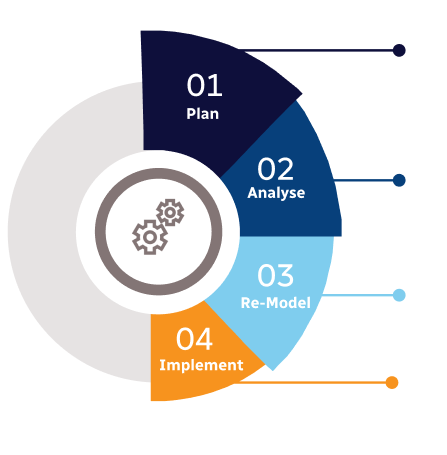
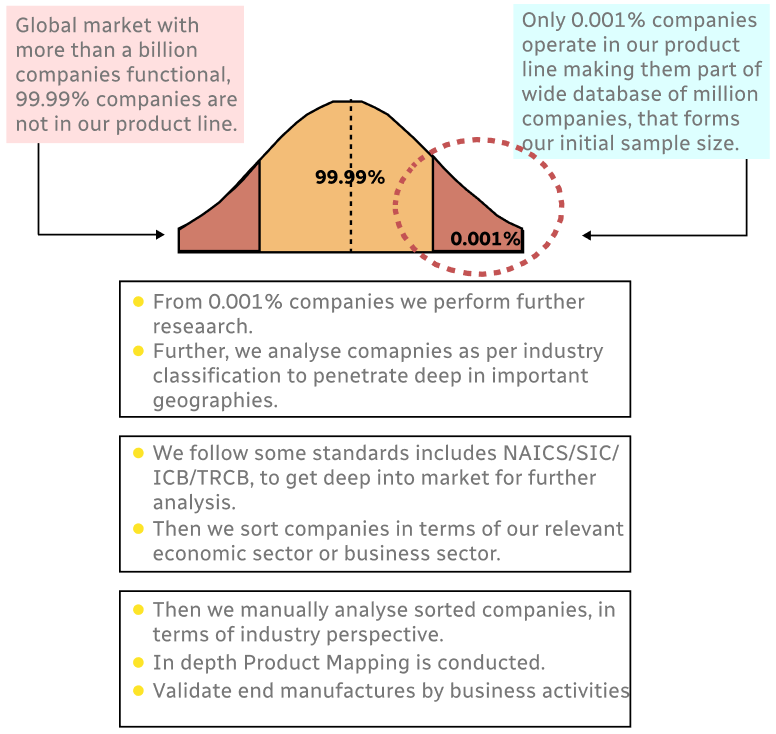
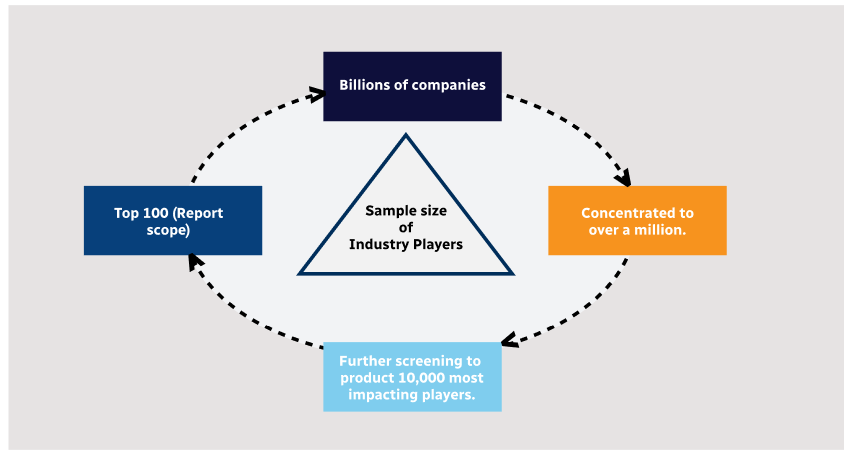
Step 1 - Identification of Relevant Samples Size from Population Database
Step 2 - Approaches for Defining Global Market Size (Value, Volume* & Price*)
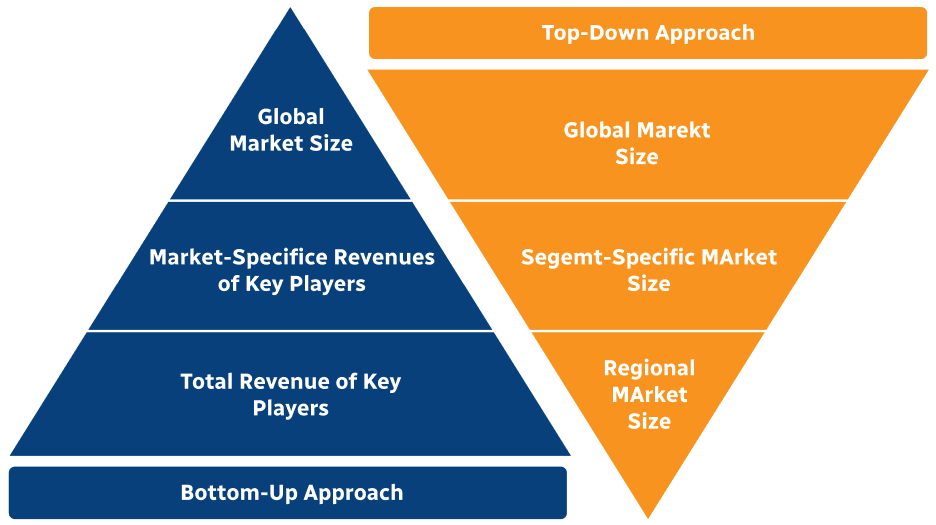
Note*: In applicable scenarios
Step 3 - Data Sources
Primary Research
- Web Analytics
- Survey Reports
- Research Institute
- Latest Research Reports
- Opinion Leaders
Secondary Research
- Annual Reports
- White Paper
- Latest Press Release
- Industry Association
- Paid Database
- Investor Presentations
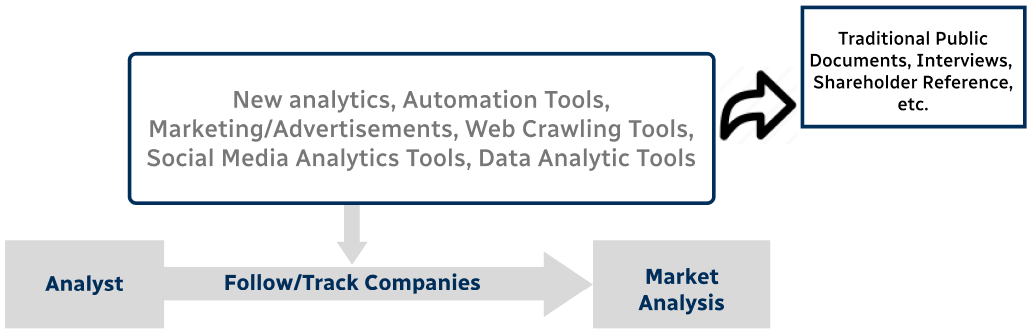
Step 4 - Data Triangulation
Involves using different sources of information in order to increase the validity of a study
These sources are likely to be stakeholders in a program - participants, other researchers, program staff, other community members, and so on.
Then we put all data in single framework & apply various statistical tools to find out the dynamic on the market.
During the analysis stage, feedback from the stakeholder groups would be compared to determine areas of agreement as well as areas of divergence