Key Insights
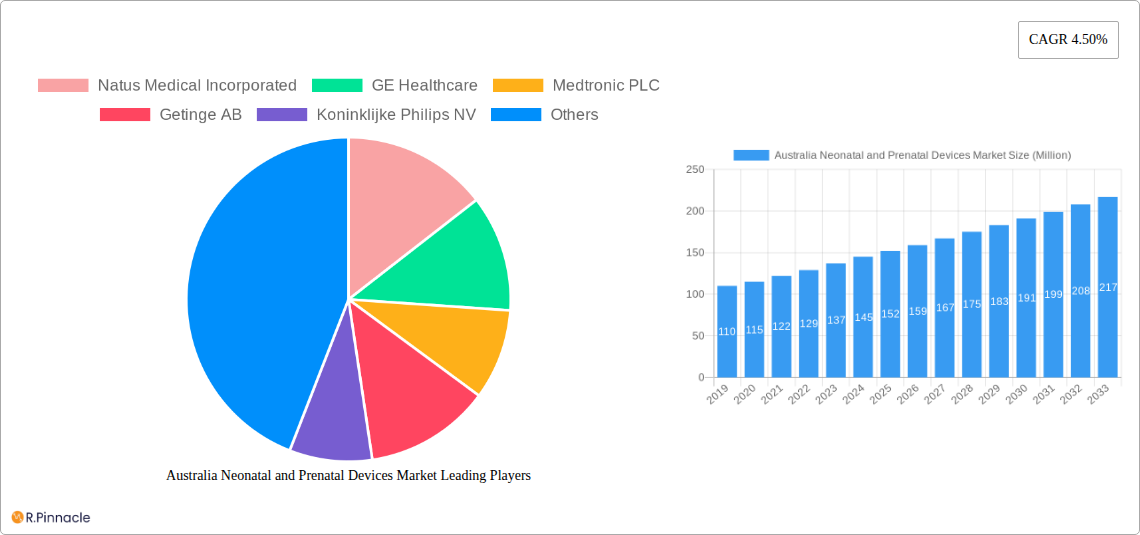
The Australian Neonatal and Prenatal Devices Market is poised for robust expansion, driven by a confluence of factors including increasing awareness of prenatal and neonatal health, advancements in medical technology, and a growing emphasis on high-risk pregnancy management. With a projected market size of approximately AUD 150 million and a Compound Annual Growth Rate (CAGR) of 4.50% between 2025 and 2033, the market is expected to reach significant value by the end of the forecast period. Key market drivers include the rising incidence of premature births, the demand for sophisticated diagnostic tools for early detection of fetal abnormalities, and government initiatives aimed at improving maternal and child healthcare outcomes. Furthermore, technological innovations leading to more accurate, portable, and user-friendly devices are also fueling market growth. The increasing adoption of telehealth and remote monitoring solutions, particularly in a geographically diverse country like Australia, will further stimulate demand for these essential medical devices.
The market is segmented into Prenatal and Fetal Equipment, and Neonatal Equipment. Within the Prenatal and Fetal Equipment segment, Ultrasound and Ultrasonography Devices are expected to lead, owing to their widespread use in routine and advanced pregnancy monitoring. The Neonatal Equipment segment will be driven by the demand for advanced incubators, respiratory assistance devices, and neonatal monitoring systems, reflecting a sustained focus on improving survival rates and long-term health outcomes for newborns, especially those born prematurely or with congenital conditions. Leading companies such as GE Healthcare, Koninklijke Philips NV, and Natus Medical Incorporated are actively investing in research and development to introduce innovative products and expand their market presence in Australia. Despite the positive growth trajectory, challenges such as high acquisition costs for some advanced equipment and the need for continuous training for healthcare professionals may present minor restraints. However, the overall outlook for the Australian Neonatal and Prenatal Devices Market remains highly promising, supported by a strong healthcare infrastructure and a commitment to advancing perinatal care.
Gain unparalleled insights into the dynamic Australia Neonatal and Prenatal Devices Market with this in-depth report. Covering the historical period from 2019-2024 and projecting growth through 2033, this analysis provides critical data for stakeholders navigating this vital healthcare sector. We meticulously examine market structure, dynamics, dominant regions, product innovations, and key players, equipping you with the knowledge to make informed strategic decisions. This report leverages high-ranking keywords to ensure maximum visibility and targets industry professionals seeking actionable intelligence.
Australia Neonatal and Prenatal Devices Market Market Structure & Innovation Trends
The Australia Neonatal and Prenatal Devices Market is characterized by a moderately concentrated structure, with key players like GE Healthcare, Medtronic PLC, Koninklijke Philips NV, and Natus Medical Incorporated holding significant market share. Innovation is primarily driven by advancements in diagnostic accuracy, minimally invasive technologies, and enhanced patient comfort. The regulatory landscape, overseen by the Therapeutic Goods Administration (TGA), emphasizes stringent safety and efficacy standards, influencing product development and market entry. Product substitutes are limited given the specialized nature of neonatal and prenatal care, though advancements in telemedicine and AI-assisted diagnostics present emerging alternatives for certain applications. End-user demographics are shifting with an increasing focus on personalized and preventative care, alongside a growing demand for home-use devices. Merger and acquisition (M&A) activities are present, though large-scale consolidation is moderate, with smaller acquisitions focused on acquiring niche technologies or expanding market reach. For instance, recent industry developments point towards strategic partnerships for enhanced training and product development, indicating a trend towards collaboration.
- Market Concentration: Moderate, with a few dominant global and regional players.
- Innovation Drivers: Technological advancements in imaging, monitoring, and therapeutic devices; focus on patient outcomes and safety.
- Regulatory Framework: TGA oversight, emphasizing device safety, efficacy, and quality management systems.
- Product Substitutes: Limited, with potential disruption from advanced digital health solutions.
- End-User Demographics: Growing demand for technologically advanced, user-friendly, and data-driven solutions; increasing importance of home monitoring.
- M&A Activities: Selective acquisitions for technology integration and market expansion.
Australia Neonatal and Prenatal Devices Market Market Dynamics & Trends
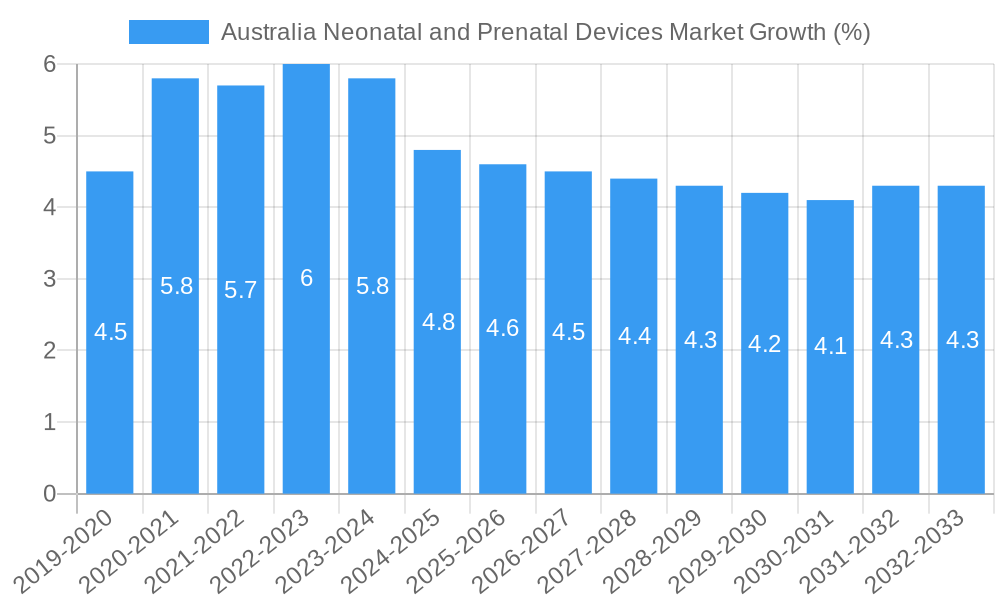
The Australia Neonatal and Prenatal Devices Market is experiencing robust growth, fueled by a confluence of factors including increasing birth rates, a rising awareness of the importance of prenatal and neonatal care, and significant technological advancements. The market is projected to grow at a Compound Annual Growth Rate (CAGR) of approximately 7.5% from the base year of 2025. Technological disruptions are rapidly reshaping the landscape, with the integration of artificial intelligence (AI) and machine learning (ML) into diagnostic and monitoring devices offering enhanced predictive capabilities and personalized treatment plans. For instance, AI-powered ultrasound systems can assist in early detection of fetal abnormalities, thereby improving diagnostic accuracy and reducing misdiagnosis rates. Consumer preferences are increasingly leaning towards non-invasive and minimally invasive technologies that offer greater comfort and faster recovery for both mother and infant. This trend is particularly evident in the demand for advanced fetal monitoring systems and portable neonatal devices. Competitive dynamics are intensifying, with both established multinational corporations and emerging Australian startups vying for market share. Companies are investing heavily in research and development to introduce next-generation devices that address unmet clinical needs and improve patient outcomes. The market penetration of sophisticated neonatal incubators and advanced respiratory support systems is steadily increasing, driven by the need for specialized care for premature and critically ill newborns. Furthermore, the growing emphasis on preventative healthcare and early intervention is spurring demand for prenatal diagnostic tools. The Australian government's commitment to improving maternal and child health outcomes through increased healthcare expenditure and supportive policies further underpins market expansion. The adoption of digital health platforms for remote patient monitoring and data analytics is also a significant trend, enhancing the efficiency and accessibility of care. The market penetration of these advanced solutions is expected to accelerate as healthcare providers increasingly recognize their value in improving patient management and reducing healthcare costs. The demographic shift towards an aging population, while not directly impacting birth rates, indirectly influences the demand for advanced neonatal care due to potential increases in high-risk pregnancies. The overall market trajectory is strongly positive, driven by innovation, increasing healthcare expenditure, and a persistent need for high-quality neonatal and prenatal care.
Dominant Regions & Segments in Australia Neonatal and Prenatal Devices Market
The Australia Neonatal and Prenatal Devices Market is dominated by New South Wales (NSW) and Victoria due to their higher population density, concentration of major healthcare facilities, and substantial investment in medical infrastructure. These states typically exhibit higher birth rates and a greater prevalence of specialized maternal and child health centers, driving the demand for advanced neonatal and prenatal equipment.
Within the Product Type segmentation, Neonatal Equipment currently holds a larger market share, driven by the critical need for life-saving technologies for premature and sick newborns. However, Prenatal and Fetal Equipment is experiencing significant growth due to advancements in diagnostic imaging and monitoring technologies, enabling earlier detection and management of potential complications.
Key Drivers of Dominance in Leading Regions (NSW & Victoria):
- Economic Policies: Robust government funding for healthcare infrastructure and research initiatives.
- Infrastructure: Presence of leading tertiary hospitals and specialized neonatal intensive care units (NICUs).
- Population Density: Higher birth rates and a greater concentration of at-risk pregnancies.
- Technological Adoption: Early and widespread adoption of advanced medical technologies.
- Healthcare Expenditure: Higher per capita spending on healthcare services and medical devices.
Dominance Analysis by Segment:
Neonatal Equipment: This segment's dominance is fueled by the critical demand for:
- Incubators: Essential for maintaining a stable environment for premature infants.
- Neonatal Monitoring Devices: Crucial for tracking vital signs such as heart rate, respiration, and oxygen saturation.
- Phototherapy Equipment: Widely used for treating neonatal jaundice.
- Respiratory Assistance and Monitoring Devices: Vital for supporting infants with respiratory distress, including ventilators and CPAP machines. The increasing incidence of prematurity and respiratory complications in newborns directly contributes to the strong demand for these devices.
Prenatal and Fetal Equipment: While currently smaller in market share, this segment is poised for significant expansion due to:
- Ultrasound and Ultrasonography Devices: Revolutionizing prenatal diagnostics, enabling detailed fetal imaging and early detection of abnormalities. Continuous advancements in 3D and 4D ultrasound technology are enhancing diagnostic capabilities and parental engagement.
- Fetal Doppler: A widely used device for monitoring fetal heart rate, contributing to prenatal anxiety reduction and early detection of fetal distress.
- Fetal Magnetic Resonance Imaging (MRI): Offering unparalleled detail for diagnosing complex fetal anomalies, particularly neurological and structural abnormalities, though its usage is still more specialized.
- Fetal Heart Monitors: Continuous and intermittent monitoring of fetal well-being during pregnancy and labor.
- Fetal Pulse Oximeters: Used for assessing fetal oxygen saturation during labor to detect potential distress. The growing emphasis on proactive pregnancy management and the desire for reassurance among expectant parents are key drivers for this segment.
The interplay between these segments, supported by robust regional healthcare systems, ensures a dynamic and evolving market landscape.
Australia Neonatal and Prenatal Devices Market Product Innovations
Product innovations in the Australia Neonatal and Prenatal Devices Market are focused on enhancing diagnostic precision, improving patient comfort, and enabling greater mobility and remote monitoring. Key trends include the development of AI-integrated ultrasound devices for more accurate fetal anomaly detection, portable and wireless neonatal monitoring systems that allow for greater infant freedom and parental interaction, and advanced respiratory support devices with intelligent ventilation algorithms to optimize treatment for premature lungs. Companies are also innovating in phototherapy to provide more efficient and targeted treatment for jaundice, and in fetal dopplers to offer enhanced signal clarity and user-friendliness. These innovations aim to reduce invasiveness, minimize complications, and provide clinicians with more actionable data for better patient management, ultimately improving outcomes for both mother and child.
Report Scope & Segmentation Analysis
This report provides a comprehensive analysis of the Australia Neonatal and Prenatal Devices Market, segmented by product type. The study period spans from 2019 to 2033, with a base year of 2025 and a forecast period of 2025–2033.
Prenatal and Fetal Equipment: This segment encompasses a range of devices crucial for monitoring fetal health during pregnancy. Key sub-segments include Ultrasound and Ultrasonography Devices, Fetal Doppler, Fetal Magnetic Resonance Imaging (MRI), Fetal Heart Monitors, and Fetal Pulse Oximeters. The market for these devices is driven by advancements in imaging technology and a growing emphasis on prenatal care. Growth projections indicate a steady increase, with market sizes influenced by the adoption rate of advanced diagnostic tools.
Neonatal Equipment: This segment focuses on devices used for the care of newborns, particularly premature and critically ill infants. It includes Incubators, Neonatal Monitoring Devices, Phototherapy Equipment, and Respiratory Assistance and Monitoring Devices. This segment is characterized by high demand due to the critical nature of neonatal care. Market sizes are substantial, and growth is propelled by technological innovations aimed at improving survival rates and long-term health outcomes for neonates. Competitive dynamics within this segment are driven by the need for reliable, advanced life-support systems.
Key Drivers of Australia Neonatal and Prenatal Devices Market Growth
The Australia Neonatal and Prenatal Devices Market is propelled by several key drivers:
- Technological Advancements: Continuous innovation in imaging, monitoring, and therapeutic technologies leads to more accurate diagnostics and effective treatments. This includes AI integration for enhanced predictive capabilities and non-invasive monitoring solutions.
- Rising Awareness and Demand for Prenatal and Neonatal Care: Increased understanding of the importance of early and comprehensive care for maternal and infant health fuels the demand for specialized medical devices.
- Increasing Incidence of Premature Births and High-Risk Pregnancies: A higher number of premature births and complicated pregnancies necessitates the use of advanced neonatal intensive care units (NICUs) and sophisticated monitoring equipment.
- Government Initiatives and Healthcare Investments: Supportive government policies and increased spending on healthcare infrastructure, particularly in maternal and child health, significantly contribute to market growth.
- Technological Adoption by Healthcare Providers: The growing willingness of Australian hospitals and clinics to adopt cutting-edge medical technologies to improve patient outcomes and operational efficiency is a crucial factor.
Challenges in the Australia Neonatal and Prenatal Devices Market Sector
Despite its growth potential, the Australia Neonatal and Prenatal Devices Market faces several challenges:
- High Cost of Advanced Technologies: The significant capital investment required for sophisticated neonatal and prenatal equipment can be a barrier for smaller healthcare facilities or those in remote areas.
- Stringent Regulatory Approval Processes: Navigating the TGA's rigorous approval pathways for medical devices can be time-consuming and resource-intensive, potentially delaying market entry for new innovations.
- Reimbursement Policies: Inadequate or complex reimbursement policies for certain advanced devices can impact their widespread adoption by healthcare providers.
- Shortage of Skilled Healthcare Professionals: A lack of trained personnel to operate and maintain complex medical equipment can limit their utilization and effectiveness.
- Supply Chain Disruptions: Global supply chain vulnerabilities can lead to delays in product availability and increased costs, impacting market stability.
Emerging Opportunities in Australia Neonatal and Prenatal Devices Market
The Australia Neonatal and Prenatal Devices Market is ripe with emerging opportunities:
- Telemedicine and Remote Monitoring: The increasing adoption of telehealth platforms presents opportunities for developing remote monitoring devices for both prenatal and neonatal care, extending healthcare access to rural and underserved areas.
- Personalized Medicine and AI Integration: Advances in AI and data analytics enable the development of personalized treatment plans and predictive diagnostics, creating a demand for intelligent devices.
- Home-Use Devices: Growing consumer demand for convenient and accessible healthcare solutions is driving the development of user-friendly home-use prenatal and neonatal monitoring devices.
- Focus on Preventative Healthcare: The shift towards preventative medicine creates a strong market for advanced prenatal screening and diagnostic tools.
- Emerging Markets and Partnerships: Collaborations between Australian startups and established global players can foster innovation and expand market reach within the Asia-Pacific region.
Leading Players in the Australia Neonatal and Prenatal Devices Market Market
- Natus Medical Incorporated
- GE Healthcare
- Medtronic PLC
- Getinge AB
- Koninklijke Philips NV
- Masimo
- Vyaire Medical
Key Developments in Australia Neonatal and Prenatal Devices Market Industry
- August 2021: Australian startup ResusRight has raised nearly USD 784,000 to fund a pediatric medical device designed to resuscitate newborn babies safely. This development highlights the growing focus on innovative neonatal resuscitation technologies within Australia.
- July 2021: I-MED Radiology, Australia's leading medical imaging company, agreed to use MRI Online's education and talent management platform for a multi-year period. Thus, such educational training programs are expected to support newborn babies efficiently, indicating a trend towards enhanced professional development in medical imaging, crucial for prenatal diagnostics.
Future Outlook for Australia Neonatal and Prenatal Devices Market Market
- August 2021: Australian startup ResusRight has raised nearly USD 784,000 to fund a pediatric medical device designed to resuscitate newborn babies safely. This development highlights the growing focus on innovative neonatal resuscitation technologies within Australia.
- July 2021: I-MED Radiology, Australia's leading medical imaging company, agreed to use MRI Online's education and talent management platform for a multi-year period. Thus, such educational training programs are expected to support newborn babies efficiently, indicating a trend towards enhanced professional development in medical imaging, crucial for prenatal diagnostics.
Future Outlook for Australia Neonatal and Prenatal Devices Market Market
The future outlook for the Australia Neonatal and Prenatal Devices Market is exceptionally positive, driven by ongoing technological advancements and a steadfast commitment to improving maternal and child health. The increasing integration of artificial intelligence and machine learning will lead to more sophisticated diagnostic and predictive tools, while the demand for non-invasive and minimally invasive technologies will continue to shape product development. Telehealth and remote monitoring solutions are poised for significant growth, enhancing healthcare accessibility across the nation. Strategic collaborations and investments in research and development will foster further innovation, particularly in areas like personalized medicine and advanced respiratory support for neonates. The market is expected to see sustained growth, with a strong emphasis on enhancing patient outcomes and clinician efficiency, making it a dynamic and promising sector for years to come.
Australia Neonatal and Prenatal Devices Market Segmentation
-
1. Product Type
-
1.1. Prenatal and Fetal Equipment
- 1.1.1. Ultrasound and Ultrasonography Devices
- 1.1.2. Fetal Doppler
- 1.1.3. Fetal Magnetic Resonance Imaging (MRI)
- 1.1.4. Fetal Heart Monitors
- 1.1.5. Fetal Pulse Oximeters
- 1.1.6. Other Prenatal and Fetal Equipment
-
1.2. Neonatal Equipment
- 1.2.1. Incubators
- 1.2.2. Neonatal Monitoring Devices
- 1.2.3. Phototherapy Equipment
- 1.2.4. Respiratory Assistance and Monitoring Devices
- 1.2.5. Other Neonatal Care Equipment
-
1.1. Prenatal and Fetal Equipment
Australia Neonatal and Prenatal Devices Market Segmentation By Geography
- 1. Australia
Australia Neonatal and Prenatal Devices Market REPORT HIGHLIGHTS
| Aspects | Details |
|---|---|
| Study Period | 2019-2033 |
| Base Year | 2024 |
| Estimated Year | 2025 |
| Forecast Period | 2025-2033 |
| Historical Period | 2019-2024 |
| Growth Rate | CAGR of 4.50% from 2019-2033 |
| Segmentation |
|
Table of Contents
- 1. Introduction
- 1.1. Research Scope
- 1.2. Market Segmentation
- 1.3. Research Methodology
- 1.4. Definitions and Assumptions
- 2. Executive Summary
- 2.1. Introduction
- 3. Market Dynamics
- 3.1. Introduction
- 3.2. Market Drivers
- 3.2.1. Rising Incidence of Preterm Births; Increasing Awareness for Prenatal and Neonatal Care
- 3.3. Market Restrains
- 3.3.1. Low Birth Rates in the Country
- 3.4. Market Trends
- 3.4.1. Incubators Sub-segment Expected to Hold a Significant Market Share
- 4. Market Factor Analysis
- 4.1. Porters Five Forces
- 4.2. Supply/Value Chain
- 4.3. PESTEL analysis
- 4.4. Market Entropy
- 4.5. Patent/Trademark Analysis
- 5. Australia Neonatal and Prenatal Devices Market Analysis, Insights and Forecast, 2019-2031
- 5.1. Market Analysis, Insights and Forecast - by Product Type
- 5.1.1. Prenatal and Fetal Equipment
- 5.1.1.1. Ultrasound and Ultrasonography Devices
- 5.1.1.2. Fetal Doppler
- 5.1.1.3. Fetal Magnetic Resonance Imaging (MRI)
- 5.1.1.4. Fetal Heart Monitors
- 5.1.1.5. Fetal Pulse Oximeters
- 5.1.1.6. Other Prenatal and Fetal Equipment
- 5.1.2. Neonatal Equipment
- 5.1.2.1. Incubators
- 5.1.2.2. Neonatal Monitoring Devices
- 5.1.2.3. Phototherapy Equipment
- 5.1.2.4. Respiratory Assistance and Monitoring Devices
- 5.1.2.5. Other Neonatal Care Equipment
- 5.1.1. Prenatal and Fetal Equipment
- 5.2. Market Analysis, Insights and Forecast - by Region
- 5.2.1. Australia
- 5.1. Market Analysis, Insights and Forecast - by Product Type
- 6. Competitive Analysis
- 6.1. Market Share Analysis 2024
- 6.2. Company Profiles
- 6.2.1 Natus Medical Incorporated
- 6.2.1.1. Overview
- 6.2.1.2. Products
- 6.2.1.3. SWOT Analysis
- 6.2.1.4. Recent Developments
- 6.2.1.5. Financials (Based on Availability)
- 6.2.2 GE Healthcare
- 6.2.2.1. Overview
- 6.2.2.2. Products
- 6.2.2.3. SWOT Analysis
- 6.2.2.4. Recent Developments
- 6.2.2.5. Financials (Based on Availability)
- 6.2.3 Medtronic PLC
- 6.2.3.1. Overview
- 6.2.3.2. Products
- 6.2.3.3. SWOT Analysis
- 6.2.3.4. Recent Developments
- 6.2.3.5. Financials (Based on Availability)
- 6.2.4 Getinge AB
- 6.2.4.1. Overview
- 6.2.4.2. Products
- 6.2.4.3. SWOT Analysis
- 6.2.4.4. Recent Developments
- 6.2.4.5. Financials (Based on Availability)
- 6.2.5 Koninklijke Philips NV
- 6.2.5.1. Overview
- 6.2.5.2. Products
- 6.2.5.3. SWOT Analysis
- 6.2.5.4. Recent Developments
- 6.2.5.5. Financials (Based on Availability)
- 6.2.6 Masimo
- 6.2.6.1. Overview
- 6.2.6.2. Products
- 6.2.6.3. SWOT Analysis
- 6.2.6.4. Recent Developments
- 6.2.6.5. Financials (Based on Availability)
- 6.2.7 Vyaire Medical
- 6.2.7.1. Overview
- 6.2.7.2. Products
- 6.2.7.3. SWOT Analysis
- 6.2.7.4. Recent Developments
- 6.2.7.5. Financials (Based on Availability)
- 6.2.1 Natus Medical Incorporated
List of Figures
- Figure 1: Australia Neonatal and Prenatal Devices Market Revenue Breakdown (Million, %) by Product 2024 & 2032
- Figure 2: Australia Neonatal and Prenatal Devices Market Share (%) by Company 2024
List of Tables
- Table 1: Australia Neonatal and Prenatal Devices Market Revenue Million Forecast, by Region 2019 & 2032
- Table 2: Australia Neonatal and Prenatal Devices Market Volume K Units Forecast, by Region 2019 & 2032
- Table 3: Australia Neonatal and Prenatal Devices Market Revenue Million Forecast, by Product Type 2019 & 2032
- Table 4: Australia Neonatal and Prenatal Devices Market Volume K Units Forecast, by Product Type 2019 & 2032
- Table 5: Australia Neonatal and Prenatal Devices Market Revenue Million Forecast, by Region 2019 & 2032
- Table 6: Australia Neonatal and Prenatal Devices Market Volume K Units Forecast, by Region 2019 & 2032
- Table 7: Australia Neonatal and Prenatal Devices Market Revenue Million Forecast, by Country 2019 & 2032
- Table 8: Australia Neonatal and Prenatal Devices Market Volume K Units Forecast, by Country 2019 & 2032
- Table 9: Australia Neonatal and Prenatal Devices Market Revenue Million Forecast, by Product Type 2019 & 2032
- Table 10: Australia Neonatal and Prenatal Devices Market Volume K Units Forecast, by Product Type 2019 & 2032
- Table 11: Australia Neonatal and Prenatal Devices Market Revenue Million Forecast, by Country 2019 & 2032
- Table 12: Australia Neonatal and Prenatal Devices Market Volume K Units Forecast, by Country 2019 & 2032
Frequently Asked Questions
1. What is the projected Compound Annual Growth Rate (CAGR) of the Australia Neonatal and Prenatal Devices Market?
The projected CAGR is approximately 4.50%.
2. Which companies are prominent players in the Australia Neonatal and Prenatal Devices Market?
Key companies in the market include Natus Medical Incorporated, GE Healthcare, Medtronic PLC, Getinge AB, Koninklijke Philips NV, Masimo, Vyaire Medical.
3. What are the main segments of the Australia Neonatal and Prenatal Devices Market?
The market segments include Product Type.
4. Can you provide details about the market size?
The market size is estimated to be USD XX Million as of 2022.
5. What are some drivers contributing to market growth?
Rising Incidence of Preterm Births; Increasing Awareness for Prenatal and Neonatal Care.
6. What are the notable trends driving market growth?
Incubators Sub-segment Expected to Hold a Significant Market Share.
7. Are there any restraints impacting market growth?
Low Birth Rates in the Country.
8. Can you provide examples of recent developments in the market?
August 2021: Australian startup ResusRight has raised nearly USD 784,000 to fund a pediatric medical device designed to resuscitate newborn babies safely.
9. What pricing options are available for accessing the report?
Pricing options include single-user, multi-user, and enterprise licenses priced at USD 3800, USD 4500, and USD 5800 respectively.
10. Is the market size provided in terms of value or volume?
The market size is provided in terms of value, measured in Million and volume, measured in K Units.
11. Are there any specific market keywords associated with the report?
Yes, the market keyword associated with the report is "Australia Neonatal and Prenatal Devices Market," which aids in identifying and referencing the specific market segment covered.
12. How do I determine which pricing option suits my needs best?
The pricing options vary based on user requirements and access needs. Individual users may opt for single-user licenses, while businesses requiring broader access may choose multi-user or enterprise licenses for cost-effective access to the report.
13. Are there any additional resources or data provided in the Australia Neonatal and Prenatal Devices Market report?
While the report offers comprehensive insights, it's advisable to review the specific contents or supplementary materials provided to ascertain if additional resources or data are available.
14. How can I stay updated on further developments or reports in the Australia Neonatal and Prenatal Devices Market?
To stay informed about further developments, trends, and reports in the Australia Neonatal and Prenatal Devices Market, consider subscribing to industry newsletters, following relevant companies and organizations, or regularly checking reputable industry news sources and publications.
Methodology
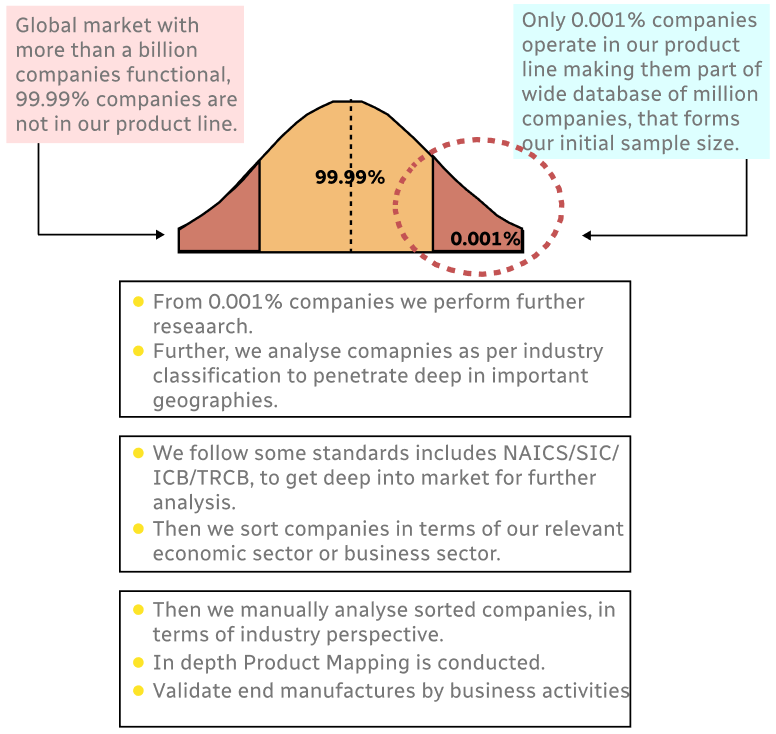
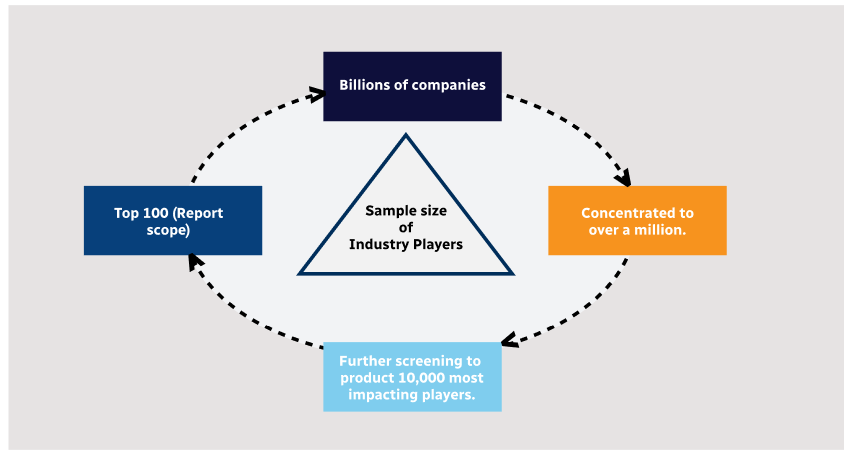
Step 1 - Identification of Relevant Samples Size from Population Database
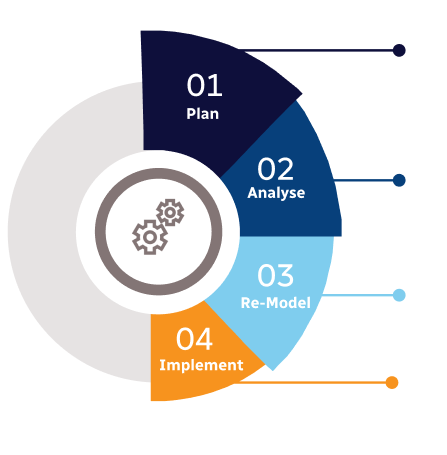
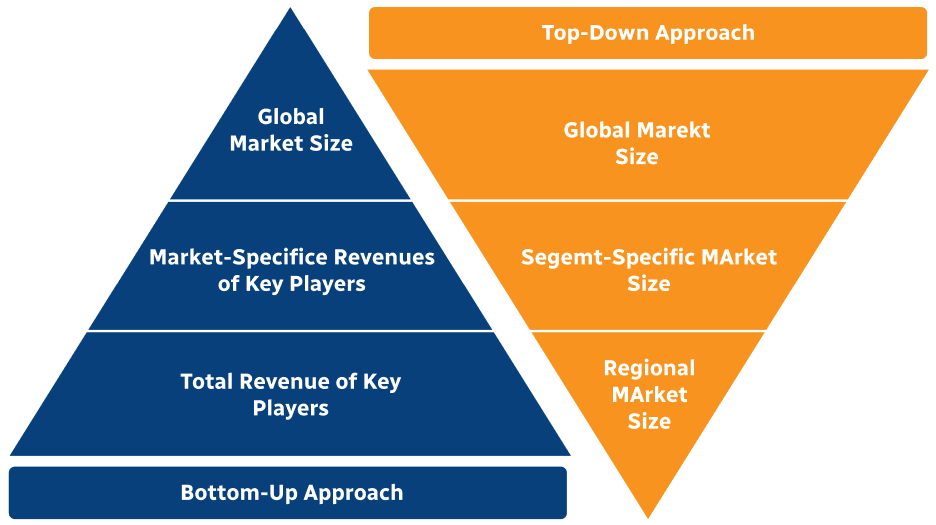
Step 2 - Approaches for Defining Global Market Size (Value, Volume* & Price*)
Note*: In applicable scenarios
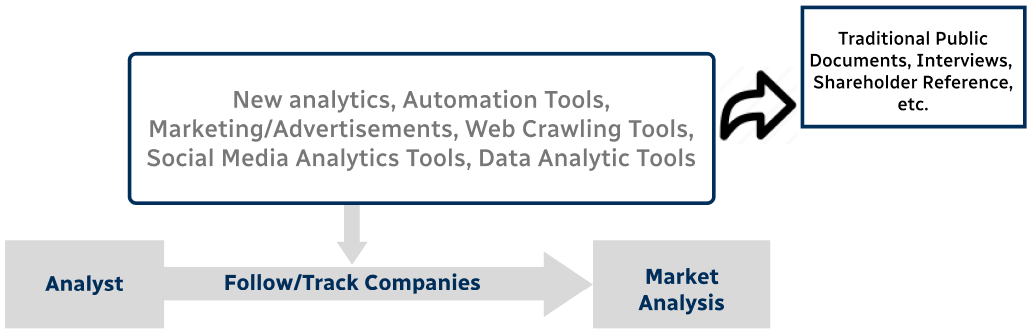
Step 3 - Data Sources
Primary Research
- Web Analytics
- Survey Reports
- Research Institute
- Latest Research Reports
- Opinion Leaders
Secondary Research
- Annual Reports
- White Paper
- Latest Press Release
- Industry Association
- Paid Database
- Investor Presentations
Step 4 - Data Triangulation
Involves using different sources of information in order to increase the validity of a study
These sources are likely to be stakeholders in a program - participants, other researchers, program staff, other community members, and so on.
Then we put all data in single framework & apply various statistical tools to find out the dynamic on the market.
During the analysis stage, feedback from the stakeholder groups would be compared to determine areas of agreement as well as areas of divergence