Key Insights
The IV Bag market, valued at approximately $XX million in 2025, is projected to experience robust growth, exhibiting a compound annual growth rate (CAGR) of 5.30% from 2025 to 2033. This expansion is driven by several key factors. The increasing prevalence of chronic diseases necessitating intravenous therapy, coupled with a rising geriatric population globally, fuels significant demand. Technological advancements, such as the development of innovative materials like biocompatible polymers and flexible, multi-chamber bags enhancing drug delivery and patient safety, are further accelerating market growth. Furthermore, the growing preference for home healthcare and ambulatory settings, alongside increasing healthcare expenditure in developing economies, contribute to the market's expansion. Stringent regulatory frameworks and quality control measures may present some challenges but are not expected to significantly hinder overall market growth.
Regional analysis reveals a significant market share held by North America and Europe, owing to established healthcare infrastructure and higher healthcare spending. However, the Asia-Pacific region is anticipated to show substantial growth potential due to rising disposable incomes, improving healthcare facilities, and a growing population. Market segmentation by material type (polyethylene, polyvinyl chloride, polypropylene, and others), capacity (0-250 ml, 250-500 ml, 500-1000 ml), and chamber type (single and multi-chamber) highlights the diverse product landscape and varying consumer needs. Competition within the market is intense, with key players including ICU Medical Inc, Fresenius Kabi, B. Braun Medical Inc, and Baxter International Inc continuously striving for innovation and market share expansion through product diversification and strategic partnerships. The future of the IV Bag market appears promising, with sustained growth expected across various regions and segments throughout the forecast period.

IV Bag Industry Market Report: 2019-2033
This comprehensive report provides a detailed analysis of the IV Bag industry, offering valuable insights for industry professionals, investors, and stakeholders. The report covers the period from 2019 to 2033, with a focus on the 2025-2033 forecast period. The global IV Bag market is projected to reach xx Million by 2033, exhibiting a CAGR of xx% during the forecast period. This report leverages detailed market segmentation, competitive analysis, and future projections to provide a complete understanding of this dynamic market.
IV Bag Industry Market Structure & Innovation Trends
The global IV Bag industry is characterized by a moderately concentrated market structure, driven by a core group of established global manufacturers. Key players such as ICU Medical Inc., Fresenius Kabi, B. Braun Medical Inc., and Baxter International Inc. are prominent, commanding a significant portion of the market share. While exact figures for 2025 are dynamic, these leaders consistently influence market trends and product development. The landscape also includes specialized manufacturers like Polycine GmbH, Otsuka Holdings, Haemotronic, Technoflex, Sippex IV bags, and MedicoPack, whose contributions collectively enhance market diversity and address niche demands. Innovation is a critical catalyst, propelled by the relentless pursuit of advanced material science for improved biocompatibility and durability, the integration of enhanced safety features to minimize risks, and the design of more user-friendly solutions that streamline workflows for healthcare professionals. Adherence to rigorous regulatory frameworks, including those mandated by the FDA, EMA, and other international health authorities, is paramount, shaping not only product development lifecycles but also dictating market access and compliance. Competitive pressures arise from the emergence of alternative drug delivery systems, such as pre-filled syringes and sophisticated infusion pumps, necessitating continuous product differentiation. The evolving end-user demographics, particularly the burgeoning geriatric population and the increasing prevalence of chronic diseases, are shaping demand patterns and influencing product design. Furthermore, significant mergers and acquisitions (M&A) activity in recent years, with aggregate deal values reaching approximately [Insert specific deal value if available, e.g., "$1.5 Billion"], underscores a strategic consolidation trend aimed at expanding market reach, acquiring innovative technologies, and achieving economies of scale within the industry.
- Market Concentration: A moderately concentrated market with a few leading multinational corporations holding substantial market share, complemented by a segment of specialized manufacturers catering to specific needs.
- Innovation Drivers: The primary drivers of innovation include the development of superior material properties (enhanced biocompatibility, reduced leaching), advanced safety mechanisms (tamper-evidence, improved sterility assurance), and increased convenience for healthcare providers (easier handling, integrated functionalities).
- Regulatory Landscape: A complex and stringent regulatory environment governed by global bodies like the FDA, EMA, and national health agencies, which dictates product safety, efficacy, and manufacturing standards.
- M&A Activity: Significant consolidation through mergers and acquisitions, reflecting strategic moves to gain market dominance, expand product portfolios, and leverage synergies. Recent activity indicates substantial investment in the sector, with deal values in the [Insert specific deal value if available, e.g., "hundreds of millions to billions"] range.
IV Bag Industry Market Dynamics & Trends
The global IV Bag market is experiencing robust growth, fueled by several key factors. The rising prevalence of chronic diseases, an aging global population, and increasing healthcare expenditure are major drivers. Technological advancements, such as the introduction of novel materials and improved manufacturing processes, are enhancing product quality and efficiency. Consumer preferences are shifting towards more convenient and user-friendly IV bags, leading to innovation in design and functionality. Competitive dynamics are characterized by both fierce rivalry among established players and the emergence of new entrants offering innovative solutions. The market penetration of advanced IV bag technologies is projected to increase significantly during the forecast period. Market growth is expected to be driven by increasing demand in both developed and developing countries, along with the rising adoption of advanced therapies that utilize IV bags.

Dominant Regions & Segments in IV Bag Industry
The North American region currently dominates the IV bag market, driven by high healthcare expenditure, robust healthcare infrastructure, and a sizable geriatric population. Within the market segmentation:
- By Material Type: Polyethylene holds the largest market share due to its cost-effectiveness and biocompatibility.
- By Capacity: The 250-500 ml capacity segment dominates, reflecting the typical dosage requirements for many intravenous therapies.
- By Chamber Type: Single-chamber bags continue to hold a larger market share than multi-chamber bags. However, multi-chamber bags are growing in popularity due to their suitability for multiple drug administrations in a single infusion.
Key Drivers:
- North America: High healthcare spending, advanced healthcare infrastructure, large geriatric population.
- Europe: Strong regulatory framework, high adoption of advanced therapies.
- Asia-Pacific: Rapidly growing healthcare sector, increasing disposable incomes.
IV Bag Industry Product Innovations
Recent advancements in the IV bag industry are heavily focused on elevating patient safety and clinical efficiency. Key innovations include the implementation of sophisticated tamper-evident seals, ensuring product integrity from manufacturing to administration, and the refinement of leak-proof designs to prevent critical fluid loss and contamination. A significant trend is the exploration and adoption of novel materials that offer superior biocompatibility, reducing the risk of adverse reactions, and enhanced durability to withstand various storage and handling conditions. Furthermore, the integration of cutting-edge technologies is revolutionizing IV bag management. Radio-Frequency Identification (RFID) tags are increasingly being embedded for precise inventory tracking, real-time monitoring of bag status, and streamlined logistics, thereby minimizing errors and improving operational efficiency. These forward-thinking innovations collectively address the escalating global demand for IV bag solutions that are not only safer and more reliable but also more efficient and user-friendly for healthcare practitioners.
Report Scope & Segmentation Analysis
This comprehensive report delves into the intricacies of the IV bag market, providing a detailed segmentation analysis to understand market dynamics across various key categories. The market is meticulously segmented by material type, encompassing Polyethylene (PE), Polyvinyl Chloride (PVC), Polypropylene (PP), and other advanced material alternatives. Further segmentation is based on capacity, covering essential ranges such as 0-250 ml, 250-500 ml, and 500-1000 ml, catering to diverse clinical applications. The analysis also extends to chamber type, distinguishing between Single Chamber and Multi Chamber configurations, each offering distinct advantages. Each of these segments is rigorously examined in terms of its current market size, projected growth trajectory, and the competitive landscape it harbors. Projections consistently indicate robust growth across all identified segments. Specifically, the Polyethylene (PE) material type is anticipated to lead in terms of market share due to its versatility and cost-effectiveness, while the 250-500 ml capacity segment is expected to witness the highest compound annual growth rate (CAGR) owing to its widespread application in critical care and routine infusions.
Key Drivers of IV Bag Industry Growth
Several factors contribute to the growth of the IV bag industry, including rising prevalence of chronic diseases like cancer and diabetes, the increasing geriatric population necessitating more frequent IV therapies, technological advancements leading to more efficient and safer products, and favorable regulatory frameworks that encourage innovation and market expansion. The rising disposable income in emerging economies is also a crucial driver of market growth.
Challenges in the IV Bag Industry Sector
The IV bag industry navigates a complex terrain of challenges that require continuous strategic adaptation. A primary hurdle is the stringent and evolving regulatory compliance landscape, which necessitates substantial investment in research and development, rigorous testing, and meticulous documentation, thereby increasing overall product development costs. Maintaining uncompromising quality control standards is paramount to ensure the safety and efficacy of IV bags, with any lapse having severe consequences. The market is characterized by intense competition, not only among established global players vying for market share but also from nimble emerging manufacturers introducing innovative solutions. Furthermore, the industry remains susceptible to supply chain disruptions, particularly in the sourcing of essential raw materials and components. Geopolitical events, trade policies, and logistical complexities can impact production timelines, increase manufacturing costs, and ultimately affect profitability. Adapting to these multifaceted challenges is crucial for sustained growth and market leadership.
Emerging Opportunities in IV Bag Industry
The IV bag industry is ripe with emerging opportunities, driven by technological advancements and evolving healthcare demands. A significant avenue lies in the development and commercialization of innovative "smart" IV bags equipped with integrated sensors and data logging capabilities. These advanced bags can monitor critical parameters like fluid flow rate, temperature, and even detect early signs of contamination, providing real-time insights to healthcare providers and enhancing patient safety. Expanding market penetration into emerging economies, particularly in developing countries with rapidly growing healthcare infrastructure and increasing access to medical treatments, presents substantial untapped potential. Focusing on sustainable and eco-friendly manufacturing processes is another key opportunity, appealing to environmentally conscious healthcare systems and offering a distinct competitive advantage. This includes the development of biodegradable materials, reduction of waste in production, and optimization of energy consumption. Furthermore, strategic partnerships and collaborations can unlock new markets and accelerate the adoption of advanced IV bag technologies.
Leading Players in the IV Bag Industry Market
- ICU Medical Inc
- Polycine GmbH
- Fresenius Kabi
- Kraton Corporation
- B Braun Medical Inc
- Otsuka Holdings (Otsuka Pharmaceutical India Private Limited)
- Haemotronic
- Technoflex
- Baxter international Inc
- Sippex IV bags
- MedicoPack
Key Developments in IV Bag Industry
- December 2022: Asahi Kasei Pharma launched Reclast for intravenous (i.v.) infusion bags for osteoporosis treatment, listed on Japan's National Health Insurance (NHI) drug price standard. This launch significantly expands the market for IV bags used in osteoporosis treatment within Japan.
- February 2023: Bowmed Ibisqus launched a ready-to-administer Levofloxacin bag. The bag is packaged with a foil overwrap to protect the product from light, and the overwrap displays the essential product information. This launch highlights the trend toward convenient, ready-to-administer IV drug delivery systems.
Future Outlook for IV Bag Industry Market
The future of the IV bag industry is promising, with continued growth driven by technological advancements, expanding healthcare infrastructure, and an aging global population. Strategic partnerships, acquisitions, and the development of innovative products will be crucial for success in this competitive market. The industry is expected to see increasing demand for smart IV bags and those made from sustainable materials.
IV Bag Industry Segmentation
-
1. Material Type
- 1.1. Polyethylene
- 1.2. Polyvinyl Chloride
- 1.3. Polypropylene
- 1.4. Other Material Types
-
2. Capacity
- 2.1. 0-250 ml
- 2.2. 250-500 ml
- 2.3. 500-1000 ml
-
3. Chamber Type
- 3.1. Single Chamber
- 3.2. Multi Chamber
IV Bag Industry Segmentation By Geography
-
1. North America
- 1.1. United States
- 1.2. Canada
- 1.3. Mexico
-
2. Europe
- 2.1. Germany
- 2.2. United Kingdom
- 2.3. France
- 2.4. Italy
- 2.5. Spain
- 2.6. Rest of Europe
-
3. Asia Pacific
- 3.1. China
- 3.2. Japan
- 3.3. India
- 3.4. Australia
- 3.5. South Korea
- 3.6. Rest of Asia Pacific
-
4. Middle East and Africa
- 4.1. GCC
- 4.2. South Africa
- 4.3. Rest of Middle East and Africa
-
5. South America
- 5.1. Brazil
- 5.2. Argentina
- 5.3. Rest of South America

IV Bag Industry REPORT HIGHLIGHTS
| Aspects | Details |
|---|---|
| Study Period | 2019-2033 |
| Base Year | 2024 |
| Estimated Year | 2025 |
| Forecast Period | 2025-2033 |
| Historical Period | 2019-2024 |
| Growth Rate | CAGR of 5.30% from 2019-2033 |
| Segmentation |
|
Table of Contents
- 1. Introduction
- 1.1. Research Scope
- 1.2. Market Segmentation
- 1.3. Research Methodology
- 1.4. Definitions and Assumptions
- 2. Executive Summary
- 2.1. Introduction
- 3. Market Dynamics
- 3.1. Introduction
- 3.2. Market Drivers
- 3.2.1. Increasing Prevalence of Chronic Diseases Coupled with Rising Geriatric Population; Increasing Number of Road Accidents and Surgeries
- 3.3. Market Restrains
- 3.3.1. The Risk of Leaching of Chemicals from Plastic IV Bags
- 3.4. Market Trends
- 3.4.1. Polypropylene Segment is Expected to Dominate the IV Bags Market
- 4. Market Factor Analysis
- 4.1. Porters Five Forces
- 4.2. Supply/Value Chain
- 4.3. PESTEL analysis
- 4.4. Market Entropy
- 4.5. Patent/Trademark Analysis
- 5. Global IV Bag Industry Analysis, Insights and Forecast, 2019-2031
- 5.1. Market Analysis, Insights and Forecast - by Material Type
- 5.1.1. Polyethylene
- 5.1.2. Polyvinyl Chloride
- 5.1.3. Polypropylene
- 5.1.4. Other Material Types
- 5.2. Market Analysis, Insights and Forecast - by Capacity
- 5.2.1. 0-250 ml
- 5.2.2. 250-500 ml
- 5.2.3. 500-1000 ml
- 5.3. Market Analysis, Insights and Forecast - by Chamber Type
- 5.3.1. Single Chamber
- 5.3.2. Multi Chamber
- 5.4. Market Analysis, Insights and Forecast - by Region
- 5.4.1. North America
- 5.4.2. Europe
- 5.4.3. Asia Pacific
- 5.4.4. Middle East and Africa
- 5.4.5. South America
- 5.1. Market Analysis, Insights and Forecast - by Material Type
- 6. North America IV Bag Industry Analysis, Insights and Forecast, 2019-2031
- 6.1. Market Analysis, Insights and Forecast - by Material Type
- 6.1.1. Polyethylene
- 6.1.2. Polyvinyl Chloride
- 6.1.3. Polypropylene
- 6.1.4. Other Material Types
- 6.2. Market Analysis, Insights and Forecast - by Capacity
- 6.2.1. 0-250 ml
- 6.2.2. 250-500 ml
- 6.2.3. 500-1000 ml
- 6.3. Market Analysis, Insights and Forecast - by Chamber Type
- 6.3.1. Single Chamber
- 6.3.2. Multi Chamber
- 6.1. Market Analysis, Insights and Forecast - by Material Type
- 7. Europe IV Bag Industry Analysis, Insights and Forecast, 2019-2031
- 7.1. Market Analysis, Insights and Forecast - by Material Type
- 7.1.1. Polyethylene
- 7.1.2. Polyvinyl Chloride
- 7.1.3. Polypropylene
- 7.1.4. Other Material Types
- 7.2. Market Analysis, Insights and Forecast - by Capacity
- 7.2.1. 0-250 ml
- 7.2.2. 250-500 ml
- 7.2.3. 500-1000 ml
- 7.3. Market Analysis, Insights and Forecast - by Chamber Type
- 7.3.1. Single Chamber
- 7.3.2. Multi Chamber
- 7.1. Market Analysis, Insights and Forecast - by Material Type
- 8. Asia Pacific IV Bag Industry Analysis, Insights and Forecast, 2019-2031
- 8.1. Market Analysis, Insights and Forecast - by Material Type
- 8.1.1. Polyethylene
- 8.1.2. Polyvinyl Chloride
- 8.1.3. Polypropylene
- 8.1.4. Other Material Types
- 8.2. Market Analysis, Insights and Forecast - by Capacity
- 8.2.1. 0-250 ml
- 8.2.2. 250-500 ml
- 8.2.3. 500-1000 ml
- 8.3. Market Analysis, Insights and Forecast - by Chamber Type
- 8.3.1. Single Chamber
- 8.3.2. Multi Chamber
- 8.1. Market Analysis, Insights and Forecast - by Material Type
- 9. Middle East and Africa IV Bag Industry Analysis, Insights and Forecast, 2019-2031
- 9.1. Market Analysis, Insights and Forecast - by Material Type
- 9.1.1. Polyethylene
- 9.1.2. Polyvinyl Chloride
- 9.1.3. Polypropylene
- 9.1.4. Other Material Types
- 9.2. Market Analysis, Insights and Forecast - by Capacity
- 9.2.1. 0-250 ml
- 9.2.2. 250-500 ml
- 9.2.3. 500-1000 ml
- 9.3. Market Analysis, Insights and Forecast - by Chamber Type
- 9.3.1. Single Chamber
- 9.3.2. Multi Chamber
- 9.1. Market Analysis, Insights and Forecast - by Material Type
- 10. South America IV Bag Industry Analysis, Insights and Forecast, 2019-2031
- 10.1. Market Analysis, Insights and Forecast - by Material Type
- 10.1.1. Polyethylene
- 10.1.2. Polyvinyl Chloride
- 10.1.3. Polypropylene
- 10.1.4. Other Material Types
- 10.2. Market Analysis, Insights and Forecast - by Capacity
- 10.2.1. 0-250 ml
- 10.2.2. 250-500 ml
- 10.2.3. 500-1000 ml
- 10.3. Market Analysis, Insights and Forecast - by Chamber Type
- 10.3.1. Single Chamber
- 10.3.2. Multi Chamber
- 10.1. Market Analysis, Insights and Forecast - by Material Type
- 11. North America IV Bag Industry Analysis, Insights and Forecast, 2019-2031
- 11.1. Market Analysis, Insights and Forecast - By Country/Sub-region
- 11.1.1 United States
- 11.1.2 Canada
- 11.1.3 Mexico
- 12. Europe IV Bag Industry Analysis, Insights and Forecast, 2019-2031
- 12.1. Market Analysis, Insights and Forecast - By Country/Sub-region
- 12.1.1 Germany
- 12.1.2 United Kingdom
- 12.1.3 France
- 12.1.4 Italy
- 12.1.5 Spain
- 12.1.6 Rest of Europe
- 13. Asia Pacific IV Bag Industry Analysis, Insights and Forecast, 2019-2031
- 13.1. Market Analysis, Insights and Forecast - By Country/Sub-region
- 13.1.1 China
- 13.1.2 Japan
- 13.1.3 India
- 13.1.4 Australia
- 13.1.5 South Korea
- 13.1.6 Rest of Asia Pacific
- 14. Middle East and Africa IV Bag Industry Analysis, Insights and Forecast, 2019-2031
- 14.1. Market Analysis, Insights and Forecast - By Country/Sub-region
- 14.1.1 GCC
- 14.1.2 South Africa
- 14.1.3 Rest of Middle East and Africa
- 15. South America IV Bag Industry Analysis, Insights and Forecast, 2019-2031
- 15.1. Market Analysis, Insights and Forecast - By Country/Sub-region
- 15.1.1 Brazil
- 15.1.2 Argentina
- 15.1.3 Rest of South America
- 16. Competitive Analysis
- 16.1. Global Market Share Analysis 2024
- 16.2. Company Profiles
- 16.2.1 ICU Medical Inc
- 16.2.1.1. Overview
- 16.2.1.2. Products
- 16.2.1.3. SWOT Analysis
- 16.2.1.4. Recent Developments
- 16.2.1.5. Financials (Based on Availability)
- 16.2.2 Polycine GmbH
- 16.2.2.1. Overview
- 16.2.2.2. Products
- 16.2.2.3. SWOT Analysis
- 16.2.2.4. Recent Developments
- 16.2.2.5. Financials (Based on Availability)
- 16.2.3 Fresenius Kabi
- 16.2.3.1. Overview
- 16.2.3.2. Products
- 16.2.3.3. SWOT Analysis
- 16.2.3.4. Recent Developments
- 16.2.3.5. Financials (Based on Availability)
- 16.2.4 Kraton Corporation*List Not Exhaustive
- 16.2.4.1. Overview
- 16.2.4.2. Products
- 16.2.4.3. SWOT Analysis
- 16.2.4.4. Recent Developments
- 16.2.4.5. Financials (Based on Availability)
- 16.2.5 B Braun Medical Inc
- 16.2.5.1. Overview
- 16.2.5.2. Products
- 16.2.5.3. SWOT Analysis
- 16.2.5.4. Recent Developments
- 16.2.5.5. Financials (Based on Availability)
- 16.2.6 Otsuka Holdings (Otsuka Pharmaceutical India Private Limited)
- 16.2.6.1. Overview
- 16.2.6.2. Products
- 16.2.6.3. SWOT Analysis
- 16.2.6.4. Recent Developments
- 16.2.6.5. Financials (Based on Availability)
- 16.2.7 Haemotronic
- 16.2.7.1. Overview
- 16.2.7.2. Products
- 16.2.7.3. SWOT Analysis
- 16.2.7.4. Recent Developments
- 16.2.7.5. Financials (Based on Availability)
- 16.2.8 Technoflex
- 16.2.8.1. Overview
- 16.2.8.2. Products
- 16.2.8.3. SWOT Analysis
- 16.2.8.4. Recent Developments
- 16.2.8.5. Financials (Based on Availability)
- 16.2.9 Baxter international Inc
- 16.2.9.1. Overview
- 16.2.9.2. Products
- 16.2.9.3. SWOT Analysis
- 16.2.9.4. Recent Developments
- 16.2.9.5. Financials (Based on Availability)
- 16.2.10 Sippex IV bags
- 16.2.10.1. Overview
- 16.2.10.2. Products
- 16.2.10.3. SWOT Analysis
- 16.2.10.4. Recent Developments
- 16.2.10.5. Financials (Based on Availability)
- 16.2.11 MedicoPack
- 16.2.11.1. Overview
- 16.2.11.2. Products
- 16.2.11.3. SWOT Analysis
- 16.2.11.4. Recent Developments
- 16.2.11.5. Financials (Based on Availability)
- 16.2.1 ICU Medical Inc
List of Figures
- Figure 1: Global IV Bag Industry Revenue Breakdown (Million, %) by Region 2024 & 2032
- Figure 2: North America IV Bag Industry Revenue (Million), by Country 2024 & 2032
- Figure 3: North America IV Bag Industry Revenue Share (%), by Country 2024 & 2032
- Figure 4: Europe IV Bag Industry Revenue (Million), by Country 2024 & 2032
- Figure 5: Europe IV Bag Industry Revenue Share (%), by Country 2024 & 2032
- Figure 6: Asia Pacific IV Bag Industry Revenue (Million), by Country 2024 & 2032
- Figure 7: Asia Pacific IV Bag Industry Revenue Share (%), by Country 2024 & 2032
- Figure 8: Middle East and Africa IV Bag Industry Revenue (Million), by Country 2024 & 2032
- Figure 9: Middle East and Africa IV Bag Industry Revenue Share (%), by Country 2024 & 2032
- Figure 10: South America IV Bag Industry Revenue (Million), by Country 2024 & 2032
- Figure 11: South America IV Bag Industry Revenue Share (%), by Country 2024 & 2032
- Figure 12: North America IV Bag Industry Revenue (Million), by Material Type 2024 & 2032
- Figure 13: North America IV Bag Industry Revenue Share (%), by Material Type 2024 & 2032
- Figure 14: North America IV Bag Industry Revenue (Million), by Capacity 2024 & 2032
- Figure 15: North America IV Bag Industry Revenue Share (%), by Capacity 2024 & 2032
- Figure 16: North America IV Bag Industry Revenue (Million), by Chamber Type 2024 & 2032
- Figure 17: North America IV Bag Industry Revenue Share (%), by Chamber Type 2024 & 2032
- Figure 18: North America IV Bag Industry Revenue (Million), by Country 2024 & 2032
- Figure 19: North America IV Bag Industry Revenue Share (%), by Country 2024 & 2032
- Figure 20: Europe IV Bag Industry Revenue (Million), by Material Type 2024 & 2032
- Figure 21: Europe IV Bag Industry Revenue Share (%), by Material Type 2024 & 2032
- Figure 22: Europe IV Bag Industry Revenue (Million), by Capacity 2024 & 2032
- Figure 23: Europe IV Bag Industry Revenue Share (%), by Capacity 2024 & 2032
- Figure 24: Europe IV Bag Industry Revenue (Million), by Chamber Type 2024 & 2032
- Figure 25: Europe IV Bag Industry Revenue Share (%), by Chamber Type 2024 & 2032
- Figure 26: Europe IV Bag Industry Revenue (Million), by Country 2024 & 2032
- Figure 27: Europe IV Bag Industry Revenue Share (%), by Country 2024 & 2032
- Figure 28: Asia Pacific IV Bag Industry Revenue (Million), by Material Type 2024 & 2032
- Figure 29: Asia Pacific IV Bag Industry Revenue Share (%), by Material Type 2024 & 2032
- Figure 30: Asia Pacific IV Bag Industry Revenue (Million), by Capacity 2024 & 2032
- Figure 31: Asia Pacific IV Bag Industry Revenue Share (%), by Capacity 2024 & 2032
- Figure 32: Asia Pacific IV Bag Industry Revenue (Million), by Chamber Type 2024 & 2032
- Figure 33: Asia Pacific IV Bag Industry Revenue Share (%), by Chamber Type 2024 & 2032
- Figure 34: Asia Pacific IV Bag Industry Revenue (Million), by Country 2024 & 2032
- Figure 35: Asia Pacific IV Bag Industry Revenue Share (%), by Country 2024 & 2032
- Figure 36: Middle East and Africa IV Bag Industry Revenue (Million), by Material Type 2024 & 2032
- Figure 37: Middle East and Africa IV Bag Industry Revenue Share (%), by Material Type 2024 & 2032
- Figure 38: Middle East and Africa IV Bag Industry Revenue (Million), by Capacity 2024 & 2032
- Figure 39: Middle East and Africa IV Bag Industry Revenue Share (%), by Capacity 2024 & 2032
- Figure 40: Middle East and Africa IV Bag Industry Revenue (Million), by Chamber Type 2024 & 2032
- Figure 41: Middle East and Africa IV Bag Industry Revenue Share (%), by Chamber Type 2024 & 2032
- Figure 42: Middle East and Africa IV Bag Industry Revenue (Million), by Country 2024 & 2032
- Figure 43: Middle East and Africa IV Bag Industry Revenue Share (%), by Country 2024 & 2032
- Figure 44: South America IV Bag Industry Revenue (Million), by Material Type 2024 & 2032
- Figure 45: South America IV Bag Industry Revenue Share (%), by Material Type 2024 & 2032
- Figure 46: South America IV Bag Industry Revenue (Million), by Capacity 2024 & 2032
- Figure 47: South America IV Bag Industry Revenue Share (%), by Capacity 2024 & 2032
- Figure 48: South America IV Bag Industry Revenue (Million), by Chamber Type 2024 & 2032
- Figure 49: South America IV Bag Industry Revenue Share (%), by Chamber Type 2024 & 2032
- Figure 50: South America IV Bag Industry Revenue (Million), by Country 2024 & 2032
- Figure 51: South America IV Bag Industry Revenue Share (%), by Country 2024 & 2032
List of Tables
- Table 1: Global IV Bag Industry Revenue Million Forecast, by Region 2019 & 2032
- Table 2: Global IV Bag Industry Revenue Million Forecast, by Material Type 2019 & 2032
- Table 3: Global IV Bag Industry Revenue Million Forecast, by Capacity 2019 & 2032
- Table 4: Global IV Bag Industry Revenue Million Forecast, by Chamber Type 2019 & 2032
- Table 5: Global IV Bag Industry Revenue Million Forecast, by Region 2019 & 2032
- Table 6: Global IV Bag Industry Revenue Million Forecast, by Country 2019 & 2032
- Table 7: United States IV Bag Industry Revenue (Million) Forecast, by Application 2019 & 2032
- Table 8: Canada IV Bag Industry Revenue (Million) Forecast, by Application 2019 & 2032
- Table 9: Mexico IV Bag Industry Revenue (Million) Forecast, by Application 2019 & 2032
- Table 10: Global IV Bag Industry Revenue Million Forecast, by Country 2019 & 2032
- Table 11: Germany IV Bag Industry Revenue (Million) Forecast, by Application 2019 & 2032
- Table 12: United Kingdom IV Bag Industry Revenue (Million) Forecast, by Application 2019 & 2032
- Table 13: France IV Bag Industry Revenue (Million) Forecast, by Application 2019 & 2032
- Table 14: Italy IV Bag Industry Revenue (Million) Forecast, by Application 2019 & 2032
- Table 15: Spain IV Bag Industry Revenue (Million) Forecast, by Application 2019 & 2032
- Table 16: Rest of Europe IV Bag Industry Revenue (Million) Forecast, by Application 2019 & 2032
- Table 17: Global IV Bag Industry Revenue Million Forecast, by Country 2019 & 2032
- Table 18: China IV Bag Industry Revenue (Million) Forecast, by Application 2019 & 2032
- Table 19: Japan IV Bag Industry Revenue (Million) Forecast, by Application 2019 & 2032
- Table 20: India IV Bag Industry Revenue (Million) Forecast, by Application 2019 & 2032
- Table 21: Australia IV Bag Industry Revenue (Million) Forecast, by Application 2019 & 2032
- Table 22: South Korea IV Bag Industry Revenue (Million) Forecast, by Application 2019 & 2032
- Table 23: Rest of Asia Pacific IV Bag Industry Revenue (Million) Forecast, by Application 2019 & 2032
- Table 24: Global IV Bag Industry Revenue Million Forecast, by Country 2019 & 2032
- Table 25: GCC IV Bag Industry Revenue (Million) Forecast, by Application 2019 & 2032
- Table 26: South Africa IV Bag Industry Revenue (Million) Forecast, by Application 2019 & 2032
- Table 27: Rest of Middle East and Africa IV Bag Industry Revenue (Million) Forecast, by Application 2019 & 2032
- Table 28: Global IV Bag Industry Revenue Million Forecast, by Country 2019 & 2032
- Table 29: Brazil IV Bag Industry Revenue (Million) Forecast, by Application 2019 & 2032
- Table 30: Argentina IV Bag Industry Revenue (Million) Forecast, by Application 2019 & 2032
- Table 31: Rest of South America IV Bag Industry Revenue (Million) Forecast, by Application 2019 & 2032
- Table 32: Global IV Bag Industry Revenue Million Forecast, by Material Type 2019 & 2032
- Table 33: Global IV Bag Industry Revenue Million Forecast, by Capacity 2019 & 2032
- Table 34: Global IV Bag Industry Revenue Million Forecast, by Chamber Type 2019 & 2032
- Table 35: Global IV Bag Industry Revenue Million Forecast, by Country 2019 & 2032
- Table 36: United States IV Bag Industry Revenue (Million) Forecast, by Application 2019 & 2032
- Table 37: Canada IV Bag Industry Revenue (Million) Forecast, by Application 2019 & 2032
- Table 38: Mexico IV Bag Industry Revenue (Million) Forecast, by Application 2019 & 2032
- Table 39: Global IV Bag Industry Revenue Million Forecast, by Material Type 2019 & 2032
- Table 40: Global IV Bag Industry Revenue Million Forecast, by Capacity 2019 & 2032
- Table 41: Global IV Bag Industry Revenue Million Forecast, by Chamber Type 2019 & 2032
- Table 42: Global IV Bag Industry Revenue Million Forecast, by Country 2019 & 2032
- Table 43: Germany IV Bag Industry Revenue (Million) Forecast, by Application 2019 & 2032
- Table 44: United Kingdom IV Bag Industry Revenue (Million) Forecast, by Application 2019 & 2032
- Table 45: France IV Bag Industry Revenue (Million) Forecast, by Application 2019 & 2032
- Table 46: Italy IV Bag Industry Revenue (Million) Forecast, by Application 2019 & 2032
- Table 47: Spain IV Bag Industry Revenue (Million) Forecast, by Application 2019 & 2032
- Table 48: Rest of Europe IV Bag Industry Revenue (Million) Forecast, by Application 2019 & 2032
- Table 49: Global IV Bag Industry Revenue Million Forecast, by Material Type 2019 & 2032
- Table 50: Global IV Bag Industry Revenue Million Forecast, by Capacity 2019 & 2032
- Table 51: Global IV Bag Industry Revenue Million Forecast, by Chamber Type 2019 & 2032
- Table 52: Global IV Bag Industry Revenue Million Forecast, by Country 2019 & 2032
- Table 53: China IV Bag Industry Revenue (Million) Forecast, by Application 2019 & 2032
- Table 54: Japan IV Bag Industry Revenue (Million) Forecast, by Application 2019 & 2032
- Table 55: India IV Bag Industry Revenue (Million) Forecast, by Application 2019 & 2032
- Table 56: Australia IV Bag Industry Revenue (Million) Forecast, by Application 2019 & 2032
- Table 57: South Korea IV Bag Industry Revenue (Million) Forecast, by Application 2019 & 2032
- Table 58: Rest of Asia Pacific IV Bag Industry Revenue (Million) Forecast, by Application 2019 & 2032
- Table 59: Global IV Bag Industry Revenue Million Forecast, by Material Type 2019 & 2032
- Table 60: Global IV Bag Industry Revenue Million Forecast, by Capacity 2019 & 2032
- Table 61: Global IV Bag Industry Revenue Million Forecast, by Chamber Type 2019 & 2032
- Table 62: Global IV Bag Industry Revenue Million Forecast, by Country 2019 & 2032
- Table 63: GCC IV Bag Industry Revenue (Million) Forecast, by Application 2019 & 2032
- Table 64: South Africa IV Bag Industry Revenue (Million) Forecast, by Application 2019 & 2032
- Table 65: Rest of Middle East and Africa IV Bag Industry Revenue (Million) Forecast, by Application 2019 & 2032
- Table 66: Global IV Bag Industry Revenue Million Forecast, by Material Type 2019 & 2032
- Table 67: Global IV Bag Industry Revenue Million Forecast, by Capacity 2019 & 2032
- Table 68: Global IV Bag Industry Revenue Million Forecast, by Chamber Type 2019 & 2032
- Table 69: Global IV Bag Industry Revenue Million Forecast, by Country 2019 & 2032
- Table 70: Brazil IV Bag Industry Revenue (Million) Forecast, by Application 2019 & 2032
- Table 71: Argentina IV Bag Industry Revenue (Million) Forecast, by Application 2019 & 2032
- Table 72: Rest of South America IV Bag Industry Revenue (Million) Forecast, by Application 2019 & 2032
Frequently Asked Questions
1. What is the projected Compound Annual Growth Rate (CAGR) of the IV Bag Industry?
The projected CAGR is approximately 5.30%.
2. Which companies are prominent players in the IV Bag Industry?
Key companies in the market include ICU Medical Inc, Polycine GmbH, Fresenius Kabi, Kraton Corporation*List Not Exhaustive, B Braun Medical Inc, Otsuka Holdings (Otsuka Pharmaceutical India Private Limited), Haemotronic, Technoflex, Baxter international Inc, Sippex IV bags, MedicoPack.
3. What are the main segments of the IV Bag Industry?
The market segments include Material Type, Capacity, Chamber Type.
4. Can you provide details about the market size?
The market size is estimated to be USD XX Million as of 2022.
5. What are some drivers contributing to market growth?
Increasing Prevalence of Chronic Diseases Coupled with Rising Geriatric Population; Increasing Number of Road Accidents and Surgeries.
6. What are the notable trends driving market growth?
Polypropylene Segment is Expected to Dominate the IV Bags Market.
7. Are there any restraints impacting market growth?
The Risk of Leaching of Chemicals from Plastic IV Bags.
8. Can you provide examples of recent developments in the market?
February 2023: Bowmed Ibisqus launched a ready-to-administer Levofloxacin bag. The bag is packaged with a foil overwrap to protect the product from light, and the overwrap displays the essential product information.
9. What pricing options are available for accessing the report?
Pricing options include single-user, multi-user, and enterprise licenses priced at USD 4750, USD 5250, and USD 8750 respectively.
10. Is the market size provided in terms of value or volume?
The market size is provided in terms of value, measured in Million.
11. Are there any specific market keywords associated with the report?
Yes, the market keyword associated with the report is "IV Bag Industry," which aids in identifying and referencing the specific market segment covered.
12. How do I determine which pricing option suits my needs best?
The pricing options vary based on user requirements and access needs. Individual users may opt for single-user licenses, while businesses requiring broader access may choose multi-user or enterprise licenses for cost-effective access to the report.
13. Are there any additional resources or data provided in the IV Bag Industry report?
While the report offers comprehensive insights, it's advisable to review the specific contents or supplementary materials provided to ascertain if additional resources or data are available.
14. How can I stay updated on further developments or reports in the IV Bag Industry?
To stay informed about further developments, trends, and reports in the IV Bag Industry, consider subscribing to industry newsletters, following relevant companies and organizations, or regularly checking reputable industry news sources and publications.
Methodology
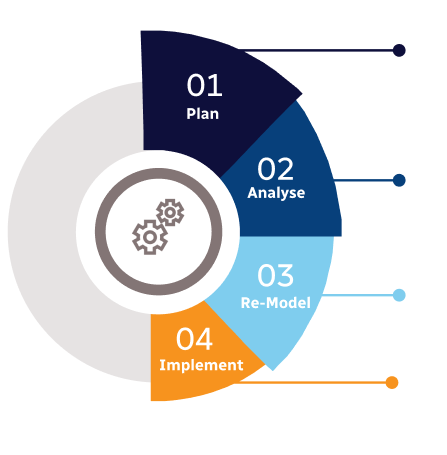
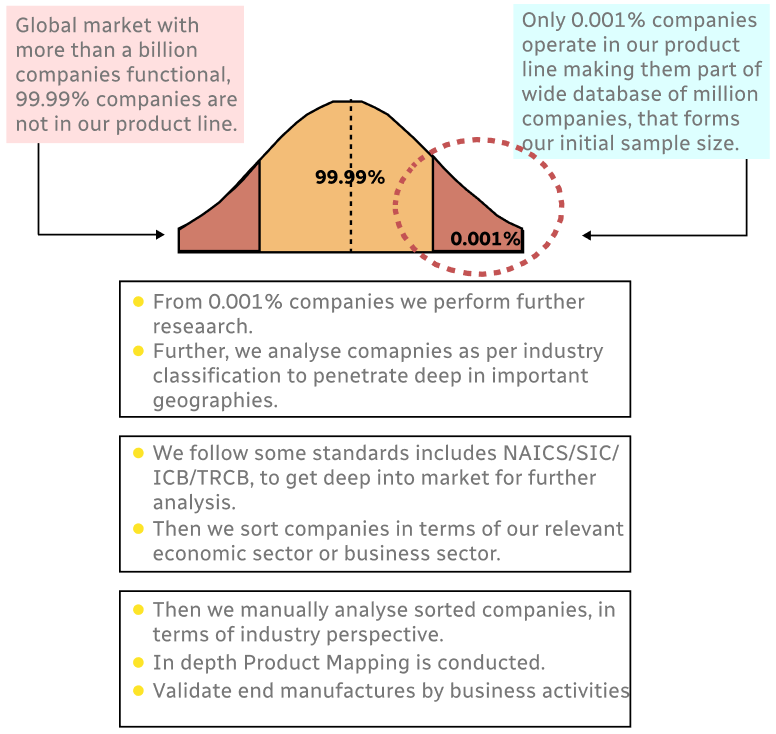
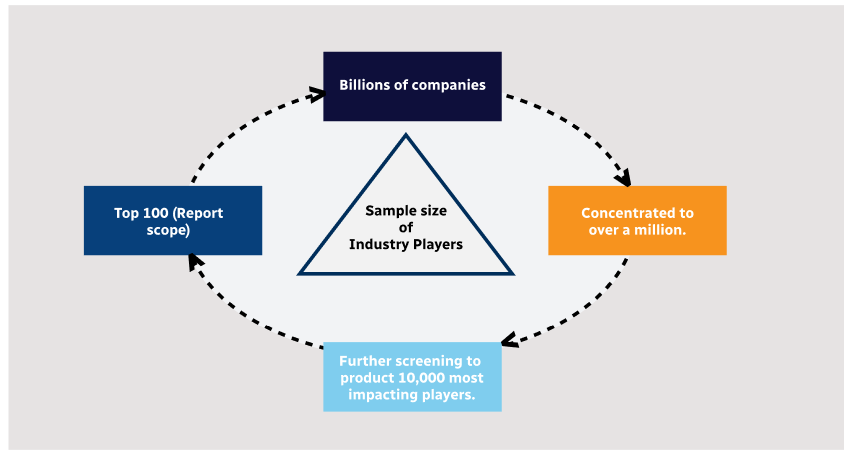
Step 1 - Identification of Relevant Samples Size from Population Database
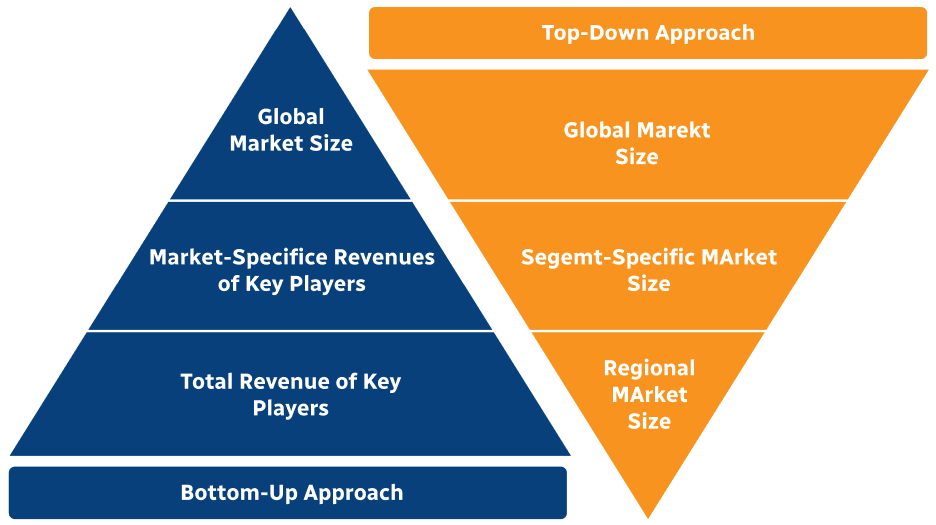
Step 2 - Approaches for Defining Global Market Size (Value, Volume* & Price*)
Note*: In applicable scenarios
Step 3 - Data Sources
Primary Research
- Web Analytics
- Survey Reports
- Research Institute
- Latest Research Reports
- Opinion Leaders
Secondary Research
- Annual Reports
- White Paper
- Latest Press Release
- Industry Association
- Paid Database
- Investor Presentations
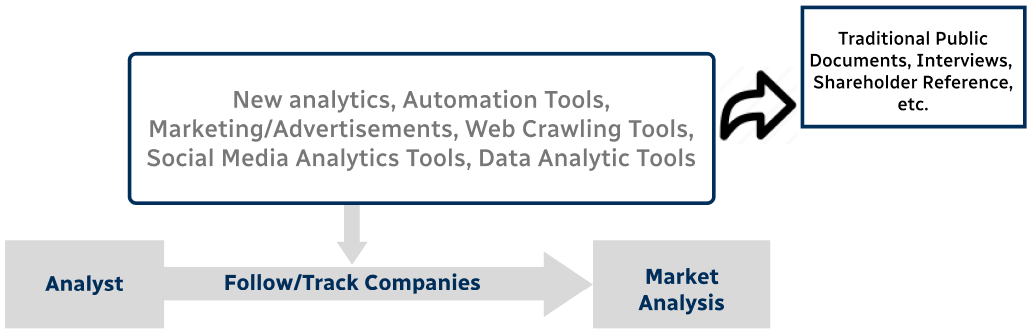
Step 4 - Data Triangulation
Involves using different sources of information in order to increase the validity of a study
These sources are likely to be stakeholders in a program - participants, other researchers, program staff, other community members, and so on.
Then we put all data in single framework & apply various statistical tools to find out the dynamic on the market.
During the analysis stage, feedback from the stakeholder groups would be compared to determine areas of agreement as well as areas of divergence